Published Last updated
View in Podcast Library: stories, quotes, books, and resources in one place.
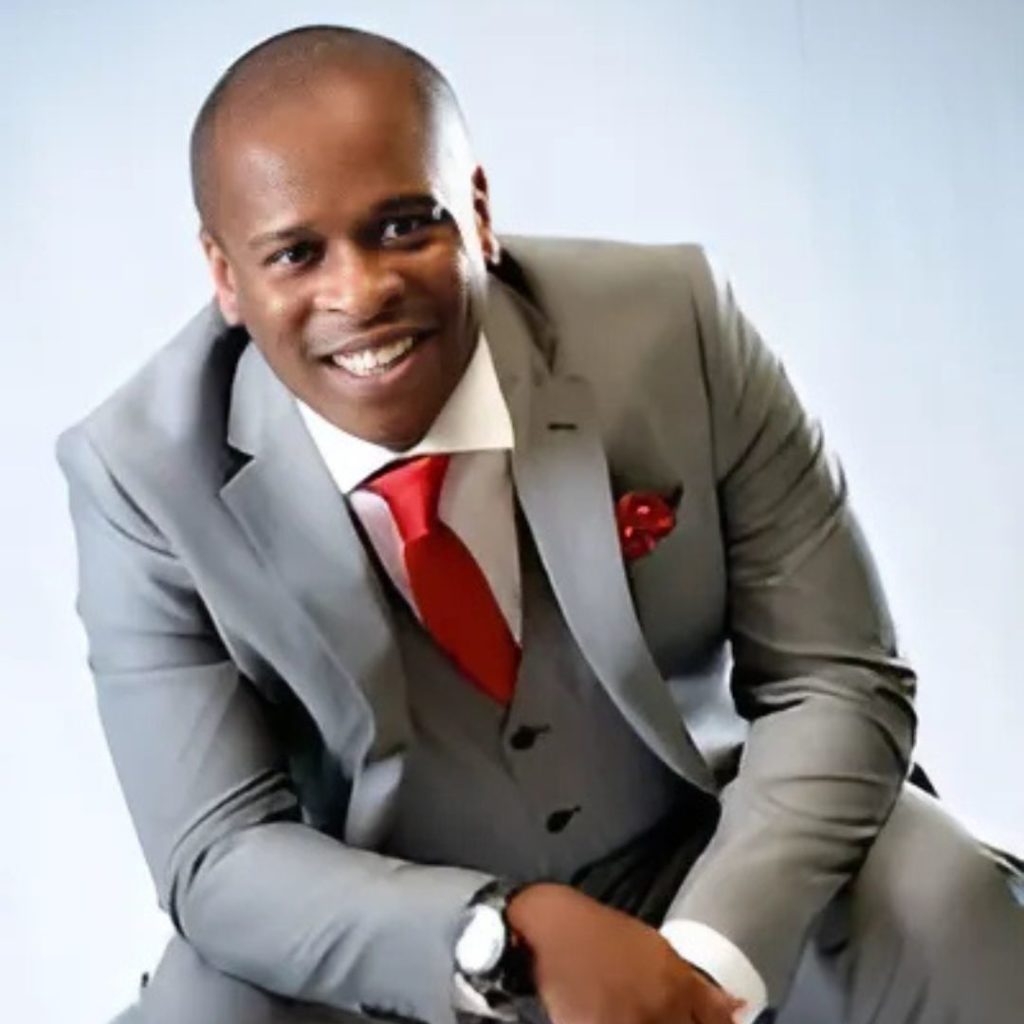
Ace Chapman from Portfolio Sharks is an expert when it comes to buying existing businesses, and he wants you to build that portfolio of income-producing websites. Listen in as he reveals his criteria for purchasing a business and how he creates monthly income with very little hassle.
Quotes:
“I’m a strong believer that everyone’s main source of income will eventually disappear. Even if you build a blue-chip Fortune 500 company, those things will go away.” – Ace Chapman
“If you can get all your money back and earn a 100% return on something within a couple of years, that greatly diminishes your risk.” – Ace Chapman
“The greatest thing is being able to do something you love, and that’s why I feel fortunate to be able to do this every single day.” – Ace Chapman
Takeaways:
02:59 Diversifying business investments reduces risk and increases potential returns.
12:56 Look for businesses with consistent income and strong systems that can run without constant owner intervention.
17:17 Buying an established business can be faster and smarter than starting from scratch.
20:24 Always conduct thorough due diligence before purchasing any business.
24:06 Structure business deals to protect your capital by involving the seller in the risk.
Resources
- Portfolio Sharks (Website)
- Email Ashley, Ace’s Assistant (Email)
- BizBuySell (Website)
Podcast: Play in new window | Download (Duration: 34:14 — 31.3MB) | Embed
Subscribe: Apple Podcasts | Spotify | Amazon Music | iHeartRadio | Podchaser | RSS
Transcript
Download transcript (.txt)Robert Plank Show, episode 333, buy existing money producing businesses to shortcut your path to passive income with property shark ace Chapman, hi everyone, and welcome back. We're talking right now with ace Chapman and Mr. Ace bought his first business at age 19 with some savings from a summer job, and he caught the business buying bug. He leveraged $3,000 he saved working the summer before college into buying a business for $70,000 and over the last 16 years, he has bought 40 businesses, everything from a mortgage company to a clothing retailer. And right now, Ace is seeing an explosion in the market for businesses under $2 million now, Ace began working with first time business buyers and helping them find, do their due diligence and finance small business acquisition. So we're going to have a lot of fun, Mr. Ace. How are things? I
am glad to be here with you. Things are great. And, you know, this is something I enjoy talking about. So every time I get to share the Good News of being able to buy businesses instead of starting from scratch, it's a lot of fun for me.
Cool, yeah, and I gotta admit, like, I'm not, I'm not super, like, Mr. Business savvy, like, I'm used to doing this business stuff the hard way. Like, I'm sort of like a computer programmer. I make websites, I make plug ins, and I'm used to just like, you know, earning those clicks one click at a time, getting those buyers one at a time. And it sort of seems like the slow way. So this whole like, building businesses and selling them, or buying and flipping them, it seems like sort of the, like, the fast track for that, is that, right? Yeah,
yeah. And the funny thing is, I rarely sell a business. You know, my focus is buying something, having some cash flow that I'll put towards another deal. And then, you know, I have two businesses with some cash flow, and then go out and six months later, use that for another one. And so it's really this whole thing of building a diversified portfolio. I'm a very big believer that everybody's main source of income is gonna disappear, like every source of income disappears. Even if you build a blue chip fortune 500 company, those things will go away. I mean, the fortune 500 now is totally different than the makeup 100 years ago. So the when I'm looking at doing these deals, it's not so much about getting something and having an asset play. It's more about diversifying my income, so that, as we all know, as entrepreneurs, our businesses are constantly going up and down, and it's no different in this world. The only difference is we don't have to put so much work time, effort and energy into growing something and fighting, like you said, for those initial clicks and initial customers, so we can spend our time focusing on managing and going out and doing more acquisitions. Well,
cool. Well, that sounds like a lot of fun. And I kind of like the idea of, sort of like, you know, buying something and kind of having it roll on its own, and sort of having that, that dumb money, just sort of do its thing. And so, I mean, what's the starting point like, you know, this whole idea of, you know, buying a business, kind of keeping it running and keeping it around, that sounds like a lot of fun. But I mean, where does someone start? What does someone sort of look into for this sort of thing.
Well, the first thing is just starting to look at deals. You know, there's a site called bizbuysell.com and they list a lot of businesses that are for sale. And you know, you don't want to go in and buy something immediately. The goal is to learn, you know, if you can look at these businesses and can be able to compare them, that becomes your, your kind of end. Once you find a deal that you're interested in, it's like, man, okay, I've looked at 100 deals. I know what they what they sold, what they were selling for. I know what kind of business they were doing. I knew the income. You know, you start to be able to compare things. My very first deal, I knew absolutely nothing about valuations, but I the sellers were selling the business for 70,000 it was making 60,000 and I was in a school that cost 30,000 a year. So if you were paying 120,000 and they were getting out happy to make 30,000 a year, or just getting a bartending job to make those payments. So I had no idea that that really was a great deal, but I knew, like man over here, I'm paying 120,000 for 30. So I'm paying 70,000 for 60. This sounds like the deal. So even though I was a broke college kid with $3,000 I'm like, I need to figure out how I can buy this thing so I'm not stuck bar tending once I get this degree. That
makes a lot of sense. And I'm kind of, I'm looking at that, that biz, buy, sell.com. Right? Now, and I'm scrolling through and there's all kinds of stuff, like, I mean, like, a dry cleaner, a pharmacy, a dentist lab, and it's kind of, it's sort of reminds me of a, like, loop net where, like, I can kind of just go and sort of like daydream, or kind of see what's, what's on there. And so, I mean, when you you made that first deal, did that first deal? Did that work out or, like, what was the whole story with that?
So the funny thing is, it was a complete disaster, but I made money anyways, and that was kind of the thing that was amazing for me. I mean, the business grew. We it had 10,000 users. It was a stock market simulator. We grew it to 250,000 users, but then the.com crash happened in 2001 and all of our our customers went out of business. All of these companies that were advertised with, they were gone. So the but the cool thing was, over the course of those three years, I turned that 70,000 I made over 200,000 so it was, it should have been a lot more. I didn't sell. You know, when we had some seven figure offers and that kind of thing. But the thing, and it was completely devastating, I don't want to, like gloss over the fact that, you know, when you're a 20 year old kid and you're getting these seven figure offers and the business is growing, and then you realize you're not gonna get those checks, it's like, Oh, my goodness. And I dropped out of schools, like, Oh, this is the end. What have I done? And it took me a while to realize, like, wow. Like, but, you know, I made money. I've got savings. You know, that was a profitable deal, even though it crashed and went to zero. So how can I do more things like that and do it in an even smart way? So that was the beginning, for sure, but it was by no means a as successful as really it could have been and should have been, and the power, the only reason that that's the case and in so many other assets when things go wrong is devastating, is because of the velocity of equity building with these deals. So in our real estate deal, you know, it's going to take 1520, 30 years for that to pay itself off, you get a really great deal, maybe 10. With these deals, I typically will buy them at two and a half times earnings. That means, in two and a half years, this thing is going to completely pay for itself, and that's what drives down the risk. You know, if you can get all your money back and get 100% return on something within a couple of years. That diminishes your risk greatly. Because guess what, even if it cuts in half, you're going to get your money back in four years, and it's still an amazing return. And or if it cut it goes down to zero after two years, at least, you got your money back. So it lowers the risk. And you see things like real estate, where people get stuck in something, and it's been going amazing for 10 years, but then the market goes against them in a big way, and they end up in trouble. And so you need something that goes so well for so long in some of these other things, and that's what allows you to have something goes devastatingly against you, and you can still have something that basically the money tripled.
Yeah, and that all that logic makes perfect sense, and it sort of goes back to what you were saying a few minutes ago about, you know, diversifying and like, you know, if you're if you're only doing real estate or something like that, and the market tanks, and you're sort of trapped under water with those properties. That really sucks. But if you're buying a business that's sort of evergreen or always making money, that's great. And then also money back, sort of get your money back, you know, in two and a half years, instead of 1020, 30 years, makes perfect sense. And so when you're looking at these sort of businesses to buy, I mean, how do you narrow down what to what to get. Like, do you look to get things in like, a certain industry or like, is there anything you sort of look at besides this sort of 2.5 times earnings number? Oh,
yeah, yeah. There's, there's a lot. We actually have a 92 point checklist that is constantly growing. So there are a lot of things that we look for right now. I am focused on internet businesses, because I think the multiples have the potential to grow in a very big way in the coming years. But outside of that and the multiple I'm looking at things like, how long has this thing been around? When was it started? How consistent and dependable are is, are the revenues? So, you know, it could be 10 years old, but if one year it made 200,000 and then the next year 50,000 and then the next year 300,000 you know, and it's doing that kind of thing, then that makes me nervous, because I want something that's just going to have. Consistent returns. Another thing is the systems that are in place in the business, you know, has that all because the majority of entrepreneurs have not built businesses, the majority of successful entrepreneurs, and I've talked to so many of these people, and this is kind of the deeper thing for me is, you know, I've seen so many of these businesses that are considered to be in that statistic, that are successful business owners. And, you know, you look at that statistic and it's like, you a lot of people are just gonna fail. They're gonna get into a business. It's not going to work. They're going to run out of money, and it fails. You have the other people, though, that get in the business and it they aren't part of the failure statistic that is really high, but they're a part of the success statistic. And they're not successful. They're pretty miserable. They're, you know, working way more than they would in a job. They're making less money than they would be in a job. They're struggling to pull this thing together. Everything depends on them. They don't have really great employees. They don't have great systems in place. You know, it's a business that is a really, really tough thing, and that's not what I would really consider success, just because they've made it five years or made it 10 years. So when we're looking at a deal, we want that truly successful business where they've got systems, they've got employees that are trained and able to handle things on a day to day. If the owner doesn't show up for a month, the business doesn't crash, and that's the majority of small businesses if, but if an owner, just yet tomorrow, decides, I'm not going to go to this business, talk to anybody, I'm not going to do anything for a month. The great majority of the quote, unquote, successful businesses, small business out there, would go, would disappear. So we're looking for for some of those things, and then we have a lot of specific criteria that depends on the niche. You know, obviously, we're buying a e commerce business, we're looking at different metrics than we would be for a SaaS business, where we might be more focused on, you know, how, how long does a typical, typical customer keep the service, or, you know, lifetime value of the customer. So it changes a little bit from business model to business model, okay,
and so, and you mentioned that. So, like you said, it changes between, like, the niche and type of business. And you have that 92 point checklist. Is that part of a course of yours, or is that a freebie? Or how do people find that 92 point checklist? Yeah,
it is part of a course. But if your listeners want to get that, they can send an email to Ashley at Partners equity fund.com and I will let her know to send that to your listeners. Awesome.
So Ashley at Partners equity fund.com let them know that Robert Plank sent you. And just to make sure some people might be like listening and following along, and they might just want to buy your course. So where can they grab that if they just want to, you know, cut out the middleman and just pay you some money.
Yeah, yeah. So they can go to portfolio sharks.com so visit portfolio sharks.com it'll take you through the whole process. And then, you know, you have an application. Want to make sure that this is right for you, because this is, this is different than just taking, like, a Facebook course, you know, you're basically going to be doing a deal on a business. And so we want to make sure that it's the right person before they run out and try to do this kind of strategy, Okay,
fair enough. Cool. So we have the resource, resources for people who maybe are kind of following along and multitasking at the same time and so, so this whole idea of, you know, buying an established business that, like you said, sort of runs on its own, has these systems, these processes in place, has employees. That way, the business is not dependent on you. I mean, what sort of like, like, average transaction size are we talking like? Do most of your clients? So they buy, like, $100,000 business, a $500,000 business. Like, what's the usual? Like, size of business people are buying these days. So
we focus on deals that are under $2 million you know, in the last Ma, our last couple months, we've done everything from a $49,000 deal to a $600,000 deal. So it varies quite a bit, actually, you know, this early this year, we did a 1.8 million. So everything from 40,000 to 2 million cool
Good to know. And then so are people, like, are they getting, like, a loan for these sorts of purchases, or are they buying all in cash, sort of, like, how you saved up money when you did it? Or, like, how are people usually financing these things?
So, yeah, I didn't say, but my. Me, I basically had $3,000 and that is how I got the I got the $70,000 deal was through financing. So the owners actually did some seller financing, which was very helpful. Actually did have a buddy of mine who invested some funds. And then, you know, I was 19, no bank was gonna finance me, so I ended up doing some credit cards, which I wouldn't necessarily recommend, but, you know, it just as represented the fact that you want to get creative. I mean, you know, one of the things that I had a mentor, a great fortune of meeting a guy who became my mentor, who flipped hospitals, and he would go in, buy a hospital, grow it and sell it. And he made a point to me one time where he was like, this is the only place when it comes to income, this is the only place where we like, will decide that we have to like we have to build from scratch. You know, when you're looking at, like, income and they're going to go out and start a business, the average person is like, Okay, I've got to build this thing from scratch. When I'm looking at a deal, or when he was would look at deals, he just realized, everywhere else in my life, I go and buy what I want. So if I want a car, even if I don't have the cash, I just figure out where to go get the cash, and then I buy it. If I want a house, like, I don't save up that money, you know, I don't try to build a car and think, oh, wow, yeah, let me go build this car. Don't build a laptop. You know, even the people that do build their house like I would never do that again with any of those things, we realize the smartest thing we can do is go and buy something that's already there. We know that it's gonna work. We know the engine is put in the right place and the right way. We know the house has electrical stuff that that's done the correct way, and so it's the same in business. I mean, when you're going out and you're trying to start something absolutely from scratch, all of those different compartment compartments have to be built as well.
Yeah. And I imagine that a lot of people maybe let their their ego get in the way, and they say, Oh, I if I want to have, you know, like, you know, like, a flower shop or something, it's like, oh, I have to, like, invent something new. It's like, why not just go and buy something that's already there? And maybe it's a little bit of a blow to your ego, but it's already proven to make money. So would you rather have the ego satisfied or make money? I'd rather have the money and so yeah, if people are buying these businesses, like, do you recommend that someone kind of, like, go in and, like, buy a business and then change things around, or, like, buy and kind of keep it the same? Because I imagine, like, some of these businesses are selling for different reasons, right? Like, I imagine that some might be selling because maybe the owners are retired, but maybe some of these other businesses, maybe they're like, not managed properly, even have been kind of run into the ground, and that's why they're at a discount. So I mean, is that whole, that whole idea of, like, buying a failing business and fixing it up? Is that something that you is that, is that okay? Or do you recommend against that? Yeah,
so I prefer to buy great businesses that are making money, and everybody has their their strategy, you know, mine is probably more along the lines of a Warren Buffet. I'm not trying to get something that's about to go out of business. It's usually a great business, a great brand. We may go in and do some tweaks. You know, we bought this business a little while back at 20,000 people in a in a database that had done business with them in the past, and they had, hadn't emailed them. And so, you know, our first thing wasn't necessarily to switch anything in the business. It's just, let's start emailing this email list of past customers that we have. So there may be things like that that you want to change, that are going to improve the business, but not going in and trying to do an overhaul of the business itself. Okay,
so that makes sense. So, so no overhauling, but there might be just some easy, low hanging fruit, some things that the business just hasn't made good use of, like that whole, you know, emailing of the list. And so you know when with some of these businesses, like you mentioned your mentor who bought and sold hospitals, and so I'm sure that there are some of these businesses that they must require, like, a lot of, like, research and due diligence, right? Like, with some of these purchases, do you do, like, just tons of homework and maybe, like, years or months of sort of looking into the nooks and crannies of some of these
things? Yeah, we definitely you gotta know what you're doing when it comes to due diligence. You know, this is a skill set, just like the people who go out and they take, you know, every Facebook course and Instagram course and email marketing course and, you know, Snapchat, because that's. Now what we're doing is we have one simple skill set, and it's the deal maker skill set, and so that's finding deals, negotiating deals, doing due diligence and putting together capital close deals. So whenever we are going into something, I mean, that's what we're leveraging is that skill set
and so as far as, like, figuring out, you know, like figuring out the ins and outs of some of these deals. Is this the kind of thing that you recommend, like, people dive into themselves, or is it a good idea to, like, hire some sort of a coach, especially if it's in some sort of a weird niche that you're not used to. Is that a good idea?
Yeah, that's the thing. And, you know, it's the same even with starting a business you don't really, you know, I get people to come to me all the time that may have even taken a course, you know, I've got a couple people that are part of the portfolio charts program, and they've spent 50,000 70,000 on FBA inventory, and trying to get a business going, and doing some marketing on Facebook to get the initial buys, just all this stuff. They're like, you know, 50 grand is gone because it, you know, it just wasn't a viable business. And so you can either find somebody to help that really knows what they're doing. It will help you one on one, or have to, you know, pay tuition, which is trying and failing and trying again. And so this space, I just one of the reasons that I have not just done, like a course that tells people, okay, you go out, if you take this, you can go out and and, you know, put 200 grand into a business, and it's gonna work out. I try to work closely with everybody that we deal with, because it there are a lot of things to consider, you know, and I look at over, over 1000 deals a year and have for about the last 17 years. And if you haven't had that kind of experience, it's not a smart thing to spend that money. You know, whether you're starting a business from scratch or buying a business, you want to make sure that you've got some kind of mentor that has been through a lot of things, so you have to make mistake. Cool,
that's all good advice. It makes perfect sense. And I'm sure that, you know, a lot of people, they've sort of made some of those small mistakes and and, you know, lost a ton of money, sort of like you mentioned there. Like, maybe if someone started a FBA business instead of buying one, like, it's easy for a lot of those sort of costs to add up. And so that makes me curious, like with your, you know, your coaching clients and your students and people going through that portfolio short program, have you seen like a really common, kind of universal mistake people make quite a bit when buying some of these businesses? Yeah,
the biggest mistake that I see is buying on potential. They see something, it's like, oh, man, this could be so huge. This is going to be the next Instagram. And they buy it based on what they see, because as entrepreneurs, that's what we do. We like see potential and ideas. And so I get people, they go out, they find a deal, they're so excited about it, and then, you know, things don't turn out the way that they were supposed to, and they come back, and it's like, why did this happen? And you know, it really is because they're going back into a start up mindset. It really is a whole different way of thinking. So when I'm buying a business, you know, I want to focus on buying that cash flow, make sure that I'm structuring the deal so I protect my capital. And, you know, it's a totally different mindset from what the way an entrepreneur thinks.
And so right in there, when you said that you when you do these deals, you sort of structure them in a certain way to kind of minimize the risk. Can you tell us a little bit about
that? Yeah, the key is making sure that the amount of money that you put into the deal leaves room for the seller to have something at risk at well, so you can tie the seller in three different ways. One is them keeping some equity in the deal. Another is them having an earn out, and then the last is them having some seller financing. Okay, cool. So with with each one of those, you're able to kind of make sure that you're limiting your cash, but you're also, you know, keeping that seller tied in for a little little bit longer,
right? And that sounds pretty awesome, because that way it's like the all the risk doesn't have to fall on you, like you can have those, those different options. So, I mean, this is all pretty interesting, and sort of along the lines of. Like, you know, you mentioned that you like these businesses that are kind of already booming, that are already have the sort of consistent, dependable income. Off the top of your head, you have, like, some sort of like example of, like, one of these businesses that is like, not, not the sexiest business, but something that you seem like kind of consistently makes money, but people wouldn't normally think of as a business to kind of buy and hold.
I've had a couple of those. And, you know, one of the random businesses that I just it's kind of a funny story. I've got a business that is still rolling to this day. I probably bought it nine years ago. It's just a site that's a blog in the home there. So it talks about different home products. And so this, this site I really didn't pay much attention to. It's like it was a smaller deal, but, you know, it was great. It was making me 800 $900 a month, you know, a pretty consistent basis. So one month, I realized, like, Man, I don't think I've gotten that check in a couple months. So sure enough, I look back and I hadn't received that, check for like, two months. So I'm trying to figure out, I go to the site and it's down, and I'm thinking, Oh, no, the site has crashed. What am I gonna do? Like, you know, this is five years ago, you know, five years earlier, at that point that I bought it. Like, you know, I used to get backups, but I got to search through and figure out what account I was using back then. I mean, it's been a long time. And like I said, this was a smaller deal, so I didn't put a bunch of effort into having the backups and all that. So I'm searching for backups and all that, and trying to go through the hosting see if they have a backup. And then one that night, I'm laying in bed, and I literally fell asleep. And you know, the subconscious brain is amazing. It's like my subconscious was like, You idiot, you had not renewed the domain name. So I jumped out of the bed. I run to my computer, just knowing, like, Man, this thing, and the truth is, too I had gotten my money out of it. I bought it at like a one and a half times earnings. It made money for five years. So part of me was like, This is annoying, but I made three times my money on it. And I can't complain too much, but I'm like, I know this domain. People are always hunting for good domains. I knew it was going to be taken, so I was shocked when it was available. But the next thing was, I don't I'm sure this thing has been de indexed. You know, it hadn't been there for two months. So we get the site, send it over to my web guy, we get it back up and running. And, you know, sure enough, there's not much traffic coming in the first few days, but then within a week, this thing was making what it was before. And I could not believe it. So, yeah, just you would never think that a little blog could could, you know, consistently make $1,000 a month for now, like nine years. And that was one of those where even after me making a silly mistake like that, it came back and was up and running.
So, so yeah, even with those mistakes, you're back up and running. And what I sort of hear from that story is that, I mean, sometimes you get lucky, and if you're not, if you don't think you're lucky enough, well then why not put more stuff out there? Why not buy and sell more businesses that we can kind of increase your your odds and, like, kind of have your own luck. And so this is I really like this idea, and I like everything about it. And so I'm really curious about this portfolio, sharks.com website that you have, because, I mean, it's easy for us to kind of talk about ideas and kind of throw some tips in there, but I'm sure that a lot of people out there, they really want to take this thing seriously, you know, if they want to, you know, retire sooner, go on vacation, pay for the kids, college. You know, whatever more money is always better. And I think a lot of people want to jump in on this business, buying stuff. So can you kind of tell us about this portfolio sharks package you have, and what people get inside of it. Yeah,
so portfolio stores is all about building a portfolio of deals. You know, I think one of the ways to make sure that you're safe when you do these deals is to diversify. If you get into a diversified portfolio, let's say you've got four deals, and even if half of them after a year go to zero, you still end up with about a 34% return. That's higher than anything else out there over the course of two years. So it's a really powerful way, and we basically train people on that method. We show them how to. To build a portfolio that is diversified, because if you just go out and buy things that aren't truly diversified, that's not going to help you. So this training digs into all the details about that, and kind of guides people, step by step on how to do it. Awesome.
And so is portfolio sharks. Is this for any people who want to buy any business, or is this for buying websites only? Yeah,
all I'm doing right now is buying websites. So I'm not doing any offline deals, and I don't like to train people on things that I'm not actively doing. So yeah, I usually don't do any training on offline deals.
Okay, and is our offline are online deals better than offline deals? I mean, is it? Is it better just because, like, there's less, you know, investment or capital involved or, I mean, I mean, I know that you just said that you you don't like to train people on something that you're not doing, but, like, in general, I mean, is one better than the other, or is it just kind of apples and oranges?
Yeah, it really is about preference and a personal taste. I mean, it's definitely I've done offline deals. It just is a matter of what I'm doing right now. So I've done 11 offline deals, everything from tanning salons to put retail to spa. So, yeah, I've done a lot of offline stuff, some real estate stuff, property management, mortgage company, yeah, but yeah, it's more personal, personal focus.
Okay, fair enough. But I mean, it sounds like you've had a lot of fun in these last several years of, you know, getting into all these different businesses. And so I'm sort of curious, do you have anything new and exciting kind of planned for yourself in the future, as far as buying some of these businesses, and anything super fun planned in the future?
Yeah, well, you know, just moved back to America, so I'm really enjoying being back in the States. That's been a lot of fun. You know, I enjoyed being overseas, and the was in a third world country for a while, and lived on the beach for a while, but my main focus right now, I got to a point where I had some past clients who would call me and they tell me about their deal and ask questions, and then at the end of the call, they'd be saying, Oh, I'm so jealous you're out on the beach, and that's so awesome. I wish I were there. And, you know, I realized it was time for me to come back, when I started to feel like, Man, I'm kind of jealous of you being back there doing deals, you know. So the greatest thing is being able to do something that you love, and that's why I feel fortunate to be able to do this stuff every single day.
Awesome. Sounds exciting. And it sounds like you kind of get that variety, right? Because, I mean, it's like, if you're if you're at the beach, the states and back home is always there, and if you're back home, the beach is always there. And it sounds like we can kind of have our cake and eat it too, right? We can do some deals, go off to the beach, come back, do some more deals and have a lot of fun. And so everyone listening right now, if this whole idea of, you know, hitting the ground running and buying a business that's already there, so that way you can shortcut the, you know, five years, 10 years of building it up, you should go and check out portfolio sharks.com go there. That's P, O, R, T, F, o, l, I, O, S, H, A, r, k, s.com, portfolio sharks.com go there, click the Get Access Now button and fill in your name and email address and check out Mr. Aces course and all that fun stuff. And I want to thank you, Mr. Ace for stopping by and telling us about this great idea of making money, this great idea of buying businesses, and I appreciate all the all the tips and all the fun stories that you had, and I think that everyone hopefully listening had a lot of fun. And if you got something out of today, go right now to portfolio sharks.com and check out what it's all about. So ace Chapman, thanks for stopping by the show today. Thanks so
much for having me on.
Thanks for listening to today's program start from the beginning or view past episodes at Robert plank.com/episodes you.