Published Last updated
View in Podcast Library: stories, quotes, books, and resources in one place.
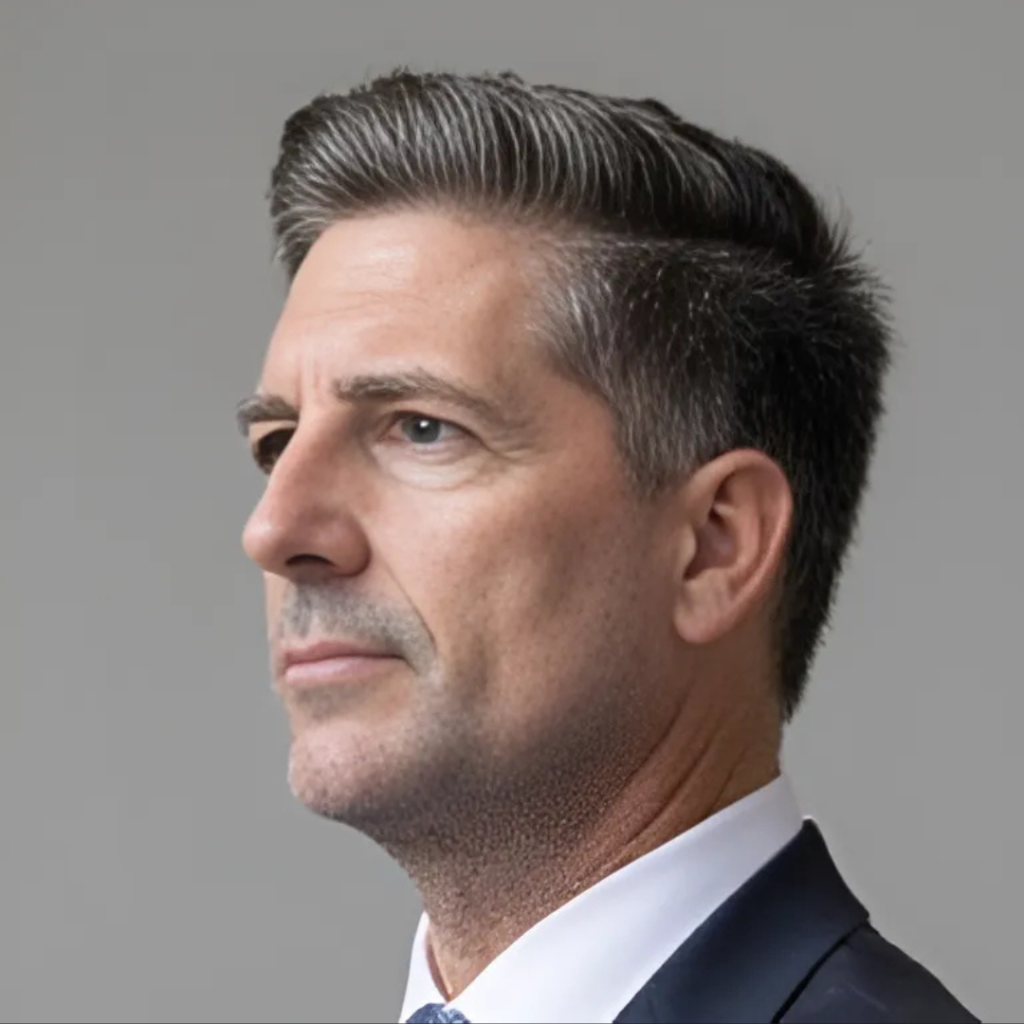
Ryan Perry is the CEO of Simple Biz Support located in the heart of wine country California. He first started video marketing in 2009 because he wasn’t much of writer, but could talk. His YouTube channel focus is helping small business owners harness the power of video marketing to generate leads and sales. Since 2012, viewers have consumed 295,926 minutes of content. That’s over 205 days of non-stop binge watching.
Quotes:
“If you create relevant, educational videos around your industry, you will position yourself as an expert, and people will want to check out your information.” – Ryan Perry
“It’s really not about your business. You, in this equation, do not matter. It’s about your target audience. What are their interests? What are their concerns? What are their fears?” – Ryan Perry
“Digital marketing, the internet, social media, YouTube, and podcasts allow you to present yourself as how you want versus necessarily where you are in life today.” – Ryan Perry
Takeaways:
03:34 Consistency in content creation is crucial for building a strong online presence and attracting potential clients.
07:37 Create video content that solves specific problems for your audience, going deep into one topic rather than being broad.
16:17 Focus on your audience’s interests, concerns, and fears instead of talking about yourself.
20:33 Use YouTube strategically by initially keeping videos private and building initial views before making them public.
24:28 Start with simple equipment and prioritize message quality over production value.
Visit Simple Biz Support: Video Marketing & Digital Marketing Agency
Podcast: Play in new window | Download (Duration: 28:54 — 26.5MB) | Embed
Subscribe: Apple Podcasts | Spotify | Amazon Music | iHeartRadio | Podchaser | RSS
Transcript
Download transcript (.txt)Marketer of the day, episode 515 digital marketing support. Get traffic from YouTube, make sales by educating and land clients with Ryan Perry.
Hey, everyone. We're talking right now with Ryan Perry. And Ryan is the CEO of simple biz support, which you can find at simple biz support.com and he first started video marketing in 2009 because he wasn't much of a writer, but he could talk, and his YouTube channel is helping small business owners harness the power of video marketing to generate leads and sales, and since 2012 viewers have consumed over 205 days worth of non stop binge watching. So we're gonna find out what Ryan and his company are all about how they got started, what they do, what makes them special, all that fun stuff. So Ryan, glad to be talking to you. Yeah, definitely.
Robert, I appreciate the invite.
Heck yes. So, I mean, what is on your mind these days, you know, with your all the videos that you make and the stuff you're dealing with with your business and other businesses, I mean, what should be our focus?
What should be our focus, more specifically focus on. I
mean, just what are the hot trends, hot topics? What should we be paying attention to? Yeah,
well, being a marketing guy, so from a marketing point of view, videos, definitely where it's at. Podcasting has made a huge resurgence because of the technology and automobiles. A lot of people are actually taking their video shows and converting them in the podcast. But from a business point of view, I think video is the number one platform as far as a marketing tool. ROI, way of telling a story, way of connecting with your target audience, a way of converting people, all of that good stuff, compared to anything else that's out there these days. Well, great.
So you got to be on, got to have podcasts, got to be on podcasts, got to be making the videos, got to be putting them out on social media. And I mean, makes perfect sense with all the mobile devices out there, with social media out there, it makes total sense that people don't necessarily want to read a bunch of stuff on a screen, and they might be on the go. And now we have the technology where you know the video can play on all these different devices. So makes perfect sense. And so can you tell us about some of the videos that you have coming out on what sort of what sort of video content you're making these
days? Yeah, the basic content that I create, I'm a firm believer that, as a business owner, especially a service based business owner, if you create relevant, educational videos around your industry, you're going to position yourself as an expert, and therefore people are going to want to check your information out. If they find it credible and they kind of like you as a person, then they're going to want to do business with you. So for me, I give, I show value by educating people, showing them the behind the scenes stuff, showing them that, you know, the whatever it's been nine years now, of in marketing, these are the things that you should be paying attention to as a small business owner in order to be successful. Because there's a lot of, you know, one of the problems with YouTube and podcast is everybody becomes an expert now, and so everybody has their show. There's a lot of information out there, and it's really about creating relevant content that's quality content that people want to consume, and therefore you create your own brand.
Well, great. I can definitely relate to the need to create videos, and I can definitely relate to maybe a lot of business owners out there maybe aren't putting out videos, or aren't putting enough videos out there. And I can also relate to seeing some of the kind of crappy marketing videos, which I think you alluded to a little bit there podcast, yeah, yeah, true that. And so just because you can put stuff out, that doesn't mean necessarily be good. And, I mean, I don't know about you, but I've seen, sometimes I'll see some kind of bad podcast where it's, like, these five or 10 minute episodes, not really saying much. I've seen some of the YouTube videos where it's, you know, like one or two minutes, and they're just in front of a camera, and they're, there's there. You can just tell, like they're, they're pumping out all these just really bad one or two minute videos. And I'm thinking, and I look at some of these videos, I'm thinking that doesn't really help me. That's not solving a real problem. I'm not sure what to think of that. So how do we kind of have our cake and eat it too? How do we put out enough of the content that we need to put out so that way we can, you know, get heard in all the noise. But how do we do it in such a way that we're not just putting out a bunch of garbage? Yeah, well
there, I think there's two things. One is the fact that go a half inch wide and a mile deep. So instead of talking generally about a subject for a couple of minutes, how much value can you really provide? An audience in just a couple of minutes, you know, a five minute podcast, what are you going to really accomplish? Number two is, then also realize that you do have to practice is, I think if people have good intentions, the initial product is not going to be that good, but it's through that education. I think it's like you need 10,000 hours to become an expert. That's a lot of podcasting, that's a lot of YouTube videos. But the reality is, you can take the most famous actors today, and I love it when they do this on on talk shows, and they show the early clips, you know, the early audition clips when they were trying out for the tide commercial or something. And the actors, you know, these are well known, respected people, and they're like, putting their hands on their on their forehead, going, oh my gosh, don't show that stuff. It was horrible. It's terrible. That's part of the process. So realize that. But I think if you have good intentions, it's really understanding who your audience is. I think a lot of business people, people people who are told, Oh, you got a podcast, oh, you need to make videos, but they don't understand why. They don't understand how people are consuming the content, and they don't understand what people are searching for as it's related to their business. They don't know what to create. And so I think it's really important to understand who your audience is. How are they going to consume your content? May it be through a podcast, may it be through a YouTube video, maybe through a Facebook video, because because each one of those platforms has a different audience, and the way they're going to consume it, what they need is going to be unique. And then I the biggest problem I find with people starting out is they're very general. You know, a dentist, as an example, might talk about teeth whitening and go, Okay, here's one five minute video on teeth whitening, and that's it. And it's like, no, no, no, no, no. You know, you know everything. As a dentist. They know everything about teeth whitening. And so they're, they're kind of make assumptions. I feel that everybody else knows everything. And really, you got to think about it from what I call the lay person's point of point of view, person who knows absolutely nothing, dumb it down, bring it down to that second grade level. And be very specific, that's where I come in with a half inch wide, mile deep, and just talk about one specific element within teeth whitening as an example, and then go deep on it for five minutes, and now you've added something of value that people are going, Oh, that's interesting. Never thought about that. Maybe I should call this person
awesome. I mean, you're so right in, in pretty much every, which way there, as far as I think back to when I first heard about YouTube, and when I first heard about, you know, article marketing, content marketing, things like that. And at first, I had the same writer's block that you described there, where I thought to myself, Well, gee, let me just list off every possible sub topic of this, you know, of my niche, and I wasn't sure at all if anything I was putting out would be a good idea, if it would catch on. And then it was. It took a few years later until I came across some of those revelations that you mentioned there. And some had to learn the hard way. Some came from from, you know, people teaching it to me, just as far as well. Instead of trying to talk to everybody. Then think about just one person, or think about just one problem that can be solved. And think about like, the path that took someone from whatever they were searching for to where they found you. And then also, like, just the whole the whole idea of going with the lay person's point of view, and you'll almost never run out of content, and doing some of that research to make sure, like, you know, a little little bit of keyword research and things like that, just to make sure that the things that we're putting out there are what people are actually searching for, as opposed to just throwing everything in the wall and seeing what sticks. So, I mean, you're making a lot of sense here. And so as you know, we're trying to get a grasp on some of these concepts, do you have any, like, really good examples or case studies, or some some videos that you made that like you're really proud of that sort of ticks all the boxes here.
Oh, wow, that's that's kind of like asking somebody who their favorite artist is. That's such a broad question. I think best case study would be my very first client back in 2009 is in a state Attorney, still a client of mine today, and when she started out this, this was kind of like this new thing. I'm like, Hey, I'm doing video. I'm having success, but I need, I need some other references as guinea pigs. I literally, I said, Look, I need, need to use you as a guinea pig. And the intent was for her to make four videos a month. That way you could drop one new piece of content each week. So you're, you're being efficient by shooting four videos at one time, not. Just one every Monday and then, but you can drop that content or upload it to YouTube once a week, so you always have that consistent, ongoing content being uploaded. And from a marketing point of view, you know, consistency is very, very important. And when we first started out, it was really hit or miss, I might get a video. I might not get a video that month. The next month, I might get three or four. And it was probably about six months of me harassing her. She finally called me up and she's all Ryan. From now on, every single month you will get four videos from me, and I'm like, That is fabulous, because it makes my life a lot easier if you provide me the content that we agreed upon and but I go, Well, what changed? You know what? What was the shift? And she's all people are calling scheduling appointments. They already want to do business with me, because they saw my videos and they already got a sense of who she was, and go, I want to do business. It shortened her business cycle. And within two years of not having any web presence, within two years, 24% of her business was coming from the web, and we were strictly driving that through video marketing. So I think that, for me, was kind of a big aha moment on not only what you were talking about earlier, doing the keyword research so that you have some SEO relevancy, making sure that the content you're creating is relevant to what people are searching for, but more importantly is the conversion side. You know, a lot of SEO companies are all Yeah, we can get you more views. We can do this, we can do that, but if you're not converting any of that, what how important is visibility? It's great from a branding point of view, but ultimately, we want conversion. We want an actual ROI, and that's where I really fell in love with video, because I was like, All right, yeah, here's, here's a real life client being able to convert video, and it's making her life easier, because her half her sales job was done. She didn't really have to sell people when they came in the door.
That's super amazing. And that seems like every business owner's dream of you know, I put out the content that I want to put out. I do it on my terms. I set my own hours. I put out as many as I want, and that way, it gets people already primed and ready to work with me, as opposed to trying to start over and fight that uphill battle. And I mean, I have a few friends like that where they put out sometimes, you know, videos teaching this and that. And sometimes I think, well, why are they doing it every single week? Why are they making the effort to do that consistently and make hundreds of videos? And then I find out, you know, months or years later, that they that some of those videos, and you don't always know which ones, but some of those videos land at them things like speaking gigs and coaching clients. And it's like, Okay, now that makes sense. You're not just putting that content out just for fun or just to say, hey, here's what I do. It's actually to get some some exposure. And so, I mean, you're so right that it's important to have the videos out there and that they have the good numbers, but also convert. Because, I mean, if you're a Coca Cola, that's one thing, right? People are aware of coke. But if you say, you know, I'm a website or or I'm a plumber, or I'm a an estate attorney or whatever. If you just focus on just the views and the likes, then you're getting everyone ready for your competitors, right? If you're solving problems about being an estate attorney, they're just going to go find another estate attorney. So is there? Are there any, I don't know, like things that you and your clients are doing that others aren't to maybe get those conversions.
Yeah, there's a couple of things I think. One is, I really I spent a lot of time with my clients in educating them that it's really not about your business. A lot of small business owners and I have the same problem. I have to go and talk to people outside of my marketing niche to get that outside perspective, because I've been in my industry for so long, I have blinders on, you know, those, those goggles that they put on horses. They're not goggles, but the blinders so the horses can't see left and right, just what's in front of them. As business owners, we tend to see that because we live in our business for years and years and years, you really need that outside perspective on what people need. And so one I spent a lot of time with people really understanding that this isn't about you. You in this equation do not matter. It's really about your target audience. What are their interests? What are their concerns, what are their fears? If we can address those situations and do it in a professional manner, these people will then want to do business for you, and so I don't work with people who just are only concerned. About money and only concerned about promoting themselves and only concerned about them, because I know it's not going to work. Number two, I'm really a fanatic about branding, in the sense that if you're going to start promoting and start creating YouTube channels, and yet you haven't branded your YouTube channel, we have issues, because nobody, nobody wants to go somewhere to a social media site where the company has said we don't care, we haven't taken enough time to create a banner or a profile image or fill out the descriptions all that type of stuff. And that branding also goes into the editing of the video. We do custom branded intros for the client to make them look professional, even if it's a small shop that's only doing 50,000 a year in sales, but they want to grow and become that million dollar business, we can brand them to look that way. So people are like, Oh, okay, this is a quality place. This is somebody I want to do business with. And I think that's the great thing about digital marketing, the internet, social media, YouTube, podcast, allow you to present yourself as how you want versus necessarily where you at in life today.
And it sounds like as you're explaining all this, you're really making the case for why business owners everywhere need that outside perspective that we're talking about, right? Because, like you said, it's easy to have the blinders on and just be so caught up in your own business, your own industry, that you don't tap into those interests, concerns and fears, and so by having that outside perspective, someone like you and your team can look at it from the point of view of that frustrated customer, or like that curious prospect. And if someone is, you know, an expert in the estate attorney stuff, or if some business is a winery, for example, then they, they don't, they're not technically focused, right? They don't necessarily know about those different places to fill the descriptions, and they don't know about getting their own banner and profile and custom background and those the bumpers in the video. So by having someone like you come and swoop in from that just completely new perspective to shake things up, sounds like and they'd be crazy to try it themselves, right?
Well, it's kind of like, if you need to go to a dentist, you could probably learn how to become a dentist, but it may not be the best use of your time. Yeah, if you had, if you had to remove a tooth, you could probably learn how to remove your own tooth, but it may not be, the may not be the best thing for you to do, it may not be the best use of your time.
So you're having these clients, and, yeah, I totally agree. So you're having these clients, make these videos, put them on YouTube, and where are they they going to? Are they going to like blogs, landing pages, like, what's, what's the path? Then, once they get off YouTube, where are they going?
Yeah, that's a great question, Robert. It's another reason why I love video as a marketing tool is because you can do so many different things with it. I use YouTube as a as a launching pad, if you will, because there's so many different things you can do. I don't know, a lot of people don't realize this, but within YouTube itself, they have a number of social shares buttons right on the actual video. So as you're watching a video underneath, you can share it to Twitter, you can share it to Facebook, Tumblr, a gazillion different other social media channels. So they make it very easy, and if you're starting out on a as a small business owner, you're on a tight budget. You can shoot your own videos by yourself. You can upload videos by yourself. You can learn how to SEO, optimize your title, description tags when you upload it to YouTube yourself. And YouTube makes it very easy to do that. Social share. What I recommend that that clients do is one upload to YouTube. I don't, I don't. I'll give you an insider tip here. When you upload to YouTube, keep the video private, and by making it private, that means other people are not able to see it. It won't be out in the general public. YouTube won't see it. It won't come up in search results. Then what you do is you share that video through, typically, I use LinkedIn, and also the client's personal website, their blog. So embed the video in the blog, write a short description about it. You can even transcribe the audio. You can use a service like trent.com as an example, transcribe the audio that way you have a lot of text, as I'm sure you know, Google loves text on your website. If you just embed a video on a blog, it doesn't have a lot of SEO value, because Google does. Know what to do with that video. Doesn't know what that video is about. Do that, and then a week later, after I have traffic going to that YouTube channel, I have views, I have watches, then I'll go back and I'll make the video public. And the reason why is it fits in with YouTube's algorithm. If they see that this video already has a number of views and it's just now going public. It's like, oh, this video is viral. I need to make sure that it is visible for other people for this specific keyword,
interesting. I love it. So you put the video out, just to make sure I'm understanding this correct. You put the video out, you make it unlisted, which means that anyone with the link can see it, but someone can't find it just by searching from YouTube or from Google. And then you use other traffic sources, like posts on a blog post on LinkedIn, get it transcribed. All these are printed places to get the video views increased. And then once you have a lot of those watches on the video, then you switch it over to public. So that way Google and YouTube's algorithm will say, this is a popular video. They just made it public, but it already has all these views already, so we're gonna give this some extra exposure. Correct? Super cool. And so, um, so with all this video stuff, I'm sure, as you know, like, people are hesitant about it. So the thing about putting out YouTube like, you know, you always hear about people saying, like, well, you need to have this special camera, special microphones, special lighting. So, I mean, what are your thoughts on that the things need to be slick, or is the message more important? I
think it really depends on your target audience. So it's one of the things I do cover with my clients. And I'm more of what I call down and dirty. I like down and dirty videos where you're using your smartphone, you're maybe using a DSLR if you already have it, use a point and shoot if you already have it. And then, for me, there's two things that are important. Definitely your content that is content is always going to be king. Your message will trump just about anything else. People do expect good audio. So buying a $25 wired microphone that you can plug into your smartphone or your DSLR if you have a mic input, is worth the effort, and then just make sure you're facing the light, and that way light is falling on your face so that you're well lit. Do you need to use studio lights? No, I do, but I went out and bought $150.03 light kit on Amazon, and it works great for what I need. I think that what's really important is really focusing on your message. And then the other thing that I see a lot of people make mistakes on, especially when they're at a home office, is the clutter in the background. So I always try and remove clutter. Make sure you frame yourself, typically from the top of your head to the just the bottom of your chest, and framing is where do you show up in the video? And because sometimes I see people and it's just their face and it's too close, which is a little uncomfortable. And then other times people are doing videos and they're kind of far away, and you're the topic. Here. You are the subject. You are the person that we're here to watch and learn from I want to actually be able to see you without being too close that you're comfortable. And why these type of videos work for a lot of businesses. These down, what I call down and dirty videos, is they come across as being authentic and real as soon as you start investing in the really nice camera, the great studio lighting, the props, the background, and everything looks polished and perfect, but the little the little warning flags inside your head subconsciously start popping up, going, hmm, somebody's obviously invested a lot of time, money and energy in this. What are you trying to sell me? And I really focus on, how do we create great content that's that provide solutions, answers for the user, so that they'll automatically want to do business with you because they perceive you as an expert. Now, again, it depends on your clientele. If you're selling Bentleys and you're in the back country and shorts and a white tank top, that may not be the best way to produce a video,
right? Fair enough, but, but I can definitely relate to seeing those really slick videos like I can. I'm thinking back to times like when we got a pool mailed here we had to assemble it, and went on YouTube looking for instructions. And I came across some of those really slick videos with, like, an intro and all this stuff. And I'm like, I don't care about the intro. I just want my my problem to get solved. And, I mean, I think about that happens again and again. Like, um, what? We got some, like, Oregon Trail card game and with like, which has really complicated instructions. And again, I went to. YouTube to find the instructions explained to me, and I skipped over all the really slick graphics because I was like, I can't even make heads or tails with this. I just want to jump into a video that shows me how to do it. But as you said, it depends on your target market. And there's also that component that we keep revisiting of just start somewhere, and then your your process will grow over time, and you'll get better over time. But these are really great things that we may have not noticed, even when looking at the kind of videos that we can make, like if you think about noticing about having that the microphone so that at least the audio sounds good, removing the background color, making sure we're not too close, too far away from the video camera. I mean, all good things to keep in mind that now you've made us aware of those things. So I'm sure that people listening, I'm sure that their curiosity is peaked when we've been talking about different kinds of videos that we can make. Your technique there about making a viral in a way, go make a video go viral in a way, a little bit and like seeding it. So if people are here are listening to all this, and they're interested in YouTubes and video marketing and things like that, what do you have for us today? What kind of like Services websites, do you want to tell us about?
Well, I do. I do. Well, first of all, I target primarily service based businesses. So if people are looking to go viral or they want to sell a product, it's not my target audience. There are people I know that work in that industry, be more than happy to redirect them. If they're just interested in learning more about me, I recommend they go on YouTube and check out simple biz support. Just do a YouTube search for simple biz support. I have a lot of these different technical videos on lighting and sound and how to use different pieces of equipment. If they want to contact me directly, you can go to simple biz support.com Again, learn more about me. And then there's a contact page. And what I do is I work in two different ways. I work as a consultant for people who feel comfortable doing all the steps themselves and just need that outside perspective need to be guided. And then I also have clients that sign up for a monthly package where they shoot the video, so I teach them how to shoot their own videos, and I do what I call all the heavy lifting, and that is, we take care of the branding, the editing, the uploading, the SEO optimization, linking it into their other social media channels and their website if they're interested,
fantastic. So simple biz support on YouTube, if you want to see what Ryan's all about, and you want to see some of his videos and all those things in action. And then if you want to just cut out the middleman and just jump right in there, go to simple biz support.com find that contact page and tell them about your needs. Tell them if you're the kind of person where you just need a guide to tell you what to do, or if you want to really go for it and just shoot the videos yourself and send them to Ryan and his team and have them work the editing magic, the social media magic, that way you can focus on what you enjoy and what you do great, which is whatever business you're in, and growing that and getting the word out. So simple biz support.com and simple biz support on YouTube. And I want to thank you so much, Ryan for stopping by and for sharing with us and being generous about a lot of these things about what we need to know about YouTube, and I'm sure that a lot of people listening got a ton of value for it. So thanks for coming by and sharing your YouTube expertise.
Yeah, definitely, Robert. I appreciate the invites and trusting me to be on your show. This is Robert
plank, and would you like to be a guest on the program? Do you have an idea for a future episode, or do you just want to tell us how we're doing? Get in touch with us right now at marketer of the day.com/ask, to let us know you.