Published Last updated
View in Podcast Library: stories, quotes, books, and resources in one place.
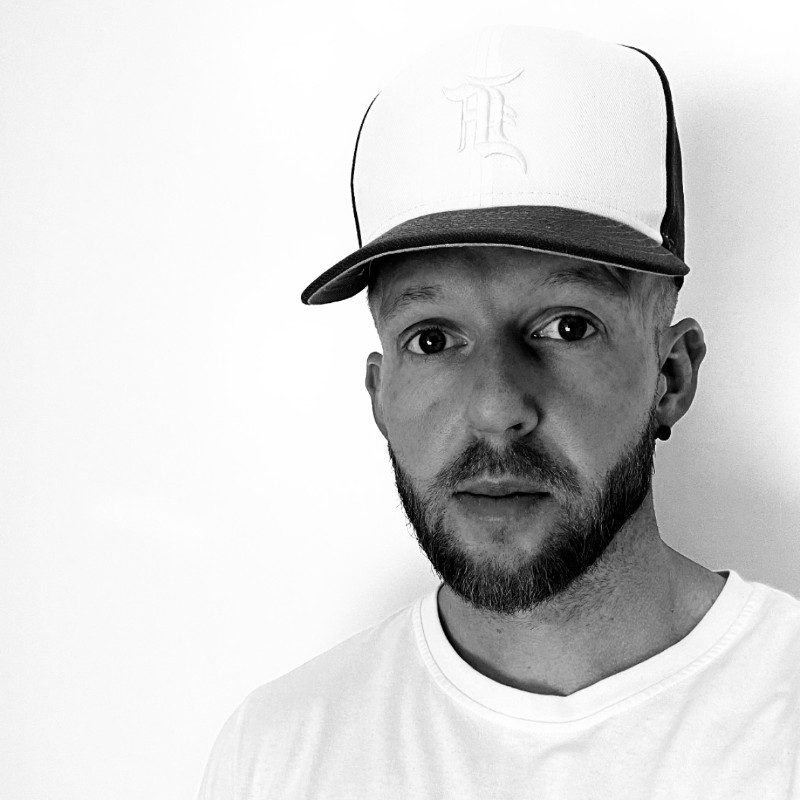
Daniel James covers Ecommerce Growth Marketing in this Marketer of the Day episode. Daniel James explains how ecommerce brands can grow faster by fixing retention and conversion before spending more on ads. He calls this the "leaky bucket," covering the website, data capture, conversion rate, email, SMS, loyalty, and customer lifetime value. His framework separates acquisition from retention, with creative creating interest and landing pages sealing the deal. For ads, he uses a hook, agitation, problem solution, and call to action to move people through the consumer journey. On landing pages, he emphasizes fast load speed, clear copy, hero images, social proof, reviews, testimonials, and conversion rate optimization. One fitness machine example improved performance by targeting three groups: hardcore fitness users, busy professionals, and older buyers needing joint-friendly workouts.
It’s essential for businesses to stay on top of their marketing strategies with innovative insights and tactics that can elevate their brand. Successful companies focus on customer retention because acquiring new customers is expensive. The right channels can make a big difference in building brand loyalty. So, how can you keep your customers engaged and help spread the word about your business?
Daniel James is the founder and CEO of Flight Performance (formerly Mint Performance Marketing), a full-service performance marketing agency based in Los Angeles. Mint’s mission is to accelerate growth for disruptive DTC and e-commerce brands through cutting-edge strategies across creative, influencer marketing, paid social, paid search, email, and SMS. Today, Daniel tells us about fixing the “leaky bucket” on a brand’s website before focusing on acquisition channels like paid ads.
Quotes
“Advertising gets people to the page, but it’s the page that sells. If a page is slow to load, unclear about what you’re purchasing, or doesn’t make the purchase easy for the consumer, people are going to leave.” – Daniel James
“The variables of potential social platforms have been covered quite broadly. I see this evolving into more niche subsets within those social channels. They aren’t just big social communities or networking sites these days; they’re very creator-driven.” – Daniel James
“A large part of our job is to keep an eye on the future. First mover advantage is significant. Not everything will be super sticky, but testing and being there at the beginning of platforms is important.” – Daniel James
Takeaways
00:57 Fixing the “leaky bucket” on a brand’s website should be the top priority before focusing on acquisition channels.
05:16 Developing a playbook for effective landing pages and understanding your target audience on a deeper level can significantly improve marketing performance.
18:21 The pace of change in the digital marketing landscape requires staying up-to-date and being a first mover on emerging platforms.
20:16 Profitability and customer retention should be the focus in e-commerce, not just rapid growth.
26:26 Taking risks and doing what makes you happy are important for entrepreneurial success.
Resources
- Flight Performance (formerly Mint Performance Marketing): Performance marketing that drives accelerated growth
- Daniel James on Twitter
- Daniel James on LinkedIn
- Daniel James on Instagram
Podcast: Play in new window | Download (Duration: 28:01 — 38.7MB) | Embed
Subscribe: Apple Podcasts | Spotify | Amazon Music | iHeartRadio | Podchaser | RSS
Transcript
Download transcript (.txt)Hey and welcome back to the podcast. We are here with Daniel James and he is the founder and CEO at mint performance marketing, you can find them at mint dash performance marketing.com. They are a full service performance marketing agency based in Los Angeles. And their mission is to accelerate growth for disruptive DTC and E commerce brands through cutting edge strategies across creative influencer marketing, paid social paid search, email and SMS. So if you are interested in growth, marketing, social media, marketing, and E commerce, and this is exactly the right conversation to be jumping into. So Daniel, glad to be talking to you.
I just saw mine. Robert, great to meet you. Thank you for having me on.
My pleasure. Great to meet you too. And so with all the things that could and should be done with SMS, and with paid social and all those things, there's so many things to do. What has you excited the most? What should we be focused on these
days? You're right there is there is so much, there is so much you can do. I'm a big folk fan of focusing on on the most important and impactful things, depending on the stage of businesses that the number one thing for me is something I call the leaky bucket. The leaky bucket is what happens when someone lands on your website, right. So everyone, there's a lot of talk about paid advertising, paid social and everything else, what we classify as, like acquisition channels, right? They're trying to acquire customers, I think the foundation needs to be replaced first, which is your website, how you captured data, your conversion rates, your email, your SMS, so that as you do get people onto your site, and as you are acquiring customers, you're keeping those customers, they're having a good experience, and you're increasing the customer loyalty and customer lifetime value. So fix your leaky bucket, make sure you got a solid retention strategies. And then there's so much to talk about when it comes to the acquisition side.
And that's a great starting point that if you have a leaky bucket, and you say, Well, I think my problem is I'm not dumping enough ad money, then you'll just multiply your problems. And I can't quite put my finger on it. But when I land on someone's website, it's like, you can almost have the sixth sense about if it's kind of customized or not right like for I don't know what it is. But sometimes I'll land on a website. And I'm like, I can tell they installed like the demo of whatever WordPress theme and has kind of changed some text changed some graphics, and I feel like it's not quite there. And then there's other times when I land on a page, and it loads quickly. And I don't even really have to think about what it is I'm doing next. I'm like, oh, yeah, I know, I need to click on this or fill on this form. And I can't quite put my finger on it. I imagine maybe that's a result of performing many iterations. And on looking at your analytics, as you said there and like seeing like, Okay, how's your conversion rate? How long does someone spend on the page and maybe like, over time, making those small improvements that we don't even see or appreciate as someone who's just landing on a page that might have gone through many months remaining many dozens of kind of reworking until it's just right.
Yeah, you're totally right. You're totally right, you got to think about it this way. You know that the advertising gets people to the page. It's, it's the Page That Sells somebody. And if a page is slow to load, if it's not clear what you're purchasing, if it doesn't feel like you're making that purchase, easy for the consumer, people are going to leave. And so you're absolutely right, a huge part of what we do is landing page testing, conversion rate optimization. Looking at where people go to the web, go on the website, when they drop off the website, all of that data is super important. And that's the interesting thing about like, paid ads, the in platform, things you can do inside Facebook ads inside Tiktok ads, don't get me wrong there is there is a setup and a strategy that makes sense. There's things you can do. But the biggest levers you can pull is creative. And landing page optimization, the creative gets your interest. The landing page seals the deal for lack of a better phrase, that's when you actually hand over your credit card or whatever else. So the super important into just overall performance for for brands.
And I imagine that it helps to wrap your head around the process because it's easy. I mean, there's so many steps, right? There's, there's all these Facebook ads, you're testing and you're saying well, can I get them to at least like see the ad and then get them to AB react or click over to my website. And so I like kind of your philosophy there in that Well, at first we're just trying to get attention. You're just trying to get them interested enough to then get to the website. You're not trying to sell them right there in that little tiny Facebook ad. And I think that's helpful there to wrap your head around. It's like when you go are doing like email marketing and writing emails, you're like, I'm not writing some big long thing to try to sell them in the email. I'm trying to do just enough to then get them to that webpage. So it's like, by making it this little these little simple bite sized buckets, you're like, Okay, I can, I can kind of think that through a little better.
Yeah, exactly. Exactly. You break down. You're totally right, you break down what is the purpose of each of those things across what we call the consumer journey? And, you know, there's there's marketing kind of playbooks that we leverage in terms of you know, from a creative standpoint, it's the hook, what's the initial hook of the ad? What's the thing that makes people stop the death scroll, as it were, or death, swipe, whichever way you're doing? That's the hook. Then it's like, agitation, problem solution, what is the thing that we're trying to position to get people's interest interested. And it's the the call to action was the thing that is going to make them want to click through to the landing page, that's job one, when you're on the landing page, you've got to support what you said in the creative, right, you've got to also take them through a journey. So typically has a hero image with a you know, click copy as to what the product is, and why it's beneficial social proof is a big thing. You know, especially if it's a brand or product or something that you haven't purchased before. You know, I liken it to things like, if you want to go to a restaurant, yes, your friends, what's a good restaurant, you listen to recommendations from other people. So like social proof on a website, of like customer reviews, testimonials, seeing people use the product. So there's even within those buckets of like, creative landing page email, there are definitely certain things that you know, over time you see perform better than others. And you can kind of develop a playbook as to how to repeat the success that they produce, across different brands.
Yeah, and I think that's helpful. As far as like, you know, there's always that that part in the process of like, looking at your competitors, or looking at how things you're doing are done in your industry, looking at other ads, other landing pages, and what you just laid out there is helpful to know what you're looking at, because it's one thing to land on on like a competitor's webpage and say, well, there's this headline, there's this this color, and that's all great. But you're saying, well, they have this social proof there, or that the ad that got me to click in the first place had an interesting hook. So it's like, there's the looking at those competitors, reverse engineering, but also knowing what you're looking at knowing what like putting a label on this. And that kind of helps to replicate what they seen, we're doing right to give you a head start, but also creating something that is unique. And so you have your, your digital agency here, and you help companies set these sorts of things up. So do you have any interesting stories about when you kind of worked your magic and fixed up these landing pages or fix up these ads? Do you have anything fun to share about how it started off at point A, and then you kind of set some things up looked at the data, and then you created something even better? In the end? Any fun stories come to mind?
Yeah, I mean, that's exactly what we do. And there's lots of success stories, I think one of the more interesting ones is also relevant to how brands think about their target consumers. So we were working with a fitness machine brand. And it was, it's one of these things, it's a climber, one of the ones that you step on and you do with your hands. Those are hard. They are hard. But you know, you could you could quite easily say bucket the target consumer into just one generalized person, people who are into fitness. Now, if you do that, then you set about making a certain type of creative and certain type of landing page and it's quite general. So you're not being very specific or personalized to your potential consumers. So what we actually did is identified three buckets of people, because those machines are really good. If you're like, you know, if you're really into hardcore fitness, because you can really push yourself on them. So like a real kind of gym bunny, for lack of a better phrase. They're also really good for maybe more affluent professionals because it's it they can go in your house. It's a it's a it's a 20 minute workout, you can get in in the morning before you had to work. Then it's also really beneficial for the elderly or slightly older demographic because it's good on your joints, you know, so past a certain age and I'm reaching that age, running outside it message and close up and your knees up. So this is a really good workout for them. So we identified those three buckets that allowed us to create specific content and align with specifically Like influencers in those three very separate kind of target consumer groups and then create customized landing pages for them. So the headline on our on like the professionals was at home 20 minute workout torch those calories or something like that the one for the the older demographic was easy on the joints, you know it was the copy and everything within the creative on the landing page is customized to who you're trying to get interest from. That was a real unlock for that brand. And it improved performance. And we take a similar approach with a lot of our brands. You know, and that kind of comes down to like consumer psychology and understanding exactly who your target market is. And testing those things with those customized creative and landing page experiences.
And I like your mindset there that it's because it's really, it's really tempting and easy, as you know, to take the shortcut and say, Well, I've got this fitness machine, I've got this device, and to fall into the crutch of either going down going down the path of features or going down the path of benefits, right? And just saying like, well, let me list of all this cool stuff it does. Or let me try to create the excitement by just saying like, Oh, you get so fit. But then you're saying that a way more interesting route to take is you say, well, instead of looking at the solution on the device itself, you take a step back and say, Okay, who is the person or who is the like this group of people and maybe these these three buckets of people, and then create and then go deep with those. And I think that's more that's more exciting for everybody involved, right. So when that busy professional lands on this page, they say, this is made exactly for me, elderly person, it's exactly for me. And then you're even saying that finding an influencer to promote that is also a logical path. And then also generating the content is also just it's way more fruitful than going down the features and benefits kind of kind of path because you're single, there's this person combined with using this machine. And that lends itself to all sorts of like how to tutorials, quick videos, I mean, my imagination is going crazy, just thinking in that way. So that's like a really easy to forget, marketing, fundamental idea of go back to who are the people that's going to be using it and speak to them instead of trying to hype up the device, the machine itself?
Exactly, exactly. It's a lot more personalized. Me as a consumer viewing it, it's telling me, it's speaking personally to me. And it's telling me how it's going to benefit my life versus listing out it has this function, it has that function, I don't really care about that. At a certain point, I might, but what I initially care about, what's the benefit to me in my life? Can I envisage that within my day, within my week, within my month or even within my life at all? That's, that's, that's like the emotional connection and really helps with that. Purchasing consideration.
Yeah, and there's something you said on there that, you know, there might be some specific feature that will make or break that sale that you're looking for. But that comes later. Yeah, it seems like you're saying that in this kind of beginning phase, when they're first seeing the ad, they're first seeing the landing page, you're kind of more in the the get them interested in using it kind of phase and if maybe they are looking for if that claiming machine has like interchangeable footholds or, or interchangeable handles or something, that's something good to know, later on in the process. But early or early on, you're just kind of in the kind of the idea stage as far as them, like get the idea of them using it. And so that's pretty cool and fun to think about and just and an easy lesson to forget and something we should be going back to. And so you've been in all these industries, and you've done all this cool work has anything surprised you in the last couple of years and anyone ventures that comes to mind that you feel like sharing with us?
Surprise me. I've been in this industry too long for that to be any surprises to kind of, you know, I don't I don't know about surprise me as like, a real shock. I think just the evolution of social media and the digital landscape. The speed at which it changes is really interesting. You know, I mean, a large part of what we do as an agency is, you know, we're we're driving the strategy for these brands. So we have to say really on top of the changes in the ecosystem. You know, things like the Apple, iOS privacy changes. That was a really big shake up for the industry. It didn't surprise me because, you know, data, data protection, there was there was indicative signals that you know, data was going to be controlled more tightly. I mean, let's be honest, Apple did it so that they could control the data themselves. So is it data privacy? Or is it a big fuck you to Facebook? It's it's the latter. So I think like, I don't know, if it's massively surprise me other than just the pace of which things are evolving, I mean, tick tock coming out, you know, I think it's hard to see, it's hard to see what the next big social media platform will be when you've got to tick tock Instagram, Facebook, Snapchat, all these things, I think, I think the the variables of potential social platforms have been covered quite broadly. I see that evolving into more kind of like niche subsets within those social channels. They're not really just big social communities or social networking sites these days. They're very creator driven. And I think by default, they become slightly fractions, communities or sub communities of a larger platform. So I mean, again, no massive surprises, I don't think just interesting to chart the evolution of empathy. And that we leveraged with an agency to drive success programs.
And I mean, you're bringing up sort of an interesting, entrepreneurial or business owner lesson, instead of just being aware of the cutting edge. And I know that when I'm sometimes I'll like, read some book, take some course go to some event or something. And I'll think, you know, why am I going into this? What's the the immediate benefit to me, and many times, there's like the networking or just like kind of knowing what's happening in the coming years ahead. So that way, if artificial intelligence or short form video or live streaming, or whatever the next fad is, you can sort of see it coming like you're mentioning even with like that I was privacy, so that we can just kind of slowly let the these things soak into our brains. So that way, it's not a shock when, when something else happens, and so maybe that's why you're not surprised, because you're kind of always staying up to date with what's happening. So by the time everyone else is shocked, you're like, I already took care of the six months ago. And then there's also a because I mean, you've you've worked for MySpace and AOL and things always, you know, shift and sometimes some social platform be the top of the heap. And then, you know, maybe like Twitter goes on the client or Facebook a little bit or, you know, who knows, sometimes there's a top dog and then they get they get dethroned a little bit. So things are always shift. And you're, you're mentioning, like, I heard this advice a bunch of years ago, where someone said, if there's some new social platform, join it and like make the most use out of it, because they probably haven't clamped down on all the rules, like Apple or Facebook have. And so it's always it's just a good reminder, in general, right to look at what is coming soon. That way, you are not playing catch up later on. And so along those lines of this kind of conversation we're having, what do you see happening in the future, either with digital marketing, or your industry or even anything else that you have planned? Soon? Just what do you see happening in the future? In any sense of the word?
Yeah, so I mean, in our world, it's, it's digital social marketing, to drive successful ecommerce brands. And so in the world of digital and social, I think the traditional platforms that we're using, you know, tic TOCs, in this heyday at the moment where there's massive amounts of organic reach, which means there's so much opportunity opportunity to build audiences right now without having to pay for the privilege of building audiences, like you do now on other more mature platforms, because that's supply and demand. Right? So as the TIC tock becoming more mature, the organic reach will slowly start to decline, you'll have to start paying to reach your audiences. So just referencing slightly back to what you said, yes, a large part of our mind and our job is to have an eye on the future. Because first mover advantage is a real thing. Not everything is going to be super sticky, but to test and be there at the beginning of platforms is important, because there's benefits because it's a less crowded space. So as more brands jump into Tik Tok, and start advertising, it becomes a more crowded space and then organic reach declines. I'm really interested in seeing how those platforms are evolving to being like I said, less social networking to create a driven platforms. That's a good opportunity for brands and and you have to pay attention to that because you know, you want to be you want to be paying attention to how their platforms are looking to gain eyeballs, because the platforms want eyeballs and engagement there. doing that by monetizing or offering monetization to creators. That's what gets people to come into their platforms and consume content. So as a brand, how do you tap into that world that the Creator economy world, right. So that's a big thing in the world of digital and social. Ecommerce. I think that, you know, partly driven by the economic changes is the kind of like vast amounts of money to drive on profitable growth, which arguably was never a great strategy in the first place is being curtailed at least in the short term with a real focus on, you know, acquiring customers in a way that is profitable, either on the first purchase, or having a really strong repeat customer retention rates. So a lot of chats is put around Facebook ads and ticks off cats. Equal focus should be put onto what you're doing within your email, SMS, your loyalty programs for subscription programs, how you're keeping the customers that you have acquired, we kind of call it scale and sustain meant so scale is paid for customer acquisition and influences and everything that gets the first customer sustain is that retention and customer LTV focus that increases the value of the customers you've acquired based on repeat purchases. There's a whole bunch when it comes to e commerce around kind of supply chain and stuff. But that's maybe a little bit heavy for today. But yeah, those those, those are two of the things I'm thinking about.
And that is a lot to think about. And as you said, there's the there's like those, we said earlier, there's like those stages of awareness. So right now we're just in the podcast stage, just say, well, here's all these ideas. And then you go over to mint dash performance marketing.com to get more of the details filled in. So we're in the we're in this sort of box. And we give this kind of a messaging and it's but since we're speaking in just kind of like vague terms, it's cool to tap into your mindset a little bit, because you're because like, what's going on in my imagination is like, there's these, there's these entities, right? Like the social networks, and then one of the entities is you. And then they have these goals. And then there's these numbers in place, as far as getting to those goals. So you're saying that, like, there's this substance, such as, you know, social platform, like tick tock, and their goal is to grow their user base, and provide organic reach for you and to, like, you know, give back to the creators, but then it's not yet at the more mature stage of like a Facebook, where you ended up are paying to get the reach that you need. And then you're saying things like, well, it's tempting to go and see how many new leads and people you can gather up to your to your site and your customer database. But the low hanging fruit is to take care of and monetize those people that are already in your database, because they already know like, and trust you so that they're way cheaper of a lead than someone new that you're trying to find. So it's cool on like, you know, like a high level to peek into your mind a little bit and say, Okay, there's these these numeric values that we're trying to adjust based on the data. And then making these calculated decisions to say, I want to increase this or want to decrease that just it's cool to think about blowing my mind a little bit. So if someone else is watching and listening, and their mind is blown, like mine is hearing about your thought process and about some of the things that you do, can you tell us what they will find when they go visit meant performance marketing, what makes you unique and why they should go there right now?
Yeah. So we are, you know, we're an integrated full service agency. So we partner with E commerce brands to do the whole spectrum of acquisition and retention. So we have a full influencer, UGC, creative, paid social paid search affiliates. And then email, SMS and landing page optimization team. Some incredible people running those channels, we work with amazing brands. We've been around for about three and a half years. And if you are a brand is looking to get better performance from your performance marketing definitely hit us up, we'd happy we'll be happy to have a chat. We do free audits on your channels. So we'll take a look under the hood and tell you here are the 20 things that we would potentially do differently or strategic ideas. So even if you just want to hit us up for a free audit, go to the website fill out the form takes about two minutes or a minute should I say and one of our growth strategists will get in touch with you. Also you can also follow me on LinkedIn. Daniel James on LinkedIn, I post daily about you know what we're seeing in the space how we're driving performance for our clients, and everything else, so if you want just some free information to maybe spark some ideas, just follow me on LinkedIn
are fantastic. And you and I were talking earlier about that importance of getting that that daily trickle of advice and ideas and seeing what someone else was talking about what someone else is doing in their space. That way, you don't have to play catch up and just like learn multiple books worth of information, you're just kind of getting your daily dose every day. And so I imagine that there are ecommerce brands out there who are just living in the chaos, and they want to improve this performance. So they might not even know their numbers, or they could at the very least just benefit from your team that is conversion rate obsessed and thinks in these terms. We want to look at the analytics and we want to try these campaigns. And we want to have this list of the 20 items that we think that you should change in your marketing. And so that seems very valuable. And as you said, Daniel, it only takes a couple of minutes to fill on that form at mint dash performance marketing.com and also add Daniel James on LinkedIn to get that that daily little bit of advice. So as we're wrapping up our conversation here, Daniel, do you have any final parting words of advice or anything quick, we think that we left out or at the very least, some piece of advice you wish you'd gotten 10 or 20 years ago, anything along those lines come to mind.
Advice for brands, put content out on Tik Tok, Facebook, Instagram use craters to fix your leaky bucket pay attention to customer retention. That's that's a very simple piece of advice for E commerce brands advice I wish I'd got 10 years ago. take more risks. Which I kind of did anyway. But you know, even more than what you did. Yeah, I'm a big believer in just having, you know, have faith in yourself, trust the process. And ultimately, as well. Really, really do what makes you happy. I'm very fortunate that I'm doing exactly what I always wanted to do. And so even though it's a grind sometimes I absolutely love it. So take more risks and do whatever makes you happy.
I love it very helpful, very inspiring. Daniel James, mint dash performance marketing.com And we will see you there