Published Last updated
View in Podcast Library: stories, quotes, books, and resources in one place.
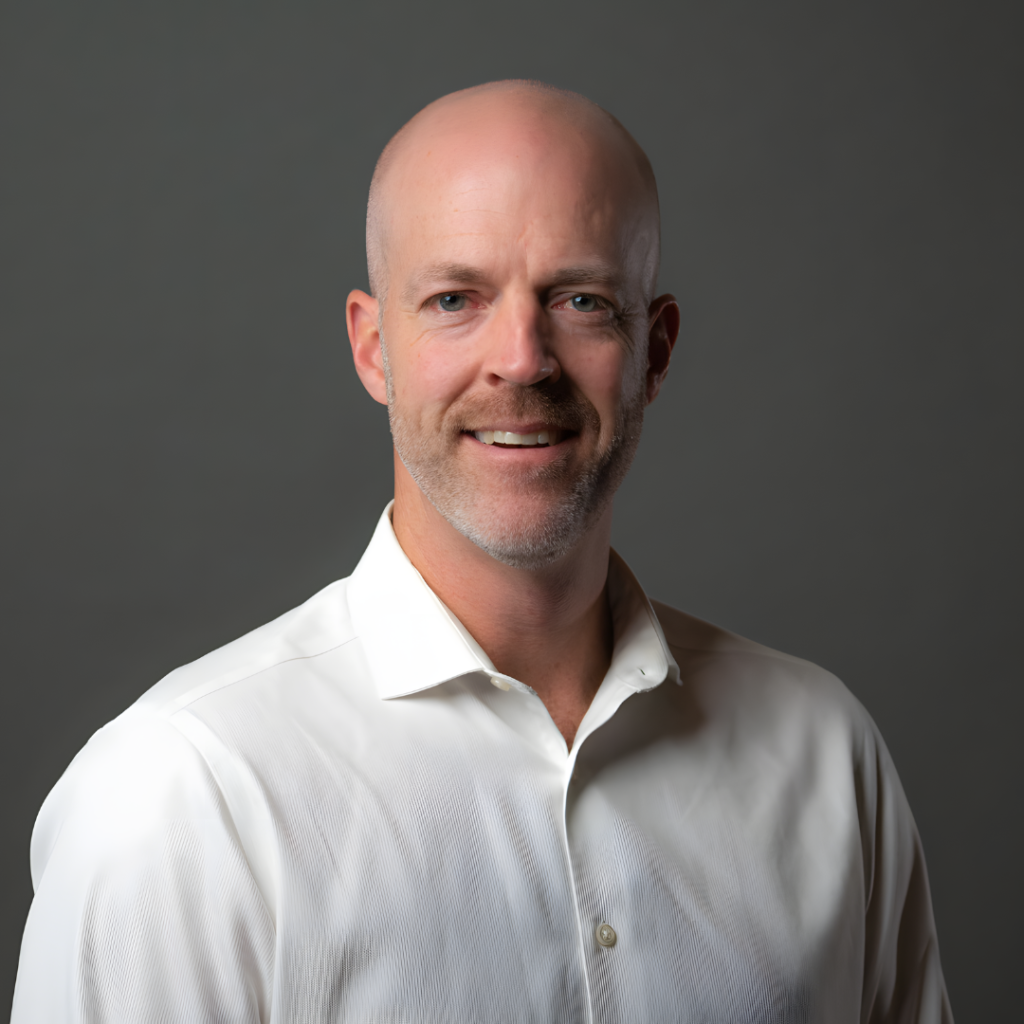
Cory Scheer covers Organizational Trust Playbook in this Marketer of the Day episode. Cory Scheer shows leaders how to make trust measurable so culture improves and performance rebounds. He argues trust sits upstream of the value proposition, amplifying or diminishing loyalty before usability, emotion, aesthetics, and rarity matter. In his framework, trust is built from competency, problem solving, and care for others, each equally required. Teams start by naming their organizational truth, then testing whether behaviors, policies, and leadership messages match that reality. He uses a qualitative audit or a proprietary trust assessment, reporting results by department and rolling them into an executive summary. The goal is a practical trust blueprint, usually 12 to 18 months, because quick fixes only widen the gap.
Trust and engagement aren’t things you can force—they have to be earned through consistency, transparency, and real connection. When employees feel unheard or undervalued, motivation fades, and productivity suffers. The key is creating an environment where people feel safe to share ideas, take initiative, and believe that their contributions matter. Organizations that prioritize open communication and genuine respect don’t just see better results—they build teams that are actually invested in the work they do.
Corey Sheer is the founder and CEO of TrustCentric Consulting, a company dedicated to helping leaders and organizations strengthen trust within their workplace culture. As an author, Corey has written the book “Closing the Trust Gap,” which provides a framework for measuring, understanding, and actively improving trust. Today, Corey discusses the importance of trust as the foundation for leadership, teamwork, and business success. Stay tuned!
Resource
- TrustCentric Consulting: Gain Clearer Focus and Strengthen Workplace Culture
- Connect with Cory Scheer on LinkedIn
- Get a copy of Closing the Trust Gap: Taking Action on What Matters Most for Leaders, Teams, and Organizations by Cory Scheer on Amazon
Podcast: Play in new window | Download (Duration: 30:29 — 42.1MB) | Embed
Subscribe: Apple Podcasts | Spotify | Amazon Music | iHeartRadio | Podchaser | RSS
Transcript
Download transcript (.txt)Hey, we're back on the podcast with Mr. Cory Scheer from trust centric consulting.com and his very excellent book, which you should go check out right now, is called closing the trust gap, taking action on what matters most for leaders, teams and organizations. And Cory is going to tell us how it begins with trust doesn't begin with value. Need to simplify even more than you might have thought. Trust is not just a soft skill, it's the foundation of leadership, teamwork and business success. By measuring, understanding and actively improving trust, organizations can close the gap, enhance workplace culture and drive long term success. So Cory, glad to be speaking with you.
Thank you so much, Robert. I'm really excited for the conversation today,
Excited as well. And you know, we we met, or we're reading just now, but I came across you because I wason LinkedIn, and you're one of those few authors that says, Well, hey, I'm going to give away some books. And you said, Hey, message me if you want a book. And I don't normally do that. And I know there's lots of authors who were like, Oh, do I really need to give them my book? And it's like, yes, it's your business card. Get the word out. You don't know what it leads to. And so got your book, read some of it, not all, but then it would that was kind of the the opening salvo of us talking here, and now we're here just to talk more about these leadership ideas, how to have trust, how to not have the superficial pizza parties, etc. So you know, we're introducing you a little bit, but in your own words, what are you all about?What has you super excited?
Yeah, Thanks, Robert. I appreciate the opportunity to chat. Super excited to be able to share a little bit about the work that I do. And you nailed it with your intro is very well set. So the work that I do full time, this is I started my company about four years ago, jumped in full time, burned the ships said I'm all in two years ago, literally wrote a number on my market board, and that number was the number that I needed to pay our bills. And like, if I don't hit this number by the end of this year, we're gonna have to figure out something different. And so, you know, there's kind of that moment of like, am I? Am I actually all in? And that was a couple of years ago, and very grateful that we were able to surpass that number, thankfully, pretty quickly. And then just last year was another good year, positive growth, good strong momentum, and then moving it now to 2025, that momentum is continuing, so I'm grateful for that. It's been a lot of work. I call it kind of rocket fuel energy required for those first couple of years. So it's been a tremendous amount of work, but primarily the core of my business is through my executive MBA, my doctoral program that I completed 10 years ago, I've really extended the research on workplace culture and organizational trust. And so I've taken all of my own research, my client research, the national research that I've done, as you alluded to, the book which I wrote about a year and a half ago, I've taken all of that and I've packaged it into various solutions where I'm able to walk alongside leaders and their teams and their organizations to help them really identify some of the gaps that they are experiencing, whether they can feel it or know it or sense it or not. So we utilize proprietary organizational trust assessment. In fact, I was on in a conversation this morning with a large company where we're getting ready to deploy it to all of their team members. We get the results back, we break it down by the department so we're able to look into the department areas, see if there are some opportunities to strengthen trust. And then, of course, we roll up all of that data and provide the formal Executive Summary Report for the executive team to look at. In addition to that, that's part of the consulting work that I do that typically is 12 to 18 months. And then I also have, I have a lot of opportunity to travel around the country and do keynote speak, speaking and workshops. And then I also am doing quite a bit of executive coaching, where I'm working one on one with these executive leaders to help them really understand some of the current dynamics that they're experiencing. And then the last thing is, I've got a kind of a slow growth intentionally, a slow growth revenue stream. That is, I have several people who I've now licensed some of my material to as well as the organizational trust assessment, and now they're using it as one of their tools and their tool kit in order to deepen their scope of work with current clients, or perhaps open up the door to some other potential prospective clients. So I provide some coaching support to them, some resources that I've developed, and then I licensed that material out to them, so there was no cost sharing or anything like that. It's a very simple model, but that's been fun to kind of, it's kind of like building the business within the business, because it represents, right now, a pretty small portion of my overall top line revenue, but it's, it's very, very energizing, and I love to be able to equip other like minded. Coaches and Consultants with doing some of the same work that I get to do,
very nice. We have a lot going on, in other words. And so, yeah, so you've, you, you've got these really cool solutions, and they're, you know, based around data and research and science, and you do the surveying, you do the the numbers, and you're saying, you apply this to, like, the whole organization, or one on one executive coaching, or you do the licensing. And so it sounds like you got just some some cool ideas here. And so like, what is the idea? What is this concept of closing the trust gap? And like, how do people know that it's a problem? Because it's one thing to say, well, the you know, the financials are on the decline, or we have turnover, but, like, those are just symptoms of their problems. So how does somebody know if they need your help in closing the trust gap?
Yeah, great question. So if they're not ready to do, like, the full quantitative assessment, if it's more qualitative or more observing, or where I'm doing a bit of an audit, so I have other resources and tools that I use. I've got a pretty extensive qualitative audit that I can walk through with a team. Also just, you know, they will, oftentimes executive teams or leaders, they will, they will share with me that they've just sensed maybe a lack of engagement with their team, or maybe they're seeing a lot of turnover, or perhaps they want their teams to be more advocates for the work that they're doing. They're not sensing a high level of enthusiasm or engagement or kind of buy in, or even creativity and innovation, and like all of these things, are kind of leading. They're it's leading the leader or the team to wanting more from their team and individuals and also the organization, and so it's it's something that is difficult for them to really identify what the true root cause is. But then the other thing that I I've observed, especially with a lot of my longer term clients, this work, really resonates with leaders and teams that find themselves at kind of a beginning point, whether they've had a fast growth period or maybe there's been a merger and an acquisition, or acquisition where maybe there's a brand new CEO that's come in. They want to create kind of a conversation and a dialog and a framework around what workplace culture and organizational trust needs to look like. And so the lexicon that I provide for them. The framework that I provide for them really helps them, because ultimately, kind of going into how you led into this conversation, you alluded to it how, you know, most companies, they try to improve their client experience, their internal experience, by improving the value proposition. And the value proposition. It was a term developed 4045 years ago. There are four primary components to a value proposition. We ask ourselves these questions. Number one, is it usable? Can I actually use whatever product or service or if I'm if I'm an employee, can I use what it is that I'm working on and working with here as a company? So is it usable? Is it esthetic? Do we want to be affiliated with it, connected to it? Is it something that we feel we we want to be in some way associated with that particular product or service or company? Is it so the next one says it usable. Is it esthetic? Is it emotional, and is it something where we feel like there's a strong emotional connection to the product or the service or the company that we are being loyal to. And then finally, is it rare? Can I find this same thing somewhere else? Or if not, then I'm going to spend more of my time, or as a customer, I'm going to spend more of my money. So we constantly are asking ourselves this question, is it worth it? Is it worth it to me, my time or my money, or a combination of both, what we know from the research, and this was the theoretical framework that I used. And then continue, I've continued to build this out in some additional ways, the value proposition is vital in order to get loyalty through a customer or an employer, an employee interaction that's vital. We know that to be true, but we also know is that upstream of the value proposition is this very critical concept of trust. And if there's no trust, or if there's low trust, what it does is it actually diminishes the value proposition, which diminishes the loyalty. Conversely, if we have a high level of trust, it's going to increase the value and increase the loyalty. So then the next question is, what are the main components of trust? How do you define it? Right? So trust is the firm belief and the truth of something, and truth is a critical part of the equation of trust. And the three building blocks of trust, quickly, number one is competency, technical project management, time management, fiscal management. Number two is problem solving, identifying problems, root cause analysis, critical thinking, all of those types of things. And then the third, critical building block, they're all equally important. The third one is demonstrating care for others. So this is listening at. Actively being open and honest, demonstrating empathy, demonstrating care for the needs of the whole person. So these three elements, these three core components of trust, as opposed to trust being like an ethereal, philosophical, you know, little bit out there type of a concept. What we're able to do is we can, number one, define it. We can create a framework around it. We can measure it. Then we can start identifying some of the gaps that are occurring within competency, problem solving and care for others. And then, of course, we can begin to develop a plan, which we call a trust blueprint, in order to move that that organization or that team or that leader into a better direction. And it's I love the work. When leaders and teams embrace it, it makes a gigantic difference. And now last, last thing I would share on that is there's no quick fixes. This is not a microwave strategy. This takes time. It takes time to affect workplace culture. It takes it takes time to shape workplace culture in a way that is more healthy and so definitely not a quick fix company. It's not what we're about. We're much more alongside where our goal is to help guide people through this process, and it's really an honor to be able to do
Well, very nice. Well, that's like five answers in one, right? Yet, you saved me the trouble of asking this, asking that. And it's a great idea, because, like, you always hear about companies kind of going through different phases, right? As you get to this size, you kind of have to, like, reconfigure. And I can definitely see how important it is to get the to get a get a better foundation, right? And like you said, some of these scenarios, like, maybe there's someone new in charge, running things, some new hire, or something's missing, or this could be more enthusiasm. So it's like, while you're on that rocket ship, just make sure that the people are aligned, because it seems like people are kind of tricky, right, like you, it would be great if we could just say, hey, here's the software, use it, right? Here's this training. Use it. But then you're saying, Well, you need to build that trust. That way, they kind of get the proper setup right, and that way they're kind of open to this, because if you just kind of charge right in, then they're not really like paying enough attention, or they don't really see how it affects them. So it makes a lot of sense why we need to be doing this. And I'm definitely getting a good feel of your mindset here, right? You're saying it's not just some foofy Doofy concept. You're saying it's based in real attributes. And here's how you can tell you have it similar to when you said, Well, hey, here's our need number, right? We need to hit this number. And if not, we'll do that. If yes, we'll do that. And that takes a lot of the emotion out of the equation, right? Like emotion, it's important a little bit to get you there, but not as the driver. And you have logic to say, hey, let's make sure we're making the right decision. And so now that we kind of we have somewhat of an idea of what you do and what you're all about. Podcasting is great for stories, isn't it? It's great to hear about, Hey man, here's where Cory went and jumped into this company, and here's the before, and here was the after, and here's how they got there. So does any sort of fun, like transformation success story, come to mind for you as far as just like humble bragging about how you work your magic?
Well, actually, as soon as you said that, the first thing I thought about was an engagement that I was a part of yesterday where I spent an entire day with the team. And one of the elements of this particular full day workshop was I asked them, and I, you know, kind of walk through this process where I we start to identify what they feel like their actual truth is as an organization, and that's an interesting question to ask somebody. So asking somebody individually, like, what is your truth, asking a team that question, what is your truth, then asking an organization, what is your truth? So what people typically say is, well, our mission is or our vision is, which. That's great. But the reality is, when we think about the truth of an organization, the truth of an organization is actually informed by all of those things. It's informed by your mission, it's informed by your vision. It's informed by your values, your principles, your behaviors, your shared commitments, your policies, your practices, your people. It's it's literally the truth that customers or employees experience on a day to day basis, and that truth can be affected greatly, as you said, by people. It can also be affected greatly by strategies or policies and procedures that are outdated. So all of these things help inform that organizations truth, right? And so because trust is the firm belief and the truth of something, if an organization is unclear on their truth, it becomes very, very difficult for an employee or a customer to really believe in that truth, because they've got multiple versions of the truth. So it's the two parts of the equation, belief and truth. Yes, and so it was very, very interesting to just go through this experience with the team. Within a few hours, we had kind of processed through all of the critical aspects of the things that really made their organization great, and then we're able to pull all of that together where their mission and their vision and their values were really informing who they actually are in terms of their truth, how they show up and then how people take action on that truth. This happened to be a nonprofit organization, and so this is where their program participants, they're leaning in and taking action on their truth. Their donors are giving more because they're taking action on their truth. So this level of clarity is critical, because now, now we're literally on the same page as an organization, as opposed to I have my version of the truth. This new leader has their new version of the truth. This person's been here for 20 years. They've got their version of the truth. When we are operating with multiple versions of the truth, we are literally operating in a state of delusion organizationally, and you do not trust in organizations that are delusional. You will not value it, and you will ultimately not be loyal to it. So it sounds so basic and simple, but when you really dig in and you challenge people, which is kind of my style is, I want to challenge them and make them feel unsettled in an appropriate, supportive, safe way, but to really try to shift the way that they think about this whole concept of trust, to say it is measurable, it is tangible, it's tactical, it's repeatable, and it's it's vital, it's absolutely crucial. Because when we don't have trust, we know that there are four primary areas that are affected greatly. Number one, revenue is affected. Number two, engagement is affected. Number three, advocacy is affected. And number four, loyalty is affected. Those are major KPIs that every executive team needs to be very mindful of.
Well, very cool, I can tell you. Thought this through. This is like TED Talk level stuff, right where you say, like, to cure these factors, and I'm, I'm still just trying to soak it all in. And I just, I like how I like this idea that there's there's truth and there's trust and the belief is in between, right? And, and it's basically like a cognitive dissonance problem, right? If one person, like believes two competing things, then they kind of won't be consistent. They'll say one thing and do another, they'll be delusional. And when you're talking about an organization where the different layers right the the person, the team, the organization, if, if they have like, mega cognitive dissonance, then how can you expect any of the vendors or customers or anyone else to, like, believe them, or to kind of be on the same page as them? So it makes perfect sense. And so when, when you jump into these organizations and you say, like, Hey, we've got this problem. Here's all these factors that are just kind of being weighed down by you not having the proper clarity, the proper simplification, you kind of do, do your surveys, you do your data, you kind of make your change, you educate people. Is there any pushback, or is there any kind of, like, I don't know, bump in the road sometimes when it comes to actually changing people or changing companies?
Oh, absolutely, that's one of the reasons, that's one of the reasons why that ongoing that alongside support is so critical, or at a minimum, making sure that we're that I'm equipping them, or that we're equipping them with the tools that they can replicate. And so this is where, in my consultative work they, you know, a lot of my clients, they'll renew because they want that kind of continued support. So maybe they've gotten the bigger issues kind of out on the table. They've worked through that, but now they're getting a little bit more specific with some of their challenges. You know, when I do workshops, what I always try to do is I want to make sure that the workshop that I'm providing for them is very contextual to their reality. So it's not what I call a sit, get and forget. We've all been in those types of workshops, so that's where I spend a lot of time, trying to implement the structure of trust, even in my discovery with the client. I want to be as competent as I can be. I want to help solve their problem, and I want to demonstrate care for them, and that I'm trying to literally live out the structure of trust, even when we're building the best possible solution for a client. So that's very, very important to me. It's, it's something that is, I don't want it to feel cookie cutter or the same. It has to feel like it is definitely going to help them. Otherwise, honestly, Robert, it's just a waste of time. It's a waste of time and money, and I don't want to be a part of that for them, that's that's something that would be irresponsible for me.
100% you're doing applying a little customization so that way you can get them to care and solve all their specific needs. And so this is a great conversation, but I will admit that a lot, some of it just go over my head, or I'm like, wait, I'm going to have to go back and when, when he broke down all these, like, four pillars and all this, I'm going to, like, really have to study that better. And so, because we just met, and I'm just learning some of these concepts, is there an interesting, missing, hidden, invisible question in our. Conversation that I should be asking you. I just don't know where to ask you,
you know, I think the biggest one is it's, I think we always have to dispel the myth that something like trust, which is a universal truth, that it cannot be measured. I think that that is a myth. I also would say this, you know, Simon Sinek is amazing. He he's created an incredible space with the start to why concept and all of that, which is great. But when people ask me kind of what I do, I tell them that we're not a why company. We're not a wh y company. It's not what we do. I don't need to convince people that trust is important or why it matters. We're a how company, that's what we do. So we spend the vast majority of our time talking about, how do you actually do it? And a lot of times it may seem simple and it may seem basic or elementary, but sometimes those critical, most basic functions of an organization are the things that get assumed, and that's where trust begins to break down. And so I guess the hidden part of this is that this is not about why trust is important. This is about how do you actually strengthen it? That's that's really the zone where we operate and we operate best in.
And I think that the, you know, this is the marketer or the day podcast, and one of the like, basic concepts in marketing is, like, the levels of awareness, right? Of like, well, if someone even, like, ready for you, and a lot of people, they miss that, right? They're just like, they jump in, and they just, they are there. They're not really, they don't know where their position. And so I think it's a lot of fun for you to say, Well, hey, here's what I'm all about, right? Here's how I differentiate. And if you're ready to to make a change, here about your trust. I'm here with the how component, and as far as the why, well, maybe you need to get yourself a little like, toughened up, or educators get to that level where you're ready for me, where you're a fit, where you're like, Okay, you know what? We know something's missing. We know something could be added. Let's contact Cory, and let's make a change. And so speaking of that, how does someone know if they're listening watching the podcast? How do they know if they're ready for you? Like, what are the prerequisites for them, reaching out, contacting you, having a discussion about this consultation?
Yeah, it's a great question. So I'm pulling my book up. This is kind of a field manual for me, so I'm going to share just an image, and one of the things that we had talked at the very beginning, even before we got on, kind of like a kind of a fun story, like something that was like an aha moment for me even, and for me, it was actually in the writing of this book. I I got to Chapter Three in my book, I hit a total runner's block, or, excuse me, a writer's block. And so I went on a run. And when I run, it kind of activates, you know, different thinking. And I even I run with my phone so I can take notes, because I'm always thinking about different things. And when I was running, I was, you know, I was thinking about the difference between the Venn diagram and then the biohazard symbol. And for whatever reason, I kept kind of toggling back and forth between these two images that they kind of look the same. I mean, there's, you know, three circles, and it's this kind of system, but obviously with a Venn diagram, that's where you're bringing in these three primary components. So in my mind, I was like, Okay, well, the three components are the building blocks of trust, competency, problem solving, care for others. When they come together. We know from the evidence, from the research, that when those three things come together, that is the nexus of trust. It's like, okay, that was good in my mind. And I'm running while I'm thinking about this, and then I started thinking about the Bio Hazard symbol, and it's that symbol that you see, and a bright orange sticker in the medical office on the trash can where it's got sharps containers in it, or you need to avoid it, or you don't want to walk into that room unless you've got the appropriate attire and training. And so I thought about how, you know, in in the in the Venn diagram, you've got this, these three circles that are self contained, and there's no break, there's no gaps in them, but the biohazard symbol, it looks like the Venn diagram, but there's these small little gaps, and it's the break in the system that literally creates that system going from a Venn diagram to a biohazard so like that moment on my run was Like the AHA. I came back and I shared that with my developmental editor, and she was like, Oh my gosh. Like, that's like, that's it right there. And so to your question, when somebody a leader or a team or an organization, when they truly need this type of work, is if they were to plot on that spectrum going from the Venn diagram of trustworthy to the biohazard symbol of toxic if they plotted close to the toxic symbol, or if they are plotted close to the trustworthy the Venn diagram. But their direction, their prevailing direction, right now, is moving towards toxic, and they need to figure out how to stop. Stop it and reverse course. That's exactly where we step in as a company.
I like that, that it's, it's not that far off, and it like, it doesn't, it doesn't take much to go bad or good, right? You can close up some of those gaps. You can make it work. And you're reminding me of when I was a kid, we had like these, like holographic baseball cards. We, you know, have different angles and one way, yes, like flowing the baseball. It's too bad they couldn't have made the cover. Like, one is the Venn diagram, one is the Biohazard, so you can see, like, just how, how subtle it is, you know, maybe second edition, right?
Yeah. Well, no, I'm literally, I'm writing my second book. So maybe I'll, I'll use that idea.
Oh, you're welcome. You got that idea here from Mr. Robert Plank. And so as far as some some next steps here, if someone says, Man, this book sounds amazing, it's something I need to to look at and figure out, like, what I don't know that I don't know, or they want to check out your website and make some contact. What are some next step resources here?
Yeah, super practical. If you want to buy the book, it's on Amazon, just look up the title, closing the trust gap. The other way to reach out to me. I'm active on LinkedIn, so just my LinkedIn profile, Cory, scheer, S, C, H, E, E, R, and then finally, my website, trustcentricconsulting.com, and there's a form that you can you know if you want to contact me, would love to connect, hop on a 30 minute zoom call. Learn more about how I can answer any questions that people have, or if they just want to chat a little bit more happy to do that. If somebody is ready to have a conversation around some of the solutions that we offer, of course, we'll do that as well. But yeah, those are the primary ways to reach out and to get a hold of me.
All right? Well, super awesome. You know, it's so easy to not take action, right? You watch a Youtube, listen to a podcast, and say, All right, I wrote down some notes, and then you put them in a box somewhere, and you dig it up six years later, and you're like, Well, what the heck was this? Why didn't I take action on this? So the solution for that is, if Cory really stuck with you, and you say, you know this guy, he's he's got some good ideas. I think he can help me in my organization, get the book, reach out to him. We said, That's trustcentricconsulting.com and then the book is closing the trust gap, taking action on what matters most for leaders, teams and organizations. This book has the power to help you transform trust from something that is commonly elusive to something that becomes tactical, tangible and transformational. And as people are heading there Cory, it's time to try to put you on the spot a little bit, try to stump you. It's the scary part of the show where we ask about All right, here we go. It's we're asking for a fun quote or lesson that has served you in life or in business that you're ready to pass on to us. So what comes to mind as far as a fun quote or lesson?
Well, I actually write about this. It was not fun at the time, but I can laugh at it now. I remember the Saturday after I completed my doctoral work, my dissertation, I was sitting down for a cup of coffee, and I felt a drip from the upstairs land on my leg, and I looked up at the ceiling, and there was this huge soiled water stain on the ceiling above me. And I ran upstairs, and what had happened was one of my young kids had clogged the toilet, and they kept flushing and flushing and flushing and flushing the night before, and that particular toilet had this very small leak in the toilet itself, in the actual water line. And so all night long, that subtle leak was not contained within the toilet. It was overflowing onto the bathroom, and then it went from the bathroom down the side of the wall down to the ceiling above the living room. And I will never forget that experience, because within two hours, we had a full remediation team in there. They ripped up the carpet, they tore out the ceiling, because this was water that was toxic and it was it was nasty water, and it just was a at the time, again, not a fun lesson. I did write about my book now I can laugh about it, but it's just that that whole idea, and you alluded to it earlier, in just a matter of seconds, things can change, and they can go from calm and peaceful to all of a sudden, you are in the midst of an emergency, and it does not take much. And so that that has really stuck with me as something and where my hope is that, when I walk alongside leaders and teams, that I'm able to equip them to prevent those types of things from happening within the context of their workplace culture.
Very wonderfully, said that that small leak can add up over time. And you know, maybe if you, if you the leak was somehow plugged beforehand, then you could have avoided that. And toxic water, there's your biohazard symbol right there. And so closing the trust gap, yeah. Cory Scheer and the website is trustcentricconsulting. Don't let this stuff slide. Take this seriously. Build trust in your organization. Mr. Cory. Shear from trust centric is here to help you, and thanks mr. Cory for stopping by educating us, giving us some fun stories. I really appreciate it.
Thank you very much. Robert. Appreciate it. All right.