Published Last updated
Read Chris Miles’s bio and speaker profile →
View in Podcast Library: stories, quotes, books, and resources in one place.
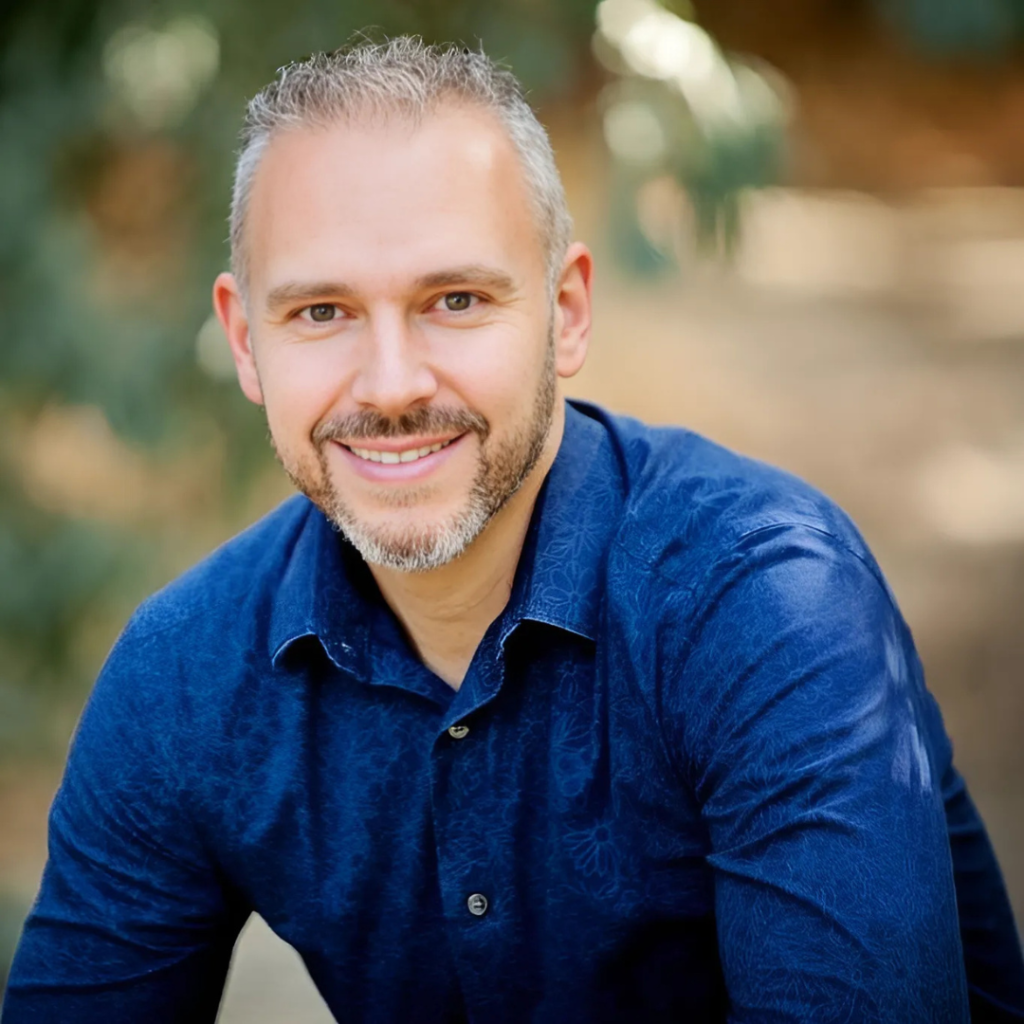
Chris Miles covers Cash Flow Freedom in this Marketer of the Day episode. Chris Miles explains how to reach financial freedom faster by building cash flow and passive income you can use now. He measures progress by money in versus money out, not net worth or a 30-40 year retirement forecast. Step 1, the "passive income launch pad," inventories where cash sits and tracks spending weekly with Rocket Money or Monarch. Step 2 plugs leaks by cutting subscriptions, refinancing or paying off the right debts, and lowering taxes for business owners. Step 3 places capital into vetted deals, like debt funds targeting 1% a month or real estate partnerships. Step 4 builds defense with entities and insurance, while Step 5 reinvests payouts to "compound income" and grow an "income avalanche," linked to $300 million in client cash flow gains and a goal of 1,000 families by 2030.
For many, money feels like a constant struggle—earned one day, gone the next, with no real progress in sight. Budgeting and saving help, but they often feel like a temporary fix rather than a real path to financial freedom. The problem isn’t just spending habits; it’s the way most people are taught to think about money, focusing on limitation rather than growth. When the usual advice leads to the same dead end, it’s worth asking if the system itself is built to keep people stuck.
Chris Miles, founder of Money Ripples, is a financial expert known for helping people achieve financial independence. Featured in US News and CNN Money, he has retired twice and eliminated over $1 million in debt without bankruptcy. As host of the Money Ripples podcast, he challenges conventional financial wisdom. Today, he shares his five-step process for creating passive income, explaining how to escape the savings trap and build lasting wealth through strategic cash flow management. Stay tuned!
Resources:
- Money Ripples | GET YOUR MONEY WORKING HARDER FOR YOU NOW!
- Follow Chris Miles on Facebook
- Connect with Chris Miles on LinkedIn
Podcast: Play in new window | Download (Duration: 38:23 — 53.6MB) | Embed
Subscribe: Apple Podcasts | Spotify | Amazon Music | iHeartRadio | Podchaser | RSS
Transcript
Download transcript (.txt)Hey, we're here and we're back. We have Mr. Chris miles from money ripples.com, the cash flow expert and the anti financial advisor. Chris, I think you're like, the fourth time you've been on this show, like four time guests. It's like Saturday live Night Live, right? There's the four timers club. Now, Chris has used his knowledge, not once but twice, to become financially independent, where his passive income exceeded his expenses. He's paid off $1 million in debt after the last recession without filing bankruptcy. Chris has been featured on US News, CNN, money, entrepreneurs on fire, bigger pockets. He has a proven reputation to get his clients fast financial results. We'll find out from the man, the myth, the legend, the expert right now today about how he left his career as a traditional financial advisor. He's retired twice. He's differed from Rich Dad Poor Dad. He's got over out of over $1 million in debt and so much more. So Mr. Chris, glad to see with, see you and meet with you again,
absolutely. Man, yeah, I can't believe it. Yeah, Saturday Night Live, and that's is, like an honor, if you can be on like, four times, you know? So I think that's been, what, four times in about 10 years I've been on here, right?
Yeah, it's not like, you're like, always knocking on the door. It's just we keep coming across each other, and I'm always impressed with, I don't know what you'd call it, there's like, your time management's one thing, but I find that like, you take the time to socialize and be nice to people. I'll remember for the rest of my life. I was in Utah, and we had lunch together, and then sometimes we just catch up, and I'm like, Man, this guy, he's got, I think we have eight kids right at different schools, and even when we can reconnect every few years and we message, I'm like, man, he remembers exactly who I am. So I aspire to get somewhere close to that level of of gregariousness and kind of being a people person. I'm really impressed by that.
You know, I've got plenty of kids to share with you if you want some more. I mean, I'm willing to share that wealth. Yeah,
well, I'm a one and done. I'm all about just that singular focus and and try to get it right the first time. And if not, then, you know, back off and adjust. And so what have you went up to? I know, like you're just, you're crazy with the money and a good way and helping people and just growing your business. So what is there to currently be excited about and humble brag about?
You know, I think the biggest humble brag is, you mentioned, of course, the fact I was able to retire twice, be financially independent twice. I mean, that's definitely a big brag. But I think the bigger brag is the fact that it's not just me. I mean, the fact that we've had, literally, like so many clients, hundreds of clients, improve their cash flow by over $300 million in the last 15 years. I mean, really, just getting down to the point we have a proven system to do it time and time again, including creating financially independent families. And that's where we are really on. Our goal, our vision for is that having 1000 financial, independent families by 2030 you know, and so that's the ripple effect, you know, of money ripples, right? That's the thing that we're really trying to do is, you know, as you prosper more financially, you're able to create a greater ripple effect through the lives of others. You can bless more lives because you have more money, more resource, more ability to really create a magnifier of your soul and your desires and your dreams
very nice, and they call that abundance right where it's not just about you. You improve your family, and you help others and other lives are improved, and you're just creating this positive force in the world that keeps going out there. And you know this whole thing about money? I know that when we first met 10 years ago, I was very afraid of it, and it's still something to work on, but I'm definitely less afraid of I know that back then, if a bill came in the mail, I would just let it sit and I would just, I would let it just mess with me for weeks on end, until I finally opened it up and I was like, Hey, what is there to worry about? I would look down on people that discussed money regularly because some people are greedy, and some people it is all about money for them. But I have, since the last 10 years, I found the value in just like revisiting money for the very kind of hard life lesson that if you ignore money, then money will ignore you, right? If you say, Oh, well, I will. I don't care about retirement, and I can't take it with you, then you'll be struggling for money your whole life. So there's definitely a little bit of a nuance to it, isn't there of like being obsessed with money to a healthy amount that it can serve you and serve others. Because if you tell yourself these stories, if you have this self sabotage, then you just won't have it. And we all need money to live.
That's, right? It's one of those things that's like, air, right? We need it. We know we need it. Most of us never even worry about if we have enough of it, because we never feel that scarcity. But with money, it's so much different, isn't it? Like, right? When you feel that scarcity, you start to, you know, create different stories. And a lot of. These stories come from, from childhood. I had the same ones. I mean, I was always raised, but by my dad that, you know, we can't afford this. Well, you think I am made of money. Money doesn't grow on trees, you know, you know, or even seeing things like, you know, I give up that Corvette to have you kids, you know, that kind of stuff, right? I would hear that growing up. So I was raising that scarcity mentality. But that scarcity mentality doesn't serve us any good you know, it doesn't help us create the life of abundance. And ultimately, you want to be more abundant. You want to be rich. Because if you're a good person, now, if you're a bad person, we don't want you to be rich. But if you're a great person or a good person, you have a good heart, you do care about people. You want the world to be a better place, giving you more money you be able to earn and create more money in this in this life right now, is a good thing, and you should desire that. You should desire it. It's like the book The Science of Getting Rich by Wallace Wattles, right? You should desire to be rich, because being rich for a good person, the hands of a good person and a wise steward, is an amazing tool. And that's all money is. It's just a tool. It's temporary. We can't take it with us, which is true, but whatever we do with it in the in the meantime is stewardship, and what are we gonna do with that stewardship? Are we gonna make the world a better place, or we can make it a worse place? In the meantime,
we should make it a better place, and it won't happen by accident. And what you're just saying here, of like, what to do after you get the money? Like, I find that really powerful. Like, I was listening maybe, like, 15 years ago, there was some audio book by Bill Clinton, of all people, and he was talking about all the things they do in Africa with, like, these low micro finances. They do these, like, $50 loans to help someone, like, raise a chicken farm. And it goes such a long way. And it was just such a cool perspective, right? Because it's really, I don't know, it's kind of discouraging when you think about, like, if you ever do those Google searches of like, Okay, $500 today, what was that worth? Even in like, not Never mind like 1970 but like, in 2000 you're like, Whoa. Like, the dollars really changed that much. And sometimes it feels like the numeric value of money, it is just hard to imagine. When you're like, Oh my gosh. Like, all this stuff is overpriced, right? Eggs cost, whatever this, whatever amount it is this month, it hurts your brain a little bit. But just this idea of like, okay, who will I help? And I know that you a lot of us have fun ragging on Dave Ramsey, right? Because he's like, kind of a hard kind of, kind of mean guy, but a lot of what he says does make sense. And when you get to, like, baby step seven, it's like, hey, now what will you do? Once you've done some of this delayed gratification, you've done some smart money moves, whatever they are, for your plan, then you can, kind of, now it can all be worthwhile. And it's like, All right, cool. So I'm not just Scrooge McDuck. I'm not just, you know, accumulating all this stuff, I'll put it to good use. And so we want to get there, right? We want to have our goal and get there to help other people. And so what is this plan you mentioned, how like, you've changed all these lives. Is there an easy way to, like, understand the basics of it on this podcast?
It really is. I mean, you mentioned the baby step number seven of Dave Ramsey, I mean, that comes after not just budgeting and emergency fund and paying off all your debt and then stuffing money your retirement account and then paying off your house, and then paying cash only if you're gonna buy real estate, right, and you're trying to build this all up, and then finally, at that point, you can now give money away. What if you could do it a lot faster? What if you could actually not wait 3040, years and see whether you have enough money to do it yet or not anyways, but you guys should do it maybe in like, less than 10, and that's kind of what sounds great, right? I mean, that's because the problem is this, is that so many people rely on stock markets, but stock markets, I mean, I already lost, you know, other data that's recording like eight plus percent, you know, in just a month, you know, I mean, that can affect people's lives dramatically. What if that dropped 50% which I actually do predict the market will do at some point here in the near future, so you could lose half your money. It's in the stock market, right? So there's all these things that we have. We have, like, you said, inflation, that's going crazy. We've got all these issues. And I get it like, I've been broke, I've been broker than broke. I was over a million dollars in debt. You know, you mentioned about, like, not want to open bills. I didn't. I not only did not open bills, I didn't open up the collection letters. I refused the collection calls. I was totally ignoring everything because I was so stressed and wondering what to do my life at one point, you know. And I mean even that, right? My I remember my wife even said she's like, man, you know, like, maybe just till you figure stuff out. I'm going to move into my sister's basement with our kids, and then you just figure figure out whatever you got to figure out to get us out of this hole. And no, you moving out of the house is not going to help me feel better. I'll just feel more like a I already feel bad as a provider and a protector right now. That would just make me feel worse. I would feel like now I'm on my own, no support, no love, no help, like all alone and and so I get what it's like, and this is why I realized that the number one key to financial freedom is not about how big your accounts are. It's not even about, you know, whether or not you got a nice little retirement account. It's all about cash flow, how much money is coming in versus what's going out. And the good news is you don't have to live on rice and beans to do it, you know, because some people tell you just gotta minimize your lifestyle, basically cut out all the people out of your life. Just be as cheap as possible, and then someday, when you have enough money, then you can invite them back in. The problem is, most people spend decades being cheap. Do you think they just turn off a switch and be like, Oh, now I can finally live free? That never happens. People don't do that. People don't change like that. They those that go cheap for decades create a habit of remaining cheap the rest of their lives, right? And then they don't ever change. They don't ever enjoy that freedom. They never feel like it's enough. And so the key is you have to become a wise steward of your money. You're not a spender, you're not blowing money, but you're also not a saver. Where you hoard money. It's about being a steward. Is, how do I create the highest and best use of the money I'm given? How do I create more cash flow? How do I create more money now it's about present planning, not future planning, right? As everybody keeps talking about plan for your future retirement, 3040, years. What about now? You notice that nobody really talks about today, and so that's the five step process we address. Because, again, we focus on that cash flow. What actually makes a difference in your life today? Not Hey, you know what? 20 years, I'm gonna be debt free. Who gives a crap? You might even be alive. In 20 years, what can you do right now to benefit your family? Oh, man, I put money in my 401 K I'm getting the match. You know, in 40 years, I'm gonna have a couple million dollars. Who gives a crap? You may not be alive. And you know what, you're just taking money away from your family to where you could be enjoying time with them now, and you don't, because you keep putting away for 40 years from now. And that's if it works. And I'll tell you the reason it doesn't work because my dad was one of those people. My dad actually, you know, he, uh, he was the guy that was a penny piggy saver, right? Remember, he couldn't afford anything. He taught me to spend nothing, save everything, and sacrifice for later. Well, when I sat down with him, when I was a trade financial advisor, this was 20 years ago, I sat down with him, I looked at his all of his numbers. He's like, Chris, I'm 61 years old. I've already had heart attacks and strokes. I want to be I want to get out of this job at some point, because it's killing me, literally killing me. What do I need to do? And I said, Dad, you're debt free. You paid off your house. You did everything that Dave Ramsey would teach your stuff, money or 401, k Got the match. But the problem is, Dad, if you want to retire today, you're gonna have to die in about five years, because that's when you're gonna run out of money. Okay, what do I do? I don't know. You did everything, right, you know? And this is when I eventually quit being a financial advisor. I realized I was a liar and receiver, because it wasn't just him, even though he was the model example of what you're supposed to what you're supposed to do, but everybody else that were savers like him were could not slave and save enough my dad to work into his 70s before he finally was forced in retirement due to health reasons, and now he's been stretching out his dollars into his 80s as long as he can. Right? He's not living life. He's alive, but he's not living and that's what we're seeing over and over and so you got to focus on passive income and cash flow control, right? Be able to manage that cash flow and create more passive income where you get to the point where you're work, optionally work because you want to, like, because you have to. So step one, right? Step one is what I call, really the in the passive income launch pad. You got to really assess where you are, like, what do you have? What's going on your situation? How much money is actually liquid and available, not trapped in your company for 1k if you're, if you work for a company, right? If you're, by the way, if you work for a company, you lock away in a four. 1k it's in prison. You cannot get it out. You cannot jail. Break it unless you get fired or quit or change jobs or something, which I don't recommend you do. Okay, so lock your money away in 401 K's lock your money away into home equity does nothing for you. That's nothing until you have a fully paid off house. Your your mortgage payment is gonna be the same forever, right? And so stop doing that. Stop lock your money way into prison and figure out where is it liquid. And so we gotta one, start tracking your money. Figure out, like, how much money is coming in, how much money is going out. Use tools like rocket money, monarch, something like that, to track, at least on a weekly basis, what's going on with your money, what's going what's going out? Yeah, I'll tell you. Like if you ignore it, you you mentioned this before, whatever you pay attention to will grow and expand, but whatever you ignore will leave you. You ignore your teeth, they'll leave you. Ignore your spouse, they'll leave you. And if you ignore your money, it'll leave you too. And so you've got to start paying attention. You know, it's interesting. My wife actually asked me, just yesterday, she called out, like, right after I recorded another interview like this, she says, Hey, Chris, did you spend this much on on, on this particular company? I was like, No, I didn't. It's like, Well, you got to charge for it, for like, 150 bucks. You might want to check that out. I was like, oh, that's possible fraud. You know? It's like, if that happens, we got to make sure that that's compromised. Cut it, you know. So, so those kind of things happen, you got to be careful. So track your money, but also know where you are too. What available money is cash? What's liquid Do you have? Do you have? Maybe other rental properties. Are they paying you enough rent? Is there equity as property? We might be able to sell them and make more cash. More cash flow with it. You know, do you have money sitting in savings, doing nothing? You have money. Even some people have life insurance, right? Like cash in there that they didn't even know they had, that they could be using, right? All those kind of things. You know, old for one case, IRAs Roth, IRAs, where's all that? That's step one is, i. Identifying all the potential and where you're at. Then step two is you start to explore opportunities. So one, you get in cash flow under control, right? And you're starting to see the opportunities. And then, and by the way, when you get in cash and control, it means cutting out things that maybe don't serve you anymore. This could be cutting out subscriptions. This could be doing things like, maybe we do pay off certain debts or loans, you know, things like that, you know, or can we reduce your tax burden, especially if you're a business owner, I guarantee it, you're overpaying on taxes if you're a business owner. Is that we find it every time you know. So are there things we can do to reduce taxes, right? So you keep more money your pocket, and then two, we explore opportunities that take your liquid cash and do something with it, right? What do we what can we do with that money, you know? And you start looking opportunities. That's one thing we do with our clients. We actually have clients. We actually have, we have curated people already deal operators in like the real estate space and business space and places like this, where you could legitimately be a passive investor, where you offer the money, but then they pay your returns. Like, for example, I have, I have one friend that he's been doing this for like, 30 years. He has a debt fund, right? Meaning that they loan out money to various real estate investors to kind of diversify, and they'll pay you 1% a month. That means, if you have $100,000 you get paid $1,000 a month. You know, we've had clients that have sometimes a million dollars. They're like, Wow, I'm making over 100 grand a year passively, because I've got this cash that can now do something with. Do you know how many times I've had people say, Man, I followed Dave Ramsey's advice to a T. I now I'm worth a couple million dollars. I was like, well, that's great. How much cash flow you're earning, how much passive income you're getting, zero, Chris, that's why we're talking like, I'm literally, like, I have to keep working. There's no stop to this, like, where's the madness? When does the madness end? You know, like, I can only get so cheap for so long. But I want to enjoy life too. I want to go see my kids and my grandkids. I want to do something. I want to I'm still an active person. I have my life ahead of me. I want to still do this stuff, and all I have is this net worth, and it's worthless to me until it actually creates income. And so that's where we turn it around, right? So that's why you explore these opportunities. Like, who are those people we can go to that have good experience, have been doing this for at least, I'd say, 15 plus years, and can actually consistently have a good track record of paying people back, including you, ideally, right? By the way, that doesn't just mean I buy rentals my backyard. I buy rentals where somebody else manages across the country, I even have to look at the property, right? You know, I do stuff like that. You know, I've got money I can put into like, different deals. I can put into a car wash business, where, again, I go into shared ownership with that. I pull my money with other investors. I can pull my money with other investors to buy self storage units or apartment buildings, or Amazon industrial complexes or things like that. I can pull, I can actually, I've actually I've actually used my money and go in a partnership to buy into raw land. I've spent a half million dollars that now has kicked off over 13,000 a month. Passively, I do nothing. They do all the work. And so you start to look at those opportunities and explore them, and then you finally go and make the deal, which is the third phase, right? So one, we have the launch pad, figure out where we are, how we get cash flow under control, and get our burn rate down a little bit right, so that we can figure out what it takes to be financially independent to explore those deals. Three, then you make the deal, you then you actually commit that money do it. Four is, in the meantime, while you're doing that, start protecting yourself, because you know defense, you need defense for good offense. Tom Brady would not be Tom Brady if he had not had a good defense, right, a good offensive line to protect him. Otherwise, nobody heard of Tom Brady because he had been on the injured reserve list from getting beat up so often by getting sacked all the time. So no we hear about Tom Brady because he's got a good defense. What's your defense? How do you make sure you have the right corporations in place for your business and or your investments? How do you make sure you have taxes under control? How do you make sure you have, you know, the right health insurance, disability insurance, long term care, life insurance, all those things in place to protect you and your family, protect you as the producer, the creator, of your income, so that no one event can wipe all your wealth away. And then the fifth thing is, is my favorite, which is the income avalanche, right? So now you're starting to build that passive income. You got the deals you've already made, the deals you made, the deals, you got your assets protected. You're building the moat around your castle, so to speak. Right now, you let that passive income grow to the point that you can take it and reinvest it again. Instead of focusing on compounding interest, we focus on compounding income. And then that's where you start to get those deals like as they pay out, take that cash, reinvest it again, and do it again, you know. So like, for example, had somebody where they had, you know, $600,000 to invest. It was kicking off about a little over about 65 grand a year. Well, the next year, they took that 65 grand that they made, invested that, and that kicked it up over seven grand a year, which, by the way, their goal was to get over six grand a month. So they actually, just after a few years, they're like, whoa, I'm there. I'm actually financially free. I'm actually financially independent. I can actually quit my job right now if I wanted, or I can just keep working. Everything I'm making is gravy, and I'm throwing that with my income, you know, and then using that to keep reinvesting and just build up that passive income. Even bigger, I had one client. From 2018 his goal was 6500 a month. Then now his goal is 14,000 a month. He just told me last month. I was like, man, inflation was sucky with you. It must be those eggs, huh? And he's like, No, I just wanted more lifestyle. And so we're like, cool. Where are you at 13,000 a month? Because he's, again, income avalanche. He's been reinvesting that money. And then I said, Well, hey, you got 50,000 bucks. You got this raw land and partnership. 50,000 will actually generate about 1100 a month for you. That will push you up over the 14,000 a month and then just the next few months. Like, maybe you should look at that. And so he did, right? And so he's, like, cool, now I'm going to 14,000 a month. And by the way, he's, he's only, like, about 50 years old. Like, the guy's not like he's ancient. He's still got much of his life ahead of him, still hopefully, right? But he definitely still has the health and the youth to be able to do what he wants. That's the power of this. That's why you don't have to wait 4050, years, like my dad did, only to find out, Oh yeah, I worked for 50 years to then hopefully live on 10. That's That's ridiculous,
right? I agree. And it seems like the sort of the advice of, like, you know, reduce your your monthly nut and, and, you know, be a saver and all that, that's great, but it seems to be like, only one component, right? Like the cash flows, another part of component. And I love the these five steps you lay that here, because it seems like, but I think that's like, similar to, like, what got me excited about the the Dave Ramsey stuff, because, right? We always hear about someone's, like, general overall plan, and then you hear about the pieces. And what got me excited about him was, like, he's like, you know, step one, you do this, and it's kind of this approach, and then once you solve that step two, you do that. There's that approach, and similar to yours, right? It's like, if you're building a house, well, you're going to use a saw at one point a paintbrush, at one point, a hammer and a nail. It's like, if you're just a one note person, then you're going to have that, that sort of Great Depression syndrome mindset passed down from your parents grandparents, where you just you pinch over your penny, and that gets you by for one little leg of the plan. But it's important to be dynamic and to say, hey, here's my goal, and here's this, the tool, the hammer, or the paint brush or whatever. That inches me along there. But then when it's time to maybe take more of a risk or to think about I hit this goal, now hit the next goal. Now we have to kind of change our tune a little bit and do something a little better. And so I love everything that you're saying here. I love your enthusiasm, your energy, the storytelling. It gets us excited about it as well, right? Because it's like, if we go to a one of those dreaded financial advisors, they geek out on the numbers. We don't like it if we kind of get trapped on our own thinking it's negative by default. If we talk to the friend, the neighbor down the street, it's probably not what we want on to be on the right track. And so you've got these amazing success stories here, Mr. Chris, you got these students, and is there like, a common success factor in them? Are they all like, good with the goal setting or the discipline, or, like, the accountability, like, Why do you think the best people who succeed on your plan? Do succeed with it?
Well, the first thing is, really that the shift that mindset, you remember I mentioned about, like, instead, we're about compounding interest compound income, right? That's a very different mindset, going from that accumulation mindset, really, most people are trained to be like savers, like squirrels, right? Just Hoard and hoard as many nuts as you can till that winter of retirement, hoping that the winter doesn't go too long and you starve to death, right? That's how people live life. I love switching those people out of that. You know, whether they're business owners and business owners. I mean, it's even better, because we have so many different ways improve cash flow and different stuff. But even people are w2 like middle managers and people like that, where they're like, they make good money, but they're like, how do I get this money to start paying me instead of me? Have to keep working hard for money, right? How do I get my money work harder instead? And that's and that's the common thing, that people are willing to be open. They're not just like, close money thinking, you know, oh, the SP 500 that's the way to go, right? Because it usually takes somebody that, you know, our age, right, Gen Xers, or maybe older millennials, and the latter, the earlier part of millennials, I've noticed that they're kind of like, wait a minute, I'm starting to wake up to reality. All this stuff like you mentioned, like financial advisors punching out numbers in the calculator. That looks great in a calculator, but does it translate to real life? And the answer is, 100% of time, no, it doesn't. Not to mention, if you've only been investing for last 10 years or so, you think the stock market always goes up. You've never seen a down market in the last 1516, years, other than one year, right? By the way, stock market usually goes down for two years after every five up years, right? So think about it, we're like, we're behind about three to four down years of a market cycle. That's how far behind we are right now. That's why you're seeing the market certainly be like, Oh, maybe I don't want to go up anymore, because it's like, it's already run out of steam. And so some people are going to have a harsh reality. The most intelligent people I noticed, the ones that say. I see it like I get it and I need to make change now, in fact, look, my stocks are almost at all time highs. My Bitcoin has been all time highs, except for the last month or so, right? Gold has gone up a lot like so they're like realizing, like, wait, I could cash in my chips. Now, what if I were to move into a place that I can now generate passive income rather than doing what the average person does. They wait a couple years after the market crashes, and then they say, All right, I'm sick of the market, right when the market's gonna start going back up again, I'm sick of it. Now, give me something, but I'm like, Well, now you have half of what you just had a few years ago. You know, we could do it, but what if you had just done this a few years back? You'd be like, a hero right now, you'd be like, No singing your people would be singing the praises on your street, being like, Dude, you're so smart, you're amazing. It's like, No, I was just, I was just had foresight. I had the $4 to say, You know what, I'm not gonna wait. This is the time to act. And I saw that happen. I saw that happen in, mean, 2000 going, 2009 1011, man. We had hundreds of people hire us to do stuff with helping them with cash flow, but they had to get their butts kicked for two years before they did it, you know. But there was some smarter ones that were doctors said, Let's do this. This makes sense. I want pass income now, and I know that the time, the time, is the only thing I have right now. It's my best friend, or could be my worst enemy, depending on what I do today.
Yeah, that's beautiful, and that definitely shows the value in being proactive instead of reactive. You go to where the hockey puck will be, and especially with business owners, I'm always so impressed with the ones that really have their numbers, numbers dialed in, and they do the forecasting, and instead of waiting until last minute. They do their financials every month, if not in real time. And those kind of situations where, if ATIS says, hey, you know, we got this $150 thing, let me text Chris, because we're that on the ball. And it doesn't mean that we're greedy or doesn't mean that we're gullible or get distracted. It just means that we, you know, we're, we're, we're making sure that we're doing the right things now to set up our future. And lag time really is kind of a a tricky situation, isn't it? Mr. Chris, especially for a small business owner, because, like, you know, you and I both, we're both aggressive marketers, I think, right, we say, Hey, I've got to put out the YouTube and the content and the networking and a lot of times like you with the lag time. You say, Well, let me, like, generate all these leads. Let me talk to all these people. Let me do all this work following up. Oh, well, I'm not getting any results. I'll just quit. And then the follow up, then works. And you say, Well, hey, why is it that when I stopped trying I got results, the money came in? Well, it's not the negative correlation. It's not that not working equals money. It's that there was, like a delay. We weren't where scope wasn't big enough, right? Weren't looking at the big picture. So you're saying that your best students, they're open to new ideas, and they get ahead of their problems. They don't let things get bad, and then they have to play catch up. And so in our last few minutes of our discussion here, Mr. Chris, I'm really curious about like, what surprised you? Because, like you said, you experienced all this stuff, right? You've had all these kinds of lifetimes, careers help people, and you dealt with this, this real beast called Money, where, like you, we're always fighting it. There's all this emotional baggage. But as far as, like, your own journey, especially last couple years, like, what's really shocked and surprised you with money, wealth, building people business, just what's, you know, what? What's really knocked you out?
What shocked me the last few years, I would, I would say that I'm always amazed how much media gets in the way. Right? I mean, there's so much information, there's so much media, even between Insta, Instagram, Tiktok, YouTube, news, stations and channels, and they're also being posted and blasted across social media. There are so much noise out there right now, and all that noise does is slow you down. That's all it does. You would think, I mean, especially with all the fear mongering, it would actually get people moving and doing something. But no, it has the opposite effect. People freeze. People don't do anything. And that's the most dangerous thing I one thing I've told my clients over and over is like, you know, if you want to be happy, turn off the news. Turn off Fox News, turn off. CNN, turn off all that crap. Because the truth is, it's all crap, all of it, right? It's all just a distraction from keeping you be able be prosperous in your own life, not to mention more happy. I've got clients that right now. That one even told me he's like, Yeah, I've got two and a half million sitting on the sidelines right now. I'm not sure what to do. And then he's talking about, like, oh, I don't know about Doge and Elon Musk. I mean, like, it's criminal he's doing and with Trump and this and this, I'm like, give us a crap about them. You realize this has all been speculation. Nothing has been done. Hardly anything has been enacted so far. Now, Trump will say he's done a lot of stuff, but the truth is, he hasn't done nearly as much as what he talks about doing, right and so and it doesn't affect your day to day life, nothing has changed for you, nothing right, but your response, your emotions. Response is making a difference in your life. It is creating the life that you have. And so I tell people like, like, disconnect, get away from that quiet, quiet the voices around you, quiet your mind. You'll realize it's actually simpler and way easier, and there's more hope to create financial freedom than you've ever realized. And that's why I told him. I was like, dude, like, there's so many options for you that right now you can be pulling the trigger on but because other people are watching news stations, you actually have an opportunity because they're getting distracted by all the noise. They're not seeing the opportunities right beneath their feet that they could, like, just literally pick up and run with. And you've got that right now. There are literally opportunities right now investing opportunities that even myself, you know, Chris miles doesn't have enough money to put them all into because there's just so much opportunity right now. So there's an abundance of it. Turn that stuff off. Get out of the scarcity mongering that they use to keep you hooked and like a freaking heroin addict, instead, get out there and do something with it.
Very nice. And it is counterintuitive, isn't it? You think that, well, I'm, I'm being informed of being plugged in, but it's like, You're being so over informed, all this conflicting stuff that it's just causing the analysis paralysis and the fear and and it is a tough addiction to break right the the news cycle, and this always getting the information, and it's tricky, because you're like, hey, it's not, It's not drugs or coffee or video games. It's like some other kind of addiction, and, oh, it's so harmless. Well, is it that harmless if it prevents you from taking action, if it's messing you with your money? And it's like, yeah, it's it's so tough to break it. But when you hear like, the reassurance of someone saying, like, Well, if the the world, if a nuclear bomb goes off, like that news will filter its way to you, even if don't worry, like we're so connected, even if you don't watch the news like you still, you still do hear about little tidbits here and there, so it will make it and I think something that really helped me, like, a bunch of decades ago, Chris was not having live TV, and you know now there's streaming in the apps. So it's like, I still get my entertainment, I still get my distraction, but just not having the channel flipping, just a little tweak like that. It's just helped so much, right? To cut down on all the noise and all these things that distract us and stop us from our goals, right? We join your your club. We figure out a plan. You figure out that strategy, but all these things are just kind of these, all these little like, you know, bullets being fired at us, kind of dinging and Denning us, getting us off track from where we should be. And so we don't want that, but we do want to take control over our future and be brave and act with courage and help out our family and be smart and help out others, and all those other wonderful things. And so how can you help us do that? Right? The whole reason you're here, and the reason why you do the videos and you're on so many podcasts is to get people aware about money ripples and what you do. And so how can someone take some next steps with you? What's the call to action?
Well, that's the one problem that everybody has, especially as business owners, is that they always, I had one business owner tell me, he's like, you know, Chris, the only issue is, like, sometimes just easier to throw my money in the stock market, because I just don't think about it. And I said, Well, passive income, it does not mean passive thinking, you know, like throwing your money into the stock market. Well, what happens if it goes down? Well, then I lose money, right? That hard earned money you made in your business. So why would you throw it there? You might as well just throw in your business, but then you'll be a trap to your business too. He's like, Well, yeah, so I just want to do the thing that does make me think, like, this is why we exist. It's so much easier than you think it is. You don't have to become a financial genius or investing genius to take away and detract from your business, right? You could actually do this with knowing just a few simple things. And of course, that's what we do. We help, help you strategize one on one, like an actual white glove game plan that we help create with you, and then we connect you with those deals. You know, again, Europe, it's up to you. We're not investment advisors. We don't tell you what to do, but we connect you to those people that we've vetted, really, for me, over the last 20 years, right? And so it doesn't mean that it's guaranteed, but it does mean that this saves you so much time, saves you so much energy, and trying to become an expert, because we help you really create a shortcut to that. It's almost like a wormhole in space, right? It's that little, you know, full that space, time fabric, you know, to the point where you get there faster. And that's exactly what we're doing. We're just getting you there faster, so you don't have to take all your time and energy and attention away from your business or from what's making money right now, and instead, get you to start creating multiple streams of passive income so you can actually buy your time back.
And that's what we want. And it seems to take a lot of the the stress and uncertainty out of it, right? If you have a team, you have more brains working on the problem to make some of these tough decisions, if you're if you're jumping into it and you haven't done this, it can be scary, and that's why we need to do some of these things and and take some action and get your help. And so is money ripples.com place to go.
It sure is at money ripples.com you can check out our money ripples podcast, or you can even just check out at. Any ripples on any social media?
Very nice, well, very interesting and very exciting, especially with us getting a better mindset about our money and about our future and acting smartly and money ripples.com is that hub where you can find out about that program, find out about that podcast before I let you go, Mr. Chris, it's I know that you are a seasoned podcast, veteran Pro, and you're used to thinking on your feet, and that's why it's the scary part of the show where I try to stump you or try to put you on the spot by asking you about a fun or interesting quote or lesson that has served you in the past that you can pass on to us and create that ripple effect. So what comes to mind as far as a helpful quote or lesson along those lines,
you know, if it's really a quote, but it's a lesson I've learned. I'm actually a marathoner, you know, I've actually run three of the world majors. Have my fourth one coming up next year in Tokyo and but I got to the point where I kept pushing and pushing and pushing, and my body broke down, actually, and it broke down right in the middle of the Boston Marathon. It's where I had to walk the last four miles of it. And here's the one thing I learned is that if you want to run faster, run slower. If you want to run faster, run slower. When I changed my training to actually like, run slower during the day, instead of like, push, push. You know, push the limits all the time, like freaking David Goggins or something like that. I actually got better. I got stronger, healthier, and I had energy too. And I think that's true in business, and it's true in life, is that you don't have to keep push, push, push. You just have to progress just a little bit. You just have to be consistent. Just keep working on it. Just keep doing on a daily basis. Create those daily habits. That is what creates extraordinary results as ordinary people doing the extra every single day that creates extra ordinary results,
very nice, endurance, sustainability, strength in the Bible, they call that the extra mile, and we owe it to the people in our orbit to do that, to set a good example and to not burn out and to not get too crazy, right? Be just crazy enough you you pursue the passive income, but you also don't go into extreme debt. Doing it, you have this smart strategy, and it can be a lot to navigate, and that's why these daily habits that you're talking about, Chris, include our learning, include our strategizing, include are taking action, because, like you said, passive income doesn't mean passive thinking. It's kind of like how there's all the hype with like the AI and the automation. What doesn't mean you just kind of click it and you never look at it again, like it's Skynet or terminator or something. You say, Well, hey, I'll put this in motion, but I'll also be the manager, the steward, if you will, and just make sure that things are going great. And it's some great advice that you have to share here as we go to money. Ripples.com and we think about that very amazing message, if you want to go faster, go slower in life, in your relationships and money, and so much more money. Ripples.com Mr. Chris miles, four time guest. It's so great to see you again.
Same here, Robert, thanks for having me
on this is Robert Plank from DFI podcast.com. Forward Slash Free. Me and my team are super excited to jump into your podcast, whether it already exists, whether it's brand new, whether it's just in the idea stage, set up a call and contact us today. Claim your free gift at DFI podcast.com/free and we will see you there. You.