Published Last updated
View in Podcast Library: stories, quotes, books, and resources in one place.
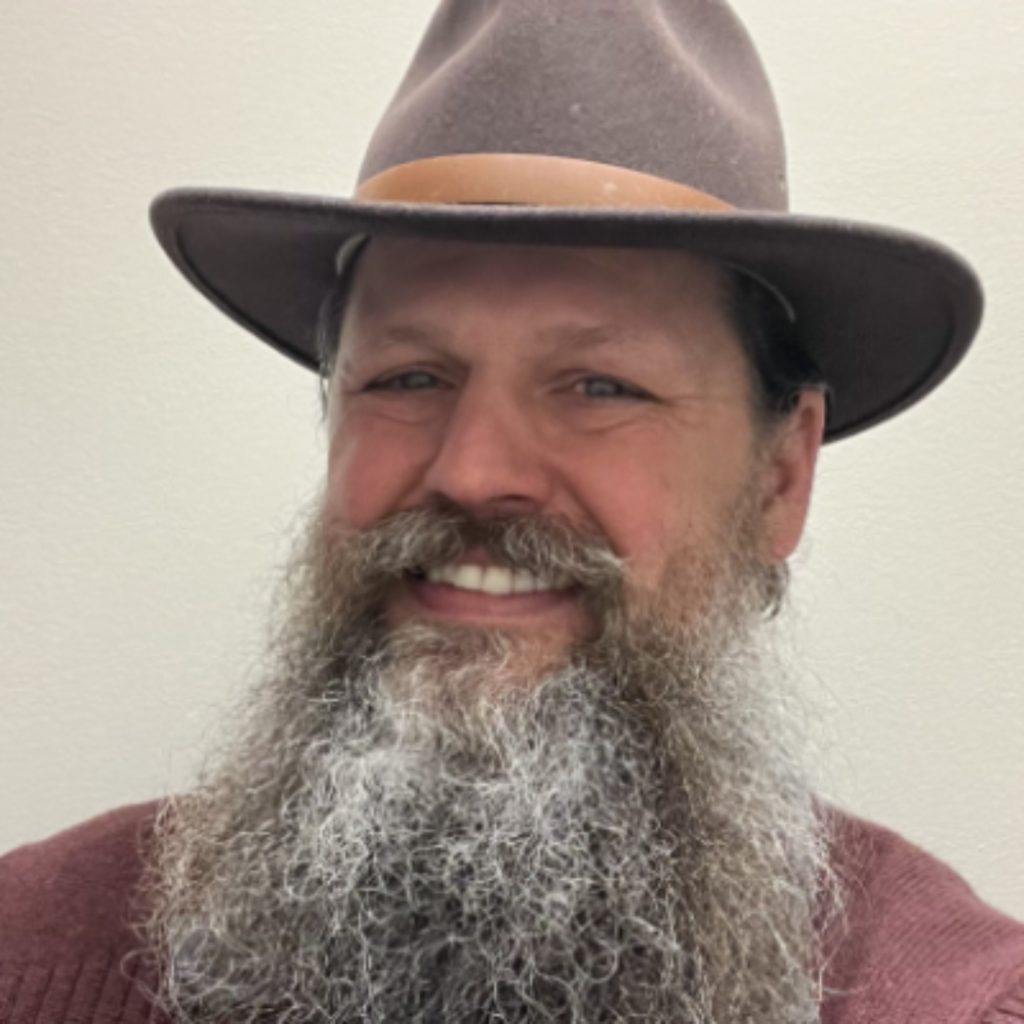
Stuart Aldrich covers B2B Barter Growth in this Marketer of the Day episode. Stuart Aldrich explains how B2B barter exchanges turn unused capacity into new sales and cash savings. After roles from Air Force aviation to door-to-door sales, he returned to Metro Trading Association to teach 'trade dollars'. Members earn credits when they sell, then spend them with other members, avoiding one-to-one barter dead ends. The exchange takes about a 10 to 12% commission after a closed deal, so owners can save cash for hard costs like materials. He used trade to buy ads and meals while running a weekend gutter-cleaning business, and a trade show pushed demand past his schedule. To boost visibility, he leans on 'givers gain', chambers, and his Trading Post podcast to educate prospects before follow-up.
From Special Ops to door-to-door sales in the Bronx, Stu Aldrich has taken an unconventional path to becoming “Trader Stu,” the go-to expert for unlocking hidden value through B2B bartering. Instead of just cutting costs, Stu creates win-win partnerships that save businesses cash, fuel local economies, and build resilience in ways most entrepreneurs never imagine. His adventures in trading reveal how creativity and resourcefulness can open doors when traditional business strategies fall short.
In this episode, Stu shares stories of his craziest deals, the art of spotting overlooked opportunities, and why bartering is more relevant than ever in today’s economy. Whether you’re navigating challenges, pivoting industries, or looking for smarter ways to grow, you’ll discover how to think differently, network more effectively, and thrive through relationships that money alone can’t buy.
Quotes:
“Business isn’t always about money—it’s about value. Once you understand that, deals start showing up everywhere.”
“Bartering builds relationships. A good trade doesn’t just save cash—it creates a partnership.”
“I learned in Special Ops and on the streets of the Bronx that resourcefulness is the ultimate skill in life and business.”
“Sometimes the most powerful opportunities come from what’s already in your hands—you just need to see it differently.”
Resources:
- Your ‘one-stop-shop’ to Search, Select and Purchase synthetic Building Blocks and Screening Compounds
- Connect with Stu Aldrich on LinkedIn
Podcast: Play in new window | Download (Duration: 32:24 — 45.4MB) | Embed
Subscribe: Apple Podcasts | Spotify | Amazon Music | iHeartRadio | Podchaser | RSS
Transcript
Download transcript (.txt)He went from Special Ops and door to door sales in the Bronx to becoming trader. Stu, who is the go to expert for unlocking hidden value through B to B bartering. Now, whether he's saving businesses cash or he's reviving local economies, Mr. Stu Aldrich thrives on these creative deals and lasting partnerships. I'm Robert plank. My podcast is marketer of the day, which is brought to you by D, F, y podcast.com we turn your content into a lead generating machine. But the content that we're going to be discussing today is Mr. Stu Aldridge is just crazy adventures, especially when it comes to B, to B, networking and podcasting and pivoting to other industries, when when life hits you and throws all the crazy stuff that it hits you with. So Mr. Stu glad to see you. Glad to be speaking with you.
Yeah, thanks for having me. This is gonna be fun. I agree. I think
it will be. And so I know that that little bit of a bio doesn't do you justice, because you've done 20, 3040, careers. You have all these irons in the fire. So what are you all about? What do you think is relevant?
You know, I dabble in a little bit of everything, whatever interests me in the season of life that I'm in. And when I was a kid, I jumped to flying, so I was terrible at school, and I proved everyone wrong, and I went to go fly, but not before I went to New York because I wanted to be a famous actor like Jim Carrey. And when that didn't work out, I joined the Air Force because I found out how hard it is to make money in the acting world. And you know, the small fraction of people that make millions of dollars. And then after that, I did, you know, I jumped around within the Air Force and did all kinds of jobs in there, and special ops. And I flew KC 10 jets, the refuelers that was a flight engineer on those was an honor guard for a little bit, and age mechanic and command post controller, did a little bit of everything in the Air Force. And then got out and just I went back into sales. I've been in sales kind of my whole life. My parents were entrepreneurs. In frank with Michigan, we owned a couple restaurants and a bar, Main Street tavern, Jr's pizza and Harry's Bistro. And so frank with cigar company was the last one. And I just kind of said, You know what, I'm not going to do. No more family businesses So, but, you know, I'd always, I was selling things, always in, you know, even New York, I was doing door to door sales, like you said, in the Bronx. And I was in all the, actually, all the boroughs, Staten Island and, you know, Brooklyn and Queens, Manhattan. That was upper I live in the Upper West Side. And then, so, yeah, I don't know. I'm kind of all over the place. And right now I got a new he's not Judy more. He's a two year old. And so now I'm just kind of getting back in the game again, of not really back in the game. It's been a while. It's crazy how time flies. I've been out of the Air Force for a while, but I'm back to where I started. I guess you could say I was at Metro trading association 10 years ago, and now I'm back. And I got laid off last year for my other job, and I missed this career, and I wanted to come back as I liked helping out business owners so much, nice.
And you should do that, right? You should do what you're skilled at and what excites you. And it's not the medieval times, Middle Ages anymore, where if you're born into serfdom, or if you're born as a blacksmith, then you just that's what you have to do. And there's no escaping. We can geographically move wherever. We can get trained in different careers, and heck it. The flip side of that is that if you're too comfortable in a job or a career that can just be upended, right? They lay you off, they go out of business. And so there's this important skill today of being a shark, right, being someone who always moves and who was like sharks are always swimming, right? They're always going in that forward direction. And so with the sales and the entrepreneurship in the military, there's like, you have to have some energy, you have to have some drive and focus, right? There's that real fear with the entrepreneurism, especially, of saying, like, Oh, I'll start the cigar shop, I'll start the pizzeria, and you do a little bit of everything, not well, but if you can do great thing after great thing, and that's what we want. And so you mentioned about this Metro trading association, MTA, not ATM that's Metro trading.com and I know that it sounds like a like a stock trading, right? Whenever there's trading stock, stock, just hijack that. But you say, hey, no, that's not what it is we want to get some awareness. So this Metro trading association, what's that all about?
Yeah, it's the whole reason why I even started a podcast is just to help explain when I cold call a little bit because my job is to recruit new entrepreneurs or business owners into our association. Because if there's a need aside, I. Have a request, then my job is to go out and invite somebody in that's in that category. So either I'm out, you know, my door knocking a strip mall or hitting the phones or emails or whatever, and they'll say, you know, I'll say Metro trading, and I say, you know, we use trade dollars to facilitate the transaction instead of, like, American dollars, and they're like, well, I need money and, or I'm not in the stocks right now. I'm, you know, whatever. And I'm like, you know, I It's hard. So my job has been more educational, more educating than it is, like, selling. I'm not really selling. It's either you want it or you don't, more or less, like once I can, you know, get through to them and explain how barter works. Our business of business, barter. See, even then, even within the industry, we call it barter. We call trade even with the currency, we call it trade dollars, or trade credits, or barter dollars, or barter bucks. I mean, it's just all over the place, because there's, we're all over the world. Trade Associations are everywhere, or barter groups, so you can call it that as well. So it's like, well, I need to explain this in a better way and and do it in a way to where they can on their own time. The entrepreneur can figure it out on their own time. So I was like, I'll just make a couple of episodes on a podcast, and I'll send the episode out on a link, and then they can just, you know, listen to it on the way to pick up the kids, or on the way to work, on the way home, or whatever, on their own leisure. And then I'll follow up with them in a week or whatever, and just ask if they've, you know, heard it yet, or whatever. So that was the whole spawning of the trading post podcast. And again, trading post because, you know, trade and back in the olden days, the trading post is where all the commerce happened. That's where you met, you know, leads, or we got referrals, or people came to trade their goods and buy goods and sell goods. And it was just kind of like the hub of town. And it's kind of like we're, some people will say to me that we're going back to the days of doing trade again. And you know, if you're a business owner and you haven't traded yet for anything, then I'd say, you know, at least try something. Now, when you do an association, you join an association, you get to store that wealth, because eventually we're a trading locks up in is if you have, if you're trading bread for fish, eventually you don't need any more fish or bread, depending on which side of the spectrum you're on. So that becomes an impasse. And so now you got to do something with the extra extra supply that you got, and then go and try and barter that for something else that you need. So we take that inconvenience, we put it into a trade credit, and then that way, you can use that money for anybody else that you want in the association. So we're big in Southeast Michigan and Toledo, Ohio, so Northwest Ohio. And there's other exchanges that are kind of more West, and there's one that's Northwest, and there's a bunch of them. But usually when you join a trade group, you join it's kind of like a chamber of commerce or a BNI group if you want where you don't go to meetings. Your meetings are you're buying your sale because your entrepreneur is going to see who came and visited with them on Metro trade, and then they're going to probably want to probably want to reciprocate, or at least check you out and see what you're all about and maybe use your services. So when you join a group like ours, whether it's ours or somebody somewhere else, you're going to get extra business you wouldn't have otherwise had. And that was a big thing that I actually joined Metro trading with my own company. We'll get to that probably in a minute. And had explained to my wife, and, you know, she didn't get it. And so I'm like, here we are again. My own wife doesn't get like, what I'm what I did for a living. This is back before I worked here again, you know, and I had to re explain it to her. And a lot of times you just don't get it until you do a buy and a sale, and then, for some reason they know the clouds cleared like, Oh, I get it. That's awesome. Okay, I see how this works. So, you know, I like that epiphany. And then once people get it, they get hooked, and then they tell their friends, and that's where the referrals come in. And so that's why I like it's a good energy in the group, I guess you could say within a little Association. And by little, I mean, we're pretty big. We're over 1000 members, but so it's kind of, it's a big group for a trading association, actually.
Oh yeah, it sounds like it. And I'm having to, like, it's messing with my brain, because I keep, my brain keeps falling into, like, there's even, like, a third definition of trade, right? There's, like, if you're in a trade and then a trade association, there's, like, a trade association of accountants, or, you know, of real estate people, and so I just, or, like, NSA, right? National Speakers Association. So I'm like, All right, it's, it's trade as in barter, not trade as in profession, and not stock trading. Because, like, it's. Such a good word. The other industries have hijacked this. But so and it's there is a magic in bartering, isn't there? Like, remember the the one paper clip story ever heard that one?
Yeah, was it the one where he up, he kept up selling the paper clip and eventually bought a car with it, or a house or something? I think
he bought a house, yeah? He keep trading, and he got like, a old, beat up box truck, and eventually it was a whole house, like a whole farm house. So it's like, amazing things can happen, but I think that once you break through the stereotypes, because I think that there's a bad first impression with bartering, isn't it? It's that that maybe you'll be dealing with, like, poor people who can't afford you. Maybe there'll be, like, low quality. And maybe, like, if you trade, like services or work, then the other person will do, like, the bare minimum. And then, you know, you really try to make it work. And so when you get this resistance, such as, what your wife said, like, what do people usually say? Like, why do they resist this idea?
So some of it is, well, I need, depending on their supply and how much their goods are caught, their goods cost them is that they don't want to pay for, let's say, $100 in lumber and to sell a $200 job or whatever. So they're like, well, I need my money back for the lumber. I'm like, okay, but you, let's just say it's kind of like a third wall break. So you said you needed business cards, right? Or advertising or marketing, right? Yeah. Okay, so then, why don't you save the cash for lumber? I'll give you that cash back, use your job that I just gave you, and use that for your trade or your marketing, because I have plenty of marketers. I can get you business cards printed up on trade. I can get your flyers and banners all on trade. Heck, even if you want to go fourth wall break if you're gonna go out to eat this weekend, don't spend cash. Go out to one of our trade restaurants that takes trade spend your trade dollars there. Save your cash on your LLC. Don't pay yourself as much this week out of your LLC, and cash. Keep the cash in there to pay for your lumber, and then you can go out to eat with your kids and wife over at wherever and get a seafood dinner that takes trade so it's all about thinking kind of outside the box. And like I said, there's a second, third, fourth wall break that you kind of got to get through to play with money. You're playing with money and you're playing with trade credits at the same time. So you're taking a draw off of the company. You're taking a draw out of the company to pay yourself. So just keep that in there, and then instead, take your trade dollars out that I sent you, you know, and for the effort, we get a commission, a 12% commission, so, but we don't get that until you get paid first, and then we get the cut. And most trade exchanges are 10 or 12% but, um, yeah, so it's money that is guaranteed that I'm going to get you, that I won't, won't get paid for until you got your your deal, until you close the sale, until you made the sale. So it's a, you know, you got to look at it too. We have, we have travel, we have pretty much anything you want in the open market. We have in the exchange. I even paid for a lawyer that takes trade dollars for family law. You know, it's just, I mean anybody who's even new or old in the game, who's been in business for 30 years, or if they're opening a new business, depending on what we got going, what they're doing, it works for everybody. So I say everyone should try it at least once and take a look at it in their local exchange area. If they have one, I know they do, because usually, if you're in a populated area, you're going to have a partner group there. So at least look into it, even if it's not mine, of course, because I'm kind of niche here Southeast Michigan. But yeah, you know, and when I told my wife about it, we made more money at the Metro trading Association's trade show that they do every October, we than we did all summer at the farmers market in four hours. So people spend trade different than they do cash, because the it's kind of like helping buying sell local. It's like buying and selling local, but we're going to help you facilitate that by doing it through a trade credit or trade dollar system. That's the whole idea.
And you're making me reminisce a little bit about the idea of, like, almost like, play money, Monopoly money. Like, before we started recording, you were talking about, like, the beginning of podcasting, and like, when PayPal was still pretty early on, then I would get a lot of people, like, paying me money through PayPal. Because, like, they, they have their own online business, they make their own money, and they would sit in Paypal, and they wouldn't yet cash it out into the bank. He'd just be sitting there. And then they that money was more free flowing, right? Because it wasn't real money yet that maybe that hit the bank account, maybe the wife didn't see it yet, right? It was kind of the slush fund. So it's, it's funny to think. About, right? That there's like, money is such a weird, just mental thing anyway, right? Like, the, yeah, you think of like, oh, there's, there's my gold coins or my hard earned cash, but then there's cryptocurrency, and there's like, well, dollars are really just kind of ones and zeros in the bank anyway. And you really see, like, a physical pile of money anyway. And inflation is just, it's just weird concept, but it's like, well, instead of using this whole idea of money and exchange and barter to like, confuse us, use it and see how we can make it work for us, where the money just might be more free flowing, or open you up to new experiences, right? Eat at that seafood restaurant, or use that family law attorney and you otherwise, you'd be like, kind of like, oh, well, I need to save up for this well, so it opens up new opportunities for us. And you mentioned a little bit about, like, your own journey, right? You're using your own business in this for the first time. So, like, what was that like? What was the transformation like for you?
Yeah, so while I was here in 2013 I think through 2014 15 ish and Metro trading association. Then I went and worked for Douglas dynamics, which is a snow plow company that kind of head hunted me from my hydraulics experience that I had in the Air Force. And then after eight and a half years, I got laid off there. But during that time, my wife and I, again, were always into everything. And so 2020 I think it was 2019 I bought a drone. We're gonna do aerial photography. And, you know, I think photo booths so and then, of course, covid hit. I think I bought that drone in January too, and it was like a $3,500 DJI, you know, Enterprise Edition, all the bells and whistles, crazy expensive, and then covid hit, and then, of course, nobody's getting together, no more, no one's having parties, no one's having weddings, no one's even doing graduation. So I'm like, Oh, great. So now I'm sitting on this $4,000 drone. And now what? And plus, I bought a camera for my wife, because she was going to be like the Grand be like, the ground camera person, and I was gonna be the aerial camera person. And so I'm like, well, now what do we do? So I was like, Well, what can I do with this drone? So I was like, You know what? I hate yard work. I hate landscaping, but I know what I could do with this thing. I'll look at people's gutters with the drone and then see if they're full or not. And then I bought a it's called a sky vac. It's a carbon fiber pole system to where you vacuum out gutters, and that way, I got to crawl on roofs and stuff like that. Because I'm, I'm, I'm a disabled vet, so I got no business being up there on a roof so and even then, the reason why I had to quit the whole job was because my shoulders are just so blown out that even the couple ounce, you know, carbon fiber poles that I used, once you get a loads of wet leaves in there, it starts weighing down on your arms. And I just It got to the point where I couldn't lift my my my my hands above my head. But anyway, I digress. So I got involved with that job, and with, you know, starting a gutter cleaning business, and it went well, like, pretty well. And then I just like, you know, I can get some more business if I joined Metro trading association. And when I joined them, I got all the business I could handle. And I got ads in a local coupon book, I think it's called Val pack. And I was turning away jobs because it's supposed to be just a weekend gig, like a Friday evening, maybe in a Saturday and maybe even a Sunday, as I still have my nine to five job, you know, Monday to Friday. And so I was doing great with it. And then, and then we started micro greens business, which was like, you know, indoor gardening, and my wife wasn't all into that. And then I was like, well, let's just put that under Metro trading association too. And then so we did. And, you know, she tried doing the farmers markets and stuff and selling it to shell at the chefs, and it was just nothing. Nothing was hitting. Like, I lost a lot of money in that, in that business venture, the Michael Green's business. But then, you know, Metro trading, I was there for four hours the trade show, and this is kind of where I got my job. Back here, they're trying to recruit me that year, and they're like, Hey, can you come back and work for us and maybe moonlight for us and do nights and weekends? And, you know, we love to have you back. I'm like, no, no, no. I got a kid in the way. And, you know, I got this job and another job, my drone cleaning business, or gutter cleaning business, and then now micro greens. So my wife didn't want to do it. She's like, No, I need the money to buy seeds. I need, I need to buy seeds again. I can't use trade dollars to buy seeds. They don't take that. I'm like, Well, you don't understand. You're going to get trade dollars. We're going to go out to eat. We're going to do this. We're gonna do that anyways. You might as well use this trade dollars for that. Save the cash for the seeds, buy more seeds with the cash we have from other from the farmers markets. Then we got the trade dollars to do other things with that we do anyways, you know, travel or whatever. So she was like, oh, okay, I get it. I had to talk her into it, but as like the president, CEO and the money book behind the company, I had a lot of pull, and joining Metro trade with the oversight business was called oversight, and yeah, ended up working great, and now she's hooked, and she loves it at work here, because she gets how powerful trade dollars are and trade is, and how we all network together. And you people kind of look out for each other. They don't. They don't really want to mess you over too bad, because they know that word gets around. It's a small community, so you do right by each other, because your reputation means a lot in a group like this, it's like a small town feel with big city appeal, if that makes any sense, when you join a group like this,
yeah, that does make sense. Well, that is very cool that you have that community and that loyalty. And then what you're saying about, like, the fluidity of money that you you do that you don't have to trade every single thing that you do, but you trade something, and that's that's like, actual money you don't have to spend. And then you use the that money that you would have spent that you have now to buy the seeds or buy whatever that you need. And so it's, it's great to hear about these possibilities and about the stories, but because we've only just met you and me, trader, Stu I'm sure that there's, like, a really good question I could be asking you, right this incident. I just don't know what that could be. So in this conversation we're having, there must be a missing, hidden question. And what do you think that is? What should I be asking you? I just don't know what to ask. You.
See the hidden question, the million dollar question. What would it be I would say? What could or, I guess was, that to me, or entrepreneurs in general, what could they do to further enhance their visibility in the marketplace? That's you know, so I can answer that right away for you. Yeah.
What could entrepreneurs, business owners do to enhance their visibility in the marketplace?
Yeah, so I always say I go by the book. I was a BNI vice president for a little bit in my chapter. And it was the book was givers gain, and it truly like, the more you put out, the more you get. You know, I guess that's how, like tithing or whatever gives is the whole premise as well. So the more you can do for somebody else, the more it comes back. And it's it's not directly, it's not direct. It comes from other hidden sources too that you don't otherwise see. So when you like, I'm trying to help somebody out right now, a business, just to get her marketing. And I got nothing into it, like I don't get nothing at all. But now I'm getting all these offers for doing things with the podcast that doesn't I didn't advertise for that. It's weird. I'm getting questions, can I do this? And, you know, it's just like, wow, um, okay, yeah, that's cool. I can do that. So it's cool, like, where it comes from and what you do, and you don't do it intentionally to try and get things that's not how it happened. It's just, oh, no, you just try and do it, right? You know?
Yeah, that's a spooky, mystical concept, but in a good way, right? This idea of you put things out in the world, and it's never one to one, it's right, it's never A causes B, and then B causes a, or it's never even a, b, c, d. It's like, it's so complex, right? The world has so much chaos that you put out all this giving, this little bits of philanthropy, helping people out, and then it somehow finds the way back to you in this really unexpected, strange way, but strange in a good way. And so you have this concept called the Metro trading association. And then you also have this very excellent podcast called the trading post, which is at the trading post, dot buzz, sprout.com, and the place where we can get to all those things is on link tree, right? There's link tr.ee/trader, Stew. And so is that like the logical next step? But basically, if someone is listening to our conversation, they say, I like what trader Sue has to say is, podcast sounds great. The bartering Association concept is super cool. What are some next steps here, after our podcast? What's the call to action?
Yeah, I would say the best way, either, well, the link tree, and then you can get a hold of me through LinkedIn, because LinkedIn is on there. Or you can message me through linktree as well, or just give us a call here at Metro trading association, the websites on there as well, and the brokers will answer, or I'll answer if I'm brokering that day, and just ask for me and what I could do for you. Or if you have any questions, or you live in an area that's not by me, I'll help you out and maybe give you a referral to a trading association that's out in your neck of the woods. If there's a couple out there, you know, and I know the owners, then I'll just give you the referral. Because in most cases, depending on what you do, joining a exchange from afar. Doesn't do you a whole lot of good unless you have there's a couple niche markets, like we work with a guy who sells food to prisons, and if he gets extra pallets of food left over, he ships them up here, and then he uses his trade dollars for for travel, like hotels, I guess. So there's, there's ways to spend it, but you know, that's a very specific niche right there. So what a cool contract, though, like to sell. That's weird. That's how do you get involved with that? So I love how people get involved in these businesses. You know? It's just like, Well, how did you even get into that? Man, that's crazy.
How did you trade prison, literally trading prison food for travel. But I can set opens up for great podcasting, right? Just so many that's kooky, fun stories especially, and that's kind of your what your journey has been all about, right? You go from Special Ops, the family businesses, to micro greens to the drones clearing the gutters. I mean, just that's just the absurdity of life. And especially, I noticed on your link tree, you're even involved in the Michigan Ren fair. So can you tell us about that while we're here?
Yeah, it's funny. You mentioned back in the Renaissance times, and I almost interrupted you when I was talking or talking about that, because my last episode was about that. So the Michigan Renaissance Festival contacted me an Alignable to see if they wanted to, if I'd let them sponsor my show. And, you know, again, trading and bartering. You know, just like radio DJs do, I got tickets in exchange for name dropping them and advertising them on the podcast. You know, I got tickets to give away, and I did so at my networking groups, at my chamber events. So it worked out really well, and did a whole podcast about, you know how, back in the day, people couldn't read, they're illiterate, and where the logo started from. It was because it was like a symbol or a sign to where you knew that they did furs or they did spices, just by what was on their door, and not words, but like, maybe a shield, and that just meant spices or whatever. It was cool, you know, it's a it's a cool we're just going back again, and everyone's trying to network and and make a make it small again, like the Renaissance days. And I think that's why, here's a huge attraction to that, that fair is that people would just dream of a day to maybe we can all kind of go back sort of that way, not maybe with the diseases that were going on around back then, but at least, you know, with that
brave communities.
So there are some of the diseases, yeah, anyways,
oh, it's funny. That's true, yeah. But, but And
yet, then there is definitely, like, the the old coming back with the new. Right? You go on LinkedIn, there's infographics. You go on the tick tock, they're the real so it's like, you know, history, you can't get away from it, including the trading posts, and including the bartering. And so we'll also help you out with your 2025 Michigan Renaissance Festival sponsorship in this episode, right at the at the moment, that's October, 16 to September 28, 2025, plus, Labor Day and festival Friday, seven or 9am to 7pm rain or shine, that's at 12, 600 Dixie Highway, Holly, Michigan. And you can experience the magic if you've always heard about the pub crawls and the birds of prey show and the Feast of fantasy, and you happen to be in the Michigan area, then check out that 2025, Michigan Renaissance Festival, because it's all about the unexpectedness and the absurdity of life and what you come across, including at that Renaissance Festival. And so Mr. Stuart Aldrich, where we especially want people to go is link tree slash trader stew, so that way you can find out about stu's LinkedIn, his podcast and the Metro trading association, plus that Michigan Renaissance Festival. And before I let you go, though it's time for the scary part of the show where I try to stump you, I try to put you on the spot by asking about a fun quote or lesson that has served you. So what comes to mind as far as a fun quote or lesson?
You know, back in the day, I used to listen to this audio book, and it's free. It's called Earl Nate nightingales, the strangest secret, and it was, what is the definition of success, and it's the progressive realization of a worthy ideal. And I kind of took that, you know, to heart, because it's it, if somebody came to this country, for example, and they want to be a cornerstone liquor store operator, and they became a corner store, liquor store operator, then they're a success. If they someone wants to be a teacher, you know, you get the idea. So, yeah, um, and it's not just like I was, am I a success because I wanted to fly planes, um. Um, and then I did it. We don't just stop there. Life's not over. So you got to progress. You got to keep doing and do the next hurdle, you know, yes,
100% a progressive realization of a worthy idea. And you're never done. There's always the next milestone, the next project. And so we owe it to ourselves to set these goals, have these good habits, have mindsets and discipline to get it done, whether that's bartering and joining the association or creating a successful podcast. So we've been speaking with Mr. Trader Stu who is the sales manager at the Metro trading association, and you can find them at Metro trading.com and he's also the host of the trading post podcast. You can find that at the trading post.buzzsprout.com if you want to have a lot of adventure and a lot of variety this podcast. The first season was all about trade education and member spotlights. The second season was about networking, that nets business, and now the the most exciting season yet is using a podcast for marketing, Sue's experience, which is including what we're doing here, right? We're having a conversation. It's a lot of fun. We're having a blast. We're learning stuff, audience, learning stuff. And so if you are intrigued by some of these ideas, Stu has been explaining to us about the benefits of professional trading regardless of your location. Then you can check out the trading post podcast. That's the trading post, dot buzz, sprout.com, and link tree, slash traders do. Mr. Stewart Aldrich, it's been a pleasure and a blast speaking with you. Thanks for coming. I had a lot of fun. Hope you did too.
Me too. Yeah, this is great. Time went by so fast. I can't believe it was been 30 minutes
already. My guy, well, we had a blast, and we learned some stuff, and we laughed, we cried. I'm glad you made it, and we'll see you next time.
All right, take care. You.