1429: Global Sales Mentor: How International Distributor Engagement Drives Manufacturing Growth with Sales Expert Zach Selch
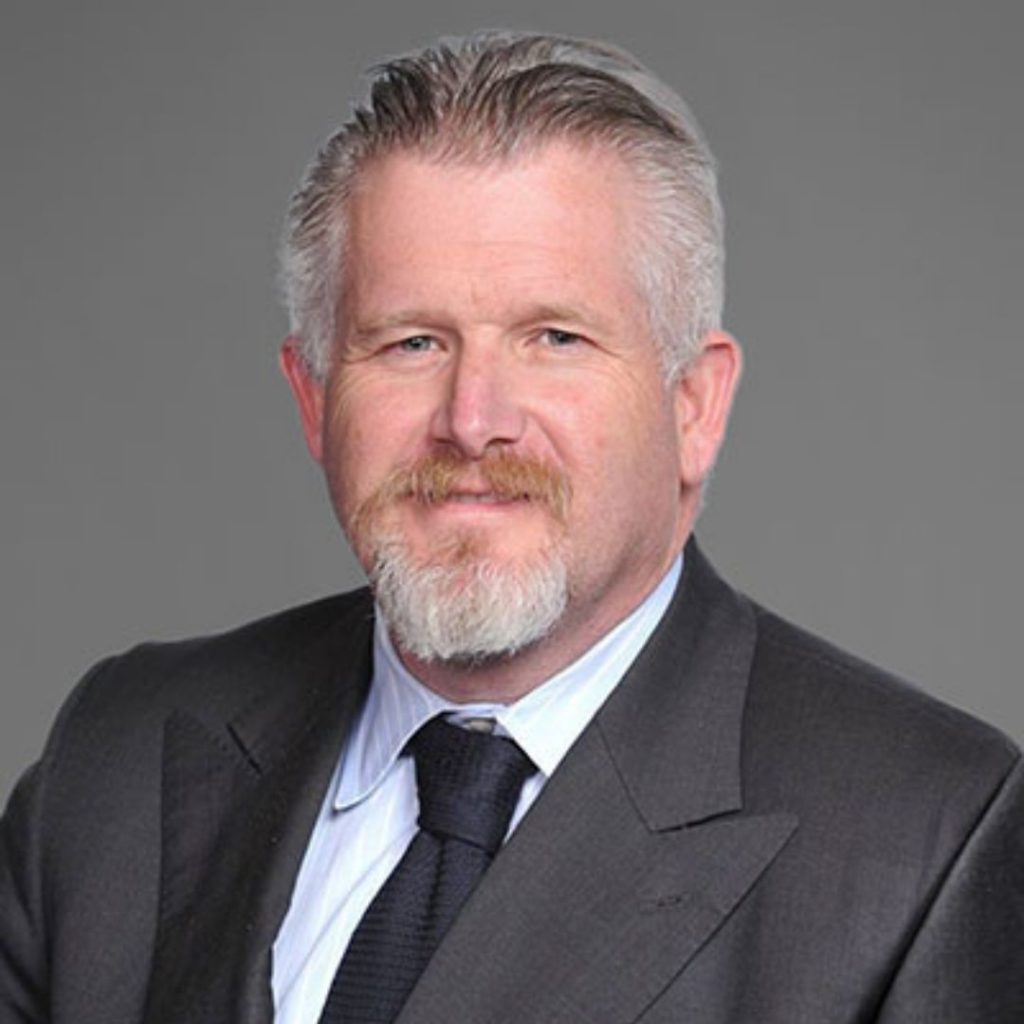
Zach Selch covers Global Sales Growth in this Marketer of the Day episode. Zach Selch explains how manufacturers can sell internationally by engaging distributors and measuring each sales stage. He notes that about 94% of the world economy sits outside the US, so reactive inbound inquiries leave huge growth untapped. His process starts by auditing markets and distributor fit, replacing legacy partners who are 'nice guys' but no longer match a higher-tech product. Next he tracks conversion rates from demos to proposals to purchase orders to spot who closes 2 of 5 demos versus 2 of 25. Then he coaches the weak link, improving demos or clarifying proposals, and holds international teams to the same accountability as domestic reps. He also models 'sales hours' across a 25-product line, showing that doubling focus from two to four hours a week can double revenue.
Zach Selch has led global sales teams in 135 countries, closed more than $1 billion in deals, and transformed struggling startups into thriving international businesses. But his journey didn’t begin in a corner office—it started in a trailer in rural Pennsylvania before he became a sergeant in an elite airborne recon unit. From humble beginnings to global boardrooms, Zach brings a rare mix of grit, discipline, and international business savvy.
In this episode, Zach reveals the strategies behind building sales teams that actually scale, breaking into foreign markets, and navigating the cultural and operational challenges of international growth. Whether you’re a founder aiming to expand overseas, a business leader stuck at a plateau, or simply curious about how billion-dollar deals get closed, you’ll walk away with practical insights that could transform the way you think about sales and global expansion.
Quotes:
“If you want to scale globally, you can’t just sell harder—you need to build systems that sell for you.”
“International growth isn’t about luck. It’s about understanding cultures, building trust, and executing with consistency.”
“I’ve closed a billion dollars in deals, but it all started in a trailer in Pennsylvania. The lesson? Where you begin doesn’t define how far you can go.”
Resources:
- Follow Zach Selch on Instagram
- Connect with Zach Selch on LinkedIn
- Explore Zach Selch’s work and resources on Amazon
- Listen to the Global Sales Mentor Podcast
Podcast: Play in new window | Download (Duration: 26:01 — 35.7MB) | Embed
Subscribe: Apple Podcasts | Spotify | Amazon Music | iHeartRadio | Podchaser | RSS
Transcript
Download transcript (.txt)He has led global sales teams in 135 countries. He has closed over $1 billion in deals and turned struggling startups into international machines. It's Mr. Zach selch, and he didn't start in a corner office. Mr. Zach started in a trailer in rural Pennsylvania, and he later became a sergeant in an elite airborne recon unit. So he's lived a life. He's seen some things. And if you're the kind of company and organization that wants to expand, who wants to go internationally, this might be the turning point, the most pivotal podcast episode that you've ever listened to. It's the marketer of the day podcast with Robert plank. We're brought to you by D, F, y podcast.com where your podcast becomes your most powerful authority and visibility asset. But sometimes you put out content, put out a website, you say, Where did all the people go? You need a sales team. You need a scale. And that's where Mr. Zach is going to turn us around and help us to find out how he's closed billions of dollars in deals internationally, and how to get to that next step, next level. So Mr. Zach, glad to see you, glad to be speaking with you.
Thank you for having me rap, Robert. I am happy to be here,
and so you're happy and I'm happy. But what did I leave that introduction? What are you all about? What's your current focus and passion?
My focus and passion is on helping people get into new markets and sell internationally, right? I think you know, what we forget is that 94% of the world economy is outside of the US, if we are not selling well outside of the US, we're not reaching our full potential. And you know, the best way to create more manufacturing jobs, the best way to grow the value of a company, everything is to sell more internationally. And a lot of people do it sort of in a reactive way. You know, I talk to people all the time. I literally spoke to a company this morning, and they're like, Yeah, well, you know, people reached out to us. We did this, we did this, but we didn't really have a plan. We didn't really, you know, we haven't done anything on a proactive way. And and you change that around, and suddenly you are selling a lot more, you're hiring more people, you're creating, you know, good, high paying manufacturing jobs, right? And that's, that's a cool thing,
it is. I agree completely. And I wish I'd known that little secret. Years ago, I used to think, Okay, well, I'll make a website, I'll get a domain name, I'll get a landing page. I'll run some ads, and I'll just wait for people to find me, but as soon as I realized, hey, there's a telephone, there's contacting the people on your list, one on one, and especially nowadays, there's social media, there's LinkedIn, especially it's like if you're sitting by the phone waiting for it to ring, that's really not living up to your full potential, right? So we can reach out
and be proactive. That's exactly it. You know, back in the Gilded Age, there was somebody who said, you know, if you make a better mouse trap, the world will beat a path to your door. And we have this idea that if we just make something great, everybody's going to want it, but it is. You have to sell it, right? People don't know it exists. You know, a mediocre product with a great sales team is going to do better than a great sale, great product with no sales team, or, you know, a bad sales team, right?
So, yeah. So who are your people? Like, you're mentioning these sales teams, like, what are they selling, and what kind of companies are they working
just, just about anything, although, you know, my focus is on manufacturing companies, right? Like I said, I, you know, I don't know about 2020, years ago, I'm sitting in the cafeteria of the factory where I work, and I look around, and it's a lot of you know, manufacturing isn't about burly, 30 year old men anymore, right? Because you can sit at a in a chair with tools and manufacture. So I'm looking around this cafeteria, and it's immigrants and it's women of color, and it's, you know, people who are over 40, all these manufacturing people I'm talking to people, and they're sending their kids to college, and they're buying houses, you know, they're working at 35 $40 an hour manufacturing jobs. And I'm thinking, you know, every time I sell something, I am creating a couple of manufacturing jobs, right? And that's a cool feeling, you know? It's sort of like, well, can I do this more? And so at one point, I was just, well, how can I do this for more and more factories and more and more companies? So when you say, Who are my people, who are my clients, they're usually, you know, mid marketing, mid level manufacturers. They make something that. They sell B to B. You know, it might not be something you have in your kitchen, right? It might be a little piece of something that goes in your car, or a piece of something that goes in the hospital. And some of these companies are 100 years old, and some of them are startups, but they want to sell more. And again, very often, what happens is, you know, you get some really, really genius inventor creates a product. You get some really good manufacturing guy who makes the product for cheap and make sure it's high quality and all that. But they can't sell it, or they're selling it, but probably they could be selling five times as much, right? And the more they sell, you know, the better the value of the company, and the more people they hire to manufacture it. And so those are my people. So, you know, people reach out to me and they say, Hey, Zach, you know, I have 50, you know, 58% 60% market share in the US, but I'm only selling in six countries around the world, and I don't understand why not, and we fixed that for them. Wonderful.
So you, you have what they call the reason why, right? You have that, that larger goal, bigger than yourself. Because if it was just, oh, I've sold five accounts this week. I want it to be eight. That's not exciting, right? They call that burnout. But if you say, hey, I want to create two more manufacturing jobs, because now they're doing business with this other company, this other country, like, that's exciting. That's where you go. And so you
say that it really is, yeah.
And so these companies, they say, you know we're stuck. We know we could be doing better. And so like, is there any like commonalities? You see, as far as like, we're limiting your growth? What's the problem?
I'll tell you what, Robert the commonality of my clients are, the ones that say we're stuck, right? I talked to 20 people at a trade show, and they'll say, oh, Zach, we're selling as much as we possibly can internationally. We're doing a great job. Blah, blah, blah, you know, we have 5% of our total sales are going international. That's fantastic. It's never going to get any better. And then I'll talk to somebody else, and they'll say, hey, Zach, you know, we're selling 35% internationally, but we feel we really need help. We're stuck. We want to get to 70% we need some help, right? And it's the people who know that they want to keep growing that are great, right? Because they want to keep growing, you know? And that, and that's the thing. Like they're they, they know that there's a big world out there. They know that they need to fix things now. What are they typically doing? Not necessarily wrong, but you know, very often, you're working with a bunch of distributors, and maybe they're not the right distributors for you, because somebody signed them up 20 years ago. But they're nice guys. You know, they're nice guys. They play golf with the CEO. Everybody likes them, but they're really not a good fit for your product. Maybe because your product has changed over the years. Maybe your product has become higher tech, and they're just they haven't kept up with the ability to sell it. Or maybe they weren't the right people in the beginning, right? That's one thing. Maybe you're in the wrong markets because somebody really wanted to travel to, you know, Japan or Italy, and now you're selling in markets that aren't the right markets, and you should be selling in better markets. And then, you know, sometimes you're doing everything right, but you're not really digging into what your distributors are doing, like, I'll tell you, one of my clients is fantastic. She has a lot of experience, and pretty much every month, what we do is we go through her distributors and we dissect what they're doing, and we try and figure out what they could be doing better. And honestly, you know, every month I find maybe quarter or half a million dollars of I like to say it's like caught in the cushions of her couch, right? It's like money that's there. She knew it was, maybe it was missing, but she couldn't quite figure out what to do. And we say to the distributor, hey, if you tweak this, if you do this, if you train this sales guy a little bit better, you know, if you do, if you follow these instructions, you're going to bring in three or $4 million a month more in sales, which, you know, for my client, that works in the half a million bucks, right? So that that's what I do, and that and that, you know, I firmly believe that even the very best companies can can make those improvements right and and that's the way I work with my clients,
and I imagine that it's really important to have the reporting, the documenting, so that way someone like you has something to dig through. Like, a couple months ago, I was, I was doing cold calls for a client just to get, like, the system up and running. And then I was like. Audrey, really, you have to go back to the CRM and update all these contacts. And I updated some, but not all. And now three months later, I'm like, I looked up some contact. I'm like, this name looks really familiar. I know I called them and I didn't take the 30 Seconds to write it down. And I'm like, Oh my gosh, I'm such an idiot. I didn't organize this properly.
Yeah, that's really, really true. And with international sales very often, you know, people will say, Oh, well, they don't work the way we do in India, Germany, Japan, wherever, right? So they'll say, Yes, I'm not going to use the CRM because the spelling is weird, the address is weird, whatever, and they lose all that information. Or, like, I'm big on what I like to call conversion rates from stage to stage of the sales process, right? So you basically say, Okay, how many demos did I do, and how many, excuse me, how many demos did I do, and how many proposals did I get out, and how many purchase orders did I get? Right? And I want to look at that, because maybe I have one distributor who's getting, you know, two purchase orders for every five demos, and I have one distributor who's getting two purchase orders for every 25 demos, right? And, and obviously, there's room the guy who's who's doing 25 demos, there's room for improvement. So I want to figure out why he's not closing more purchase orders, and I want to help him improve. And in the end of the day, he wants to improve too. But the typical attitude is, you know, Don't get in my business. Don't ask me questions. I'm doing the best I can. Everybody likes to say, I'm doing the best I can, you know, don't, don't push me. And then you dig into it, and you say, hey, you know your your demo is, is a little weak. I can teach you to do a better job, right? Or your proposal, you know what? Your proposal just isn't clear enough. I can help you improve it, right? So, so that's what I do. And a lot of people, you know, what's funny is, you're, you have a domestic sales team, 12 people domestically. Maybe this the sales guy is on top of them, like, you know, like, white on rice. He's constantly checking them. And then internationally, to say, the sales manager is very blase about it. He's like, Oh, well, these, you know, these are big boys. They'll, they'll do what they got to do. They know what they're supposed to be doing. And when you really dig into those details, like money falls from the sky, you know, I am. I have a whole record of my record almost sounds unbelievable, like I'll come into a company and I'll improve their sales by 1,000% once by 4,000% right? And it sounds like it's magic. It isn't. It's it's doing what you would do if you were running an eight person domestic sales team or or you're running, you know, a small company that's that's selling in Ohio. If you take those same rules and you, you, you use that on an international distribution sales organization. You dig into details. You check their conversion rates. You get to know each and every sales guy. You spend time with them in the field. You watch them do demos. You watch them do discovery calls. You talk to them every day. If you do that, you're gonna, you're gonna pop your sales up by 1,000% right? And people just don't do it.
They don't do it, but you do, and that's why you win, and that's why there's a lot of people out there that are still struggling. You say, Well, here's the Stage to Stage conversion rate, and you diagnose the problem, and you say, it could always be refined a little bit better. But if we look at it as a huge black box and it's, oh, it's just not working, or I'm doing the best I can, there's no room for improvement. Versus you break down the problem into smaller pieces, you say, Hey, we can fix this a little bit. Fix that a little bit. Next thing you know, you have a well oiled machine. And we love these kinds of breakthrough moments, don't we? I know that you 11 startups globally. So is there anything that you think is like, profound or share worthy for a podcast that was just like, oh my gosh, like this, change in thinking changes everything.
Yeah, you know what I'm gonna say. One thing specifically for international sales. Okay? And you know what? It doesn't even that everything is about the engagement of the sales guy on the ground, right? And pardon me for being sexist, the salesperson on the ground could be man, woman, whatever, but, but that person who is actually selling your product, the more they are engaged, the more you're going to sell, right? And people get really tied up on, you know, what color their website is going to be, or they get tied up on all these other little you know, most products that American companies are making now, especially in software, are over. Are featured, right? We keep adding fantastic feature on top of fantastic feature and and a lot of them, people just plain aren't using, right? We worry about all this stuff. The most important thing is the engagement of the person who's actually selling your product. If you can get those people to love you. You know, I used to do all the like, sales meetings, and I would do all these things to get people to, you know, the sales people, not not even their bosses, but there's the sales people. I would try and get them to really love me and be engaged. And I say, you know that they'll crawl through fire for me, right? And that's, that's what you're aiming for.
So what does that look like, like if a salesperson is engaged, like, what's, what? How do we tell if that happens, versus not?
Oh, no, that's, that's a great you know? So, so I remember once I got into a job, and I go with the regional sales manager who had been in the job for a few years. We go visit one of his distributors, who's been with us for 1520, years, and they make us wait in the lobby of their building for like, two hours. I'm like, you know, if they really found us important, there's no way they would, they would leave us waiting, right? And, you know, I went around with this guy for a few days. I visited different distributors he had, and they'd be like, Oh yeah, hey, it's really good to see a bill. Let's grab you. Let's go out. We'll get a great meal. Blah, blah, blah. They didn't talk business with him. They treated him like he was like, you know, their his, his, their uncle visiting for tourism purposes, but they really weren't involved with our with our business, right? Um, two, three years later, I would go to a trade show, and every sales guy from every distributor would come by our booth and hang out at our booth. Have a cup of coffee with me. Have a be in the morning. Have a beer with me in the evening. You know, I knew their names. I knew their kids names, I knew their wives names, you know, and and the thing is, like, Here, here's the thing, let's say you're a domestic sales guy working for a manufacturer, and you're and you're getting a salary, right? You are selling a single product. You know what you're selling every day. 9am you're selling that one product. Now, you're a distributor, sales guy in Saudi Arabia, maybe you have 25 products in your product card, right? And you have to get up every day and decide what you're going to sell. Now, do you do sell Zach's product, or do you sell somebody else's product, right? And if you're, if you have a, let's say you have a 40 hour week, maybe you have a 50 hour week. You have 25 products. If you're completely fair, you're giving me two hours, but I don't want two hours. I want 16 hours. I want 25 hours, right? I want you to be focused on my product, right? And if I can drive up that engagement, now look at it this way, let's say I'm selling let's just use some numbers here. Let's have 10,000 distributor sales hours every year focused on selling my product. Just use a nice round number, and I'm selling $10 million right? If I can build that up to 20,000 sales hours, I'm gonna be selling $20 million right? Right now, what does that mean? 10,000 sales hours? Well, that means that my 100 sales people are each giving me 100 hours a year, right? Which is two hours a week. So if I can get them just to give me four hours a week, boom, I double my sales. If I can give get them to give me 20 hours a week, right, can I increase my sales by 1,000% I can, right? And that's all about the engagement.
Very nice so, and it seems like it's so there's sometimes it's a math problem, and sometimes it's just like doing the foundational stuff, right? Being a people person, having this attention to detail, and it's this is like a fascinating subject, and you can tell that I'm kind of getting the lessons in the abstract, right? Me, personally, I don't know much about international sales, but there's still these kind of universal lessons that I'm like, Ooh, well, that's still helpful. I can still apply that, but since we only just met, and know there's so much more to you than what we've talked about already, right? I know that you run marathons, you help people go global, but in our final minutes of our conversation, is there a missing question in our conversation? Is there something that I should be asking you? I just don't know to ask you,
yeah, you know that's that's a great question. So I'll tell you what. I also am a big believer in work, life balance, right? I have three kids. I've been. Married to the same woman for 26 years. I have a great relationship with my family. I have a dog, you know, I'm hoping to live for another 30 or 40 years. And I think, you know, the idea is that you gotta take good care of yourself too. You gotta, you gotta take care of your, you know, be part of your community. You gotta take care of your health. You got to take care of your connection and your relationships with people. All these are really
important. I agree completely. So it's important to work hard and play hard and also do other things. Because there, even though work and growing a company and doing all those right things, that's important. There also is even more to life than than just making the money. It's also what you do with your health and also how you enrich the lives of others. Especially as you said, when you are looking for motivation in how to improve these companies or make more sales, you say, hey, what will it lead to? It will lead to enriching other lives. And that's just a great place to just think about what we're doing moving forward in the future. And if someone says, okay, a lot of what you said makes sense. And if I am having my sales team work domestically, and I know that there's, there's more potential, right? You figure America's like, what, 4% of the world. And so there's all these other countries out there. And so I can use the help of Mr. Zach selch and his team at global sales mentor.com Who are your people who should be reaching out to you and what for?
Well, if you are tasked with getting into new markets, or you are responsible for getting into new markets, or, you know, you you basically, or you're selling internationally today, and you're selling less than 10% of your total sales outside of your home market, I could probably improve that, right? So you should reach out to me. I don't typically work with like software as a service, to be honest, but if you do reach out to me, I can connect you to somebody who does, but mostly if you make some type of a manufactured good and you think you can sell more internationally, or you'd like to sell more internationally, I could help you
very nice. Worth having that conversation. If you sell that manufactured good and you say, I know I could sell more of it internationally, but it sounds scary. It seems daunting. Well, hey, not if you have a guy in your corner who has lived this, who eats, breathes and sleeps this stuff in between all the other important activities in life. And we've been speaking with Mr. Zach selch. That's S, E, L, C, H, and you can find him on LinkedIn, at linkedin.com/n/international-sales-growth
but where we really want you to go is global sales mentor.com you'll find out all about his keynote speaking and about all these free tools for international sales growth. If you're the kind of organization that is looking to double your distributor engagement and drive real global growth, then this is an important website for you to go to and to check out Mr. Zach's podcast, His books, His testimonials, his articles and so much more. That's global sales mentor.com as we're headed to global sales mentor, it's time for the scary part of the show, Mr. Zach, where I try to stump you. I try to put you on the spot by asking about a fun quote or lesson that has served you. So what comes to mind as far as a fun quote or
lesson? Oh, cool. So, um, I'll tell you what. There was a French author in the 19th century named Victor Hugo, and he had a quote that said, the man who follows a thread through the course of his day will have an advantage over everybody else. And what he meant was, if you have a plan, right? You wake up and you know what you're doing. You're already halfway there. And I think I sort of try and live that is, I always like to have a plan. One of my bosses actually said, you know, in, you know, she was writing a report on me, a, you know, a periodic report for work. And she said, Well, Zach always has a plan, A, B and A, C, right? I like to, I like to always have a plan and that. And I think that is one of those things that no matter what you do, whether you're you know, a doctor, a businessman, a sales guy, a student, having a plan is going to help
you out, of course, and you figure a student says, What classes am I going to today? A surgeon says, What are my appointments? Imagine if a doctor just showed up and said, Okay, what do we do today? We'll figure it out that will be ridiculous today. Yeah, yeah. Well, we'll just, we'll wing it, we'll cowboy it as we go along. It will be insane. And you are my seventh out of seventh podcast today, and I have a calendar schedule, and it is a pain in the rear, right? It is a pain to say, Oh, here's what my plan is today, yeah, if you don't make. That plan, someone else will make the plans for you, or just the chaos of life. And we don't want that, right? You want you want to be dedicated and focused. That way we can get some results, get things done, not work so hard, be efficient, and then get back to enjoying life. And so Mr. Zach wants to help you enjoy life and to achieve all these amazing things. And you can get that. You can learn international sales growth by going to global sales mentor.com train your people and get them producing. And it's been such a blast speaking to you. Mr. Zach, I learned a lot, laughed a lot. Thanks for being here. I appreciate you.
Thanks a lot, Robert. I appreciate it too. Thanks. Bye.
Subscribe
If you enjoyed this article, subscribe to receive more just like it.


