Published Last updated
View in Podcast Library: stories, quotes, books, and resources in one place.
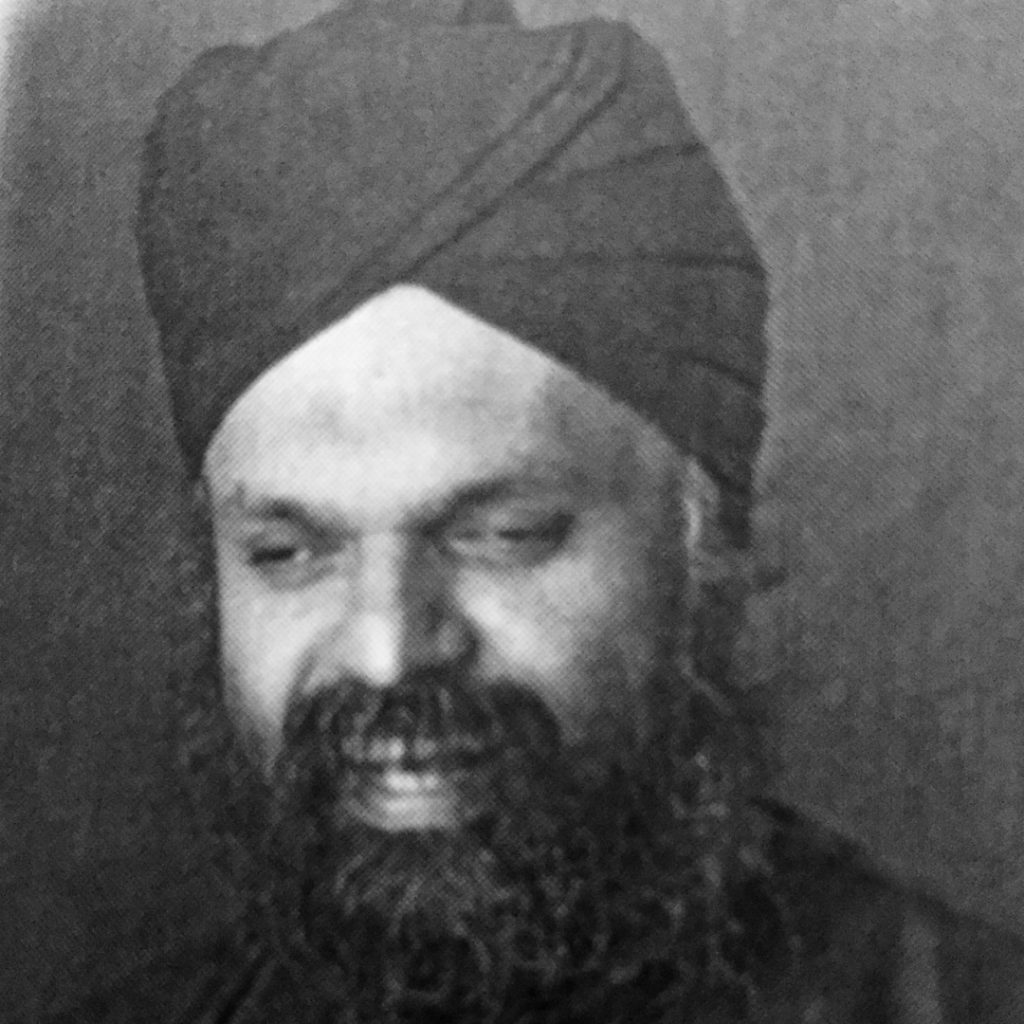
Mandeep Lotta covers Love and Relationships in this Marketer of the Day episode. A blind poet shows how short, vivid poems can help people rethink love and build relationships that last. He began writing in 1992, published "Melting Emotions" in 1994, moved to the UK in 2001, and returned to writing in 2016 with the "Magic Minds, The Treasure of Love" series. His core argument is that people commodify love by asking what they will get, instead of fully acknowledging the other person. The poems are brief scenes, like inner monologues or two voices debating, and they aim to land on a practical resolution. Drawing from his own on-and-off experiences as a wheelchair user who lost sight at age 10, he says love needs time to grow, like planting and waiting, and you must accept some pain. He also champions openness, using assistive tech and simply asking questions on video calls, and he notes that Book Two contains 30 poems with Book Three planned.
Mandeep Lotta is a Kenyan-born poet and author who overcame physical impairment and blindness to share a message of compassion and human connection through his poetry collections Magic mines: The Treasure of Love. His work explores how love is often misunderstood and commodified, reminding readers to slow down, understand one another, and let love grow naturally. Through his personal story of resilience, he shows how disability does not define one’s capacity to inspire and create meaning.
In this episode of Marketer of the Day, Mandeep discusses how life experiences, pain, and perseverance shape his poetry and worldview. He shares insights on the misconceptions people have about relationships, the importance of openness and communication, and how ambition fuels purpose even through hardship. His journey encourages listeners to embrace their vulnerabilities, own their stories, and find fulfillment through empathy and creativity.
Quotes:
“Love grows when you give it time and space to breathe.”
“I own my blindness. It’s not a weakness; it’s my identity.”
“Life is the vehicle. Ambition is the fuel.”
“When you open up, you give others permission to do the same.”
Resources:
Podcast: Play in new window | Download (Duration: 24:54 — 34.2MB) | Embed
Subscribe: Apple Podcasts | Spotify | Amazon Music | iHeartRadio | Podchaser | RSS
Transcript
Download transcript (.txt)Hey, we're here, and we're back on the podcast to speak about an excellent couple of books of poetry by Mandeep Lada, who was born in Kenya, and he's physically impaired from birth, but he lost his sight at age 10, and he is here to talk about this book called Magic minds, the treasure of love. It's a set of poems that are meant to promote love and concern for one another, and it's necessary for us to interact through poems, music, sports, share, knowledge, social activities and just be more deeply connected with our other humans and humanity. So, Mr. Mandy Plata, wonderful meeting you. Thanks for having me. Happy to have you. And so what did we leave out of that introduction? What are you all about? What has you excited these days?
So, yeah, so first of all, I mean, you know, I like to introduce myself as a person who's living with a long term disability. So I'm sight impaired and also a partial wheelchair user due to weak limbs. And so despite all that, you know, I had like I could say, you know, it's the gift that I was, I possess, you know, to write poetry and, you know, just by looking at the patterns you saw around us, you know, people saying, oh, you know, want to be in love, or it's a great thing. You know, two people being together and all that. And then the misconceptions, you know is it love. You know, what exactly is love and that kind of thing. And then back in 1992 is when I initially started writing, you know, just by listening to what was happening around me. And I said, you know, it's coming, it's coming from the heart. So let me start writing it down. And then in 1994 I was still in Kenya. I was born in Kenya, and I did my first book. This was by the name of melting emotions. And then, you know, there's a lot of, you know, circumstantial changes. Things changed around me. And then in 2001 we moved to the UK, and then in 2016 you see so from the first book and this one, there was quite a big gap. So 2016 I started writing again, and that is what then became a series of books by under the name of magic minds, the treasure of love. So there's book one and book two. Now that's already done, and looking forward to doing book three.
Now, yes, you're doing great work, and so you said that when this began with melting emotions, that there are these misunderstandings about love and relationships. So what do people get wrong about this,
it's, you know, a minefield. I mean, you never know. You can even say people's circumstances are different, or, you know. But the misconception, what I'm calling a misconception, is we don't understand each other fully. Now we're talking of two people wanting to get together. So there is that almost gets, you know, covered by, what am I achieving from this? You know, is this worth my while? You know, kind of thing. And in that process, we forget to acknowledge each other, the two people forget to acknowledge each other. And I can even go as far as saying that in some relationships, love does not exist at all. It's a manifestation. It has to, you know, grow somewhere. And as years go past, you hear stories of, you know, people who live together for 30 years, people who've lived together for 50 years even. So what's happened is they've allowed that love to grow. But in many cases, what happens is we don't even allow the chance. And it becomes we commodify love. If I can use that word, you know, we say, Oh, love is an body called, it's like a figure or it's an object, if that's a good word. And you know, so we start objectifying it, you know, love is this? Love is that? Love is whatever. So my material, my books, talk about this different, even scenarios that are in the poem. So the short poems, short like, you know, and not very long winded ones, and they are painting a picture of, like, you know, a monolog in one's head, or, you know, two people talking, sometimes even arguing, you know, like it's an arguing. Meant, I'm saying this, you are saying this. And where are we going with all this? And towards the end of the poems, we try to deliver, like, you know, a solution. And from the reviews I've had on both books thus far, people are saying, they're saying, you know, I have found my companion. So any guidance, or even if I read one sentence from the book and it sort of guides me somewhere. So initially, I mean, obviously I didn't start out to, you know, talk about it that way. But then the feedback you got, you know, encouraged me even more, you know. So we are on our way to writing, you know, book three now, and hopefully, you know, reach a good number in the few years to come. Wonderful.
So you learn some things, you write these poems, you give some lessons. And people have benefited from this. And is there a particular lesson about love and relationships that you think is worth unpacking here?
Like I said, you know, when two people are coming together, it's like two minds. You know, you're trying to combine two minds in one you know, we always hear that people talk about oneness and so that that not many people achieve that in love, and that's why we talk of, you know, pain and suffering, you know. Why did this have to happen to me? I'm going for a next one, the previous one was not very good, you know. And to find some people who believe and do a string of relationships but still not find love,
and that's sad, right? That because life is limited, and you only have a few limited years on this planet, and if you keep making the same mistakes, or you go about this the wrong way. You can't get that time back. And so you've given us some wonderful lessons already, and especially that one about don't objectify love. You'll ruin it. And there are many relationships without love and it's unsatisfying. And I'm curious about your own experiences. What sort of ups and downs have have you? Mr. Mandy blah, to have in love.
So mine, personally, I could say that, you know, the thing is that, because of my disability, that slows down things a bit. Now, what we spoke about was a general overview of how people would generally perceive love. But then, you know, when people start looking at it like, you know, like you have a disability, it's a bit harder, but I would never say not achievable. So in my case, you know, you can talk of on and off relationships. They have happened, but not lasted long enough to, you know, become something or transform into something. Okay, so maybe that's another lesson, which I'm also, you know, sharing with this world, that things need to be given their time. You know, yeah, like I mentioned about, let it, let to, let it grow. So what we need to do is like, we wait, don't we like to plant something in the ground, and we wait. We are hopeful. We're like, it's going to happen one day, and if we have done all the steps correctly, where you know it will grow, and then it will keep growing after that. But if we don't, don't even let it grow in the first place, and then say, oh, you know, this relationship was useless. I'm moving to the next one. Or sometimes it's a case of, I wasn't fulfilled last time. Maybe this time I will be. Do you see? And so it becomes a chain of, you know, move to the next one. Maybe the next one is better. Maybe the next one is better. Or, I don't know, I'm going to say this hand on heart, that's for some people, it's become a thing like, you know, I'll just get into this relationship. If it doesn't work out, I'll move to the next one. So it's almost a readiness to, sort of, you know, take the next risk. Yes, you know. So instead, what I feel love should be in my mind that, you know, it's nature and nurture. Let it grow a bit, find out, you know. And also, I've mentioned pain and suffering as well. So that's another thing we should be prepared for. And I think you find that in this world of today, not many people are prepared to suffer. They want to look at things with, you know, like, mostly, like I said, I mentioned above, like, commodifying. So we are saying, oh, you know, so and so has a car, so and so has a house, you know, security. That's that's going to keep us going, you know, but then where's the love? Then love never happened. Love was waiting in the background.
Yes, yes. Sorry to interrupt. Oh no, go. Continue.
Please. Yes. I'm saying that this is the kind of message we are giving in our in my poems that you know, at least, like they say, you know, if you aim high, at least, if it hit half mark yesterday, you've still done something. You've still achieved something. And because it's coming from the heart, you know, I'm not saying, I mean, it's not putting names or tags on things, you know? Oh, this is love, you know. But then what happens is, when you sort of read something as written down, you sort of can hardly say, forge your own way through it, you know, like, sense of direction, I look at it like that,
yes, and that's a great series of lessons you've given us. And you're making me think that many times I would see a word or a phrase or a sentence or hear one piece of advice, and I would carry that with me for a 10 or 20 years. And if you just keep on experiencing the sameness, right, the same surroundings and the same people and the same books, then you'll just get more of the same. But if you expand your horizons a bit, such as reading this book of poems, magic minds, the treasure of love, then you'll be thinking about all of these concepts that you mentioned here, Mr. Mandeep, of aiming high and thinking about, well, there's a time for nature and to let a relationship grow and then nurtured. They're just kind of like, refine things and be proactive and figure out what you want, and be really careful about that commodifying of just looking at just the physical facts and looking at, well, this person has security versus the element of faith and taking a risk and seeing what happens. And it's it's always great to hear about some of these stories where there are disabilities of all kinds, right, and we can't control it. Life happens to us. And it's great to hear about when someone just says, Well, hey, I'll make this part of my personality, my journey, my story. And so when you were going through this loss of sight or this like vision impairment, did you ever have any kind of despair? Did you think about giving up? Did you feel sorry for yourself? What was it like just dealing with this disability?
Okay, so I'll just, you know, rewind back. I can't rewind 50 years. I'm 50 plus. Now. We don't have enough time for 50 years worth to do it. But the thing was, like I said, I was physically paid from birth, and that was due to, you know what to say? You know, something that happened before my birth, and I was born with a physical disability. So somehow you sort of used to it, you know, like also the the courage, the determination came from you had to be ahead of your time, so you're doing things which a normal child would not do, yeah, so then this, you know, that, so that disorder which I had from birth that I had full sight until the age of 10, and so that sort of triggered it, you know, the earlier disability that I had, so something wasn't right. And so by which time you're sort of, I wouldn't say, used to, but you sort of accustomed to it now, and you didn't feel it so much. And I think the other big factor to add is I was young. I was quite young. I was only 10, so, you know, so it was a case of, oh, yesterday, I could see so much, you know, today, my heart site is weakening and what's happening. So it was, you know, they feel it so much. But if you find that people who will lose, for example, sight or at a later stage in life, they will have so much to get used to, you know, and there's grief, there's, you know, why did, why was I picked, you know, amongst all the others, yeah, so I think my young age or lack of understanding even helped a bit.
I like the positivity there that you say, that you got it early ish in life, so that there was less adjusting than if someone has this later in life. And also, what's great about the gratitude, perhaps, is that you're lucky enough to to have this disability in the modern times, right? Not in ancient times where there's AI and there's apps, and I've seen so many things where, like, you can take your phone and point it to an object and it will say. See what it is. Have you experimented with any of that, with the the technology to assist you in seeing
I have, yes, I've been without mentioning names now, but like, what you describe is with this advent of AI, which is improving by the day, like even something like this, something simple, like talking to you like this, you know, I'm quite, you know, in the game, as it were, you know, trying to learn whatever technology I can, the one that helps me, you know. And I don't like, like, you know, asked you at the beginning, I said, Am I okay? Can you see me and all that? And that's what I do. And sometimes I'm just going to mention this. This is what discourages people, you know, oh, I'm blind. What do I do with visuals? Yeah, so AI and technology has given me that power, that look okay, all you need to ask the person you're doing a video call with is, can you see me? You know, am I visible? Am I within the frame? And, you know, but some people don't want to ask questions. They are embarrassed I say this, or, you know, or some people I will This is a, I think it's a real good point to mention. Is in my book, I've already put, you know, was physically impaired from birth and lost sight later on. Some people would not even want to put that right, you know. And it's part of my personality. I believe, like I'm totally blind. I own my blindness, you know. And some people would say, Oh, if I put that, it might go against me, kind of thing.
It makes you interesting. It gives you something to talk about.
Exactly, yeah, I mean, you know, and then you get used to saying your story. And I think if generally, more and more people were vocal, we wouldn't have this money, you know, like suddenly you discover you had a very I'm going to take an example, like a friend who was always with you, maybe even from birth. Suddenly your path separated, and you needed it to understand why. And when you go to find out, you're thinking, why didn't you tell me before? You know? So again, that's tying in with what we said earlier, that when we keep secrets, when we are like, you know, I am with you, but I don't know why, and I'm just, you know, maybe not, not too happy to be here, but I will be here for for now, you know, and the more secrets we keep, the worst it becomes, yes, so it's good To be open, you know, I would say, I mean, if anyone learns a good lesson from my books, is mostly about opening up like, you know, almost giving people the, you know, this is a question you can ask when you're opening up conversation. You know, be open. Say, say, your heart as it is, you know, yes. So that's, that's the message we're trying to deliver. And, you know, so far so good. You know, hopeful that you know 10 people who might read my book. You know, at least, if it makes sense to at least even six or seven,
it's an achievement. Oh yes, this is a great lesson. And series of lessons that you have here of saying, Don't be embarrassed, own it, talk about it be true and authentic. When you think about the word lying, they call it duplicity, right? And that means that there's two versions of what you say, right? There's the lie, there's the thing you're covering up, plus there's the truth, and that's a split focus, right? If you're lying or holding something back, then you can't fully use all of your brain, because part of your brain is focused on keeping this lie secretly. So why do that? Why? You know, keep things to yourself. If you say I have a disability, or I'm blind or I've had to overcome things, then talk about it, get it in the open, because there are others out there who are embarrassed or who feel limited, held back. They have the self doubt, and they can benefit from hearing and learning from you and all of us out there that are dealing with the emotions and the chaos and the problems of life, we can benefit from this book of poetry called Magic minds, the treasure of love from Mr. Mandy LA and in these final few minutes of our conversation, which I've really been enjoying, I want to make sure that we cover what's important to you. We've been talking about relationships and love and overcoming disabilities, but in this conversation we're having, do you think there could be a missing question? Is there something that I should be asking you? I just don't know to ask you?
I don't think so. I think we've covered quite a. A, you know, a lot of ground on this one. And like I said, you know, I would also say that it's an ongoing thing, and if more and more people wake up to the call, as it were, then it's a bigger voice. Yeah, so with people who are shy or they don't want to say things, or, you know the they're not participating online, because, you know what, if someone says this, yeah, so if we keep an open mind and keep the conversation going, at least, you know, I'll be one happy person if this is the start of it all.
Yes, keep an open mind, keep the conversation going, learn, explore, express, and we can learn all about this by getting these two books so far. And you say there's a third one that's magic, minds, the treasure of love, by man deep lotta on Amazon. And then the website is man deep Lata books.com that's m, a, n, D, E, P, l, o, t, t, a, books.com and you can find out about how this book, magic minds, the treasure of love, won a book Excellence Award. And then the second collection of 30 poems is here to help inspire you more and help you to understand love. And as we're checking out those two resources. There's magic minds, the treasure of love on Amazon and the website Mandeep Lada books.com or you can find out even more about those two books. It's time for the scary part of the show, Mr. Mandy, where I try to stump you. I try to put you on the spot by asking about a fun or interesting quote or lesson. So what comes to mind as far as quote or lesson that has served you in some way?
Okay, now, like I said, you know, for me, it's been a journey, you know, like I've had to build myself up, like I said, you know, when you're born with a disability, you sort of grow up before your time, you do things that, you know, a normal, quote, unquote person would not do. They just get busy in, you know, going to school, going to college, and finding work, you know, finding a partner, whatever, buying a car, you know, all those normal things. And I have done those normal things, but, you know, with a bit of a, you know, zest for life, like I should have this, and why should I have this, you know, kind of thing, and you talk of courts. Now, there's a quote of my own, actually, which I say, and, you know, it's, you can see, it's full of inspiration. I say, life is the vehicle. Ambition is the fuel.
I like it, you know, yes.
So you know life. Life is the vehicle we are carrying with us. You know, that's the one that's driving us. But every so often you have to fuel it with ambition. Yes, you know, you feel down when you feel like, Oh, why did so and so say this about me? Yeah, yes. As humans, we are going to be a bit, you know, shaken by all this, but then you move on, but you keep adding ambition each time you feel low,
yes, and do it consciously and make it a habit. And if you if life knocks you down, which it does to all of us, you sure you can have a short pity party, but the pity party has to end, and it's time to take some action and proceed despite the doubt and the fear and the setbacks and the discouragement. And we sometimes can't do it alone, and that's why we need to keep our minds learning some things, and especially with this book, which is called Magic minds, the treasure of love, by Mr. Mandeep Lada, who was physically impaired from birth, but also lost his sight at age 10, and then in 1992 he was inspired to start writing this poetry inspired by the misconceptions surrounding love and relationships. It began with melting emotions, but now it's magic minds, the treasure of love, volumes one and two and volume three coming out soon. So thank you, Mr. Mandy blahda, for showing up, stopping by telling us about your books of homes and your life experiences, your aha moments. I'm really glad that you showed up and thank you for sharing.
Thank you so much for having me. Thank you so much. Bye.