1528: Harmonic SEO Formula: Make Your Content into Authority and AI-Ready Visibility with Joseph Kahn
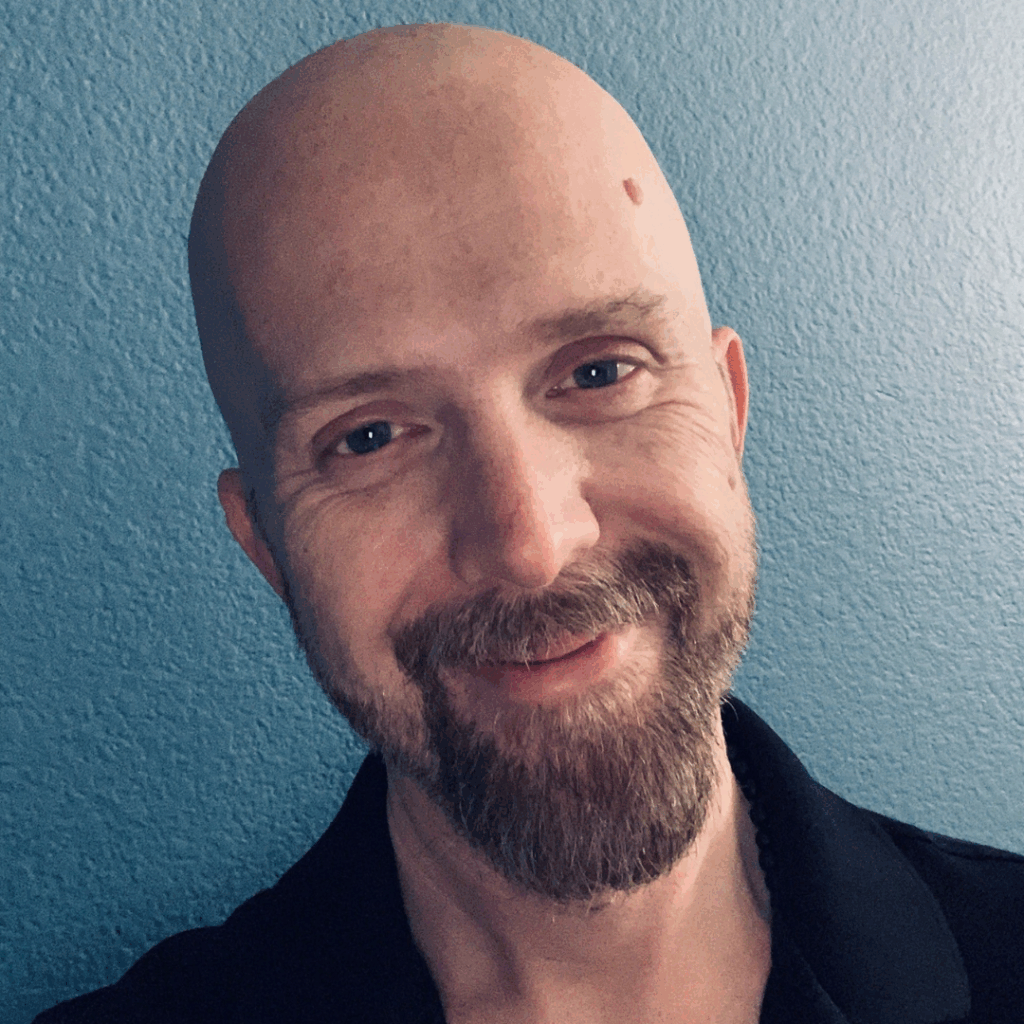
Joseph Kahn covers Harmonic marketing in this Marketer of the Day episode. Joseph S. Kahn explains how to get referenced by AI search by treating SEO like musical harmony. He anchors the method in Google E-E-A-T, because models reward trusted authority more than clever phrasing. First, find the shared directory citations of competitors showing up in ChatGPT or Perplexity, and get listed there. He says adding question headings to content alone will not win if you are not seen as authoritative. Next, build breadth with about 50 pieces of work indexed in Google, not just posted on social feeds. To trigger indexing signals, he emails a broadcast and looks for 10+ clicks plus likes and comments.
Joseph S. Kahn is an acclaimed digital marketing expert, AI and SEO strategist, and founder of Hum Jam. Celebrated for inventing the harmonic SEO formula, Joseph draws on a unique background combining formal music training (Berklee College of Music) with decades of digital entrepreneurship, including consulting for industry leaders like Microsoft and John Maxwell. His approaches help businesses and agencies synchronize their online presence, climb search rankings, and thrive amidst rapid technological change. With 3500+ Udemy students and a track record of agency training, Joseph empowers clients to harmonize content, citations, and signals for enduring relevance.
In this episode of Marketer of the Day, host Robert Plank talks with Joseph S. Kahn about transforming chaotic digital environments into marketing harmony. He shares how musical principles inspired his harmonic blueprint in SEO and now inform his revolutionary AI methods. The discussion dives deep into why industry-specific directories and authoritative citations matter far more than old-school backlink tactics, the importance of Google’s E-E-A-T algorithm, and why email-driven engagement signals help content get indexed and trusted. Joseph debunks SEO myths, details nitty-gritty steps for dominating AI search results (like ChatGPT and Perplexity), and offers take-action advice for agencies and individuals who want sustainable growth.
Quotes:
“SEO is like music; when your content, citations, and signals harmonize, both AI and audiences start paying attention.”
“Visibility isn’t built on volume. It’s built on the right citations and a clear, authoritative presence in your niche.”
“In a post-E-E-A-T world, authority, trust, and real experience aren’t optional; they’re the price of being found.”
Resources:
- Joseph S. Kahn on Facebook
- Joseph S. Kahn on LinkedIn
- Boost Your Online Visibility with HumJAM—Preferred Choice of Top SEO Agencies
Podcast: Play in new window | Download (Duration: 29:58 — 41.2MB) | Embed
Subscribe: Apple Podcasts | Spotify | Amazon Music | iHeartRadio | Podchaser | RSS
Transcript
Download transcript (.txt)We're here to talk about boosting your online visibility with hum jam. They are a preferred choice of top SEO agencies. And Mr. Joseph S con is here. He's an AI expert. I saw this guy in person, I think, like 15 years ago, and it's just sometimes you come across people that you knew from a whole other lifetime. It's like bumping into someone you knew in high school. You get the swings of nostalgia and but Joseph S con turns digital chaos into marketing harmony, and he invented the harmonic SEO formula to land giants like Microsoft and John Maxwell on page one, and today he applies these systems to SaaS, Home Services, private equity funds looking to modernize deal origination. He's trained hundreds of local SEO agencies to dominate their markets, empowered 3500 students on Udemy to master digital marketing. So AI making money the revolution, revolution and the revelation. So much, lots to talk about. Mr. Joseph Khan, from home, jam, how are you? Yay. How are you doing? Man, good to see you again. From back in the day,
yeah. From like, Denver, JV, alert, but, and like, some things are changing. Some haven't, right? You still have, yeah, have a business. Get customers, build a list, get traffic ranking. There's still all these needs. It's just the technology is changing. It's so much more fast paced. But what has you just focused and passionate? What's got you so excited these days, different than what I used to talk about back 15 So years ago, I did sell all my bitcoin off for more than $700 we had talked about that prior to us going online, and I went to Berkeley College of Music, because you see my little drum pad and my my drum sticks back there. I'm a I'm a drummer, been in signed rock bands, been been played in the Atlanta Symphony back when I was 18 years old, and always been into music. And got a music degree and literally sold my bitcoin back after we met to go to Berkeley College of Music in Boston. I studied with guys like Rod morgenstein, even Steve Smith journey, drummer, the drummer for journey. I know that probably ages me a little bit, but, but what I did was is took all of that harmonic fundamentals and got back into marketing post the pandemic, because the pandemic kind of wrecked all of our playing out. We could no longer go to clubs and no longer do that kind of stuff. So the record label dropped my band, and instantly I went, you know what I used to do, internet marketing. And guess what? So once I got back into that, I'm like, SEO is really hot right now, like search engine optimization, it was big back then, back with stomper net. I don't know if you remember stomper that back in the day, it was big back then. So I'm like, why don't I jump into that? And once I jumped into that, I started seeing the algorithm and going, this is, like, complex music. Like, this is like, if I just put these two together and create a chord, create a rhythm and create a harmony. I believe that this is actually going to have an impact. And guess what? Looney Tunes, with Bugs Bunny, with John Maxwell, with different clients, or whatever, I started applying what I call harmonic blueprint. I created this blueprint around what I took from Berkeley College of Music and just applied it to SEO and started creating chords around the algorithms, and boom, the traffic was like, like, I have tons of screenshots where you're just like, what happened here? And it's all about harmony. Man, content, harmony. And I hear people talking about this in marketing, where you have to not they don't use the term harmonized, but they use the term you have to get the intentions of your buyers. You have to be in in, I say in tune. I'm I'm so tuned to my my tune, topic, or whatever, that you got to get in sync with your prospect and with what they want and their needs. It's not about you, you know, it's not about me, it's about you. And so you have to create the music for the listener. You can't create it for yourself. So same for SEO, same for content creation. And so all of a sudden,
the idea of creating musical pieces and masterpieces to creating SEO and content masterpieces really took off and really helped, and that's why I have 3500 students on Udemy, because I train and teach this, and anybody who uses it and adopts it, their rankings go up. So it's very applicable, and it's easy to understand when you're thinking about creating chords versus all of the algorithms and all of the complex stuff, but if you treat it like a rhythm or a chord or whatever, it really makes a big difference. And that's kind of what I've done, is taken my internet marketing knowledge, then went to Berkeley College of Music and then took that and applied it to SEO, and that changed everything from this point, and now I'm applying the harmonic to harmonic AI. I'm writing a book of.
About that now. So applying the same harmonic principles now to AI, the new revolution that's coming up, or whatever, since it worked for SEO, it's way working for AI. And AI thinks I'm brilliant.
Nice. AI is like, we don't have an harmonic AI anywhere. We got to create this,
yeah, and it's catchy, right? And it's like, when you say it, you understand what it means. And so if you can be a pioneer in this space, then yeah, well, the rest will be catching up to you. And it's, it's a, it's a fun, cute idea, and especially because, like a lot of it seems like the magic in life are these transferable skills, right? Like, anyone, any, anyone who's, like, musically minor or been in music, like, there, there's, like, there's, there's math, and there's, there's rhythm, and it's, it's not just goofing off, it's like, scientific and precise. But then there's also the kind of feeling out of it. And I get similar excitement with AI where, like, sometimes you do have to calculate stuff, but other times you have to just, like, feel what's right or what's good, or what's an improvement, or what's what's not right, or, like, kind of, like sleep, spend, like, multiple days or multiple sessions, like, getting towards this end goal and the discipline and the hard work, and there's just, like, so much to it. And so, you know, we with SEO, we want to get found, right? Like, sure, there's like, ranking as part of it, but if someone's looking for like, they're typing into the LLM like, who's the best bummer putting into in the Google, yeah, then, or, like, you know, whatever app or whatever, you know, Facebook, take your pick. We want to appear, right, not necessarily like ranking scuba. Want to be like the person that's found and the person that gets the transaction, the sale, the click, and so you're hoping that AI can do it. But how is that possible? Yeah. Interestingly enough,
most of the listeners may or may not know about surfer SEO, the company surfer Have you ever heard of surfer SEO? No, never. They're a company that's been a pioneer probably four or five years. I've been an ambassador of theirs for four or five years. But me and the creator, or whatever, was working on this, and we've, we've got the algorithm to being to appear in perplexity, search, so appear in chat, GPT, search, or whatever. We know how to accomplish that, which a lot of people, they're talking about all different kinds of stuff, and we're sitting there going, Nope, that's not it. Nope. That's not it. We discovered it and proved it, and now they built some AI in their new tool that can actually help with it. And believe it or not, it's all about finding the missing gaps
of of what's what's kind of the people that's ranking, or the people that is showing up in perplexity, showing up in chat, GPT, all have one thing in common, and that's the thing we need to do. So if we're wanting to show up in AI or whatever, we have to apply and be in that one thing that they have in common. And that's the right chord, okay? So from a harmonic perspective, there's two or three things. A chord, A chord is made up of three things. Okay, most people will understand that if they've taken any kind of
music in the past or whatever, and so applying these two or three things together actually makes you appear in the AI searches now, so, and basically, the first thing that most people will get is the backlink gaps. And I say backlink it's not about backlinks as much as is about appearing in citations.
Like, if you're a local business and you want to show up or appear, you need to be in Yelp, okay, as as one of the notes in the chord, and all of the people that show up in search have a prominent space in Yelp or clutch or fill in the blank. If you're in software development, there's one or two places where everybody who shows up is there in that particular citation or that directory. And so that's what you have to do, is you have to one piece of this chord, is have in harmony, what the other people that are ranking or showing up that have authority in this citation? So the citation is one piece of this chord, and it makes a difference, like, oh my gosh, you can go from not showing up in perplexity to showing up the very next day just by getting your name in that directory.
Oh, nice. And so become perplexed, or whatever, considers these directories as the authority. First, it used to be about tons of backlinks, tons of backlinks. It's not about that anymore. It's about the right backlink or the right spot where you're located or whatever. And AI considers Yelp or clutch or design rush or any of these as authoritative, and authoritative is in the Google algorithm.
The Google eat algorithm. I don't know if you've heard of that. Oh yeah. And authoritative. If you show up and say three or four of these citations, they consider that an authoritative ranking, no matter, even with one backlink, like you can show up in these searches with even just one backlink or a new business, as long as you're in these right citations.
And that's reassuring, because it's like we both seen the SEO fads come and go and a lot a new
one. It's a new one. But a lot of the hype just seems to be like, kind of like grunting along and and doing the like, borderline spam, right? Like when, when it was all about backlinks and link building, it's like, let me get 1000s, yeah, and that, but then there's always the arms race. But now you're saying that, okay, and when you hear backlinks, don't think of it as like, oh, I need to, like, buy all these little $10 links. You're saying, Go to this authoritative directory such as Yelp, and build the profile there, and get the link there, and then the the llms, though, they'll look at that as that kind of authoritative hub. And, yeah, am I hearing right that? Like it depends, like it's different for different industries. Like one might want, like Yelp, and one might want, like, next door or something. Yeah. So I have a client that IT service. They, they provide IT services for for Microsoft, for Cisco, fill in the blank, they're a consulting company, or whatever. Theirs is different than my HVAC air conditioned service set of directories, meaning, if you analyze and answer the public, is a great tool. Now, Neil Patel really put out a great way to analyze this, using answer the public now, and his tools. So he combined this in there to actually show you where those directories are. So if you put in the IT services niche versus the H back niche versus, say, an SEO company or whatever, it'll show you a different set of directories that you have to be a part of to show up in these llms. So LLM doesn't consider all directories the same. It's, it's just like,
I mean, it's still even like back in the day with the Google algorithm, the backlink of where it was to your niche, meaning you couldn't just go out and get a pizza shop to link to an SEO company and that gave you a strong backlink. You would need something related in order for that to actually have more power. And this is kind of taking that to the next level. So just showing up in Yelp, so to speak, may not get you in the llms. If your company is IT services, because who's looking for it? Services on Yelp? Probably food companies age back services like being on Angie's List as a as a service company is going to get you higher in the llms than being in a regular backlink, or, you know,
another directory that's not related to, say HVAC services. So it's got to be related,
yeah,
like harmony. It's got to be harmonic with where you so if you choose the right harmony or the right chord, then you hit those three things, you're going to show up even next day in some cases, like, it's fairly quick, because llms going so fast,
right? Yeah, yeah. And they're always like, checking things in real time. And so you really give it to something to think about, like, go to the llms and figure out, well, if you want to be ranked for this search, so to speak, then those, those ones that do rank like, where do they all listed, what kind of directories and get yourself in that directory. And when someone's on this path to like rank better in perplexity and chat, GPT and SEO. Do you think there may be any like misunderstandings, or any ways people go wrong that just drives you crazy. Yeah, the biggest thing that drives me crazy is thinking that by asking questions in your content is going to be the same as people asking like people think right now, I've seen several courses out there that said, make sure that you put the questions that you believe people are going to ask in chat, GBT on your content and that's going to get you in the llms, it will not that's not a magic spin at all. LLM is not going to consider the the hundreds of 1000s of web pages out there that have the same question on the same page or whatever. It's not going to pick you as the one to give as an answer. That's not but I see this so much. I see a lot of people going, No, it's It's about the content. It's about the content. It's actually not about the content. It's about, again, the citation that has authority built in that that chat GPT considers an authority, your content, even if you answer the right questions, is not considered an authority. Like, there's no authority, and chat GBT is not going to show you as the answer. If it doesn't consider you an authority, should you answer the questions that people are asking on chat? GP Absolutely, 100% like, there's there's you should. But is that going to get you ranking in chat? GBT? No, not.
All. But that's what frustrates me the most, is because I see so many courses out there, and have taken so many courses going, what are they saying? This is not true,
right? But people believe that's true, and you can answer questions till your eyes are blue on your content, and it will have an impact at all. It's all about that citation that's an authoritative spot,
and I think that's huge because, like, I know, like, I need to be more consistent than I am about, about making the content, but that whole term content, like, you picture, like making the videos or making the blog posts, and then it's like, well, there's so many channels and profiles out there where it's just like, hundreds of videos, all this stuff, and there's, like, no links to it, no views, no anything. And so you're saying that, like, a really important part of this is to also get get the traffic to that content you created. It's not enough to just create it. You have to get people linking and going to it. And like, do you think is there maybe anything that's like, underrated about doing that? Like, I mean, there's getting in the directories, but as far as, like, getting more attention on your new and existing content, what's your advice? Yeah, so the quick one of that, when we say authoritative in the Google eat, anybody? Listen to this? Google eats been out now for quite a few years. So you can look it up, say, Google eat. And you look it up, and you'll see that A is authoritative. And back in the day before Mike Michal, I think that's how he pronounces. He's from Germany with surfer before we figured out kind of that main
citation signal there that's actually making the move. Authoritativeness meant that you had 50 or more works that was indexed by Google. And what I mean index if you do a YouTube video, but it's not indexed by Google, it doesn't count towards your 50. So your your content, in order to be considered authoritative, has to be indexed by Google, meaning it has to show up in the search result, in the SERP the search engine results page. It has to be there in order for it to consider so if you didn't have 50 works in there, meaning 50 social posts that was in there, or 50 YouTube or Twitter or LinkedIn, or whatever, and it can be on LinkedIn and Twitter used to they used to say social media posts don't matter for SEO, it absolutely does, because you need 50 or so. But not every social media post is indexed, so you got to make sure. And the way to get indexed is by signals, okay? And some people are going to hear this and maybe want to argue with me or go, Wow, I've never heard that before, signals, and the best signal is to actually send your list or 10 or more people through Gmail, that link, or that post on LinkedIn, that link, or that post on Twitter, that link or that post send an email signal to your list, telling people to go and make a comment, telling them to go and like it, telling them to Go and engage in the quickest way you can do that is through your email campaign. So email is another piece of that cord, believe it or not, like email is dead. Well, it used to be. It's not anymore, you know what I mean. And it's not anymore because it sends a signal. Even Microsoft Outlook, even you know, sending through whatever it is is a signal that this is important content that needs to be indexed or it needs to be looked at. And if five or more people engage on that content, Google may index it. They may go, Well, other people need to see this conversation. Other people need to see this kind of thing. So, so, and the easiest way to get that participation, because you you see a lot of social media posts that have not a single like or seeing they got over 100,000 followers, but not a single person likes that post. Why? Because they didn't broadcast or tell anybody about it. They just post and go, Okay, Bye, see ya. That's not how it works. Do a broadcast about it now that shows that there's importance to that piece of content, and tell your subscribers, engage with it, like it, follow it, etc. And if they do now that that's a signal to Google and or the llms that this content is important, this content actually answers questions. This content should be used in a response in order to show that it has the right information about it. And the cool thing is, is if you somehow put a link in that post that goes back to your your website, that could even be used in the citation. So that's what's so cool about it, and it's easy. It's much easier. It's so easy. It's easier than people think. Why? Because you just make the post and you send a broadcast, and your weekly broadcast, it goes out. You go, here's all the posts I need you to engage with and respond to and talk about. You know, I'm saying that's one piece in the court. So the first piece was making sure you're in the right directory for your niche. The top direct and ask.
GBT, so give me a list of the top directories for my niche that I need to be found in in order to show up in LLM searches. Just ask it outright, and it'll give you the top five. And you go, okay, that's priority. Send it to your assistant. Send it whoever, and say, make sure I'm showing up in these. And then every post that you make, every blog post, every article, post, every anything that you do, every YouTube video, every Tik Tok video, send an email out about it, and if 10 or more click from that email, it's going to put a signal up there for Google to take, take a look, for the llms to take notice. And if Google indexes it, that gives it more authority.
It's all about showing up in the right directory in order for you to show up in the llms, because that's what the LMS are looking for. For their content is authoritative places they can trust on that topic. And so if you're not in those authoritative places, you're not going to show up.
And it's that way now for Google as well. So this also applies to the new
SEO,
very nice, and that's a big thing with like, I keep like forgetting or having to get my head wrapped around that. Like AI is AI searches here, whether we want to use it or not, right? When you think about like, ranking in the LMS, you think chat, GPT and perplexity, but it's mainstream. Now. You do a Google search. They AI search for you whether you want to or not. So it's in there. And this is some amazing stuff. And it's like you give the llms what they want, and if you don't know what they want, you can ask them, and they will tell you what a time to be alive, right? What an amazing era we are in. And so you've given us all kinds of ideas. We've jumped around, but I want to make sure in these final minutes that we focus on what's really important for you. Mr. Joey Smith, Mr. Joey Khan. And so is there a missing question in our conversation? Is there something that I should be asking you? I just don't know what to ask you. What's the best algorithm to follow to get in the search engines is Google E. Okay, and I'm just going to explain chat. GPT came out in November of 2022 I don't know if anybody remembers that, but it was November of 2022 Google e algorithm. Google changed their entire algorithm in December of 2022
any correlation there? Absolutely. What did Google do? They saw this new thing, and they said, Ah, we got to get rid of this old algorithm, the PERTS, the pandas, the Burt's, the all that kind of stuff. And they changed it to Google eat. And that just means that you have to, and I wanted to say one of the the four and five pieces of the cord that bumps it even higher is reviews, okay? Is that third party validation that E in Google eat the experience of the end user? So that's why you need them to engage in your posts. That's why you need them to go to your Yelp listing and like you. And it doesn't matter if it's three star or five star, but then you need to engage in your trust pilot, in those things or whatever, because that is the E in Google eat. So the Google eat is actually a part of this process that I'm talking about. The directory part is a part of the authoritative part. The trust is a part of the review part and the experience part, or whatever, the Google eat, if you just focus on that you're going to go somewhere in your search and even showing up in the algorithm. Learn more about that. That's you know. What should I learn more about Google? Eat. Be become an expert at Google. Eat, no matter what you're doing, if you're online or internet marketer, focus on Google eat.
It specifically to master this chat GPT engine, well, nice, because it's, you have, like, a whole ocean of information available about you. So, like, it's, it's more important than ever to get to that answer. So send off these signals and have the experience, expertise, authoritativeness, trust, have the reviews, have the citations be listed in the directories. This is all and create the authoritative content that gets indexed. Ooh, yes. So there's many pieces to it, but the same way. When you have music, you have sheet music, and you make sure that things are done. The same way every time you put up that LinkedIn post, sends your list to it. And when you have an orchestra, then there's different people doing different stuff, and all has to be timed. And it's not just made up. It's not all just done on the fly, unless it's jazz. But even then, there's like, a little bit of improvisation, and then it goes right back to what what you rehearsed, right? Most people are playing jazz, and they should be playing thrash metal, just kidding.
Oh yeah. There you go. It needs to be a little bit more more organization, yes, in there, and more more discipline. And, you know, doing things the right way, especially in order to keep up. And so, yeah, if someone says, Okay, I've got some really good ideas, but I do need some of this structure. I'm curious about Joe's Udemy course that he mentioned.
About the his agency, and so what are some next steps here? Someone says, Hey, Joseph S con, he has a lot of really helpful advice, but I want more. Where should someone go? Go to home, jam.com, you're going to be able to contact me, see where I'm at my socials, or go to the Joseph page on the About Us, or whatever, and contact me and I'll I dialog. I dialog with everybody. I'm a trainer, teacher. As you know, you met me back in the day. That's all I do. I train, I teach, I mentor and help people get to where they want to go. And my quote. You're going to ask me for my quote, Yeah, but you're ahead of me, but you can give the quote now, if you want do it now,
don't hesitate. So if you want to contact me and find out more, do it now. Don't go, I'm going to wait and put that off or whatever. If I'm going to do Google, eat or research that, do it now. If I'm going to figure out everything that we talked about on this podcast, do it now. Don't wait. Guess what they this is what they say, Robert, they say that the AI thing that's going on right now is, is three times, is growing by three every single month. That means five years from now, we're going to be almost a million times further than we are right now. Okay, so if you're not doing it now, right now today, you're already behind. So anything you heard, do it now. Contact me. Do it now. Figure it out right now. Don't wait. This is not an opportunity to wait, as we talked about before this podcast. We're on the beginning of the bubble. Even though it came out in 2022 this is still kind of the beginning of that bell curve. Okay, don't be on the opposite side of the bell curve, like like me selling my bitcoin. Okay, you know, be on the beginning so that you can that you can be in the right space and and actually explode on the opposite side of the bell curve, not WAMP wah, wah, on the other side of the bell curve. Very nice. So do it now. Before this even podcast is over, the podcast is still playing. Go to hum, jam.com. Yes and contact Joseph S con. Their approach blends Google's E, E, A, T, expertise, laser focused social insights and proprietary research to create affordable, enduring results. They have this harmonic SEO formula, which is a data driven strategy that transforms digital noise into measurable growth. So go there right now. It's h, u, M, J, a m.com, there's a newsletter sign up, there's information, and there's a live chat on the bottom corner. So get this conversation started. Explain to Joseph Khan and his team where you're stuck, where your trouble is, get that free website audit, get this SEO and this AI problem figured out, before your competitors get ahead of you, before the AI gets ahead of you, time is of the essence. We have to figure this out. AI, SEO, LLM, optimization, and you can get that advice from that top SEO trainer who's consulted for heavy weights, like John Maxwell, Microsoft, ABM, Cox Communications hunt down those strategic ranking formulas. One Two Microsoft Pinnacle awards for those organizations, too nice. So even more signals, right? Even more citations for the AI to check out. So yeah, hum, jam.com and get that conversation started to to hit the high notes of digital success with harmonic SEO and get the chord struck, as they say. Mr. Joseph S con it's been extremely educational speaking with you. Thanks for being here. Thank you so much for having me here, and I look forward to anybody contacting and our biggest client right now is training agencies. We got to get the word out and get all the agencies out there doing it right and winning in the marketplace. So if you're an agency, we'll train your team. If you're a person that needs help, we'll actually help you. So let me know. Yeah.
Subscribe
If you enjoyed this article, subscribe to receive more just like it.


