1529: Stand Out in Media and Film: Create Influence and Drive Change Through Your Story with Heather Atherton
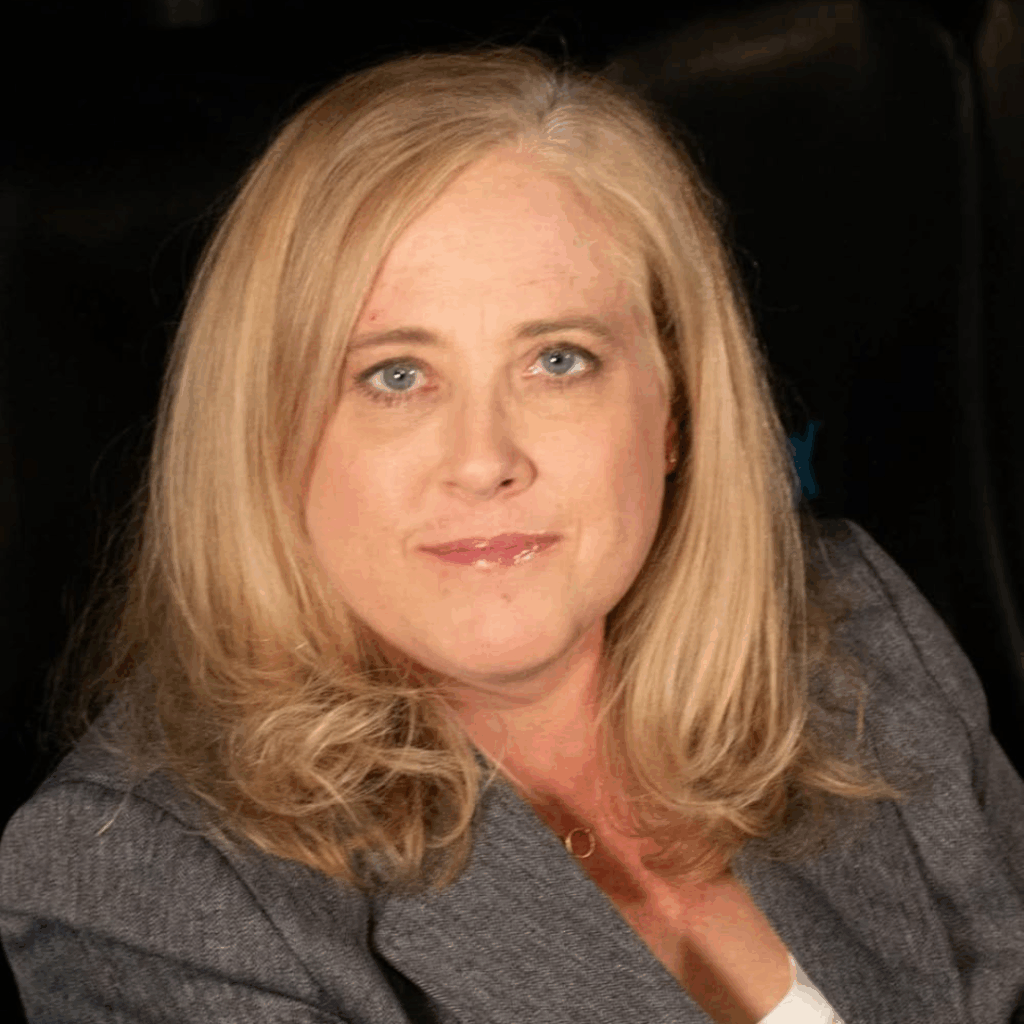
Heather Atherton covers Media Relations Mastery in this Marketer of the Day episode. Heather Atherton shows how to turn a mission driven story into media coverage that moves people to act. Her core method is packaging a narrative into a clear newsworthy angle then tailoring the pitch to a specific niche audience. She prioritizes human interest proof points like donor stories for YouCaring to give reporters a real person not a slogan. For films she warns that calling two weeks before release is too late and recommends building PR and social assets six to 12 months out. She leans on visual hooks that cameras love such as a Guinness attempt with thousands of glow necklaces to promote Tron in 3D. On her Baron 52 project she uses op-eds, investigative partners, and FOIA requests that have been pending for four years to keep pressure on agencies.
Heather Atherton is a communications strategist, PR consultant, and media outreach specialist with 25+ years of experience elevating brands and causes. Known for her work with companies like IMAX, GoFundMe, and Disney on Ice, Heather is also a passionate advocate for uncovering the truth behind the Vietnam War's Baron 52 case, a mission inspired by her father’s service. Through custom, outside-the-box marketing, storytelling, and her deep belief in the power of dreams, Heather helps businesses, filmmakers, and nonprofits package their message for maximum impact. Her expertise spans film promotion, guerrilla marketing, independent filmmaking, and supporting small business growth, always focused on connecting human stories to wider audiences.
On this episode of Marketer of the Day, Heather joins Robert Plank to share her journey from agency work to mission-driven advocacy, the importance of visual/guerrilla marketing, and the ongoing campaign for truth around the Baron 52 story. Heather discusses building custom pitches, the challenges indie filmmakers face, and why early PR is key. Discover lessons on amplifying meaningful stories, DIY marketing foundations for creators, and the relentless power of believing in your ideals.
Quotes:
“The future belongs to those who believe in the beauty of their dreams and are bold enough to bring them to life.”
“If you can see your story visually, you can market it anywhere. Visual thinking turns ideas into impact.”
“I’m not a cookie-cutter. I create outside the box because that’s where originality, opportunity, and growth live.”
Resources:
Podcast: Play in new window | Download (Duration: 31:00 — 42.6MB) | Embed
Subscribe: Apple Podcasts | Spotify | Amazon Music | iHeartRadio | Podchaser | RSS
Transcript
Download transcript (.txt)Heather, she has helped brands like IMAX, GoFundMe and Disney on Ice break into the media, but Heather Atherton's most gripping project is personal. It's all about uncovering a Vietnam War cover up that still haunts military families today. If you have ever wondered how to turn real stories into media moments? You don't want to miss this exciting podcast episode on the marketer of the day podcast with Robert plank. We're brought to you by D FY podcast.com we handle your podcast back end so you can focus on powerful conversations like this one, and that powerful, exciting conversation that we are about to have is navigating the media, the news, PR, getting more attention to your business, your cause, your mission. And we might even fit in a little bit about this exciting Vietnam War documentary, where even miss Heather herself is not just a service provider, but also her own client, right? Getting attention my navigating all this crazy media stuff, which can be confusing until we understand how the game is played. So Miss Heather. Atherton. Atherton pr.com How are you?
Thank you so much for having me, Robert. I appreciate it
happy to have you, and so I did my best to introduce you and talk you up. But what did I leave out? What currently has you so excited, focused, passionate,
well as a consultant. You know, there's a lot of things. That's why I love consulting, and I'll and really have always worked in agencies, because I love the variety. But about 15 years ago, when my second child was born, I went through some health challenges and made me really kind of reflect on, you know, what do I really still want to do, or what I want to do for the next half of my career? And I still loved PR, I loved working with the media and such, but it began kind of a search within to figure out, you know, what are the causes that I really want to get behind, what are the issues that are really important to me? And it didn't, it didn't dawn on me right away. I continued to do media relations consulting ongoing. I have all different types of clients I've worked with from different times of entertainment, from film to live entertainment, live touring companies, but I'm also working with, you know, service providers, so it runs the gamut. But after my dad passed away in 2017 who was a Vietnam vet, I started to really reflect on, you know, what it was that really he passed away from an agent orange related illness from his time in Vietnam, and he had also really suffered from a lot of PTSD issues related to an incident that happened in his unit in 1973 right at the very end of the official war. His crew was shot down over the Ho Chi Minh trail a week after the Peace Corps were signed in a week before the POWs were scheduled to begin coming home. And so this case, we feel I'm partnered with one of the families of the missing men that are that are still not, still haven't been found, and DNA matched with any remains that have come back, that this case has not properly been resolved, and so we are continuing to advocate for more documents to be released, continuing to work with different government agencies to push for our FOIAs to be acknowledged. I have went in for four years that still has not returned any of the documents that they've identified. It's an ongoing struggle, and these families have been dealing with this for over 50 years, so I'm still the newbie of the group, having been doing this research for seven years.
Whoa. Well, I'm excited to circle back about that documentary specifically. But you mentioning all this, it seems like maybe we take for granted what passes through us every day, right? Like you and I, our lights are on, our computers work, or our, you know, internet is functioning, and it's like even just to lay like one big thick pipe. It requires, who knows how much years of planning permits people and similarly, with this documentary that you have going on, like people again, people take it for granted, right? They fire up Netflix, they skip through hundreds, 1000s of documentaries, and even just one of these, the years of research, the people involved, the money, I can't even wrap my head around all that goes into it. So we take for granted, just when someone gets our attention in some way, like how much work was required with that. And so you say that you do this, this media consulting, and with all these different types of people, is there a like, logical entry point into you explaining that, if someone says, Okay, Miss Heather Atherton, what does she do? I know you have the different, like kind of buck. It's but like, what's the explain it like, I'm five version.
So basically, my clients can, you know, they're looking to me to basically take their story and package it in a way that's really compelling or newsworthy for the media to want to run with it and cover it in some way. That's kind of the basic, basic fundamental of of PR and media relations. And so it's, it's a little different type of, you know, approach depending on the client. It's really hard for me to think in in terms of cookie cutter. I like to really customize each client's approach and pitch, because you just never know my my specialty is really drilling down and figuring out that niche audience, which is why I love working with independent filmmakers so much, as well as small businesses, nonprofits. It runs the gamut. I work with big brands too, like you, caring was the first iteration before GoFundMe took them over, and that was a much pretty large company at the time, but we drilled down to the little stories of who was using their platform to raise money for their illness or a cause or an injury or something that they really needed after a disaster. And so we just really tried to work closely with people that were utilizing the platform to help amplify their stories and help them be successful. That was a very motivating project for me. I loved working with them that I guess we worked ourselves out of a job because we did so well that GoFundMe bought them so and all of their folks were in house, versus us being consultants, working with them from the outside. But it's things like that really getting into that human interest piece has always been interesting to me, and so film is just kind of a natural iteration, kind of evolution for me. I have worked in film in different ways, more in the distribution and promotion side. Early in my career, for about 12 years, I worked with a corporate, owned and operated IMAX theater, doing very much guerrilla marketing and PR to really drive traffic to their theater, but it had a lot of visibility because they were owned and operated by the Canadian corporation, so we basically helped move them from purely being in the documentary space to expanding into having blockbuster films. Our other challenge we had to overcome was there was another traditional movie theater within a mile, so we couldn't open those big Hollywood films the same day and date as they would release in all the other theaters. We had to wait until it was out of those other theaters, so we had to go six to eight weeks later, doing a big promotion around it when it would then hit our theater. So it was it was challenging. It was an uphill battle, but it was really fun, and we had a lot of leeway to really get creative with how we found those audiences that wanted to come back for that premium, premium experience. So I've taken a lot of lessons from that into not only becoming a filmmaker and a screenwriter myself with this project, but you know, any films that I'm working on to really understand how to drill down and help them identify their audience.
Well, very cool. So you solve the hard problems, you do that deep thinking. And there, there are two like, of these independent movie theaters near me. And I always like, forget that they're there. And sometimes I'm like, Ooh, what do they have playing some and sometimes I go and look, and I go, maybe once every few years, just because they have the more like off the beaten path, kind of like little movies or documentaries. And it's, yeah, it's fun to remember that those exist. And the gorilla marketing aspect, it's, I can only imagine the stories, right? It seems like a lot of fun because, like, I'm always afraid of, like, learning too much about movies, because I'm worried that it'll mess up with the magic. But I just remember, like, like, when the clover field movie came out, didn't even know what it was titled. They were just like, hey, here's the date. And then it was a surprise. Or, like, the V the miniseries in the 80s. It was like, they put up posters of like, aliens or your friends, and then they went, like, a week later on all the subways and graffiti them. And then people were like, What is this? And then it related to the the movie. So, yeah, it's always fun to hear about that. And so like, is there anything along those lines of, like, the the fun outside the box marketing that you've applied to some of these
documentaries, or otherwise, many we, especially with this theater, we really got out of the box. So there was one year the first remake of Tron that came out. We had in, I believe, in 3d at our theater. And so we tried to break the the Guinness Book World Record for the longest glow necklace. So we bought 1000s of glow necklaces and recruited. You know, people to come down and help, and we the theater is located in downtown Sacramento, on K Street. So we tried to, you know, run all the way down K Street and and extend it as far as we could. It was a tough, tough one to break. It was quite long, the one that held the record, but it was a great visual. It attracted media, and it was just festive and fun around the holidays, because we stretched it all the way down to the ice rink a few blocks away. So it was, it generated a lot of buzz.
Well, very cool. And when you come up with an idea like that, is that, like a group effort, a solo effort? Do you come up with, like, 100 different ideas and throw out the batter ones? Like, how do you arrive at something like that.
You know, there were a lot of creative Google searching. We didn't have chat GPT back then, but it was just really thinking about, you know, what are the visuals that the studio is looking to extend, you know, into the marketing, what are the posters look like? What can we kind of glean from that? Or just thinking through,
gosh, let's see. When we first opened the theater, we had,
we had the Kings dancers come out, because we were doing a T Rex movie, and we were like, how do we how do we do something with that here at the theater, because it was a big celebration for the ribbon cutting, versus going to a museum or something like that. So we actually had them learn the walk the dinosaur song that was from a movie. I can't even think now, what movie it was from, like in the 80s, really catchy tune. And they kind of, you know, wore some themed costumes and did this big dance to this dinosaur song out front, under the marquee, and just, you know, silly things, even like that, are fun there. They could go viral. We didn't have social media then, but the whole idea was really more for the TV cameras. Now you've got to think about social media as well. So I always have thought in a very visual way, which is, again, why I ended up kind of circling back to film. But that'll never you'll never go wrong with thinking through how your story can be told in a visual way, no matter how you're or where you need to market it.
And you mentioned chat, GBT, and it's like, we're on this, this exciting cusp of like, with like Google, VEO, and we're like, we're almost there where we can almost, like, generate a whole commercial or movie or a documentary, just by, like, entering a prompt. So it's like we've almost got this power right in front of us. And when you see some of these efforts, maybe by other people happening right? People try to get attention about their business or their cause. Is there any mistakes that maybe really drive you crazy, like any anything people maybe go wrong with or forget about,
oh, gosh, that's a really good question. And I'm a purist. So you know, the whole idea of movies being made through AI is very heartbreaking to me, because it's such a creative, heartfelt, you know, Soul bearing process. You know, getting a movie made is such a miracle. And you know, unless maybe you're a giant studio that has money and resources and such, in terms of mistakes. I mean, I work with a lot of indie filmmakers who don't have a lot of resources. So I think the biggest mistake thinking through that an example in that industry, is that they get so caught up in writing it, coming up with the money to produce it, actually shooting it and then editing it, they're so wrapped up in that process, they don't think about the marketing and and what needs to happen, even just to get a distributor interested in the film, and they really need to think about that early on. So many of them are great at social media. They're good at kind of promoting themselves, and maybe they're doing a little bit on that side throughout the process. But there's so much more that could be done, and it doesn't have to cost a whole lot of money to at least build that foundation. But more often than not, people come to me and they're like, I have my film coming out in two weeks, and I haven't done anything. What do I do? So I'm actually thinking about putting together some materials that are kind of DIY for them to kind of help educate the market about what they need to be doing. And when you know, much earlier, this started about, I don't know, I noticed it about 10 to 15 years ago in the book realm, that publishers really didn't even want to look at a manuscript unless they knew you were already building an audience for it. And now it's kind of become the same way for filmmakers. So if you have it, you know, a documentary can take a long time. I mean, I'm possibly working with someone who's basically been filming their subject for the last 20 years, and finally decided it was time to go ahead and put it together into a documentary that'll be very powerful. Do. You know, and technologies have changed over that time, because so much content, there's so much opportunity in the in the six to 12 months before a film comes out to leverage all of that. And they're they're visual storytellers, so just getting them to think through what that marketing and PR strategy could look like at an early phase can make such a difference. And when you're two weeks out, there isn't a whole lot you can do at that point. So they really need to understand that the more time you have, the more opportunities there are, especially with PR if you don't have the budget to go pay for your exposure,
sounds like cramming for a test, doesn't it? If you weeks before your PhD exam or your MD surgeon license or whatever. Oh, I've got two weeks. I better start studying. Well, it's too late. You should have been taking those dreary, boring classes where you're like, I really I'm putting in an hour here, an hour there. I'm doing my homework. But it's like, All of that adds up over time, and I think that the getting attention and the consistent marketing, that's a huge blind spot for me, and I can't be the only one, right? It's like, it's so tempting to, like, focus on the book, or focus on the app or the product, and then it's kind of, it hurts the brain as far as, like, the parallelism, right? Because you're still building this thing, but you're also getting attention for it, but I guess it can be kind of exciting, right? If you're a scrappy startup in that way, or getting attention to the documentary that it's still not complete, or you're still working on, or you announce different things, and it's, it's fun to think about, and we gave a promise at the beginning of our conversation here that we would talk about the Vietnam War documentary, because, as you said, you have these career transitions, and then you found this. Cause we were like, Oh my gosh. Like, now it all comes together. Now I can really put my filmmaking plus PR skills to work. So I know we gave a little bit of a tease, but what is this Baron 52 story all about.
So the Baron 52 was an unarmed reconnaissance flight that they did regularly all through the war. But at that time, things were really winding down in terms of ground troops, and as the negotiations were continuing to try to end the war, there was a lot of a lot more air support going on to monitor what was going on on the Ho Chi Minh trail. And they were leaning heavily on these on these flights, to really tell them what was going on, since they really didn't have the same level of troops on the ground. And so when the peace accords were signed around the 25th of January, 1973 my father, luckily was not on the ground there. He was actually home on emergency leave, and fortunately for me and our family, he didn't he was not part of this flight where he probably would have been on it had he been active duty at that time. Instead, he came back a few days after they were shot down, and it was to total chaos. They had searched the site once. They only found the remains of the front Enders, all that the pilot crew, including his friend that had taken his spot while he was gone, and were able to rescue part of his remains. But they did, they saw no evidence of the gentleman that actually did the reconnaissance work in the back. And the plane had been, you know, on fire and such. But there, there the door was kicked away. The tail had broken off as they hit the mountain on the way down. And since then, there have been, there was a Senate Select Committee in the 90s that explored this very deeply and went back and searched it again. Didn't find any remains that they could even confirm, that the government lab could even confirm were animal or human remains, yet they still took everything that they found, few bone fragments and some buckles and things that they found from parachutes, and buried them in Arlington and said the case was closed without any DNA evidence to prove that. So the family has always had questions, or all the families have have had these questions, and over the years, have found a lot of evidence in the archives, documentation that pokes holes in that theory that, you know, the plane went down nose first because the nose was intact in, you know, documentation, various things like that, that you can poke holes in that really show that they didn't really want to prove that they could have been left, could have survived, and so we're just trying to prove that case and Get it reopened, so that they can hopefully go back and check the areas they didn't check in the second round in the 90s that the Senate insisted they do, to see if there's any other remains there, or other proof out there that they did survive the crash. For my you know this, for my dad's legacy and everything. I know he went through that we saw him go through for these families that have been waiting for answers for 50 years. I used my skills once I joined on board to do this all pro bono. This is just a passion for me. We had I wrote an op ed that ran in USA Today, back on the 50th anniversary of the crash, and that really started getting us some momentum to show that we were back on this case and really pushing for answers. And we've continued to get media attention, both on the editorial side and now on the journalistic side. The War Horse wrote an investigative piece last February, and that was picked up by military.com and he's now become a big supporter the writer Ken McLaughlin as a big supporter, and continues to kind of help us navigate, you know, how we keep this story out there? And has been a really great advocate alongside what I do on the PR side.
Very cool. So it's like, you're, you're create, you're, you're creating, not, I want, it's not quite controversy, but you're creating the the buzz right about this issue that should be looked into. And it's just so cool to hear about, because it's, it seems like there's the misunderstanding that there's a singular end goal, right? Oh, I'm writing a book. That's all I'm doing. I'm writing a documentary. But even, like the build up, both before and after can then lead to other articles, news stories, and, you know, extracurricular action, getting this investigation reopened, perhaps. And it's just, it's, it's cool to think about, right? That you can really make waves and make an impact and get some disclosure to these families. And so since we are building some buzz and getting some backlink citations that sort of stuff, where can people find this documentary once it's underway? Or how can they just follow it as it happens?
Yeah, we'd love to do a documentary. We're hoping that someone will step up and say, Hey, we want to work with you, and we're still trying to find that right person. I did write a short film, a narrative short film that made it into the semifinals of film festival that were actually I support as well. No favoritism. I had to earn it about this as kind of a proof of concept for that side of it, for it to be a feature film. But we have so much evidence and and I've been, you know, trying to videotape different things that I've done, visiting an Air Force base where they did a memorial for these crews and dedicated a replica plane down at Goodfellow Air Force Base in Texas, and speaking at Vietnam Veterans Day events around the country and such, going to Arlington. So we have a lot of great content, and hope to do that, but it could go a lot of directions. It could be a limited series. It could be a podcast series. We did several podcasts, which with our researcher, who joined on board, because he did these podcasts, and just absolutely became so enveloped into it. His name is John, bear stories of sacrifice. And so you can learn a lot more about it there, but if you want to follow along, we do have a Facebook page called the Baron 52 and you're welcome to join us there, and we post everything you know, all of our big moments there. Right now, we're really trying to advocate to our elected officials in Congress to help release these files that were promised to be released by the Senate Select Committee back in 1993
okay, and who says it only has to be one of those mediums, right? Like there there's things like dirty John was a podcast and then a TV show. So maybe it can have these different iterations, the way that the marvels do, right? There's always some new Superman or spider man. Why not different iterations of the Baron 52 so you can, you say, just search Baron 52 on Facebook and we'll find it. Yes, yep, all right. Well, the, I guess the the verb that I that's sticking in my hand from this whole conversation is you mentioned early on, package, right? You have like something that you want, like the message about your your cause or yourself, and you say, well, package it in a way that it it appeals to people and gets them get, you know, gets them to wake up and change their mind and follows the news. And it's like that word package. There's so much built into it, right? Because you might have a million and a half things to say, but when you're making a short film, podcast documentary, you have to really like fit it all in in the right order, where yeah Or yeah, conciseness, with our classic low attention span these days, we can still get the message across. And so we've been jumping across all these different interesting topics, but in these final few minutes, I want to make sure that we talk about what's important to you. So do you think. There might have been anything we left out of today's conversation, or basically, what's the missing question that I should be asking you? I just don't know to ask you, gosh,
I mean, if I guess, you know, people want to talk to me about their business. And you know, again, I'm not a cookie cutter. I like to really get out of the box. I would love to connect with them and have a conversation and see how I might be able to help their business or their service or their film, whatever it might be. Find me on LinkedIn. That's probably the best I do have a website, Atherton, PR, Comm, but you can also find me on LinkedIn and message me there. I would love, I'd love to chat with new people. And you never know, maybe it's not a fit for the two of us, but maybe you'll refer me. Maybe I'll find a connection for you. I'm just all about helping others, you know, and finding those connections.
Oh, yeah, networking, that's what it's all about. And yes, I used to drive up to Sacramento maybe once every two months for to be there for an hour, and it was like two hours each way for me, versus now you have LinkedIn that's that's networking that you can do for an hour, and it's not that much of a commitment. And imagine the people that you can meet and what opportunities it will lead to, including connecting with Miss Heather Atherton at linkedin.com/in/atherton, PR, click the connect button, click the Message button, get that conversation started. Tell her where it hurts. Tell her where those PR publicity, frustrations, difficulties are, and she can do that. That kind of deep thinking, as she said, it's not one size fits all. It's these custom solutions. And Atherton pr.com is the website Miss Heather. Atherton is a communications strategist and media outreach specialist. She has more than 25 years of experience, and she helps businesses rise to the next level among their most important influencer groups. She does film, PR, live event, PR, media relations, publicity, retail and online products. That's Atherton pr.com, and linkedin.com/in/atherton PR, and as we're checking out those resources, Miss Heather Atherton, it's time for the scary part of the podcast where I try to stump you. I try to put you on the spot by asking about a fun or interesting quote or lesson. So what comes to mind, as far as a fun or interesting quote or lesson,
the one that always stands out to me, and I love I love quotes. I used to collect them when I was a teenager, is one by Eleanor Roosevelt, and it is the future belongs to those who believe in the beauty of their dreams. And that has just always been a driving force for me. You know, never settling, never giving up on the big idea, the big dreams, whether it's for my client and big ideas they may have that I want to help execute on or my own. You know, with this project, I do have big aspirations, and I'm not afraid to keep pushing toward them. I really think that, you know, more people need to not be afraid to dream. And really, you know, let themselves have the license to do that within our society. You get so busy and distracted and doom scrolling and all of that, you know, take a moment. It's the end of the year. It's a perfect time to take that quiet moment and think about what you want. I love vision boards, and I can't tell you how amazing it is to go back, you know, mid year or this time of year, and look at them again and see how much success you can glean out of those just by setting those intentions early on. So I encourage people to think about that.
Yeah, setting goals, dreams and intentions. What a concept, right? Instead of drifting through life making excuses, say, I'll do it later, going that path of least resistance, it doesn't sound like fun at all. Instead, have those big aspirations, those big dreams, and get knocked down a few times, and get those setbacks that are just part of the fun adventure path towards getting to those dreams and getting to success. And so we've been speaking with Miss Heather Atherton, LinkedIn, Comm, slash n, slash Atherton PR and Atherton PR com, that's a T, H, E, R, T O, N, P, r.com, you can click there and find out about their past and current clients, Hard Rock Hotel and Casino, posh puppy, Trey, agave and so many more, and their future work, and get that education that you want about their services or clients, and then go and contact them and have that conversation and see about what kinds of problems can be solved by Heather Atherton and Atherton pr.com, so Heather Atherton, it's been. Quite a fun conversation we had today. I'm glad that you came and thanks for educating us.
Thank you. I really appreciate the opportunity. It's been a great conversation. Super.
Subscribe
If you enjoyed this article, subscribe to receive more just like it.


