Published Last updated
View in Podcast Library: stories, quotes, books, and resources in one place.
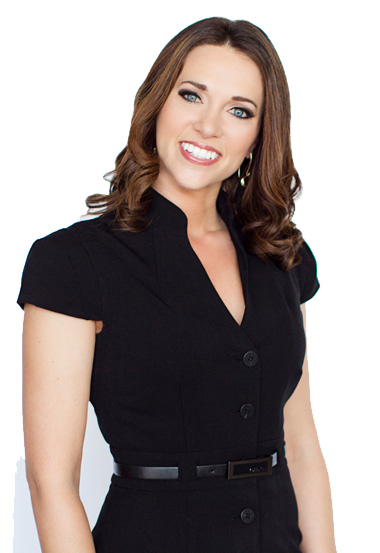
Kelly Roach joins Robert Plank to discuss the clarity and focus an overwhelmed entrepreneur needs to move a business forward. Drawing on her corporate operating experience and coaching work, she identifies gaps in business knowledge, discomfort with sales, and excessive information consumption as recurring obstacles.
Kelly recommends examining strengths and weaknesses before deciding what to learn or delegate. Some gaps require an employee, contractor, specialist, or outside service; others require the owner to develop a skill. Sales receives special attention because obtaining clients and generating income make it possible to fund the support needed for growth.
The conversation challenges the assumption that more educational content always helps. Webinars, newsletters, podcasts, and programs can crowd out execution if the owner never decides which information will be used. Simplifying those inputs creates more room to apply a clear next step. Kelly describes a client whose offer became clearer during a short group coaching conversation and who then made a first sale after a stalled restart.
Choosing a coach also begins with a specific result. Kelly encourages entrepreneurs to define the stage they want to reach and look for relevant help, rather than purchase general motivation without a clear purpose. The episode connects the value of outside perspective with the owner’s responsibility to make decisions and act. It is especially relevant to someone who has gathered plenty of advice but is still struggling to choose what to do first.
Creating room for the work that moves the business
- Assess the skills and support the next stage actually requires.
- Learn to sell rather than postpone the conversation about customers.
- Limit educational inputs to information you intend to apply.
- Choose coaching around a clear result and a relevant gap.
Resources mentioned
Podcast: Play in new window | Download (Duration: 26:00 — 23.8MB) | Embed
Subscribe: Apple Podcasts | Spotify | Amazon Music | iHeartRadio | Podchaser | RSS
Transcript
Download transcript (.txt)Robert Plank Show Episode 162 clarity, simplicity and focus. Find the right coach to achieve maximum greatness with unstoppable entrepreneur Kelly Roach.
Hey everyone, and welcome back to the Robert Plank show, the podcast where we talk about making money. Our guest today is Kelly Roach, and she is the host of the top rated podcast, unstoppable success radio. She's an international best selling author. She's the CEO of Kelly Roach Coaching, and she is on a mission to help 1 million people become financially free. So Kelly, welcome to the show.
Thank you so much for having me, Robert. Excited to be here today.
I am excited times 1000 as well. So when it comes to you know you and your coaching and the people that you're helping, what makes you different and what makes you stand out compared to everyone else,
yeah, definitely. Well, I think one of the things that's different about me, Robert, than most of the people in my space, I'll say, is that before I started my business, I was promoted seven times in eight years working for a Fortune 500 company. I was managing 17 locations and almost 100 people before I turned 30, and I had day to day tactical responsibility for the PNLs. Of all of those responsibilities, I did all of the hiring, coaching, training, onboarding and developing of the staff, and so I bring a very in depth track record to the field of entrepreneurship that many of the people in entrepreneurship don't have. And that's really Robert. What makes the coaching that we do so powerful? It's bringing timeless, proven, tested strategies to entrepreneurs that are feeling stuck and overwhelmed and frustrated, making it simple for them and giving them a clear path forward to achieve their goals quickly.
Awesome. So as far as people getting stuck and overwhelmed, I mean, would you say that? Is that the most common thing that you're seeing with with people that aren't where they need to be? Or is it something bigger? Well,
yeah, there's, there's a lot of different things, and each person is a little bit different, and we all kind of get in our own way and in a different way, but I'll tell you what some of the top trends are. Number one, Robert, a lot of people get into business for themselves because they have a passion, they want to achieve freedom, and they don't like where they are today. But unfortunately, most people that start a business do not have a background in sales, marketing, leadership and running a company. And so a lot of times, quite frankly, the reason why 95% of businesses fail is because the people running them have no idea what it takes to run a profitable business. And so that's number one. You know, people need to focus on closing that knowledge gap and really gaining the skills and the understanding of what's necessary to be successful in business. Number two is that people have a lot of trouble promoting themselves, right? So the sales part, which no one ever wants to talk about, it's something that we teach very in depth in all of my programs. Because essentially, whether you want to get investors, whether you want to get a business partner, whether you want to hire great staff and build an A team, you want to gain customers and clients, you want to charge a premium for your services, it's all sales. And so I think the second big one Robert is really helping entrepreneurs get their head wrapped around the sales piece of the business and how that touches and impacts and influences every area of their success, helping them find a path forward to sell on behalf of their company that feels comfortable for them. And then, yes, going back to your question, there, one of the third biggest things that I see with the vast majority of entrepreneurs out there is that they're just so overwhelmed. There's so much information now, it's kind of the pendulum has swung to the other side, that people are over consuming content and information, but they don't know what to do with it. So those are three of the big trends that I see, you know, certainly, with the customers that come to me for help in growing their businesses.
And that makes a lot of sense, and I can relate to a lot of that. And it's almost like, you know, as you were explaining that, it kind of made me think about, well, you know, a lot of I mean, there's definitely like a certain personality type, right? For like a person who's completely fulfilled and happy being an employee, which, you know, nothing wrong with that, versus someone who kind of wants to transition to something else. And I think that, you know, as far as, as far as like myself, because, you know, I'm no mind reader. I don't know what anyone else is thinking in their head, but as far as myself, like the the just, you know, show up, show up to an office and just do what you're told, like, that wasn't quite the right fit for me. And then I and I realized that okay, I had to to build something on my own and sort of write my own ticket and things like that. But when I started doing that, I realized that there were all these limitations that I had, like, no matter what I did, no matter what I learned, no matter what I what actions I took, there were always going to be, you know, certain strengths and that and that strength was something that you know, would help me kind of get started, maybe get me, you know, 20% of the way to where I needed to go. But then there were also all these weaknesses where, you know, maybe other people could fill in the gaps. Maybe I could, you know, partner with, with. This person, or I could, you know, hire that person and and kind of get get to wherever that I needed, we need to go in and have that sort of support system. And then, um, so, so, okay, so, so, as you said, so people's problems is that they they need to close the knowledge gap and that they need to focus on sales and promotion. And that might be, you know, one of the weaknesses that people have and, you know, people might be stuck about making this decision or that, and they might be overwhelmed because they say, Well, I only, you know, have my limitations are this, and I need to learn all this stuff, but then it's almost like drinking from a fire hose. So as far as all that happens, like, how do people sort out all the whole mess? Like, there's, you know, knowledge gap, sales and overwhelm. I mean, what's the answer to all these problems?
Yeah, definitely. Well, I think it's first you need to assess where you are in your business, what your personal strengths and weaknesses are, and then create a plan to close those gaps. So exactly what you just said there, Robert is, you know, it's not about you going out and learning everything. It's not you going out and trying to fix all of your weaknesses or change them, that's actually very inefficient, but what you do need to do is assess your strengths and then assess what other necessary components must be brought into the mix in your business in order to successfully achieve your goals. So whether you need to hire someone to do marketing for you. You need to hire an assistant, a bookkeeper, you know, whatever the case. And you know that's where the sales part comes in. Because immediately, the red flag that goes up for everyone listening is, I would love to hire a marketing person. I would love to hire an admin, but I can't afford it, right? And that's where the sales piece comes in. Every market or every entrepreneur has to learn how to sell. If you refuse to learn how to sell, even if you get to the place where your business is big enough to have someone do all that sales and marketing for you, you won't have the knowledge and understanding to manage them effectively. So step one is figure out how to package yourself, figure out how to sell your services and go get clients. You know that really is step one, get your income up enough that you can hire the right people to support you, even if it's on a part time basis, even if it's a contractor or you're outsourcing to another company. The first step is figure out how to sell and close clients. The second step is figure out what gaps must be closed in order for the business to grow and thrive and go, you know, get those resources, whether it's part time, full time, contractor, outsourced company, whatever the case, so that you have a team in place that's able to execute like a well oiled machine. And then third, with the information overload, you have to manage the parameters of what is filtered into your brain on a daily basis. So you know a lot of people you know, read and listen to podcasts and watch videos, and they're on 15 different people's email lists, and they're just consuming, consuming, consuming, but they're not producing anything. Limit your consumption to the things that you're actually going to do something with and that's the best rule of thumb I can give for everyone listening. If you know that you're getting on a webinar about a topic that you are not going to do anything with, you're not in the position, you don't have the staff, you don't have the resources, you don't have the funds. Don't get on the webinar. If you're on 15 different people's lists, and really only one of them is someone that you intend to ultimately, at some point, buy from get off the other 15 list. The problem is people have that fear of missing out that bright, shiny object and you know, and that's what keeps them stuck. That's what keeps them broke. So limit consumption to the things that you plan on committing to actually do something with, and that will solve a lot of that information overload problem. And
the kids these days call that FOMO, right? But the fear of missing out, it's so popular, it has its own acronym. And so, yes, so, so what I'm hearing as far as, like, you know, there's these three problems in these three solutions, and that sounds like the the thinking behind, you know, like, like, pack, like, figuring out your package. You're getting clients and filling in the gaps and filling in the gaps and limiting your consumption. It all sounds like it relates to to, like, what what your goal is, and what you know why you're doing what it is you're doing it, and and so. And it sounds like you know, if you know that, then everything else sort of lines up, right? Because if you say, Okay, well, you need to get your clients get some income that way you can hire people. I mean, you have, like, someone who's doing that is is clearly pointed in a certain direction in their business, they know what direction they're moving in. They kind of know what the next goal or the next milestone is, and even relating to to limiting consumption. I mean, one of the hardest lessons I've had to learn recently is that, you know, I know very little as far as in relation to, you know, the whole world, or all these things that I could know, and that's okay, but I mean, just, just knowing that I know very little, and that, you know, I have some answers, but I don't have all the answers, kind of helps me to to not make the the impulse decisions, or the wrong decisions, or things like that. So, so there's, you know, these problems and these solutions. So could you kind of walk us through maybe, maybe a case study, or one of the clients you've dealt with, or maybe they came to you and it was, it was a mess, or it was not sustainable, or just in any way, it just was not good, and then you kind of kind of ran them through the filter or deconstructed it and fixed things for them. Can you walk us through
that? Yeah, definitely. So I'll share one of my clients that very recently, like just in the last couple weeks, did a total business transformation. So he had had a successful business in the past, had had some major life events that took him off course, that business kind of crumbled, and was in the process of reinventing himself, starting something totally new, and was really just kind of frozen in overwhelm of, how do I make this work? You have a little bit of that feeling of embarrassment because you're putting yourself out there, you're asking for business when maybe you haven't had to do that in 15 or 20 years, and you know, really just wasn't making any traction. And so what we did was we came up with the value proposition for the new business, exactly what problems he was solving, what package he was offering, and at what price point. And this was probably about three and a half weeks ago that that we went through this on one of our group calls for the unstoppable entrepreneur. And since then, he's sold five or 650, $800 packages on the spot by simply getting customers into phone consultations with them. And that's a really simple example. Because, you know, and I share that Robert, because, you know, entrepreneurs, we over complicate business. We over complicate business. You know, we go through five and six and seven layers of steps that we take to ultimately close a client when many times the solution lies right in front of us, get on the phone, get on the phone with the person that wants the solution that you're offering. Make an offer to them, help them get the result that they want, and they're going to pull out their credit card and pay you money for that. And you know, I think really simplifying is one of the most important things that any entrepreneur listening can do to make more money quickly in their business.
And that's, that's kind of what I'm hearing from you. That's what I'm taking away from this. The story that you're telling is that, you know, when you when this client, you know, had all these, these issues, you were able to go in and simplify and maybe, you know, looking from the outside, and get some perspective, because if they're in the middle of their business, there's all this, you know, chaos swirling around them, and you kind of look at it and say, okay, out of all the things you're doing, here's a couple, a handful of things that you're doing. And it also sounds like, as far as you helping this client of yours get their own clients, it's like it's almost the same process, right? Because you're there helping them simplify, and then they are in, you know, whatever niche they're in and whatever skills that they have, they are also simplifying for other people. I mean, is that? Is that correct? Is that kind of on the right track? That is
exactly it. And I just can't emphasize enough the simplicity. And I mean, it literally took us 10 to 15 minutes on a group coaching call to work through all of this, and I think it was within 48 hours that he closed the first client. And it's clarity, simplicity and focus, and that's available to all of us, but sometimes you do need someone looking from the outside. And it's not that I did anything special, but it's just that he raised his hand and said, I need someone looking from the outside in, because I am in the middle of all this chaos, like, please help me get clear. Please help me simplify. And once we did that, he was able to take action with confidence and from that generate results,
awesome. So I mean what I mean, you know, as we're, you know, discussing, you know this, this really, this really simple idea of having a coach, having someone you know, help you along to to break through the things that you can't break through, or make those decisions, or solve those problems that you know you can't necessarily solve on your own. I mean, what would you tell someone who kind of is listening to this podcast, maybe, and says, you know, I don't need a coach? Or maybe, you know, I tried having a coach before, and it didn't work. I mean, what would you tell someone just to kind of play devil's advocate here? What would you tell someone who is just completely against this, this model that you're talking about?
Yeah, definitely. Well, the first thing, as far as having a coach, there's a reason why you've never seen an Olympic athlete that doesn't have a coach, and that's because you need a coach in order to become an Olympic level athlete. So all the top performers in every facet of anything in the world realize that a good coach is going to help them to make leaps quickly in their progress and see what they can't see in order to uncover those goals. That's why, if you interview any top millionaire billionaire, you can go as high as you want. They all have coaches, mentors, people that they work with regularly that are giving them feedback on on things that are their blind spots in their business or in their life. On the flip side, for people that have worked with coaches in the past, you know this client. For example, that that I gave the success story of he's just obviously one of many members of the unstoppable entrepreneur program, but I'll go back to him. I'm the sixth coach that he worked with. So, you know, sometimes it takes you a little while to find the right person that's the right match for you that can help you make the progress that you need to in your business, and there's a lot of elements that go into whether or not a coach is going to be able to help you or not, whether or not you're going to make results working with a coach, some of that obviously has to do with the coach, but some of that also has to do with your readiness, right? So we all know there's been many things that we've all committed to over our lifetime that we've started off strong and then kind of fallen off the wagon, or whatever the case, if you've worked with a coach in the past, you have to really honestly assess yourself and the coach and say, one, was the coach capable and qualified and able to help me to get from where I was to where I wanted to Be, and two, was I committed? And did I do everything that I possibly could have done to take what was, you know, in front of me and put it into action and put it into work, and only the person listening can answer those questions.
Interesting, and that's kind of a cool, interesting way to put it in, you know, there's two sides of the coin, right? Like, number one, you might have the wrong coach, like you said, like you're the you're the sixth coach, and then, you know, maybe in the past, that particular person, maybe they hired some coaches that either, you know, just weren't good in general, or maybe were good but weren't the right fit before coming to you. And I'm hearing that, okay, so as far as if someone is is not committed or is not coachable, maybe they did find the right coach, but then they didn't have their own drive within them. Because, I guess the the coach, you know, if you have a coach, you have someone telling you what to do. They can tell you what to do, but they can't really drag you in or in the direction of where you want to, want to go, right? It's like you have to have some of your own, like, inner motivation and take that, that advice, and point it where they need to go. Oh, go ahead.
Sometimes you you can hear different messages at different points in life, and they can mean completely different things to you. Sometimes you can hear a message and you're not ready for it, and it goes right over your head, whereas other times you hear it, and for whatever reason, it lands, and it can be completely life changing for you. So that's just, it's never too late. It's never too late. There's always another opportunity. There's always something else you can do to move forward. There's always someone out there that can help you, you know, get from where you are to where you want to be. But everything begins and ends with openness.
Openness, okay, and And so along the lines of, of, it's not too late. Or, like, you know, you you listen to something, or you you watch something now, like, whether it's a course, a book, a movie, whatever, I mean, yeah, I can totally relate to that. Like, I want, I watched something that I watched, you know, 10 years ago. And even it might be the exact same thing, but it's a completely different experience to me. So along the lines of of, you know, like, maybe if, if someone isn't isn't quite open, or isn't quite ready, or if you know, things are going well, but then kind of deteriorate. Like, have you come across that? Have you come across maybe, where, if someone is looking for a coach, looking to get advice, is there any kind of situation where it's more of like a, like a limited lifespan. Or maybe, you know, there's a client and they go to a coach, and has it ever been the case where maybe they they get everything they're gonna get out of that coach, or they get to the extent of that coach's knowledge? Like, is there, is there a case where, yes, someone can have a coaching that kind of gets played out?
Yes, absolutely. And I have that experience very frequently in my programs, most people that come to work with me have worked with many other coaches before they landed on my doorstep. And it's not in all cases that those previous coaches were bad or weren't successful. I have many people that have come to me that have had a great experience with other coaches, and they've had a lot of success, but they knew that the next level coach was what was going to be necessary in order for them to go to the next level. So, you know, obviously a coach can only help you get to the level. You know that they're capable and competent of helping you to achieve and just because someone isn't, you know, at the billion dollar mark or at the million dollar mark doesn't mean that they're not right for you. And what I mean by that is sometimes you have to weigh out the pros and cons of working with someone that's one step ahead of you versus 10 steps ahead of you. Sometimes you need someone that's one step ahead of you. Sometimes you need someone that's 10 steps ahead of you. And you know, if you do someone that's too close, there's pros and cons to that you do someone that's too far there, they have a pretty significant distance from the time that they actually did what you're doing, so that can pose a problem. It's really an ebb and a flow and a balance. And yes, you know, many times successful entrepreneurs are going to work with a variety of different coaches over a period of time. For exactly that reason, you're going to work with someone up through their. Capacity and how they can help you, and then at different times in your life, you're going to work with different coaches for a very specific reason. That's not for or against that person that you worked with previously. It's just when you're seeking something specific. You know, everybody specializes in different things, if that makes sense.
Yeah, it does. And and it kind of relates back to the beginning of our call, where it's like, you know, know your goal, know your why, and, and, and you know that they're really hit home for me when you were talking about, you can have a coach who's, you know, one step ahead of you versus 10 steps ahead of you. And a lot of us entrepreneurs, I mean, we would love to say, Oh, well, can I just get, like, Mark Zuckerberg to be my coach, or Bill Gates or something? And it's like, well, that's a great idea. But if Bill Gates has something to tell you, like it's not, it might be real general advice, as opposed to, you know, if you say, if I'm making, you know, 100 grand a year, I want to bring it up to 500 grand a year, I'll have a coach that that knows my business more. And so then, and it sounds like it kind of gets back to to what like being clear about your goals and knowing what you want to accomplish. And if, if you think that, if, if you're with a coach who's like too far, I mean, it's almost like too far out of your league, almost right, or like too many steps ahead of you, versus someone who's more more relatable. And then if a coach kind of plays out, it's like, well, is all my goals still kind of being hit, and is the reason why I got into this, this coaching relationship, so to speak. Is it, is it still working, or is it not working right? Like, is this getting me exactly closer to my goals or farther away from my goals Exactly?
And I've experienced both. You know, I always hire coaches for my business as well, of course, because I want to keep going. And you know, I've experienced both, you know, I've seen both sides of the spectrum. And so, you know, really, what you have to do is exactly what you said there, Robert, you have to be clear on what your specific goals are. Why you would hire a coach at this point, like what specific result you want to achieve, and then you want to measure that coach against their ability to help you achieve that specific goal. You can't measure them against anything and everything, because you may be missing out on making the right assessment as to whether or not they can help you achieve what's next for you. If that makes sense, yeah,
it does. And I mean, just everything that I'm hearing from you today is, is it just, it sounds like it's the big thing about a coach is just to navigate the extremes, right? Like one extreme is, I have the fear of missing out. I've got it just taken everything, and then it sounds like that almost leads to the the opposite extreme of, okay, now I've heard everything now overwhelmed. I have no clarity. I have nowhere to go. And so that way, it's like you can tap into someone's years or decades of knowledge without you having to go through that process, without you having to absorb all that stuff and then so and because it's like that person that you're talking to has gone through all those years of of getting to the mastery phase, right? Of the other thing, where they know all this stuff, but then they can, it's all kind of well organized in the mental filing cabinet. And they can just, you know, pluck the one thing that way. You don't have to get this huge brained up of information. It's just you gave me all this stuff. Here's the input. The answer is this one sentence,
exactly, exactly. So great. So, I
mean, so everyone needs a coach, even you have a coach. So I mean, tell me about about you and your coaching, and about about your websites and stuff like that.
Yeah, definitely. So my flagship program is called the unstoppable entrepreneur, and it is a 12 month business training, coaching and mentorship program. And I specifically say training, mentoring and coaching program, because those are three different and very important things. One, it's focused on filling the knowledge gaps that entrepreneurs have that prevent them from succeeding. Two, it's giving them real time advice on what to do, when and how in order to achieve the goals that they have set forth. That's the coaching part. And then the mentorship overall, is really getting to know the people in the program, understanding what makes them tick and helping them not only build a business that supports their goals and dreams, but but to create that around a life that they really love. So it's a 12 month program. People can check it out by going to Kelly, Roach coaching.com, forward slash, yes, and it includes a membership site with over 100 trainings and all different topics to help you build and grow the seven figure foundation for your business, from podcasting to marketing to list building, we teach you a to z how to build a webinar system that sells for you. Sales, A to Z. I mean literally, it's very in depth, boots on the ground training to really make sure that you not only understand what you need to do, but how to do it. We have weekly coaching calls, a private Facebook forum and a whole ton of other things that go with that. But if there's people listening that want to learn about what we do at Kelly Roach Coaching and how we help people grow, that's a great spot to check it out. Kelly Roach coaching.com. Forward slash, yes.
Awesome. So Kelly. Roach coaching.com. Forward slash, yes. Thanks so much Kelly for coming on the show. I mean, I know that this, this, this whole idea of having a coach, you know, might be a blow to the ego of some people, or it might be even kind of awkward and scary to, you know, dig deep and and be introspective and look at where things are failing, where things could be better, but, but, I mean, once, once people kind of get past, get over themselves, I guess maybe or get past that. I mean, yeah. I mean, I think we've all, at one point or another, seen the power of of a coach to not only keep things simple for us, but also kind of give us the power and get us to where we need to go. So I mean, thanks for coming on, on the show, and everyone should check out the unstoppable entrepreneur program at kellyroach coaching.com so thanks for being on the show, Kelly.
Thank you so much for having me. This is great.
Hey, it's Robert Plank. Did you enjoy your interview with Kelly? Did you get something out of it? If so, go right now to Robert plank.com and check out our many other episodes. Thank you very much. You