Published Last updated
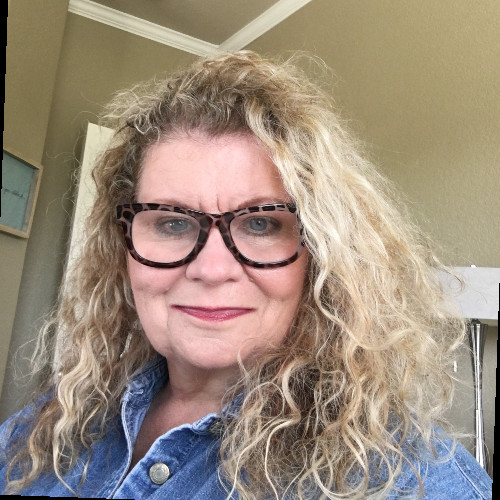
Read Renee Balcom’s bio and speaker profile →
View in Podcast Library: stories, quotes, books, and resources in one place.

Renee Balcom covers Healthy Aging Productivity in this Marketer of the Day episode. Healthy aging and lasting productivity come from intentional self-care, focused priorities, and staying engaged with meaningful work throughout life. Renee Balcom starts her days around 4 a.m., using roughly three quiet hours for writing, planning, classroom preparation, and focused projects. She organizes work into calendar blocks while leaving flexibility for unexpected responsibilities and necessary downtime. Renee emphasizes moderation, good sleep, regular movement, hydration, and personal quiet time as foundations for maintaining vitality well into later life. She also recommends visualization to mentally rehearse important tasks and make progress feel more deliberate. For healthcare, she advises writing down questions before appointments and using a professional health advocate when serious diagnoses make information difficult to process.
Renee Balcom is the CEO of Renee & Company and has proven to be a serial entrepreneur. During her time in Oregon Renee found that her true passion and mission is to change the cultural point of view about aging. Often you will hear her exclaim that ageism is the last acceptable form of discrimination in our society. After working with hundreds of Elders, Renee came to realize that most of the information being provided to us about aging is wrong – most of our beliefs about getting older is wrong.
She’s here to explain how to find a new calling, take care of your health, and stay motivated/productive at any age.
Quotes:
“As we age, there’s this idea that we’re all going to kind of go into wheelchairs and walkers and be sitting in corners, and that’s absolutely not necessary. We can move through our life with vitality and energy.” – Renee Balcom
“When we get in front of the doctor, oftentimes we forget, or our mind goes into a different space. We have fear, and we deal with white coat syndrome, and we don’t always articulate ourselves.” – Renee Balcom
“I’m not in the world of acquisition anymore, so I don’t need to acquire any more stuff. I have what I need.” – Renee Balcom
Takeaways:
04:40 Health advocates can help patients navigate complex medical systems and reduce stress during challenging diagnoses.
12:15 Retirement isn’t about stopping work, but finding new ways to contribute and stay purposeful.
20:30 Writing down key points before doctor appointments helps ensure clear and comprehensive communication.
26:50 Aging doesn’t mean decline; with moderation and self-care, people can maintain vitality and clarity at any age.
33:40 Patients should feel empowered to pace their medical appointments and ask doctors to slow down and discuss concerns.
Resources
- Phone number: 541-661-2369
- Email address: renee@reneecompany.com
- Renee & Company (Official Site)
- Renee Balcom (LinkedIn)
- Renee Balcom (Facebook)
Podcast: Play in new window | Download (Duration: 37:49 — 34.7MB) | Embed
Subscribe: Apple Podcasts | Spotify | Amazon Music | iHeartRadio | Podchaser | RSS
Transcript
Download transcript (.txt)Marketer of the Day episode 574, live long and stay productive at any age, self care, visualization and moderation, with serial entrepreneur and health advocate Renee balcom. Hey
everyone, and welcome back to the marketer of the day podcast. We're chatting with Renee balcom. And Renee is a certified community health worker, and she's an adjunct professor, and she lives in Oregon, and she knows a lot about elder care, and she ran a business that provided health advocacy and care management services. So we're gonna hear about what Renee has going on these days and what we all need to know, because it's only a matter of time. We will all be old eventually, and we might have those family members that need that extra little bit of help. So it's always good to know what we're going to need to know at a certain age. So Renee, glad to be talking to you.
Thank you. I'm excited to be here. Thank you, Robert.
I'm excited too. So Can you fill us in on what it is that you're up to these days and what your business is all about.
Sure. Well, as you mentioned, I am an adjunct professor at Los Rios Community College District, and one of the things that we're doing there is we're launching a program to certify community health workers. And a lot of people wonder like, what is that exactly? And community health workers have a little bit of an identity crisis because they fall under a variety of different titles. They do the community health worker is part of an outreach team. They do health advocacy. They're usually health educators and health ambassadors. You'll see them out at health fairs, and then they also work clinics and in hospital settings, and they are part of the continuum of care provided for individuals and for patients. So So they do a variety a variety of different work. They're really valuable in the system, in the healthcare system, because it's a low cost liaison from the patient to the provider and and also it's a it's a resource for the patient to be able to utilize them, to help them maneuver through the various healthcare systems and social services systems. So I teach that, I coordinate that program and teach that program. It's brand new. We're launching in the fall. Now we're really excited about it. My background, I worked in Oregon as a community health worker. I owned a business there and employed 29 community health workers in southwest Oregon. But I also was seated by Governor kit popper at the time and helped write the scope of practice for the community health worker for the state of Oregon, and chaired that committee at a state level. So in Oregon, we have state certifications, and in California, we don't have a state certification process yet, and we'll see kind of where that goes on the political route. But for right now, we're just doing a local educational certification at the college level.
Okay, so it sounds like so you have all these impressive credentials, and just the way that you're explaining all this, it sounds to me like there are things set up for health care and for social services, but it might be just a huge mess to navigate them and so that we need people like you to bridge the gap, and there needs to be more people who are trained and certified in this sort of stuff. That way we can make this really complicated. Thing simple is that right,
right, right, and you're going to find that these workers have different specialties. So as an example, I'm actually a personal health advocate, professional health advocate, and so I work specifically with individuals and help them maneuver through the healthcare system. So let's say that you are diagnosed with cancer and you're looking for a specialist, and one of the things that happens is, when we have a severe diagnosis or we're chronically ill, we really have difficulty processing through a lot of the information and a lot of the choices that we're asked to make, so a professional health advocate or community health worker can come alongside and assist you in kind of sorting through the information and making the health decisions that's right for you, also in getting the right specialist lined up and the right documentation and paper lined up. So So I actually provide that service as a community health worker. And then I also, and again, there's kind of an identity crisis. So you'll hear me shifting, you know, from different titles, but in my case, I call myself a health advocate, because that's what I do specifically. And then also I'm a billing specialist. So today, because of lots of changes in the billing codes, you can pretty much count on the fact that nine out of 10, this is statistics that you can Google and look up. But nine out of 10 medical bills are incorrect, and they are incorrect almost up to 20. Least 20 up to 25% so if you have a, you know, $1,000 medical bill, you can pretty much count on 250 you're overpaying that bill by $250 so one of the services that I provide is I review those bills and negotiate those issues and mistakes out of the bill, and assist my clients in getting reductions in their medical bills.
I mean, that is, I do that too. Oh, go ahead.
No, that's, that's the other thing that I do, personally, as a professionally, as a health advocate.
Okay, so you have multiple titles, multiple hats, and that is a pretty scary statistic, and but I definitely believe it. And I mean, not to, not to go into the the political, whatever side of it, but as we all, I mean, I think everyone pretty much agrees that health, healthcare in this country is not the best. It is a little bit of a mess. So we need, yeah, we need the service to make sure that we, like you said, we aren't overpaying, or we don't slip through the cracks. And so you have all these different sort of things that you do. And how did that take shape? Like was this? So I imagine this was your, your profession, years ago, and evolved into this.
No, no. Actually, I worked in technology for 25 years in the Bay Area, and in 2001 I moved to Oregon, and kind of semi retired there, and found that retirement just wasn't in the cards for me. So I started working in in our small county, in our small community, and realized that there are big gaps in in healthcare and big gaps in people's ability to access care and supports. And so I kind of just started with one client at a time, and then found myself, you know, pretty quickly, actually servicing several clients in our county and two other adjacent counties in southwest Oregon, and working in that area to assist people in navigating the healthcare systems. I've been asked a lot of times what that transition was like going from technology to healthcare, but actually the similarities are pretty amazing, because, as you mentioned, healthcare is multi layered, and it's pretty fast moving. And we needed to have, you know, green technology into healthcare, and we needed to have people like myself that are kind of faster movers in the system. And so I found it to be a pretty easy transition to move into into the support system of healthcare. So from there, I pursued my certifications and started working to make certain that I had the credentials that I needed, and launched a second career. Super
awesome and and, yeah, I can definitely see how you you take your technology background and apply it to this fast moving health care sort of thing. And what that just reminds me of is a few weeks ago, I had some ring in my ears, and I had to go to the doctor, and hadn't gone to an actual doctor in in a few years, and they it was a really high tech sort of place. They used a web camera to take a picture from my file. I was in and out in under an hour, and I was really impressed with how the it's fine. A lot of things have finally been digitized. It used to be if I went to a doctor appointment, I have to get there and half an hour an hour early, I have to fill in all sorts of forms. But with this, just went real quick with the computer system. And it's it, it was really great there. And so, so that's that's good that things are getting up to date in that aspect. But then what I found interesting that you mentioned there is that you like retirement wasn't for you, right? And a lot of people, myself included, we all think, Okay, well, by the time I get to whatever age I'll be done, I'll kick back, I'll just get get the cabin on the lake and read a book every day. But it seems like it's a really common thing now where people it's not necessarily a money situation, it's just that they get to that age and they're like, oh, I don't want to stop I don't want to get bored. I don't want to just wait around to die. So can you, like, unpack that a little bit like, where that kind of not going into retirement came from, like, that sort of drive to not give up and keep doing something awesome.
Well, I actually determined that I kind of don't believe in retirement. I think that there's always something that we can do with our skills and our talents and and I found pretty quickly that, you know, just kind of lounging around and maybe even thinking about exploring some hobbies. Wasn't, you know, my hobbies were really, was really working with my neighbors and getting acquainted with my community. So it didn't take me long to find myself back in, in kind of a service business. This environment. I think that as we you know, and even you know, my plan at some point is even to do stand up comic comedy. And I think, you know, when I get into my 70s, like the world's going to really need, you know, a funny old lady. So my goal is to have several more careers as I age, you know, out of this life, but one of the things that has happened is, you know, as I've when I left technology and I got into working in with individuals in healthcare, I really realized the the gaps and the deficits we have in our culture, and that people really do need kind of a hand up, and they need someone to come alongside of them and help them. And so it was, it wasn't difficult to find a space where I could use all of the experience I had in the Bay in Silicon Valley, because I was the president of a tech company there. It wasn't difficult to find a space to take those talents and those gifts and that experience and put it into, you know, helping my community and reaching out to other people. And I talk about that a lot. I'm invited oftentimes to speak to groups. And, you know, I encourage people, even if you're at home and you're a stay at home mom or, you know, you find yourself kind of in retirement trying to figure out what to do to reach out to your neighbors. You know, go out your front door, look to the left, look to the right, look across the street and, you know, make certain that you're checking in on the people around you and that they're getting, you know, the supports they need. And I promise you're going to find purpose out there. You're going to find someone that needs, you know, your help, whether it's a ride to the doctor or to the grocery store or pick up something for them, or keep an eye on their dog while they take a vacation. The people around us, you know, we need each other. We're a community of people living amongst each other, and we need each other. And in that effort, you're going to find a whole new calling for your life. So for me, I don't, I don't really see retirement in the cards. For me, I've decided that it's just not part of my my life. Well,
fantastic. Well, you're in career number two out of three, right? You already did the Silicon Valley stuff. Now you're doing the healthcare stuff. And then stand up comedy is next. And so there's lots of, lots of good stuff there.
What's that I might have a while to like, I might have a while till I get to stand up comedy. I do have, I'm kind of a serial entrepreneur. I've, you know, saw that that phrase and that that may really apply to me, because I'm also working on doing, I have a book chapter that I'm writing. I'm toying with the idea of a script for a television show. Again, one of the things that's interesting working with people is you have to find the humor in that. And I've really met some unbelievable and amazing people, and I just really want to document those experiences, and I feel like writing a book and maybe even a television show, really, you know, brings to the forefront of our culture some of the information and some of the education that we need. So, so that's, that's some of the projects that I'm working on right now, too. All right.
Well, great. So you stay busy with, with everything, and yeah, and there's, and you lived all these life experiences. Why? Why just, you know, keep it inside of you. Why not share it with others so they can get the value in in that as well? And so how do you kind of find time for everything that's important, like you have all these projects, but as you know, if we don't have a good enough structure or discipline or time management, then it's easy for us to get stuck doing those unimportant tasks, or to be spread super thin and always switching gears. So do you have any secrets or any advice to getting it all done, but then also, kind of doing it fast and staying on track?
I kind of do, yeah. First of all, I'm an early riser. I'm usually at my in my office. I have a home office, and I'm usually in my office at about four in the morning, and it really gives me time to kind of get focused and focus my day. That's also a time where I use, use a lot of writing time, because the world is pretty quiet at that time in the morning. And then I also I block off parts of my calendar for specific tasks. And so the part of the work that I do with the college really is part time work. It doesn't require a 40 hour week. So I can get that work done in less than 20 hours a week, which opens up opportunities for the health, net, health advocacy work that I do and then some of the other speaking work that I do. So So my recommendation is kind of look at your calendar, block off times and just really commit to those, to those times and the task that you want to put into those blocks. And that's how I manage my time. And I usually don't work too much on weekends. I'm pretty committed to Monday through Friday. Day, but I seem to be able to manage my time that way.
Okay, great. So you're an early riser, and you use that calendar to create these blocks of time. And are these, like one hour blocks or half an hour or two hour what's the structure of bear
in the morning. So usually it's about three hours in the mornings for writing and focusing on, say, any classroom work that I need to do, or any work that I need to do with writing a presentation, putting PowerPoint together, those kinds of things. So I do that kind of work early in the morning, after eight o'clock, I usually have a little bit of a personal quiet time in the morning as well. And then get myself together. And once I'm ready to go out into the world, I will go out and meet with clients. I'll schedule my client appointments in the early in the morning, say, after 10, between 10 and two, I may do some community work, and then later in the afternoon, I may be out meeting practitioners and doing some work out with potential referral sources later in the afternoon. So those are kind of, that's kind of how I block off my time. Okay,
great, yeah, you have those different things for different times in the day and and it's that there's two things in there that are that you mentioned there, that I think are really important, but also really underrated and often overlooked by a lot of people. And that is number one, that you have that personal quiet time and seem, it seems like a really easy thing to say, or an easy thing to, you know, hear and say, Oh, that sounds like common sense, but it seems like a lot of people don't make time just to, just to hang out and have that that quietness and that stillness there. They're always running around, always lay, always jumping out of bed, and then this that, this whole idea of being an early riser and getting getting the important stuff out of the way early on, so that way everything else doesn't get in front of you. I think that's that's so important. And I used to not be early riser morning person. I used to sometimes I'd stay up super late doing writing and programming, and then I'd wake up at nine or 10 in the morning the next day. And I thought that that was okay, until I read all these different studies of all these successful people that wake up early, and then there's also some sort of chemical in your brain that helps you make good decisions, which you run out of throughout the day. So that, and that explains why a lot of crimes and bad decisions by people happen late at night, because they stayed up too late. They ran out of that that chemical during the day. And so as far as like planning your day and blocking out the calendar, something that happens to me, not super often, but every now and then, is I'll block out some of those things in the calendar. And as long as I maybe block out three items or less, it's okay, but sometimes I find myself blocking up the calendar too much, and then I don't end up not following it, and then it's useless. So have you experienced this, or have you seen something similar to this, that there seems to be some sort of sweet spot between planning enough and not over planning?
Yeah, I would agree, and I've done exactly the same thing where I have these I blocked out my calendar. I have all these tasks, and I just can't get it done. And it's like, so I've had to learn how to edit and and, you know, determine the task that I need to get done prior, write them down, prioritize them, and then use my calendar, you know, efficiently, but, but it's something you know, all of us are going to move through tasks differently. It's something that I, you know, encourage people to experiment with and just edit. You know. I also think it's important to leave some flexibility, because, as you know, you know, the best laid plans can oftentimes be upset because something comes that you have to attend to immediately. And so, you know, you just have to kind of learn to forgive yourself and give yourself some flexibility. And, you know, and I even there are times when I look at my calendar and I know things are getting really busy, and I block off just some, you know, downtime, because it can be overwhelming, and you really do need to take care of yourself. If we could revisit the quiet time topic a little bit, it is so important. Like you were saying, I used to roll out of bed and just roll right into my day, and I have to say I was not as productive. And you know, because you you're Hurry up, you roll out of bed, you hurry up, you get dressed, you're sitting in traffic, and it's just not as productive as taking even 15 minutes to just center yourself and really have some quiet time and just, you know, check in with yourself. How are you doing? How is your heart? How is your life? How is your you know, loved ones and your family doing and just taking that time that. Check in and know with purpose how you want your day to roll out. I also am a big supporter of visualizing. And so, you know, things that you want to get done, that are necessary to get done. I think visualizing through that is can be really, really productive, and it's interesting, because once you visualize it, you can just march right through certain things. So I really recommend those disciplines.
Yeah, that's a good reminder for everyone. I think that we, a lot of us, don't do that enough, or don't do that often enough. Spend that that downtime, quiet time, early on, 15 minutes to check in and see how things are going with you and what you want your day to look like. And then that visualizing to make sure that that you know it, it all goes somewhat to plan, right? So that way you know that well, if I just jump into the day with no plan, I'll might end up wherever. But if I have some sort of a goal, if I if there's something that it's really important that I want to get accomplished, then I might hit it. I might not hit it, but if I don't hit it, I'll make some of that progress, and then I can edit, readjust, and if I do hit that goal, then I'll feel good about myself. I'll know that I've accomplished something. I set a target, I hit the target. And so as we're talking about all this, do you think that that all this, you know, productivity stuff? Do you think it gets more difficult as we get older? Because sometimes I'll have some customer who tells me they have brain fog, or this reason or that reason why it's just harder to focus, or they run out of energy. So do you think that, is that, is that a real thing, or is it, is that just excuses and bad habits?
Yeah, I I have not had that experience, but so I would say that it, you know, and all of us are different physiologically, but for me, I just don't have that issue, you know, I think, I think it's important that we take care of ourselves. And I've, I tell you, I've worked with hundreds of elders in our population, and the ones that are really the healthiest, and they're the most vital, and I mean people up in their 90s, you know, they, they pace themselves. Everything is in moderation. They don't most of them don't withhold anything that they want from themselves, but they just do everything moderately. They get good sleep. They make certain they get some form of exercise. I had a client that was 101 years old and still took a walk every single day. You know, they move their bodies. They make certain that they're drinking, taking in a good amount of fluids and clear waters and and I, and I don't for the most part, you know, there's, there's this idea that as we age, that's another big hot button for me, is ageism in our country, but as we age, that we're all going to kind of go into wheelchairs and walkers and be Sitting in corners, and that's absolutely not necessary. We can move through our life with with vitality and energy. And there's a lot of misinformation in our culture about aging, so I encourage people to look forward to it. I think you have I know for me, as I've aged and I'm 60 years old, but as I as I getting processing through my life, I have more clarity. I understand things that are more important to me now than they were before. I'm not in the in the world of acquisition anymore, so I don't need to acquire any more stuff. I have what I need, and I know that's different than for people that are younger, like yourself, that are still in in the acquiring mode, but, but I will say that if you just take care of yourself moderately, you will have all the clarity that you need if you're healthy.
That is very good advice, everything in moderation. And the reason I bring that up is just because I was just thinking back to I had a long time customer once who he just told me he couldn't make this internet marketing thing work. And I said, Well, why? And he said, Well, it's because. He said, Well, I'm 64 years old, and when I watch your videos, there's some sort of flashing green border and and he just kept mentioning his age. And I was, I was a little bit puzzled by that, especially because at that time I had an uncle who was 85 years old and had just gotten his PhD. And then you look at, you know, people like William Shatner, for example, right late 80s and still keeping the brain going, always acting, always doing stuff. And some of these older people have more energy than the young people. So that's really reassuring for all of us to hear that as we get older, it's not going to be slow decline, as the stereotypes would suggest, but we, I mean, we do need to take care of ourselves and be careful about things, but we'll we'll be things will make more sense, and there'll be less urgency, because we're. Not in the acquiring stage. We're in the fulfillment giving backstage, right, right,
right. And honestly, 64 is really, really young when you're describing his health issue, I'm almost wondering if he was having eyesight problems or, you know, there was something going on physiologically, because 64 you know, the average male is going to live to 84 in today, by today's level, and the average female is going to live to 87 you know, by the time I get into my 80s, that's going to be up into the 90s. So 64 is really young.
Well, good for all of us to hear. And so, as we're, yeah, so as we're winding down here, would you say that is there, like, a big, just like low hanging fruit, easy thing that people need to know just about this whole, like, health advocacy, healthcare thing, like, as we get later in the years, and, you know, some, sometimes you might need to go to the doctor more often or check up on more things. But is there just, like, one or two, just easy pieces of advice as far as our our health and our quality of life that you think are really important, that we should all be following?
Um, yes, and i The number one thing that I want to encourage people is to really look into getting a health advocate. I have a young client right now. She's 25 years old. She was just diagnosed with early stage cervical cancer, and what happens is, as soon as you hear something like that, and she's beautiful, healthy, amazing woman. You know, she is in the gym every day. She eats well, she takes good care of herself. But this just came up. Her diagnosis just came up a week ago, and you know, she what happens is you get very myopic and you're afraid now, now you have to move through the healthcare system, and you're fearful of what the next steps and what, what other information you're going to hear about. So she's hired me to come alongside of her as a health Advocate and assist her in those appointments and make certain that she understands what the doctor's order is, to assist her through her treatments and make certain that she's got all the supports, maybe a nutritionist that will come in and prepare meals for her, and just make certain that she's getting everything she needs for her well being and her overall health. So I encourage everyone that is in the healthcare system or has a medical issue, or a loved one that has a medical issue to look at getting a health advocate, because I there it's such a low cost assistance in processing through this system, number one and number two, you know, being compliant and hearing your doctor, one of the things oftentimes we go into the doctor, and there's this thing called white coat syndrome, and we all have a little bit of it, and it's where we go into the doctor, and the doctor comes in and says, How are you doing? And all of a sudden we're telling them, you know, we're okay. Because, you know, most of us were brought up kind of, you know, if you can't say something nice, don't say anything, right? And we expect the doctor to understand what's going on with us, but we don't often articulate ourselves and exactly what our needs are. So there's this communication gap that goes on between patient and doctor. One of the things that I encourage everyone to do is write down the points that you need to make to your doctor, and literally write them down. Take those notes in with you to the doctor and make certain that you're touching on every point. Because when we get in front of the doctor, oftentimes we forget, or we our mind goes into a different space. We have fear, and we deal with white coat syndrome, and we don't always articulate ourselves. Then we leave and we think, Oh, I wish I would have told the doctor that so so have a good, organized meeting and communication with your doctor. Again, use a health advocate if you're in a critical situation, or if you're very sick, or if you're dealing with diagnosis that is, is a severe diagnosis. You know, have a health advocate come and work with you. The other low hanging fruit is, you know, as we work with the aging population, I think it's important to make certain that they're getting the care supports that they need. And we have a lot of aging people that are driving cars that shouldn't be driving anymore, and they're afraid to surrender their licenses, because how are they going to get to the grocery store? How are they going to get to the doctor? So so there are lots of services that are coming up now that are becoming available to assist in our sick and aging population. And I encourage people to go out and learn about those and find out what those are, and, you know, make certain and utilize those services
Well, three pieces of great advice. So learn a little bit about these services that are of. A little to us. I mean, that's why they're there. If we are a hit with some huge, crazy, scary health emergency, then looking to getting that health advocate, because it helps to have someone who is knowledgeable in the system. And I mean, it makes it makes perfect sense thinking about it now, but when we're in the middle of it, this really scary situation, there's all this uncertainty. We can't necessarily think clearly, right? We might not be completely focused, because we're worried about all these different possibilities, or what's going to happen with my health or my dice. And so that, as you explain that, it makes perfect sense that we need to just make that a thing now, where, if we have this health situation, get a health advocate. And then also, I think the thing about writing down the points when going to the doctor, I think I'm going to remember that forever and ever and again. It's really simple, but really easily overlooked. Because, I mean, I think we've all been there too, like we might think, Okay, well, I'm going to tell the doctor when this started, or this story, and you think in your head like, Okay, well, I have like, these four talking points, but then when the doctor comes, you don't want to be a complainer and you say, you think, Well, I don't want to ramble on too long, because the doctor's only going to listen for a short amount of time, but I want to make sure that I have the right details. And then in our rushing through things, we might over emphasize point number two, we might forget about point number three, so that that really makes a lot of sense to just have those few bullet points figured out, so that way we can have time to think, because there is that very limited window when we're with the doctor, so we want to make sure that we're articulating all The information, but in kind of a little bit of a compressed, compressed length of time there. So write down those points and take those notes in. Might seem sort of silly at first, but I mean, it's, it's your health we're talking about, it's your livelihood. So be have a little bit of preparation, the same preparation you might have for like presenting a speech in school right at least have those few bullet points. That way you don't miss things, or that way it's not too just sloppy of an explanation, and then the way the doctor doesn't have the right information. So lots of interesting things for us to think about, as far as getting older, taking care of ourselves, finding that life purpose, making sure that we get it all done. Do you think we left out anything here Renee and any gaps to fill in?
No. In fact, I think we covered a lot of ground. I really do. The last thing that I want to encourage people to do when they see their medical provider is it's okay to ask, because the doctors kind of, you know, they try not to. I mean, they're humans, but, you know, they're, they're tasked to try to see a patient every 10 minutes. So that's a big I mean, when you think about in your schedule, you're going to talk to a different person every 10 minutes, right? That's a lot, and it's a lot of multitasking for the brain to do. So it's okay for that when the doctor comes into the room for you to pace the doctor and say, can you sit down with me and talk to me about a few things? And I promise you that when you do that, the doctors almost relieved for the patients and take a little bit more control of their appointments and ask the doctor for a few minutes of their time to talk about a few things. So really, really, I encourage people to step into your health care and and take the initiatives with your practitioners. And, you know, pace your own your own appointments, and you're going to find that they're relieved that you do. So that's, that's kind of the last thing I wanted to give to your audience is make certain that you take care of yourself.
Yeah, great way of looking at it. And it's always, it's always scary to to to not think about that other perspective, right? We think, Oh, am I wasting the doctor's time? So that that's reassuring to hear that we should just say, ask, Oh, is it okay to just slow down and talk about a few things to replace all that stuff. So this has been a really fantastic conversation. A lot of interesting takeaways about what we should be doing with our lives. At any age. Can you let us know about your contact information, websites, projects, things like that. That way we can look into you and see what you have going on these days.
Sure. My phone number is 541-661-2369, I am located in Sacramento, and I work throughout the Sacramento region. I even go to San Francisco. I have clients in San Francisco. My website is Renee R, E, N E at Rene company.com, however, my website is under construction, so you're not going to get there a lot of information there yet. You can also look at me on LinkedIn. Renee.com R, E, N, E, B, A, l, B, O, M, and you can see a whole all of my background and all of my information is on LinkedIn. So reach out to me. I'm excited about being here today, and really, really eager to get acquainted with some of our listeners and be able to assist them and answer any questions that they would have. One of the things too, in the medical billing service that I provide, I don't charge a fee for that service unless I save the client money. So it's a free service. I do take 25% of any of every dollar that I save. So as an example, if I save you $250 then you're going to pay me $50 to do that.
Okay, fantastic. Well, that, yeah, that's an awesome service. So make sure that, if you're listening right now, make sure to reach out to Renee, if you, if you, if you have some sort of a medical issue and you want her to examine the billing and see if you're one of the 90% that has something wrong and where there is a cost savings to be had there. So that's Renee balcom on LinkedIn, R, E, N, E, B, A, L, C, O, M. That's Renee at Renee company.com and then the phone number, once again, is 541-661-2369, so if you're in the Sacramento region and you need a health advocate, or you need that medical billing examined, then I mean, why not reach out, make a quick phone call to Renee? That's 541-661-2369, and just reach out and have a chat with her and see if she can help you. Out. There's no downside in asking for help, but there is a downside in being a little shy or maybe a little arrogant or something, and trying to do it all yourself and figure it all yourself and keep it to yourself. That seems like a really easy recipe to drive yourself crazy. So reach out for that extra help, and reach out to Renee and have a quick conversation with her and see if she can help you out with your current situation. So thanks Renee for stopping by. Learned a lot, thought about a lot, got some great medical realizations and great life tips for going to the doctor and navigating all that. So I appreciate that a lot. Appreciate you too.
Thank you. Thank you. I appreciate you, Robert. I look forward to seeing you soon. Awesome.
If you're a future podcaster, new podcaster, existing podcaster, or you're looking to make more money with your podcast with less time, you owe it to yourself to check out. Done for you. Podcasting.com we handle any or all of your podcasting needs. Go to done for you. Podcasting.com right now.