Published Last updated
Read Nathan Hirsch’s bio and speaker profile →
View in Podcast Library: stories, quotes, books, and resources in one place.
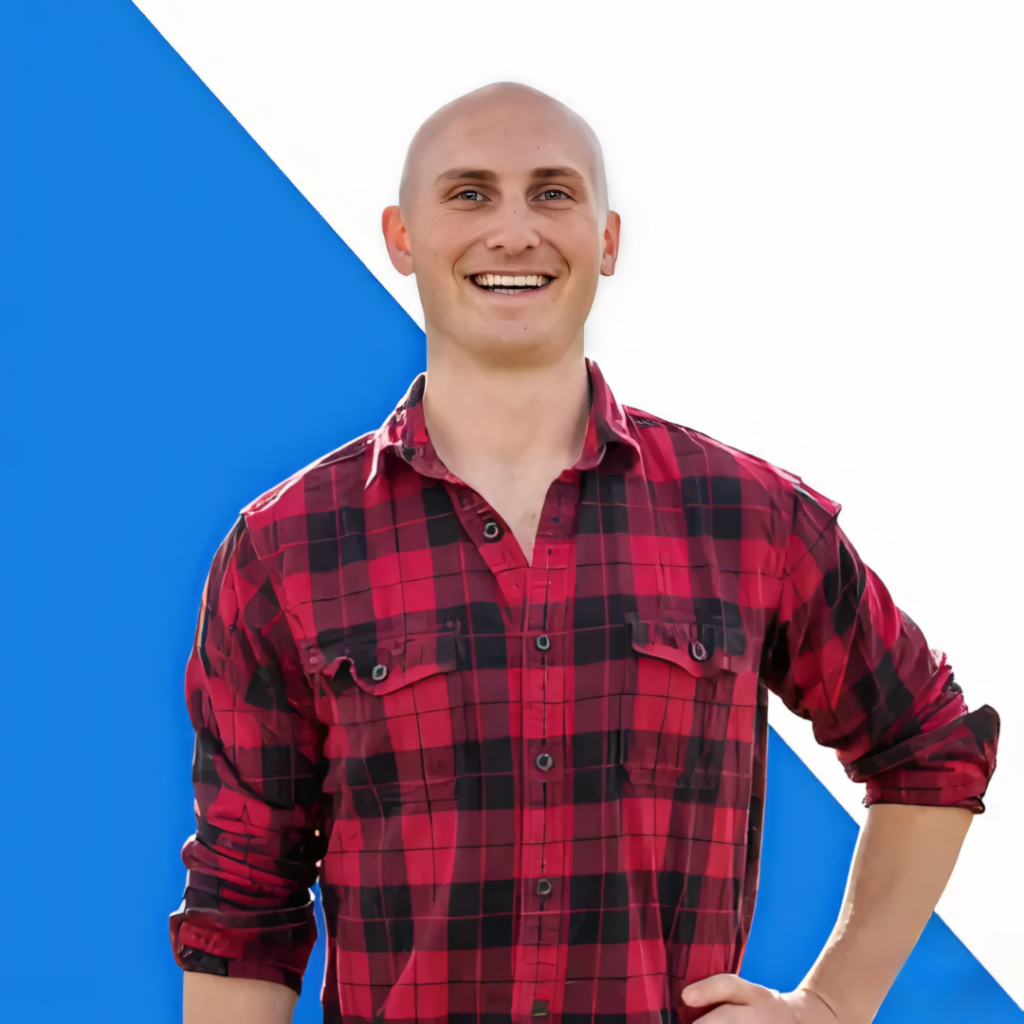
Nathan Hirsch covers Virtual Assistant Scaling in this Marketer of the Day episode. Nathan Hirsch explains how entrepreneurs can turn outsourcing into predictable growth by building systems that run without them. He frames Cracking the VA Code around interviewing, onboarding, training, and managing virtual assistants. The model splits work into operations and marketing, with SOPs for roles like lead generation, podcast outreach, backlinks, bookkeeping, and customer service. For marketing, VAs handle the before and after, while the owner only does the final 10 percent, such as appearing on a podcast. Nathan also uses a 90 day rule: test for 30 days, build SOPs in month two, and train someone by month three. Strong SOPs helped FreeUp answer buyer due diligence with updated 50 page process documents.
Nathan Hirsch is a 30 year old entrepreneur that’s been scaling businesses since 2009. Nathan’s first business, Portlight, sold over $30 million in sales through Amazon. Nathan then co-founded FreeeUp.com with an initial $5,000 investment in 2015, scaled it to $12M per year in revenue, and it was acquired in 2019.
Nathan also highlights SOP (Standard Operating Procedure) systems, including a video-based tool that allows easy updates and delegation without recreating entire tutorials. The approach ensures business operations can run independently of the owner, making the company scalable and sellable. He stresses accountability, cultural alignment, and personal discipline—entrepreneurs still need to engage in high-value tasks while delegating the rest. Nathan shares strategies for organic marketing, structured time management, and productivity tools like Wordboard and Text Expander, which automate repetitive communication.
The episode focuses on creating a business that is both self-sustaining and growth-oriented, reducing burnout while maximizing efficiency through systems and effective delegation.
Quotes
“If you don’t know what to do with a virtual assistant after the fact, it doesn’t do you much good. Cracking the VA Code teaches you interviewing, onboarding, training, and managing.”
“Give your VAs ownership of the SOPs. Let them keep it updated. That’s how a business can run without you and be scalable.”
“Focus on spending your time on things you’re best at. Don’t waste it becoming good at what you’re bad at.”
“Organic marketing systems can run without you. VAs handle the bulk of research, outreach, and follow-up. You just show up for the critical touchpoints.”
Resources
- Outsource School: Want Better Virtual Assistants?
- Connect with Nathan Hirsch on LinkedIn
- (Previous Appearances)
Podcast: Play in new window | Download (Duration: 32:03 — 29.5MB) | Embed
Subscribe: Apple Podcasts | Spotify | Amazon Music | iHeartRadio | Podchaser | RSS
Transcript
Download transcript (.txt)Marketer of the Day episode 736 outsource school crack the VA code with podcast outreach lead generation and implement standard operating procedures for predictable online income with Nate Hirsch, Hey, everyone, and welcome back to the marketer of the day podcast. We are here with third time guest Nathan Hirsch. Hirsch, you can find his appearances at marketer of the day.com/ 183, marketer of the day.com/ 696, and he is the founder and former owner of free up.com and he has a brand new course out there called outsource school, and this is a company that is working to educate entrepreneurs on how to effectively hire and scale virtual assistants through in depth courses. We're going to talk about mindset, delegating and having a real business. Because something that I didn't really have an AHA about until recently was unless I have other people doing work for me. I don't really have a business. I'm just a worker. So Nate, glad to talk to you again.
Yeah, thanks for having me. And just a quick clarification, outsource school is the name of the company cracking the VA code is the name of our signature course. But with outsource school, you get a membership, so you get that main course, plus every other course that we come out with for a year. Fantastic.
And I saw just this morning on social media, you have, like, a whole slew, a whole list of courses planned for this year, from like graphic design and bookkeeping and like all these things that we need to offload we need other people to do. And I find that really refreshing, because a lot of people kind of talk about this whole outsourcing, delegating employee things in really general terms. And you say, well, that's great that I should be doing that, but how can I just, like, have someone do the work for me? And they say, Oh, well, you have to figure it out. And you're thinking like, there's a big bridge to cross there. So I'm glad that someone finally is saying, hire someone or have your people do these exact tasks. It's real nice. Yeah.
And I think my whole mentality is, Listen, you can go to free up, you can get a great virtual assistant, but if you don't know what to do with that virtual assistant after the fact, it doesn't do you much good. And with cracking the VA code, you get the fundamentals of interviewing, onboarding, training and managing, which applies to anyone you're gonna hire. But then there's differences. How I hire a bookkeeper is going to be different than how I hire someone to do book or podcast outreach formula. So we kind of have the basics there, with cracking the VA code, and then we go down two paths. One is operations, the other is marketing. These are operations, and marketing applies to any business out there, and we have specific SOPs playbooks way that ways that we hire people for lead generation, podcast, backlinks, bookkeeping, customer service, and so our members get access to understand the fundamentals and have systems for it, but then also SOPs for very specific roles to help them grow their business.
And I like that you brought up the the SOPs that are the standard and operating procedures, because I wanted to make sure that at some point in this interview we cover this tool that you have coming out soon where you like, you record a video tutorial, and you say to your worker, I want you to do these things. But then the problem that happens sometimes is instructions change, or you refine the system, or the interface changes. And so you, if I understand this, right, you have a tool that you're working on, or is coming out soon, where we can have lots of short videos where we say, do this step, do this step. And then if we refine the process later, which we always do, we can just drop in a new quick clip of what the new better instructions are. Is that? Right?
Yeah, so Russell, who was who built the free up marketplace. He's a good friend of ours. We actually worked together on an Amazon business, even before that, he was part of the buyout at freeup, and we love working with him. He liked working with us. So he's been developing a bunch of VA software, the first of which is an SOP building software. And if you imagine something like loom, where you're recording a video, but with ours, you can right click every time you go to a next step. So when you're done, all the steps are there in order. You can add subjects, you can add text, and then it's very easy to sub in and out the videos. I'm a startup. You're a startup when you as you're building SOPs, things change, and you don't want to have to record a whole video again. You don't want to have to hire a video editor. So if you update step three. You can quickly update step three. You can give your VAs access and remove access if you fire them, if you promote someone to be a team leader, you can give them access to edit the video so you don't even have to be in charge of your SOPs, your virtual assistants can so we want to just continue stacking value to our members and net. Coming Soon is our SOP software that our members will get access to and
so what happens if part of your instructions involves right clicking? What if I have to actually right click?
What do you mean by that? I
mean like, say, I'm recording a video for a VA and Sam. I'm saying, go to this site and right click and save this this image. What if I need to right click for real and not in the software? Yeah.
It's a good question. We'll set it up so there's some alternatives. All
right, fair enough. I'm just kind of making a dumb joke there, but that whole concept right there of recording a video for how you want it to be done, that right there. I mean, I wish someone had told me years ago, and it's so simple, and it was a real duh moment. And you mentioned there that like loom.com, is one of the most amazing tools, because it's free. You don't have to install anything. It's easy to use. Some people use Camtasia. I mean, I've used that for years, but you can just go to loom.com record your screen and say, Hey, I'm hiring you to do this. Here is how I would like it to be done. Click, click, click, and then, then they can just repeat the process and like that right there. I mean, I wish I'd known that sooner, because I think that I made it complicated for so many years, and so many other people made it complicated where I think I have to, like, make all these exact instructions and write, write all these exact things. But really, it's been crazy how, as soon as I learned to let go and just tell these VAs here figure this out, or do this, or see what you come back with. It's been, I mean, it's been such a game changer, just having them figure out some of these things that I used to think I had to figure out.
Yeah, I mean, one of the things I like to do was I create a rough draft for an SOP. Let's say 80% of it, I teach the VA, and then I do a little bit one on one training so that they can update the SOP. And then I give them ownership of the SOP. So going forward, they're in charge of keeping it updated. So by year four free up, we had 35 vas. We had multiple different teams. We had team leaders forge teams and SOPs forage teams and Connor and I didn't want to just keep updating SOPs and team leaders did. They were responsible for it. And when the buyers went through their due diligence and they had a million questions for us, like, How does customer service work? How does billing work? Five minutes after they send the email, we could say, here's a 50 page SOP. It's been updated every three months for the past four years. It says exactly who does what when it had accounts for every possible situation that comes up. It's not just information. It's in my head that can't be transferred to you. And that was something that went a long way into eventually being acquired.
Fantastic. And I mean that right there is like reason number 57 for everyone out there to to outsource delegate, but also how these SOPs. So that way, there, there, it's like, you have the foundation in place, and you can switch in and out employees, and even you're replaceable, and you can sell off the company. And so many times, especially with internet marketing, where there's not a lot of property, per se, right, there's, there's maybe, like, some intellectual property, but if someone's buying your business, it's like, what are they actually buying? And if your business doesn't run without you, then what the heck like? How do they get it without out you? So that's cool that that you said you created these SOPs and you had the workers update it and and even what's cool about you have this free marketplace that you that you sold, is that it even grows on its own. Because that's another fear that maybe some of these potential buyers for our companies would have is, well, what if I buy this company from you and then it just dies? What if the traffic dies? And I remember last time that we spoke, you said that you have like a, like a training process, right? Like anyone can apply to be a free up worker, and they go through a series of tests and things like that. So even it even grows on its own. So like, like, there's, there's so many like, cool things that writing down these processes gives us and having other people do the work for us gives us. And what I've seen from you and Connor and what you guys have created is it's allowed you guys to free up pun intended the your your thinking, right? You created, like, this ability to for people to, like, loan out their virtual assistants to the marketplace. You created an affiliate program, and then also, like, you're here, right? You're you're not. You're marketing all the time. You're Mr. Spokesperson. You're appearing on other people's podcasts. So one thing that I kind of want to jump into is, like, it's easy to say, you know, have your your team do all the work for you, right? Have your team do all the things that you don't want to do. But then it seems like there's also like you need to have, like, discipline for yourself to appear on the podcast and to kind of do the marketing side. So how the heck do you do that? How do you resist the temptation to just kick back and do nothing when they're doing the work, but you also have your own work to do?
Yeah, so I like to think of it as an organic marketing playbook that we spent a long time figuring out at free up, because before that, I was an Amazon seller, we didn't really have to do any marketing. They did all the marketing for us. So with this playbook, we are taking the same playbook and applying it to outsource school. We're teaching it to our members at Outdoor School. And it's all things that, if you think of it as 100% of that particular thing in the playbook, the VA is doing 90% of it, and you're just showing up for the last 10, let's say podcast. For example, I go on a podcast every single day. I try to do only one. A day. Although back with free up, I was doing multiple ones a day, I've kind of cut back on that. But we have a course called the podcast outreach formula. It's included in the membership, and it teaches you how to have a VA do research, how to come up with a good pitch that you can quickly send to someone that takes a minute every single day, how to have the VA schedule it for you once the host wants you to come on, then you show up and do the podcast, and then after the podcast, the VA sends them an email, so the VA is doing the before and the after. You're just showing up for the podcast, and everything is like that in our playbook, whether it's partnerships, we have a partnership playbook that we just released, that our members got access to, and it's how to have them do research on partners, figuring out who a good partner would be. You hop on the phone and land the partnership. And then at the end, the VA organizes it going forward. So every six months, the VA reaches out and says, Hey, what do you want to do this quarter? You want to do a blog post, an email, blast, whatever it is, and and again, the before and the after runs without you. You're just doing that small part, the phone call the 10% so all of our organic playbooks are set up that way. So from the outside it looks like, wow, Nate's doing a ton of marketing. Is working 80 hours a week. He's everywhere. But really it's taking me what an hour or two a day, depending on how long the podcast is and the VA is handling everything else. And the other point I want to make, because we're on a marketing podcast, is the only thing that I heard for four years was, oh, like, you're the face of free up. You're not gonna be able to sell it. You shouldn't have set up the business that way, when the truth is they could. That's very replaceable, right? They can always get a different spokesperson. They can always come in with the different marketing's plan, more marketing money. They can always come in with a new lead generation strategy. But the day to day of the business ran complete with completely without me. The operations had the SOPs. It had the people. I wasn't responding to customer service emails like all that stuff was without me, and that's what they cared about. So they cared about buying the systems and the processes and that whole marketing part is replaceable. And I think a lot of marketers need to get in that mentality that, hey, if you want to eventually scale your business and sell it. You got to make the rest of the business run without you. Yes, you can spend time hustling and doing the marketing, but they'll eventually be able to replace that when they buy your business. And
yeah, and if, when they if and when they replaced you as the person appeared on podcast, they that's already documented, and that person only needs to do 10% of the work. So I think that's a really that's what kind of clicked in my head, is that it's not just that they were doing all the work, and you were doing all the marketing, they were doing the operations. But then as far as the marketing, they were still doing 90% of that. They were still doing the out, the podcast, outreach, research, the before emails, the after emails, you were just the person appearing on there, and they could hire a podcast spokesperson to do that part. So it's like, even the part that's unique to you is there's only like, you've reduced that as much as possible. That's really
cool. And that's one thing I like about the organic marketing playbook as well, and, and I'm reading uh, traffic secrets by uh Russell Brunson. And, I mean, a lot of it's just stuff that I've been doing for the past four years. And, and, like he says in the book, like Facebook ads, Google ads, things change. They change their algorithm. Like, if your entire business is dependent on that kind of traffic, that's tough to do maintain long term without making lots of changes. There are people whose full time job it is to just update those changes, and if a new buyer takes over that business, it's not as secure for them, because, again, if Facebook changes anything, that's your revenue stream. But if you're doing it organically, and you have the partnerships you've been on the podcast, the backlinks are there. Your website has good SEO because of the backlinks people know you in the space, you have a social media that's running on autopilot, like those are things that that kind of complement anything you do on the paid ad side, and that makes your business even more valuable.
Yeah, I agree completely. Like you have those things that always work, and maybe are slow going, creating the backlinks, frequent the content, and then if you combine that with kind of the flash in the pan things that maybe Facebook ads change every couple of months, and you can have the the best of both worlds. And so something else that I've I mean, and by the way, uh, everyone who's watching or listening those podcasts go on Facebook and add Nathan Hirsch as a friend on Facebook, because him and Connor every day they post his little nuggets. I'm like, That alone should be like, a paid group or something, because, like, every couple of days, like, I see something, I'm like, Oh my gosh, that's crazy. And there's not only like, the the enthusiasm part that I see you have, but there's like, a lot of like, thinking outside the box and thinking abstractly, kind of, like how you mentioned earlier about how the document, the worker kind of takes it over and they edit it, and then something else that that was really helpful for me months ago was you said something along the lines of, create a task and then hire two, or assign two or three people to do that task, just to see, like, what, what each person comes up with, to get different variety, to maybe, like, pluck ideas from one and use for the other, or see. Which worker is best suited for doing that, or who enjoys it. So kind of dropping, dropping those couple of ideas in there, is there any thing that comes to mind as far as, like, maybe some kind of ahas or outside the box thinking, as far as getting these, these problems solved, assigning tasks to these vas, yeah, I
mean, I'm a, we're a big plan of, or big proponent of taking something added to your plate, turning into a system in process, delegating it, picking up something else, turning it into a system, process, delegated. And we have a 90 day rule where we don't do anything longer than 90 days. For that first month, we're throwing stuff against the wall. We're seeing what's working, what doesn't work. I'm a big fan of trial and error and just trying vas, trying freelancers for different things. By that second month, I have a pretty good idea of what doesn't work. I'm creating the SOPs. Maybe I've hired someone for the role that third month, I'm training them. I'm really fine tuning it, and it's off my plate. And instead of just doing what most entrepreneurs do, which is just keep adding, keep adding, keep adding, keep adding, and increasing their hours per week, we're very focused, and we hold each other accountable to that delegating. And we're real people, right? We're entrepreneurs. We fall into bad habits, but we remind each other, and if we see, if I see, hey, Connor, you've been doing this task for four months, we're going to be like, hey, like, All right, what's the plan? How are we delegating this? So holding each other accountable is incredibly important, and that mindset that you don't add anything to your plate without the mentality of systemizing it and delegating it.
I love it and and something else that you mentioned there is kind of the the there's the accountability, but also the honesty. And I feel like there, there's been so many years, you know, like we've all dealt with this right in our in our teens, in our 20s, we we've all dealt with all kinds of stuff. We've had to become the person that we need to be. And I feel like there were so many years in there where either, like, I was not really honest with myself as far as, like, my output and my productivity. And like you said, there's that entrepreneurial ADD. It's easy to just add, add, add, and then I felt like the the people I was working with, like my business partner and my team, I felt like I didn't feel like I could tell them what I was actually thinking, and I also felt like I was not very receptive to what they would tell me. And I felt like looking back, maybe they were afraid of telling me that the blunt, honest truth, like if I was taking too long on a project, because maybe they felt like I couldn't handle it, or, or I acted out. So have you dealt with any of that yourself? Have you dealt with this, like, like, overcoming anything to get to that level of honesty with you and your team? Yeah.
I mean, I think at first, like, when I was a young entrepreneur, like, you kind of have an ego when you have a little bit of success. And I also came from a place where I'd never had a corporate job. I had had a few internships. I had some managers there that had some pros and cons. They weren't bad, they weren't great, but I kind of just reverted to their habits. And Connor came from a place where he was a little bit he's a great guy. He's a lot more calm, cool and collective than I am. I'm a little bit more high energy and up and down and all over the place. So it took us a while to work together and be honest with each other, but I think the foundation was we had the same values. We have the same beliefs, and we cared about the same things. And I think if that wasn't the case, it probably wouldn't have worked out. But because we had the same values about treating people well, and and customer service, all the other stuff, we were able to kind of tweak over time, like, in my opinion, and he'll admit this too, like his head were kind of in the clouds, like he was planning too far ahead, too big picture, and I kind of reeled them in, and I was way too much short term and not planning at all, and and I had to make those adjustments. And same thing with with giving feedback or systemizing and processes. At the beginning, Connor didn't want to delegate anything, and I had to force him to do that. And and now there's times where he'll, he'll call me out for not delegating. So it kind of goes both ways, and I think we both understand that we both have the same best interests of heart, right? Like we don't want either of us working 100 hour weeks and being stressed out all the time. We want our businesses to grow. We want our clients and our customers and our VA team to be taken care of, and because of that, we spend a lot of time on culture with our virtual assistant team. Connor has a culture meeting once a month where we just go over what we care about, ideas, feedback, treating people well. We check in with them, we see how they're doing. I mean, we're going through a pandemic right now, like that's pretty stressful, especially if you think it's stressful in the US. Imagine what it's like in a third world country. So those are all things that you have to keep in mind, that we're very focused on, and the VAs feed off the energy of the owners and the people they're interacting with. So we're very aware of that, and something that we try to bring all together. Well,
fantastic. And I mean, as you're explaining all this, I wish I knew you sooner, or I wish I knew about some of these things that you're mentioning, because, I mean, you're so right that it's it took a while to, I mean, it sounds bad, but it took a while to figure out that our VAs are people, and it's not like we cheated on bad or anything like that. But like, sometimes I'll have one of some of those quick conversations, like, you're talking about and we what we're at. We've been asking them, like, How's it been going with the pandemic? Or give them a little bit of an extra bonus, or buy them. Um, a year of Netflix account just to kind of keep that relationship going, and to just, you know, get in front of problems, so that way you don't have all this kind of toxic negativity and all these things that kind of are a slow downward spiral. And so what I'm getting from you, and your answer, is that there's yet another reason why it's so important to not be so busy, to get all these things off of our plate, that way we can kind of think about and talk about some of these things, like our our shared goals and our values, and our company culture, and all those things that if we were just switching from task to task, there would not be time to slow down and think about those things. Yeah,
I completely agree and that accountability is key. I think over time, you kind of get a little bit better at time management and figuring out what you're good at and what you're not and realizing that spending time on things you're not good at is not a very good use of your time as an entrepreneur. And instead of focusing on becoming good at what you're bad at, focus on becoming great at what you're already good at. So again, all that kind of comes with experience
and kind of along those lines. I mean, you mentioned a few minutes ago about like, where, like, where, where's your brain at right in the timeline? Are you the kind of person that you're thinking about, like the present, or too far in the future or in the past? And then there's also that aspect of like, what do you want your ideal life to look like, as far as, like, how many hours and how busy you are, and so what's your answer there? Like, what? What do you want the future to look like and like, what? What kind of what do you want like, your lifestyle and typical day to be like? Do you want it to be more of, like, the serial entrepreneurship? Or is there something that you're building towards?
Yeah. I mean, I really like my life right now. I mean, my life has drastically changed from when we sold free up. I think I'm not the kind of person to go sit on the beach and just do nothing for the next 40 years. That's not really my style. I mean, I want to grow another business bigger than free up at the same time with free up. There were times at the beginning where I was working 80 hour weeks, and I don't want to do that anymore. So I think for me, it's about what I want to do at certain times. For example, from seven to 9am that's my most productive time of the day. So I try to maximize that time and work on my most important project. I realize I don't like doing five podcasts a day, so I do one podcast today, and I'm booked out now until June, and I try not to budge from that, and I like to do them between 11am and 2pm so in the middle of the afternoon, when I've already done my most important thing of the day, and and all that. And I don't like doing it later in the day, when I'm already tired, I've already had a long day. And I like doing phone calls at the end of the day, when I can walk the dog. I don't have to be in my office or by my computer, which makes it feel a little bit like a half day. And and I like to take a gym break at 11 or 10am after I do my hardest thing and before I do the podcast. So I kind of figured out what life structure I like it, and I surround it by that I have a VA and charge my calendar. So if I'm like, Hey, book this day off, or, Hey, I'm taking a half day on Friday, like, all that stuff's very easy to do and and I think I kind of live in that, hey, I can be anywhere. I can do anything I want. It just comes down to, how do I want to spend my hours?
Fantastic, and that's yet another AHA that. I mean, it took me a while to figure that out, that it's like when you're filling up that calendar, when you're saying a book till June, doing a podcast every day, or there's this time to walk the dog, or this time to do phone calls. It feels, at first, like you're you're losing more and more freedom, but in reality, you're kind of gaining more freedom, because you can always clear that calendar, you can always change stuff. But it like again, it took me so long to realize that by by planning that future calendar, it's preventing all the the random emergencies, or are things that day from swooping in and interrupting you. So it's like another one of those counterintuitive things, where it feels like you're losing freedom, but you're gaining freedom by planning and deliberately choosing what you'll do with your future. And that's great. And then as far as these, these things that you're figuring out, like your most productive hours in your schedule, does this change over time? Is it like as soon as you figure it out, then it's time to change up the calendar. Or is this like, once you figured out your personality and your time in the day, then it's just kind of set.
There's certain things that don't change. Like, I like doing my most productive thing from seven to 9am that's just my style. I like doing one podcast a day between 11 and two. But it's not the same every day. Some podcasts are 20 minutes. Some podcasts are an hour. Like, my most important thing might take me 30 minutes. Another day takes me an hour and a half, and then the second half. The end of my day, I might have two phone calls that are pretty quick. I talk pretty quick, so phone calls tend to not take that long. But other one other days, I might be busier, and we might be like, we're running a promotion right now, like there's certain things that come up, that that change, and I have meetings with Connor that that'll randomly pop up, or we'll talk and and brainstorm and stuff like that. So there's certain parts of change, certain parts that don't and then there's just days that you need a day off, like yesterday was a Wednesday and and I had a busy Monday and Tuesday, and I took a half day, and I spend the second half of the day hanging out with my fiance and. Brainstorming some other business ideas, but not actually at my computer, typing away. So those things kind of come up. The only other thing I'll add is, normally, I travel a lot, and that was something I was looking forward to doing after the sale. And I'm very fortunate, so I'm not really complaining. I'm more just putting into a situation with covid. There's no chance I'm traveling anywhere. So it kind of gives me an opportunity to put my head down a little bit more than I might be doing if I could travel and get this business off the ground maybe a little bit faster, hopefully than as planned. So there's always external factors as well. I
like it. There will always be something unexpected, maybe small, maybe huge, and there is you plan of what you can but then also deal with some of those things that are unexpected. And so you've given us a lot to think about, and I want to make sure that we unpack outsource school and cracking the VA code and all of these other like mini courses that you have coming out throughout the year. So I mean, tell us about it. And if someone out there listening or watching is on the fence and they say, either, I know I need to outsource, but I need to be convinced, or I'm worried, that this whole business I've built, it has too much of me. It's too much of a mess. Why do they need cracking the VA code and outsource school so much? And what can you help them accomplish?
Yeah, so first of all, I love connecting and networking with other entrepreneurs. I'm one of the easiest people to reach out to feel free to connect with me on LinkedIn or Facebook. Nathan Hirsch or Instagram, Twitter, real. Nate Hirsch, second with Outdoor School. I mean, we really just didn't know. People reached out to us after we sold free up and asked them to teach us our systems and our processes. So that's why we created cracking the VA code. And we didn't know if people would like it or hate it. We kind of just took it to market, kind of like we started free up back in the day, we built something minimum viable product, got it out there, and people really liked it. And so we started coming up with all these mini courses, how to hire VAs to get on podcasts, do your bookkeeping, do partnerships. And instead of just selling a million different courses, we turned it into a membership that for 997 you buy cracking the VA code. With that, you get a one year membership to outsource school. You get every other course that we come out with the next year, we're coming out with new ones every single month. We also have some experts coming in to teach people how to hire VAs for things we don't even know how to do. So that's exciting, and we're just going to keep stacking the value there. I mentioned. Software is coming as well. You also get a year of support, so if we can help you in any way with your hiring, whether it's on our module or you run into an issue with your VA we have 10 years of experience. Me and my team are there to help, and you get to be part of our community. We've got now over 150 entrepreneurs that are going through our course, learning from us, learning skill or businesses with VAs and and they're really awesome groups. So you get to be a part of that. So all that is for 997, for cracking the VA code. And most importantly, you're going to get the fundamentals. You're going to get our exact systems and processes for interviewing, onboarding, training and managing virtual assistants, everything from our exact interview questions to how we run meetings to how we fire a VA to how we build really good SOPs, all that is in the main course. And then that one year membership just continues, adding the value, fantastic.
And what I'm hearing from you here is all the things that people might not have accounted for, right? All the things like, for example, firing the VA, you don't really think about that, because you're focused on on just getting the training running. And so this is great. This is from you and your team and your company. You've been through it, you've seen it, you've done it. So now it's like you're doing that whole thing. Gary V talks about, like, document don't create, right? Instead of just like inventing something you're saying, Well, we already have these processes. We already have these notes in place. Now here's a system that anyone can use and kind of replicate the success. And so where can people go to find out about outsource school and cracking the VA code.
Yeah, just go to outsourceschool.com we also have a bunch of free stuff you can grab. We have a VA budget calculator you can use to figure out how many bas you can afford right now. We have a case study that broke down our the exact hires we made in year one through four of free up as we scaled that business. We also have a free one hour productivity course that you can take that it only takes one hour to take but it's going to make you faster and more productive every day going forward. And yeah, check out our free content. We have a blog and and we'd love for if you think you could add value to you. If you've always either struggled to hire vas, or you've never done it before, or you already hire vas, you just want to up your game, definitely check out cracking the VA COTA and a membership. And we'd love to help you.
Well, fantastic. So that that is outsourced school.com, and then Nate Hirsch, or Nathan Hirsch, on on LinkedIn, at real Nate Hirsch. And then, as we're wrapping up, winding down here, you mentioned that you have that free productivity course, is there something like a really good, like productivity nugget that maybe is even something that's that's new to you, that we could all like, get, get hear about, and get a taste of, something like as far as our productivity, time management, that you think is just very much needed, very much missing these days.
So I use an app called wordboard on my phone, a text expander on my computer. But really, as you develop a business, you get asked the same questions. You send people the same links. So I structure all of that on little things that I can just click on buying and it automatically puts it into an email, a Facebook message, a LinkedIn message, whatever it is. And that, over the course of a day just saves me lots and lots of time. Over a course of a year, it saves me hundreds of hours. So just setting that up, and you don't just set it all up in one day for me, as I'm sending people stuff, I'm adding it to my word board, I'm adding it to my text expander, and that's going to make you more productive over
time. I love it, wordboard Text Expander, so that way you can drop in those can responses when people ask you those same top five questions. Then you that way you don't have to do all kinds of extra typing, copying and pasting. Well, thanks so much Nate for stopping by and for sharing us what we need to know moving forward, about building a real business and not getting burned out and creating something that runs itself that we can sell and we will see everyone at outsource school.com. Need more guests for your podcast? How about a podcast that's set up in the first place. Schedule a call with us right now by visiting done for you, podcasting.com.