Published Last updated
View in Podcast Library: stories, quotes, books, and resources in one place.
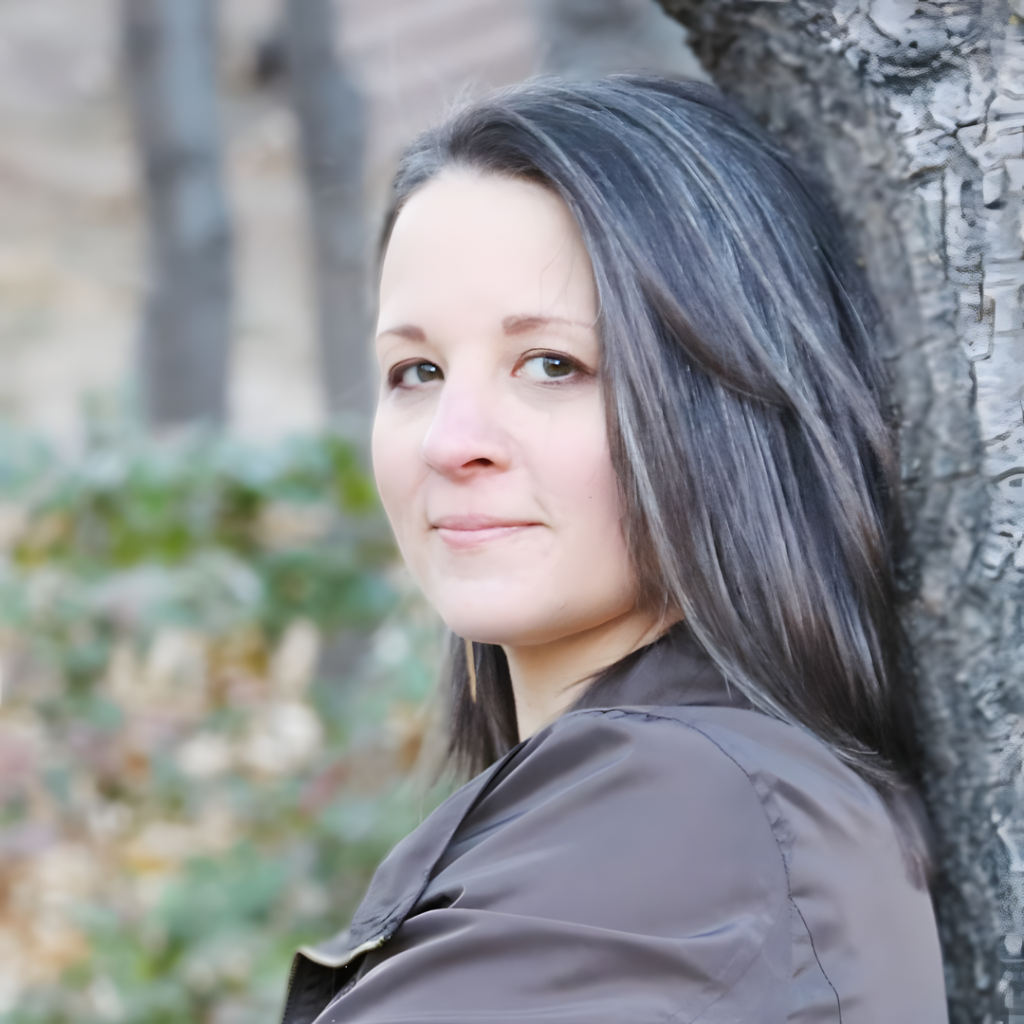
Amanda Johnson covers Story Healing in this Marketer of the Day episode. Amanda Johnson explains how writing a true story can heal the messenger and make the message stronger. She describes why people get stuck in books, talks, and content when old wounds, imposter syndrome, or negative self talk are still active. Amanda shares examples from a 20-person compilation book and an 18-month writing journey that changed one client's faith, ministry, and family life. She also explains how her son used personal story to teach themes like redemption, villains, heroes, and uncertainty. The framework is less about polished content and more about integrating painful material before visibility.
Do you want to change the world with your message? In order to do that, you need to be true to your intentions.
Amanda Johnson is the founder of True to Intention (folded into Saved By Story), a company that helps seekers and storytellers write truer and more impactful stories. She is also the co-founder of Saved by Story Publishing. Today, Amanda talks about her recent project “You Can’t Make This Story Up,” a compilation book featuring 20 of her previous clients and family members, and how the process of writing their stories helped them heal old wounds and become more authentic in sharing their messages with the world.
Quotes
“There’s a lot of hype around telling your story, getting your message out there, and sharing your expertise with the world.” – Amanda Johnson
“We can’t heal by ourselves. The communal aspect is crucial, especially for those who have been traumatized and want to share their stories. They need to rebuild trust with themselves and others.” – Amanda Johnson
“If we can just pay attention and ask ourselves, ‘What’s the message that I’m supposed to be getting here? How is all this being brought to me so that I can be more whole?’ life gets a lot more magical.” – Amanda Johnson
Takeaways
00:59 Sharing personal stories and healing old wounds can help people become more authentic and impactful in sharing their messages with the world.
09:00 Allowing yourself to be vulnerable and share the full depth of your story, including the difficult parts, can lead to growth and transformation.
19:06 Creating a supportive community space can be transformative for people who are struggling to write and share their stories.
26:27 Recognizing the reciprocal nature of the coach-client relationship and how each person’s journey can contribute to the other’s healing is key to avoiding burnout.
33:30 Being open to the messages and lessons that life presents, rather than seeing challenges as obstacles, can make life feel more magical and purposeful.
Resources
- Saved By Story: Your Partner at Every Plot Twist from Inspiration to Impact
- Follow Amanda Johnson on Facebook
- Connect with Amanda Johnson on LinkedIn
- Get a copy of You Can’t Make This St*ry Up: What If It’s All Happening For Us? by Amanda Johnson on Amazon
Podcast: Play in new window | Download (Duration: 35:04 — 48.4MB) | Embed
Subscribe: Apple Podcasts | Spotify | Amazon Music | iHeartRadio | Podchaser | RSS
Transcript
Download transcript (.txt)a marketer of the Day episode 864 become true to your intentions and impact the world with Amanda Johnson.
Welcome back to the marketer of the day podcast we are here with Amanda Johnson. She is the founder of true to intention. She's the co founder of saved by story publishing now, what the heck does Amanda do she partners with seekers and storytellers just like you who are devoted to writing truer and individual and collective stories, we're going to be talking about how you can become true to your intention with every piece of content you craft to love offering what you launch and about the system to change the world. So Amanda, glad to be talking to you. Glad to be talking with you, too. Thanks. So I'm super glad to have you. So So what is up? What is current? What is your passion? What are you excited about in the past six to nine months? What's the current projects?
Oh, my goodness, well, we just finished a big project called titled you can't make this story up. It's a compilation book that I wrote with 20 of my favorite people who also happen to have been previous clients, and many of whom are family members, my two of my sisters, my two sisters, were in there. And my son actually put a chapter in there because he and I are launching another book next month. So we're in crazy creation phase over here. And so yeah, I mean, this, you can't make the story up project was really, really fun. Because one of the things that continues to amaze me is that there's a lot of hype around, you know, tell your story, get your message out there, share your expertise with the world. And I really believe that a lot of us are called to do that, because we have these incredible offerings to give. But one of the things that I see regularly happen is people just get absolutely stuck. And then they cannot figure out what's happening. And they end up saying the most terrible things to themselves. Have you heard these things like what's wrong with me? Oh, I need to go get another certification or degree before I can talk about this. You know, though this is, you know, this is just how I am I never complete projects, like I just hear terrible things. So one of the things that I realized early on in my career was that there was there was more to the story. And what I found as I dug was that there were old wounds inside of the story. So they want to tell the story, they want to tell the world this amazing thing that happened that they overcame this incredible obstacle. And what stops them from doing that? Well, they don't want to go back and talk about all of the details, they just want to talk about how awesome it was to overcome it. And they don't want to talk about all the details, because some of those wounds are still open, or just barely scabbed over. And so what I've witnessed for the last 15 years in this process is people healing their story by writing it out, and doing so inside of a community space. And so, after enough of these happened, you know, for 15 years, I just thought we need to tell the world that this is actually what's going on during the creative process for people. Whether it's, you know, a story that is an absolute tragedy and trauma in childhood, or whether it's, you know, something like, they were never allowed to be visible, because there was always something somebody who was supposed to be bigger and smarter and more powerful in the room. So when they're getting ready to go put their message out there, guess what they can't do, they can't be big, or else they lose. And so these are the things that we're sorting through. And, and so yeah, everyone wrote their stories and put it into a project. And we've been hearing some really, really great reviews about that.
And I think I think a lot of people can relate to that. And I can relate to that a lot, especially these things that these concepts that we didn't even really have a term for it until recently, or like it wasn't mainstream. Some of these things like the negative self talk the imposter syndrome, and how your solution there is to kind of get it all out in the open. And you hear this this saying of like, if everyone put their problems in a bowl, you'd see like, everyone else has way bigger problems and you so you just take your problems back because you think you have it really bad but man, some of these other people out there, like it really puts it in perspective. And there's like all those kinds of things to relate to. So you have these all these people in in your copulation book clients, family members, these 20 chapters. Is there one that stands out a lot for you. Is there one that's like your favorite or one that if we talk about it here today, it'll really give us a taste of the whole book.
Well, actually, there are two so one of them is Maura, Leah's and Moralia came early on in my career. or she showed up with a lot of armor. And she was going to tell everyone else's story. She was like, I want to tell a story about how we have these expectations that just can't be fulfilled. So the title of her book is, where's my white picket fence, when a good girl doubts God used to be a youth pastor, and she had a really terrible health crisis almost died, came back from it, and found me in a time where she was getting ready to get back into serving in some capacity. But she still had all of these feelings, like she just could not go back into the ministry the way that she wanted to. So instead, she was going to build like a little speaker's empire, right, she was going to do a lot of speaking write a book and share her message that way instead of in church. And so, huge vision comes in, wants to tell everyone else's story and maybe a little bit of hers. And so when I flipped it back on her and asked her like, Well, I mean, is, are there other places besides your health crisis, where you've been disappointed, all of a sudden, we saw the entire book map itself out, and it took her, I want to say 18 months to actually get through the process of writing the book, because as she was writing it, she had to do things that she hadn't done in her story, like grief, like she had tears, because she had, you know, held so much. And for so long that we, you know, we got stuck on chapter three, which was all about letting, you know, surrendering to what is. And it was just so hard for her to move through, but inside of the inside of the community that we had, you know, set up around her and the regular check ins, she was able to tell the stories verbally and then get them on paper. And it was completely transformational. One day, I remember, she said, You know, I there was that, that time where I think that God just really had to break me. And it was about her health crisis. And the whole room, like we all just kind of gasped, like God had to break you because it was inside of this bigger conversation about her loving father and how he had helped her to come back. And so you know, I held up the mirror of like, does this belief work with this belief? Like, is there any other explanation for what happened? And there was another former pastor in the room who said, What if all of those things that happened before, we're not you weren't being punished? What if those were like little warnings like, Hey, Mr. You should slow down because your health is about to tank like there's a genetic thing going on, that your stress is making worse, you should slow down. And we just watched it, you could almost hear her matrix shatter in that moment. Like, it all made a lot more sense to her. But it really crashed up against a lot of her beliefs. And so what I've seen for her over the last 10 years is her completely, you know, changed her, her relationship with her Heavenly Father, the way that she experiences him, she has stepped back into the ministry as an associate pastor looking to plant her own church someday, you know, like, the things that she had kind of pushed away from her and thought I'm gonna create this new path actually came back, she was able to adopt and reclaim the family that had been taken or you know, the family growing possibility that had been taken away through her illness. So it's been really amazing to watch that. It's like so much more about healing Moralia than it was about her getting on stage and sharing this message. And now it's who she is that is sharing that message all the time in the capacity as a mother as an associate pastor and a friend. So the other one that's really funny, and I'll share it because part of what's happening next is
my son and I were working on the book that we're launching April 6, and it's called the religion of story. And we mapped out the seven themes that we see in all of the stories because I raised him on story because, well, frankly, I was in the middle of a spiritual crisis when he got here. And I did not feel comfortable telling him what to think about God, or how the world worked, or how anything worked. Really, I was like, I hope you can help me learn some things. I think I have some things upside down. So we were in it together. And when he was very, very little, he was asking questions, because our family was very religious, and he wanted to know why we didn't have a Bible. And I said, Well, you know, I mean, I was frozen because I was mad at family for trying to evangelize him when I told them like, please don't do that. Let him make up his own mind. But his dad stepped in and his dad said, Actually, you do have Bible It's our sacred text right now is Avatar The Last Airbender, the Nickelodeon cartoon. And I was my husband like, that was a freaking genius thing to say, because I'd been through this honors program where I had learned how to engage really good stories and pull troops out of them. Right and, and apply them to my life. And, and so that's what I started to do with my son. So we've spent 15 years hanging out watching movies, that, you know, going through TV shows, and really using them mindfully to have conversations about the most important things in the world, like, how do you deal with uncertainty? Like, how do you really know who you are? What do you do when guides show up? How do you relate to people who are there to train you? And sorting through like, help some people give all of their power away to educators, or trainers or coaches? Or you know, you name it? What about friendships? How do you, you know, so we went through all of these things. So we, we map this all out, we're really excited, he gets all in his head about it, because he's really, really smart. And he starts to like, really take things apart from this high level, analytical perspective. And then he just got stuck. I mean, so, so stuck. And I kept telling him, like, maybe you should just write the personal story, like I suggested a while ago, and he was like, Nope, he was so mad at me, you didn't want to work on the project for a while. And eventually, without telling me, he decided to do this with one of the chapters. And he got through the first chapter. And he was like, Oh, this was it. That was so much fun to write that story. And I can see how it's an even more powerful teaching tool than what I was trying to do before. So he's just started moving through this project so so quickly on his parts, and he got to the chapter on redemption. And he got stuck. And when we started talking about it, because part of the conversation and redemption is like, what makes the villain? How do you how do you know a villain from a friend? And because, you know, sometimes, it's not obvious, right? They act like friends with a really villain. And he's, yeah, exactly. And he's really, really good at identifying these folks before, most people I know, could. And part of it is because of what he has learned through watching the patterns and story. And so we talked about that. But he came to me and he was like, Mom, I don't know, like, who am I going to talk about as a villain in my own story. And I said, Well, I think that maybe need to consider talking about great grandma, because our my great grandma, my grandma, we lived with her for many years, and we took care of her. And they were like the tightest buddies while he was really little. And then the dementia set in. And he didn't understand why she was behaving the way that she was, she got kind of mean and manipulative and not the person that he necessarily thought he grew up with. And so I knew that this was like, a painful thing for him. But it was the best opportunity to show how someone in our lives could act as both someone that we love and a hero of sorts in so many ways, and also turned into a villain. And like, what if we just recognize that these are parts of us, right, and that we need to sort out how we can interact with them, instead of having this idea that this person is just always going to be good to me. Now, people betray each other on accident, and sometimes because they're in a corner and things have to be understood and sorted out. So he wrote this chapter. And then he sent it to me. And he sent it and I'm just bawling my eyes out because it was like, he really really got I was so beautiful.
And just this really beautiful picture of like something that he was able to do that I wasn't for a long time, which was see these people in my life as both villains and heroes, he just he got it in story. And so I'm sitting there and I'm bawling my eyes out. And then I get a text right after it that says Fu and all your healing through writing bullshit. I was like, Oh my God, that's so funny. Because that is it was like this beautiful thing that happened. But he also was able to say like, that was one of the hardest things I've ever done. Like to put that to paper. I'm, you know, an 18 year old boy in his room, sobbing while he's sorting this out and healing his story. You know, and then to be able to be like, now I get it mom, all of your friends, all of your clients who are like this friggin Amanda, I cannot believe she asked me to write that song is the hardest thing I've ever done. And also, it was like 20 years of therapy. And I'm so glad I did it. So those, those are kind of like the front and end parts of the you can't make this story up project that, you know, once those things happen, I was like, we just have to put all of these stories in the book, because it's that's the real stuff. You know, I want people to go out there and change the world with their messages. But I don't want to I don't want them to do it at the cost of their own souls, you know, out there preaching your message, empowering other people, well, there's still a part of them that is hurting and wounded. And you know, I think, I mean, I've seen people go out there and help people be more empowered, and yet they haven't healed their own stuff. And so what do they do? They kind of separate themselves, they What did you say that imposter syndrome, like they kind of live into this image, this persona, that can continue to do the thing, because it's really their natural gift. Like, I don't know what you believe about God, and I don't think it matters. But like, there's this potential in each person. And these amazing skills and opportunity, you know, gifts that come through, and I've seen people just be phenomenal in front of a space and then walk behind the stage and just fall apart, because they're not getting that for themselves, because they haven't been able to heal that. And then just think, man, I do not want that level of success, without the healing to support it, you know, so that when I'm there, I can actually enjoy it and feel like it instead of feeling like it's splitting me into two people.
Yeah, there's so much to think about from that process. And from those stories with the two extremes. And it seems like from from hearing about all this, like, the label that you and I put on, this is the the imposter syndrome, it seems like the way to overcome the imposter syndrome. And the way to avoid just being a copycat is to share your own uniqueness. And that maybe doesn't come very easy. And it might require some of this like, like therapy and in a way, but it's therapy in writing. And like with with speakers and writers and things like that you always hear about building yourself up, right, like becoming more polished, figuring out your best stories, your greatest hits, but there's also because well that's kind of the building up part of it. But then there's also the tearing down part, like you mentioned armor a little while ago of how, like when you when you first do a podcast, webinars, speaking gig, whatever, it's so easy to be like to, to cleaned up and to careful and not really go into the struggles, the failures, the weaknesses, and that's what everyone else wants, what they want, they and that's what they can relate to you. And that's way more powerful to do, like the hero's journey that they talk about where it's these bad things happened to me. And then I learned the lesson. And then now afterwards. Now here's the the information instead of just here's this these things I learned from a psychology textbook. So I like that a lot. And in terms of you helping your people after all these decades of not putting not writing it down. So you end up kind of stuck in a cycle and you end up avoiding all these other things to finally breaking through. And like kind of uncovering all these things that you tucked away for a while and becoming like your best self and the person that you you want to be. And finally, after trying these, these authors that you help after trying to have a good chapter have a good book or have a good message. And it's just all this kind of hokey flat stuff now, it's the real good things that no one else has. Because it's your own unique past and paints a lot to think about it. It almost hurts to think about right it's almost like bring uncovers bad memories in me just even some of those things that you were mentioning there.
Yeah, absolutely. It is really, really hard work. And you know, when someone says that they finished a memoir or something on their own, I'm just like, wow, I'm tempted to bow down to you because most people would have just shut that down. Like this is too hard. I don't want to deal with it. You know, and a lot of people don't even know that that's what's happening. So, I've had clients that would have injuries come up, or or old migraines, and they'd be like, I don't know, what's happened. I haven't had these migraines for a decade. What happened? I was healthy when I started this project, but they're not even connecting it to the project. But every time they sit down, what are they doing, trying to get to the story during which they had these issues with the migraines or the headaches and so You know, all those stories are wired into our neurology in a really, really deep way. So we may start poking around there. And we're like talking about those conversations that we had our body remembers everything that was going on while we were having those conversations while we were dealing with those challenges. But if we don't know it, and we don't know, like, Oh, this is the material that I need to write this powerfully. Oh, and to have compassion for who I was during that, like, oh, my gosh, I, the headaches, the the physical pain this person was in, it was almost like paralysis, right? Like, they can almost begin. And I really believe that that's what happens between them. And then having someone like myself, and some of our readers in the community, like witnessing their story, witnessing it with love, witnessing it with compassion, helping them to connect dots and see the parts that have been still, like shoved into the corners and letting them come out and and saying, like, yeah, you're human. And you know, what, what ends up happening is the stuff that they packed away that they thought was so huge, they bring out and then they realize, like, oh, this it actually wasn't, I mean, it was awful. But it actually isn't as big as it felt when it was in the dark, because now I can see it. And then they can use it in a really, really powerful way through the writings or the storytelling from stages, like you're saying it is it is the thing that connects us with other people, the humanity,
and getting to that, what the goal was, originally, which is to help those other people. And and instead of just taking the shortcut, and just trying to just like saying, Okay, who can I help, let me help myself first, and then use that like, like you said, use that to then help other people and to and so that way, that's kind of the goal. It's like the whole idea of like, it's easier to clean someone else's room, right? It's easier to tell someone else, how messy and dirty their houses and it's hard for you to look inward and say, well, maybe I need to fix up my own kind of stuff first. And so you've mentioned a little bit here about this, like community idea, right of having your your group of authors kind of meet together and share these stories and and figure out what, what, what is good and what is bad. And I've seen a little bit on social media, how the Zoom meetings of all your people kind of gathering together. And, and I think just from hearing you explain this, I think it seems really important because like you said, some people, some very rare percentage of people can just close the door, write the memoir, come back. And then in some of these compilation book environments, you hear, okay, write your chapter will see in six months and just turn them when it's done. And it's it seems like a real lonely way to go about that. So can you unpack that a little bit about just how you and your your group meets? And, and how just amazing things happen within it?
Yeah, absolutely. So I didn't start out with this idea. I mean, I wanted to do the group format, but I did it more like in a mastermind sort of way where we would meet every month or something. And people just were not getting their stuff done. Like they just would not get the assignments done. And I was still at the beginning of understanding what the real resistance was, right? Like, I didn't really understand yet. Why they weren't doing their assignment. So I thought, Okay, I'm gonna bring them to retreat. And I bet we could get six to eight weeks of this material accomplished in three days. So I would work with them over three days. And at the very first retreat, Teddy who has a chapter and you can't make the story up. She was there she came in just like completely triggered. I mean, red faced, furious looking just beside herself. Where's my room? And I'm like, It's over there. And, you know, it was it was so hard for her because all of her pain had been triggered the week before. So she sat there in a room for a few days. And on the last day, we weren't sure she was gonna get it. And I mean, it's my first retreat. I'm like, up in my head, thinking, Is she going to ask for her money back? Is she going to be like, Have I traumatize this person having her here, like, what is going on? And the last day she stood up, and she told her story, and it leveled the room. I mean, we were all sobbing to the point where I was like, oh, yeah, I'm a facilitator, I actually have to like be here and ask, you know, help to bring some some resolution to this. And so it was at that first retreat that I saw, not just the power of having people together, but the magic of how perfectly people show up for each other. So, in that space, when I didn't know what I was doing, like, I had no idea that this was transformational work. I was going to help people write their books, like at that first retreat, that's all I thought was gonna happen content. And then this lady ends up on the floor in tears. And I'm like, this looks a little bit like my facilitator rooms that I used to be in when I was doing transformational work. Like, and I heard that voice say it's about the messenger, not the message, like true to intention is about helping them get back to wholeness. Yes, write good books. Yes, keep them true to intention, but it's about them. Why are they here, get them back to that. And so I just saw how, you know, there was a, there was a yoga person who showed up, there was a neurolinguistics person who was at that retreat, there was a mentor of hers who had invited her there, like she had the perfect people around her, unbeknownst to me and her to help her move through something that I didn't even know was going to come up. Unbelievable. And so I just was like, I'm never doing, I just don't want to do individual work with people again, because it's the I didn't know until years later, what was really happening as I started studying quantum physics and looking at the observer effect, and realizing like, how you look at a thing changes the thing, how you look at a person changes the person, how you look at the story, while the person is revealing, it changes the story. It allows it to be in a space of unconditional love and healing. And that's where all that integration can begin to happen for the person. They don't have to keep those parts stuck in the dark. So, you know, I still to this day, I have people say like, how did you know? How did you get all of us here? Like, we all have the kind of like the same theme. I'm like, Yeah, I don't, I'm not in charge of that.
I don't, I don't mark it for specific topics. And here's the thing, too, is if you look in that book, you can't make the story up, you'll see that I actually told my story right behind each person's story, meaning that somewhere a few years in, I realized that these people were showing up for me at the exact right time for my own personal healing as a coach. So the person who had the caregivers resource guide, she showed up a year before my grandma fell and needed me to be a full time caregiver. You can't make that up, right? Like, messages were coming to prepare me to put seeds to give me paths to give me frameworks to address the things that were happening in my world at that time, or right after they showed up. So to me, it's like this, really, I mean, how many coaches do you know who just get like burnout and tired and this is too hard, and I'm just going to close the business. This isn't what I expected, I'm not able to help people. And I hear it all the time. And I really think that it's because they don't understand the reciprocal opportunity of this person is coming in with all their problems, whether that's, you know, problems in a relationship or problems in a business or problems with their spiritual work, whatever it is, like, these people are being put in our space, potentially with a lot of intention for our own healing. But if we don't know that, those people are just irritating, they never get it. They don't do their work, right. We miss out on the on our own healing opportunities. So for me, like, I think Carl Jung said it, we don't get wounded, we get wounded in relationships, and we have to heal in them too. Like, we can't heal by ourselves. And so for me, that communal aspect, so many of the people who have been traumatized and want to share their stories, and need to be visible again, like they have so much trust, to rebuild with themselves and with other people. And I think that creating that safe space, where they can be they're raging mad three year old, and have everyone in the room just be like, oh, yeah, that makes perfect sense. And I still love you. And it's cool. You know, like, those are the moments where they realize like, it's okay to be all of me, and they can pull all those parts in and then show up as their true selves in the world when they're getting ready to do their work.
Well, this is so so deep I'm going to have to think about this interview for like the next five weeks or longer and I think you you've tapped into something amazing because it's like it's plain as day the way that you say it right that it how easy it is to be stuck in your bubble and to be lonely and closed off and and getting all these these exactly the right things you needed at the time you need them but maybe not even being open to it or kind of just being stuck and being negative and all these sorts of things. And then when it's easy to like, just know that things are wrong, know that you're stuck want to make a change, but then maybe having like a low self esteem factor and saying, Well I don't want to go to a transformation retreat, right. I don't want to go to some cheesy, you know, place where I go and get some neuro linguistic programming that me and I do like trust falls but then the the workaround that I think you've discovered is these these authors are these up and come thing authors saying, I have this message and I'm really not at this retreat to work at my on myself, it's to figure out flesh out my book. But really, they end up working on themselves so that the problem gets solved, but maybe it otherwise would not have been solved. Because this type of person would not be willing to go to like a transformational retreat. So this is kind of a, an interesting concept that you you've tapped into. And you shared some amazing stories, both and what they've communicated. And then these kinds of struggles in the process. And so if someone is, if someone is mine is blown, like my eyes right now about the possibilities, and the things that can be done, especially with your group, how do we find out more information? How are you find out about your company, and the retreats and the programs and these amazing activities you have going on?
I think the best way is just go to tree to intention.com. And see what we're doing. After several years of helping people with messages, I got a lot of people who are saying, Okay, I see that you're helping people to heal stories. And I want that without working on a message. And so now there's kind of two paths that people can take, they can just be on the story healing path, or they can be on the change of the world and to my story path. And so yeah, just check it out. There's, there are a few free offers on there, I have calls where I did, how I wrote, published and launched my first book in less than three months. Not on purpose, but because life did what it did. And I needed a lesson before I can finish that last chapter. And so there are just a few resources on there that are free that people can just go and and kind of hear more about how it goes and the the frame from which I'm looking at this because I realize it is kind of different than most of the content coaches out there.
But different is good. And I'm sure that there's there's someone out there who has tried the regular way of going about it. And they've maybe looked at this book coach or that contact coach and said, I don't know that they all look the same. But here's true to attention. Here's Amanda Johnson. Here's something that's new, that has hasn't been tried before, but it's a little bit off the beaten path. And now you can get kind of these unique, amazing results. And maybe with your guard dropped a little bit because it's it's maybe easier to be open to some kind of message. If you look at someone else's problem or someone else's writing advice or someone else's Aha, they came across with this book. So if you out there in podcast land, if you have been more than intrigued by this conversation, if you think that you can't do it alone, or maybe you could benefit from having some extra advice, some extra help some of these groups or online retreats or things like that, then check out true to intention.com and see what's on there, get it on Amanda's list, follow her on social media, that way you can begin to take in some of these messages. And when the timing is right, when you say a finally had enough, I finally want to get my my own inner problem solved that had been plaguing me since childhood. I want to get my book done and want to get my speaking message on then you will be a primed and ready to take the next step. So true to intention.com is the place to go. Any final parting words of advice before we wrap this up? Amanda?
I would just encourage people to be in the question that maybe all of these things are happening with purpose, you know that the that the podcast you're listening to dropped into your into your awareness at just the right time that the books that are being recommended to you the the television and to you know, the movies that are being recommended, like to me, I live in a world where all of that seems to come at me with the most amazing intention. And if we can just pay attention and ask like, what's the message that I'm supposed to be getting here? How is all this being brought to me so that I can be more whole life gets a lot more magical? It's still messy, I can get more magical.
But that's okay. So I love it. It's not an accident. There's a reason why you're seeing what you're seeing. So take action on it. Don't just let it pass you by and the very first action to take is to go to true to intention.com and we will see you there do of wine podcast.com forward Slash Free. Go there right now to see what you could be missing in your podcast. Maybe you aren't active enough on social media. Are you writing and broadcasting an email for every episode of your podcast? Do you follow up with your podcast guests? Do you do things to make your podcast interview and content creation easier? Go to D have Y podcast dot com slash free to claim your gift right now