Published Last updated
View in Podcast Library: stories, quotes, books, and resources in one place.
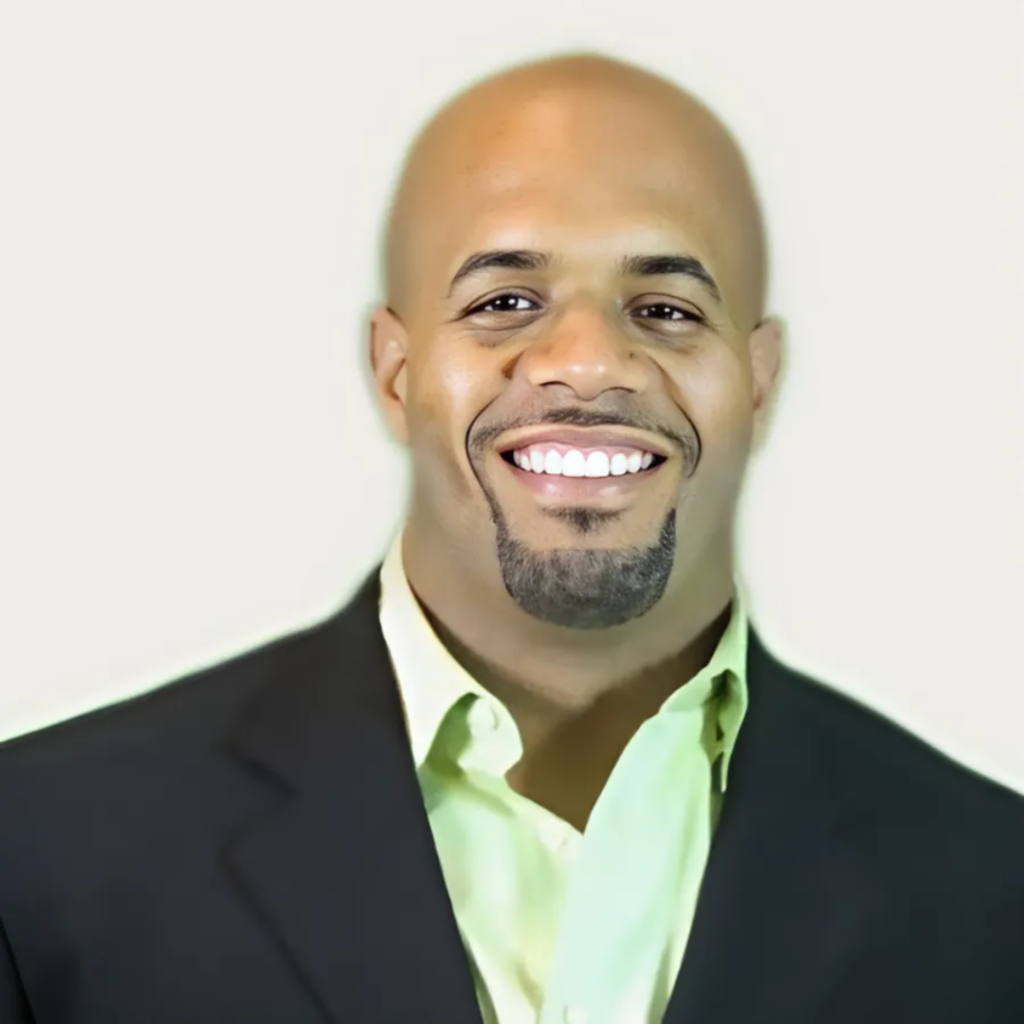
AJ Vassar covers Freedom Business Systems in this Marketer of the Day episode. AJ Vassar explains how better problems can create freedom, confidence, and a clearer path to success. He reframes money as an exchange for solving problems, not something people simply make or wish into being. His Day Grades system tracks pass or fail actions in health, relationships, and business so progress is measured by data instead of emotion. In sales, he recommends setting no goals, such as aiming for 10 or 20 rejections, then learning from each K-N-O-W behind the no. He reverse engineers a 100000 dollar freedom number by tracking how many conversations lead to a 5000 dollar yes. He argues that many people can afford freedom for less than 5000 a month if they stop chasing abstract millionaire goals.
I understand the skepticism around discussing problems. However, it’s important to recognize that this isn’t about focusing on negativity or lamenting life’s obstacles. Embracing the challenges we face allows us to see their significant impact on our personal growth and development. Problems act as catalysts for growth, innovation, and ultimately, fulfillment. While society often promotes the idea of a problem-free existence as the ideal, true fulfillment is found through navigating and overcoming challenges.
AJ Vassar is the author of “Day Grades: From Homeless to Giving 5 Cars Away and Much More in Just 3 Short Years.” Today, AJ discusses his passion for problems, explaining that the better the problems one faces, the better the life they can achieve. He shares his own journey of overcoming homelessness and the importance of reframing one’s mindset towards problems as opportunities for growth and success.
Quotes
“Too often now, we shy away from problems and try to get rid of them completely. But what I’ve noticed in my life is that the better my life becomes, the better my problems are. So, I’ll never be rid of all my problems.” – AJ Vassar
“People don’t realize that you don’t get freedom; you afford freedom.” – AJ Vassar
“Every successful life should also have a successful accounting department that helps you understand your standards, raise your standards, and ultimately achieve the life you want.” – AJ Vassar
Takeaways
00:57 Embracing problems as opportunities for growth and success can lead to a better life.
08:55 Tracking personal productivity and progress through a system like “day grades” can help overcome emotional ups and downs.
20:10 Setting realistic financial goals, rather than lofty “millionaire” dreams, is key to achieving true freedom.
23:29 Consciously seeking out new problems to solve can open the door to more fulfilling and profitable work.
24:53 Applying business principles like accounting and data tracking to one’s personal life can drive greater self-awareness and achievement.
Resources
- AJ Vassar on Facebook
- AJ Vassar on LinkedIn
- AJ Vassar on Instagram
- AJ Vassar on Twitter
- Day Grades: From Homeless to Giving 5 Cars Away and Much More in Just 3 Short Years on Amazon
Podcast: Play in new window | Download (Duration: 26:57 — 37.2MB) | Embed
Subscribe: Apple Podcasts | Spotify | Amazon Music | iHeartRadio | Podchaser | RSS
Transcript
Download transcript (.txt)Hey, welcome back to the podcast, we're going to be learning today about the secret to success, the secret of happiness, the secret of freedom, we have AJ visar. On the line here, he's written three books called degrades route and rise, the scary growth process of success and fu money, how to afford your freedom. AJ is over there in Medellin, Colombia, he hosts retreats that give ambitious leaders the tools to live freely on their own terms. AJ wonderful talking to you.
Good talking to you, too, Robert, thanks for having me. Happy to
have you. And it's always a it's always great to talk, you know, mindset and optimism and pod positivity and success and all that, but I never really know where to start, where to stop. It's always like a moving target. So what is your your focus in that area lately? Where do you think we need to pay attention? What's your passion?
My passion is actually what's it's probably going to be a little strange and different. For most people. My passion is problems. I think problems are the key to happiness, excess profits, all of that. And I think that too often now that we shy away from problems, we try to, we've tried to get rid of all of our problems. But what I've noticed in my life is is that the the better life I have the better problems I have. So I'm never gonna get rid of all my problems. So that was one thing that I think growing up and listening to gurus and, you know, you think one day, you're gonna get to the point where you just no longer have problems. And that's never the case, you just have different about our problems.
And I like how you said better problems, because sometimes you think, well, well, my problems be bigger, but there'll be better instead. And you sometimes think, I think, just yesterday, I used the cruise with my wife like such and such, that's a good problem to have. And I can't even remember what the situation was. But she was like, Well, you know, what, if this happens, and this happened, and this happens, and in two years, it's this situation? And I said, that would be a great problem to have. And actually, I know what it is, it was we're talking about, we were getting like a second smart speaker for the house. And my wife said, Well, what if our son who's not really talking yet, what if he says commands and does funny things with the with a voice speaker and I said, a good problem to have, right? He'll be speaking. And that's an a better problem to be dealing with in the future. So that's kind of what I take away from that. And I was even thinking, just if we're all put on the call with you that there's so many times when especially like teenage years, when I would just give up, or I would avoid these problems. And then And lately, I've been more of the kind of optimistic mindset and saying, Well, if I haven't figured out this, or I don't feel good, or I don't feel motivated about that, then what would it take to solve that little micro problem and kind of get there? And so I mean, enough about me, what kind of problems have you been dealing with and are dealing with? What are your better problems these days?
So out there, like most people that don't come from money, first problem is money. Right? So that was my first problem, figuring out how to understand money, how to how to understand how to make money, what money means, to me, the values that I placed behind it, how to get more how not to owe so much in taxes. I mean, it was just a lot of, you know, a lot of those problems. And, you know, I would always get some points where I was like, Oh, I can't wait till I don't have money problems. And I used to always be like, I've never, I'm never getting there. And I just felt like I was fighting a losing battle. Until I realized that now you just want better money problems, right? You you want to owe an accountant $5,000 or, you know, you want to owe tax accountant this much money or, or owe this much in taxes. And for me that that was the number one thing, and then just the mental aspect of it, of realizing that, you know, problems are good. That was that was a struggle for me, because I feel like there's a fairy tale that's painted that the rich and wealthy don't have, you know, certain problems that we have. And I was always, you know, I felt like I was always striving for that. And, you know, after being on this earth now for four decades, I realized, everybody Yeah, bro. And so that that's been my thing is just like rewriting what my problems mean to me and actually looking forward to the problems that I get to get over because that's how I didn't turn around. And I help people because if I can solve my problems, then I realized that I'm probably two or three steps ahead of other people who may have that same problem. Now I can help them solve their problems. And depending on what the problem is, people will pay for.
I like that a lot. So you're saying he said look forward to your problems. He said rewrite your problems, and then pay it forward and then use what you've learned by being a few steps ahead to solve those problems for others. And so I checked out your Instagram a few minutes ago and I like how you kind of reframe the like kind of a tip With the way people think about things I saw you had a, like an Instagram reel that was something like some lady said, Well, I wish I made more money. And you said, Well, only the IRS or only the Treasury makes money, you're the you what you need to do is get in front of a problem. And then kind of trade your skills, your expertise for that money. And it's a kind of a different sort of mindset. And it got me to thinking sort of, like, what you're saying here is that, you know, money is, I mean, it's fake. It's a bunch of numbers, but it's also a beast, and it's this weird kind of emotion got all this emotional baggage. And it seems like the people that kind of have the best attitude towards it, understand things like cashflow, right, understand that it's like, well, it's not a matter of like wishing you you had a pile of it, and you could just hang on to it. It's like you need to have it coming in and going out and be in that sort of situation where say you have that accountant bill or that tax bill, well, don't worry that you're paying $5,000 for it, but be spending, you know, 10% of or 1% of your savings on your taxes, not 100% It's like having a better attitude, not just wishing that you had a kind of a multiple of of your current situation. And so you say that you you sold your problems, and you help people. So do you have any fun stories to share with us about some of these kinds of helpful actions you've taken.
So I think for me that one of my biggest problems was getting out of homelessness. That was that was probably one of my biggest and I love my mentor, Sam Shepard, he's the one that he was making $140,000 a month. And when I told him, I was about to be homeless, and I was gonna go stay with my mom until I got back on my feet. He said, No, you're not. He said, he said, You're gonna learn more from your card, and you ever will run into your mom, and I have a safe parking lot you can sleep in. And it's always sad, because I thought he was about to give me some money. But he's the one that kind of got me on this path of learning how to solve my problems. So the first problem is, like I said, I used to think, oh, I need to make money. And once I realized that, like No, only, like, there's only one place in the US that makes money. Everybody else just exchanges money. So then I started to think, okay, how can I get people to exchange their money to me, so if they're going to exchange it, then I need to have something that's worth exchanging for. So then it was just about building my skills, and just realizing, okay, I can do this. And the reason why that's so critical for me is because that's how I kind of ended up in meta Yang. I moved down here, I didn't know anybody, anybody, I'd never visited Medellin, Colombia, before, I just got a mood. I said, I wanted something new. And I was like, Hey, let's go check it out. And I did that, because I knew I could solve problems. I knew I could solve my problems, I could solve other people's and coming from my car. That was my boogie man. I was like, Yo, if I can do this, what what else can I do? And I think that's one of the like. So when you talk about cool stories, it's almost like you don't even realize that the things that you're doing in your past are actually Equipping You for better stories in the future. Because they're giving you the skills and the confidence to know that you can get through it.
It just doesn't feel like that in the present, right? When you're in that situation, when you're in the present moment, when you have the fear and you're you're hungry or you're cold in the car, or whatever it is, and you're miserable, then it's hard to think about the future after you've come out of it. And you've been strengthened by those life lessons and that struggle and those resilience. And so and so that's cool. You're kind of at the point now in the kind of that mind state where you can take the leap and you can embrace uncertainty and go into these new adventures. And so what was the path to getting out of homelessness? How did you kind of build up what you built?
So I was at the time I was selling mobile apps and like, mobile marketing services, and I just started selling them and I started talking to people and getting rejected and I realized the more I got rejected, the more money I made. So it was like Alright, cool. I just knew that I needed to get rejected faster. So then it was just like, Alright, cool. How many people can I talk to how many people can I get to tell me no. So then instead of instead of setting yaczik goals, you start to set no goals. So you know, I'm gonna go for 10 nose today or I'm gonna go for 20 nose today and I started grading myself on you know, these are this is the standard now that I have for my life. And so the book day grades actually comes from that this is the standard that I've said Did I hit these marks or not my day yes or no? And then at the end of a month, I can look back and I can say okay, my life I can tell my life is going to get better because I graded out at an A or my life is gonna stay the same because I've learned out of this yours gonna suck because I didn't do anything. So, but then it stops being subjective, I no longer have to wonder, I can, I can just look at look at the data and say, look, you've been doing what you needed to do, everything's gonna work out, or you need to pick it up because you're slacking.
I like that how that data is a useful tool to kind of take a little bit of the emotion out of it, and to tell you where you're at, because, like emotions surely have their uses and their tools, but they're very unreliable, right? Their emotion is not a very good kind of measurement. And so by having these day grades and grading, like how you're doing, and even like looking at the data, looking at the numbers, looking at the money, looking at how many noes you're putting you're getting throughout the day, that's like some some hard facts right there, then that can tell you well, do I need to do more of this? Or as or am I slacking as you say? And, and that's right there just the whole idea of like the data and writing things down. So that way, you know what's true. I mean, that that's huge, right? Like people talk about things like like journaling, just to get things out of your own head and to have it on the page. And so that way, you can look and say, Okay, well, did I really get nothing today done today? Or am I just beating myself up? Am I really not on track? Or where what how were my day grades six months ago, compared to now? And so as soon as this day grades concept, like what is the the system? Is it just a matter of like you choose aspects of your day and grade them? Or is there a kind of more structure to it?
So there's all of us know, things that we should do? And, and and you kind of start there so as what should I be doing? And, you know, I always determine what should I be doing by what, what's the type of life that I want. So once I've determined the actions, I need to be taken the productivity, then I can put that down for my health, for my relationships for my business, in our area. So you know, that's something that I help people with just figuring out what that metric is. And you know, just and just so people know, when I started, I just started on an Excel sheet on Google Sheets. And I just wrote it down. Okay, this is what I need to be doing. And either I did or I did and it's pass or fail. Right? It's did you do it? Yes. Did you not do it? No. All right, cool, right. But then I don't have to worry about it. Because what I started noticing was, is that some days when talk going back to your emotions, comment, some days, man, even in my car, I would feel like I had a great day. I just felt good. Oh, man, I just felt amazing. I accomplished nothing that day. I just felt good, right? Other days, I was like, Yo, this was the crappiest day I could have had, but I accomplished everything that I said I was supposed to do. Right? So then I had to stop going off of how did I feel? And go off of what did I accomplish. And that's why the day grades really started working for me, because they judge my accomplishments, not my feelings.
And it makes me think that it's like, I'd like to have both right? If you think about, okay, if you don't have, if you kind of just have the chaos and you don't have a system, then like you said, some days, you'll be productive. And some days you'll be happy. But then my thinking there is so so let's say that you want to have both, you have a day where you kind of don't feel good, bad feelings, but good productivity, then you can look at how productive you were and then kind of work on feel better and like solve that problem. So then that means you can have your cake and eat it too. Right? You can have both be productive and be happy. That's amazing.
Yeah, yeah, definitely makes you feel better when you look and you say, Oh, wow,
this wasn't a bad day. Okay, I'm okay. My life doesn't suck as much as I thought it did. Alright, are we on the right track? So yeah, does is that it's that way that you kind of psychologically play with yourself to, to move yourself out of those feelings? Because emotions are ebb and flows. Right? I mean, it may be something I ate that has me feeling bad. But then when I look, I can't I can't get that different feeling of it. Of my of my productivity.
Yeah, 10 minutes later, you'll be in a totally different emotional mental state. And so I liked this idea that you said where you, you help people like figure out their goals, figure out what where they want to be, and then sort of backtrack or reverse engineer the actions that you need to take. I mean, that's a very kind of like, like sales mania approach, right? You know, what your conversion rate is? And then you know, how many nodes you need to get to get to a yes. And so are you able to like walk us through this process? Do you remember like, some of that you helped to kind of break the system down? And maybe you can, like repeat for us like what that was like?
Yeah, so So let's say I like using $100,000 because that's that's a easy number, because that's where I start my clients and that's how I actually help them like go from to I call That's your freedom number. And everybody's isn't 100,000. But I had a client Santana. And what I did with her was we just like you said, we reverse engineer. We walked it back. Okay, cool. What number do you want to name? Right? Let's just start talking to people. How many? How many people? How many nose can you get before you get a? Yes. Right. So then that becomes the game. Hey, let's just see how many notes we get before we get it? Yes. Right? Because then it's like, oh, I want to, I bet you can hit 100 nose. Right? So then she's like, Okay, let me go after 100 nose. Right. And cool. Oh, you know what? The 23rd person said? Yes. Okay, cool. So now we know we need at least 22 nodes before we get to our first Yes. Right? And then it's like, well, if so now we know that yes. How much was the Yes. So let's say the yes was $5,000. Right. But then I begin my class mixed up. I think that I think that was heard. But it was like, if that's $5,000. Okay, you need 20 mortos. Right. So you need 20 More 5000. Alright, so now we're just gonna take 22 and multiply it by five.
Yeah, so it's a process.
Let's run and do that. Let's just do it over and over and over again. And what you'll start finding out is, is that you get better and better, because what I tell people is, you can listen to know and Oh, or you can listen to kN O W. So I don't mind when people telling me no, because I'm listening to kN O W, why did you say no? Was it something that I did? Or was it something about my product? Right? Is it something that's fixable, and a lot of times I'll pass them like, Hey, I don't, you know, I'm not trying to get you to tell me so I can sell you but I don't want to miss out to sell out the person. And then they helped me out and to help me figure that out. So now I'm in a better position today, move the conversation forward with the next person. So now I can get it from 22 to 20. And from 20 to 18. And we want to see if we can keep pushing that number down. And then it just becomes a game gamified.
Yep, gamification, right, yeah, you know, make it fun and figure out what's the high score, what's the kind of the KPI I'm trying to improve knowing that you'll never get it to 100%, right, you'll never get it to like zero nose and always yeses, but it might be a matter of like you said, bring it down to like 20 or 18 knows, or it might be a matter of changing the offer or changing the way you talk about it going off and changing the type of person you're speaking to, like, you might be kicking yourself beating yourself up and saying, Man, I keep getting, I get like, way too many noes. And you're and it's like, well, you're talking to the wrong crowd. So it's like you, you start somewhere, you take a stab at it. And then you figure out where you're at figuring out what your measurements are. And then you look to just make those slight incremental improvements and whatever. However you get there through like repetition or just like pouring more gasoline on the fire doing more of it or like tweaking it up and change thinking outside the box and just kind of slowly inching your way towards success. Yeah. 100% and so so you you sold these mobile apps, you help people and what is there anything else noteworthy worth mentioning? As far as the trajectory of of your life and your business the last few years?
You know, what right now is just that I'm really big on helping people get their freedom now. I think having freedom is awesome, just the freedom to live the life that you want it. So that's why you know, I'm almost finished with the book fu money afford in the life that you want. Because I think with with freedom, people don't realize like you don't get you don't get freedom you afford freedom. And, you know, my thing is, how much does it cost? So, so figuring out what that cost is for you, and then go after that and start moving the goalposts because too often I see people, man a date, it's like, let's say your freedom number was 10,000 a month, right? As soon as they started getting close to 10,000 a month, that's what you did. 15. And I'm like, no, like, you know, you have your freedom number, stick to it and get free. And then and then just build from there. Because like life is life is amazing when you forget, right? I just I just left the gym a second ago. I have employees doing stuff for me, you know, I'm able to talk to you in the middle of the day. Like life is cool when you can make your own plans and you don't have people telling you what to do.
But as you said you have to earn your freedom. Freedom isn't free people talk about you know, fighting for your freedom or you know who's died for your freedom. So freedom is not something that is handed to you. But if some it is something that you earn you can work for and you can you know, put in the hard work now and then get your freedom later. And so in your in your journey here creating Your own freedom and helping others find freedom. Is there anything that surprised you? Or is just not being spoken of enough? As far as this process goes?
I think the biggest thing that surprises me is that people, people have the these just crazy numbers that they don't realize are like most people can afford their freedom for less than $5,000 a month. Right, but everybody thinks they need to be a millionaire. And I, I hate the million naira concept thing, because I feel like that's what everybody goes after. And it's not relevant to your life. Right? Most people, it's like, okay, you're a millionaire. Now what? Right? You have no idea, like what your freedom number is, what I call your rich number is you don't know any of that. So a millionaire is justice after a million dollars is this abstract number that everybody throws out? Because it sounds good, but it's like yo, your, your freedom is probably a lot less, it probably cost you a lot less than, so figure that out solve problems that you can get, like, one reason I have employees now is because I solve the problem of their unemployment. Right. So it's like, no, solve problems, right. And then other people will even help you afford your freedom.
You may make it sound so simple. And it can be simple, as long as we have the right mindset for that. And I wonder if some of these people set the super high goal, because they're not serious about it, right? You may set the goal like a million dollars, and then that way, they know that they'll never get there. But if they said something doable, realistic, practical, at 100 grand, they could pay off their debt, pay all the bills, pay off their house, have whatever lifestyle they want, whatever vacation they want, that's a more kind of strategic step by step plan than just a pie in the sky. And they make it so high because it's like self sabotaging in disguise. I wonder,
you hit it, you hit it on the head, that that is exactly what it is. As long as I make it this massive goal, I can always I can always make a wish, instead of a plan. Right? And that's what it is. They they're trying to protect themselves from thinking, Well, what if I don't hit him? Well, what if you do, right? So let's make it realistic. It's almost like I have a friend and Ron who always talks about how the construction workers that can't call, you know, women, they do it because they don't want to be rejected. So this is a way I can act like I was really trying to get out there. But I really wasn't. Because you know, a nice woman isn't gonna respond to a cat call, right? So you want to talk to her, but to save your feelings, you do all this nonsense that you know is not going to attract her. So when she rejection, you can make it seem like Oh, I knew she was you know, and that's not that's not the case. It's just that you're trying to protect yourself. And we do that the same way, just like you said, we try to protect ourselves by setting these just things that we know in our lifetime, we may never see. But it doesn't take that to live in paradise and to live for you. And I'm a living testament of that. And I've been here five years. So you know, I was here before the pandemic. So this wasn't right, because I know a lot of people started moving out whenever getting PPP loans and all of that I was doing this. I was doing this two years before depending
when nice So what's next for you?
You know what, I'm figuring it out I'm looking for more problems. I'm looking for more problems. I am consciously looking for more problems now. It's it's all
amazing. And you know, that whole idea of consciously looking for problems, it just makes me think that it's it's far too easy to fall back into the natural instincts of playing it safe of self sabotage, of being cowardly, of being comfortable. And it takes some kind of conscious effort to think okay, I know that my my caveman brain from millions of years ago wants me to just play it safe and not do anything but consciously I have to say you know, even though it feels weird, it feels awkward, it feels outside of my comfort zone. I need to have those conversations I need to push myself a little bit I need to better my best I need to get myself amped up to do that that Zoom call or that webinar or whatever it is. And so it kind of takes some conscious action is a conscious effort in order to get there so if someone out there says you know all the sounds great, and I know that I need to be kind of pushing the envelope and getting my A game and getting those good gay grades and I want to find out what AJ has going on. He has his books the fu money book coming out soon you have those retreats. So what's the next step? How can someone find you in contact you
can follow me on social media. All my social media handles are AJ Vassar, AJ biz and Victor as SAR, I actually have some software coming out, that's going to allow people to put their day grades in, and then we're going to actually almost be like a, a life accounting system. So we can we can, you know, I realize every successful business has a successful accounting department. So I think every successful life should also have a successful accounting department that helps you know, your standards, raise your standards, and then actually get the life that you want, because you can see, you can account for your life.
Amazing. I love that analogy. Imagine if Target or Walmart or Apple said, oh, you know, accounting, knowing how much money we have in the bank all we don't care about that. You'd say, No, you're out of business. And it's crazy that we as individuals don't do that sort of accounting. So AJ Vasseur, You search him at AJ VAs S, A R, find them on social media, that way you can find out about when that app comes out. And when you can import, put that and to just make make it easier on yourself. So that way, you can just get the app to pop up for you and punch it in. And then that way over time, after you've collected the data, then you have some sort of a starting point to know what you need to do next. So AJ, wonderful to chat with you today and enjoy Mateen.
Thank you, sir. I appreciate it.
Appreciate you, too. Thank you very much. Live line podcast.com forward Slash Free. Go there right now to see what you could be missing in your podcast. Maybe you aren't active enough on social media? Are you writing and broadcasting an email for every episode of your podcast? Do you follow up with your podcast guests? Do you do things to make your podcast interview and content creation easier? Go to do fly podcast.com/free to claim your gift right now.