Published Last updated
View in Podcast Library: stories, quotes, books, and resources in one place.
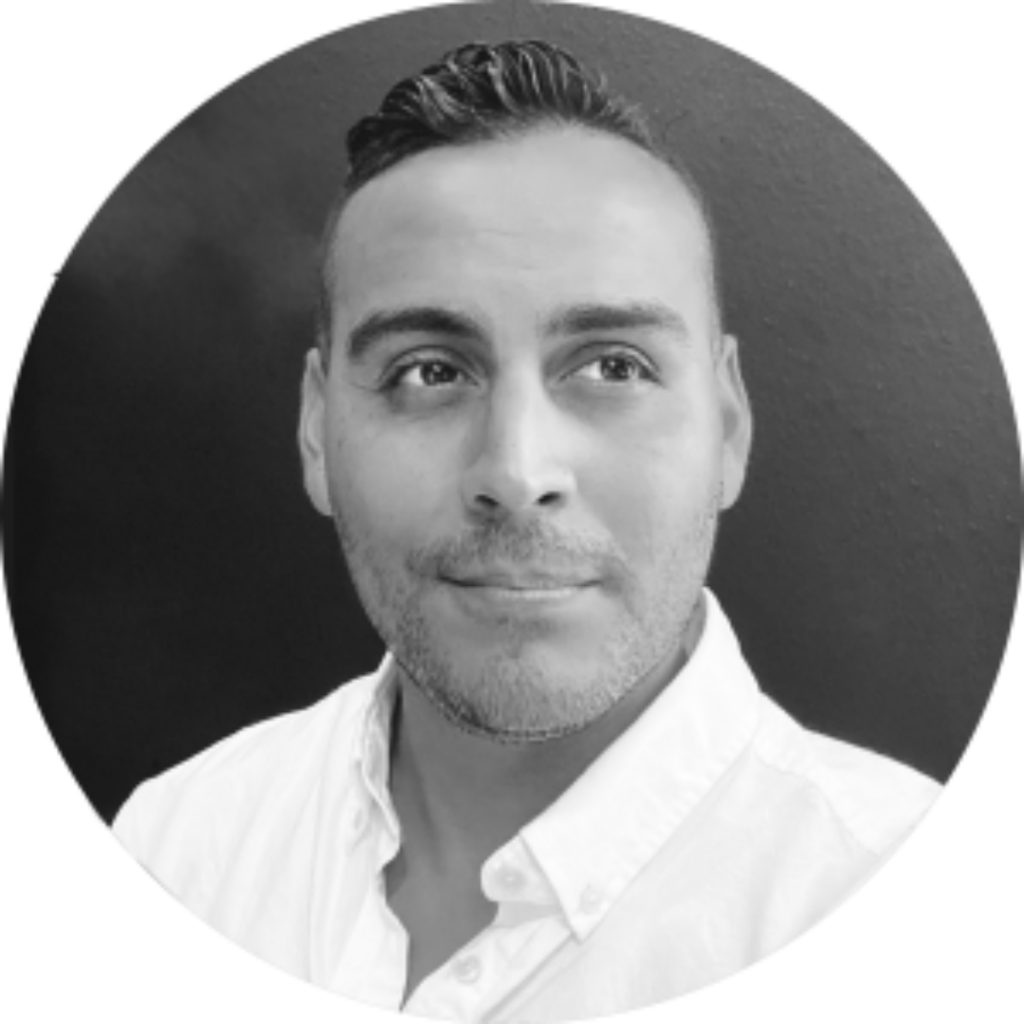
Raul Hernandez Ochoa covers Profitable Growth Systems in this Marketer of the Day episode. Raul Hernandez Ochoa explains how bootstrap founders can turn chaos into a scalable growth machine. He starts with clarity around what the business is growing, then connects marketing, sales, operations, and mission alignment. His framework breaks company habits into three areas: client acquisition and lead generation, fulfillment and onboarding, and administrative health like finance, HR, and team communication. He emphasizes that the founder's goal is not just revenue, but a better journey with more time, health, and family. Leaders must let go of control, coach their teams, and build systems around the right metrics. Raul also shares that failure, market headwinds, and KPI problems can become prerequisites for better judgment.
You’re looking to transform your business into a scalable machine and design a high-profit digital marketing agency? Start with a clear vision and strategic plan. Define what scalability means for your business, and map out your journey to reach that goal. With the right strategies, your business can become a powerhouse in the digital marketing landscape.
Raul Hernandez Ochoa is the founder of Do Good Work, a digital growth consulting practice that helps bootstrapped digital businesses achieve profitable growth, and the author of “Productive Profits: The Founder’s Guide To Scaling Your Impact.” As an experienced entrepreneur and marketing expert, Raul shares his thoughts on how businesses can transform into scalable machines. Today, Raul discusses the common challenges faced by bootstrapped businesses, such as lack of clarity in their growth strategy and operational bottlenecks.
Quotes
“Focusing on small, daily tasks consistently, over time, in alignment with your goals, will help you reach them. Every goal is achievable—it’s not just a dream; it can be turned into reality.” – Raul Hernandez Ochoa
“You can’t just speak whatever you feel in the moment if it’s not going to be effective in supporting the other person listening to you. Be intentional with how you’re approaching your days, how you’re approaching your team, and compounding the effects by focusing on the right activities.” – Raul Hernandez Ochoa
“Success needs failure; failure is a prerequisite for achieving a level of success.” – Raul Hernandez Ochoa
Takeaways
01:18 Bootstrapped businesses often struggle with lack of clarity in their growth strategy and operational bottlenecks, which can be addressed by aligning the business’s mission and product with its marketing and sales activities.
02:18 Successful business leaders must be willing to let go of control and empower their team to take on more responsibilities, in order to scale the business without sacrificing their personal life.
06:16 Focusing on the journey, rather than just the destination, and building consistent daily habits are key to achieving sustainable growth and success.
14:02 Embracing failure and using it as a learning opportunity is a prerequisite for achieving success, as long as it’s the “good” kind of failure that leads to adjustments and pivots.
18:34 Connecting with the right people and continuously expanding one’s knowledge through reading can be powerful strategies for personal and professional growth.
Resources
- Do Good Work: Let’s Work Together to Increase Your Company’s Performance, Scale Profitably, and Serve More Clients – Without The Overwhelm
- Raul Hernandez Ochoa on LinkedIn
- Do Good Work Podcast
- Productive Profits: The Founder’s Guide To Scaling Your Impact by Raul Hernandez Ochoa on Amazon
Podcast: Play in new window | Download (Duration: 21:51 — 30.2MB) | Embed
Subscribe: Apple Podcasts | Spotify | Amazon Music | iHeartRadio | Podchaser | RSS
Transcript
Download transcript (.txt)Hey, welcome back to the podcast. We're here with Raul Hernandez Ochoa. He's the founder of do good work they are at do good work.io do good work is a digital growth consulting practice, and they help bootstrapped digital businesses achieve profitable growth. And we're gonna find out today all about how to transform your business into a scalable machine, how to design and optimize a high profit digital marketing agency and so much more all sorts of fun stories and lessons to share, I'm sure. And so yeah, nice talking to you, row.
Thanks, Robert. Let's try to it's a lot to jam in.
It is and we'd like to just give people a big bunch of randomness and leave them wanting more. So how would you describe yourself? What sort of the elevator pitch which pitch? What's your current passion and focus?
So I mean, I just focus on growth for bootstrap founders. I love the marketing and sales aspect, but also tying that to the mission and product alignment to actually create a change in the market that you're serving.
And where do you see these businesses being stuck? Is it a lot of chaos? Do they have bottlenecks? Where do they need your help? Where do you come in?
Think it's a two fold approach. Sometimes they're either stuck in their own growth and identifying what are they actually growing? And designing their actual business from the ground up? What are the marketing and sales activities that need to be unlocked? What are the operational bottlenecks that need to be removed? How do you align that to the actual mission of the company? So it's a lot of design work in the beginning. But once you're actually cranking running, you're moving really fast. You're usually in the middle of everything. So it's around what type of team? Do you hire out utility operations that can run without you? How do you create a machine through the business setup. So those are the two major areas stuck in lack of clarity, and then stuck in the doing?
And some of these keywords that you're mentioned, like you mentioned things like unlocking this growth? It seems like these companies that you come across, they're already doing a lot of things, right, they just may we need to adjust a little bit or figure out after all the things that all the activities they've been performing what to do more of what to do less of.
Yeah, I mean, I'll give you a real example. So I only talk or teach about things I've done or have done like not theory, one of my guys, he's running a profitable shop, probably like five to six people. But he's doing everything and he's behind on messaging he's behind on his life, he's behind on pretty much keeping up to date, because he's doing quite a bit. So he's able to take action, get the results, get the revenue that looks nice on paper, but his life, if you look at this calendar, it's not what He desires. So how do you remove him from the equation, still double or even triple revenue, while he has more time, or in this case, can be any anyone but have more time to focus on your health, your family, and the business? Not just everything in the business?
That's the dream, right? That's what everyone wants to figure out is? How would you remove themselves that way, they can just focus on what they're good at what's fun, the personal life improves the revenue improve, everything works great. And that seems like a great place to be because intuitively, you always have that kind of scarcity mindset, if you don't rise above it, right? You think that? Well, if I want to have a business that runs itself that doesn't need me, then what do I have to give up? What do I have to sacrifice? And so how do we overcome that? How do we go from having a business that's just okay to a business, that's amazing. But without any of the downside that our our pessimistic minds tend to expect?
I think there's there's always going to be a quote unquote, downside not like it's a negative thing. I think there's always going to be difficulty. I mean, it's like saying, How do I gain muscle without working out, like, that's not going to happen, you're gonna have to go in and like, do a little heavy lifting. That's part of the game. And it's fun. I think the key is tying it back to developing into the type of leader and the type of putting the right goggles on or the right glasses on to look at your business in different lenses through different stages. What works to get to your first million doesn't it's not the same, in particular, how are you looking at your business, you're trying to scale that to 70 people and 30 million above, you know, having seen teams and work with teams on all those different levels. There's very specific nuances to focus on to get through each stage. So I think it's less around. What should I be doing? Because the what is well documented, it's online, we can all access it. It's more about how are you looking at the business differently. And being okay with letting go of control being okay with understanding what your team needs being okay to become a coach for others around you, so that they can become more effective. And you lean into the the, quote unquote, boring stuff, building systems and operations, selling whatever you'd like me to sell but only focusing on the kief like focal areas of the business so it's more about repurposing Shouldn't you and your frame of mind looking at your business? And then from there, the actual tactical stuff, what to build, who to hire, how to hire, how to build, etc.
But you're saying embrace difficulty because the the, they're all the work and the the boringness and the documentation and the readjusting, that's just inevitable, that's something that will have to happen. So it seems like you're saying the key is to do that in a way where it can get done, where you enjoy it, you complete it, you have the kind of the help that you need to get from your team. And it seems like it requires like a mindset shift. You're talking about these things like leadership, letting go or having your team do it. You mentioned a few times about being okay with this being okay with that, right being okay with a company that runs without you that that grows into this direction. And so that seems easier said than done, right? It's like back to the workout analogy, right? Oh, if only I could just go and put this time in the in the gym and do these exercises. But then many people start with the best of intentions and fail. So how do we tap into this mindset shift and this leadership ideas, especially because it seems sometimes really intangible right to be a better leader? Well, what does that mean? How do I get there? So how do we get there?
That's a really good question. And I think it's all around, creating, focusing on the journey. And a lot of one of the things that I always talk if I'm on stage or on pause like this is that your journey determines the destination. Sometimes you say, This is my destination, I want to hit X amount of revenue or X, like, that's great. But that shouldn't, that shouldn't be the end all be all, because you can sacrifice health, life revenue, other people, etc, to reach that number. And sometimes that's not what you wanted. The goal is how do I optimize and adjust for the journey. So when you're talking about mindset shifts, and opportunities, look at the momentum that you need to start making today and make the momentum, the habit, and your place of like, this is where I'm going to be focusing on every day, if I did this correctly, today, if I made progress in building the business, building the team and creating something new, like there's a simple habits or relationships going to be something new, focusing on those small things every day consistently, over time in alignment to your goals will help you reach your goals, because every goal is achievable. That's that's something that you don't hear all the time. It's not just a dream, it's it's it can be done into actuality. So changing it from, here's my dream to here's what I'm working on the building, and it's already being built. That's the first shift. The second shift is focusing on the consistency, day in and day out. It's Monday through Friday, or Saturday, if you if you like that extra day of work, just taking a small bit of action, maybe an hour or 90 minutes a day, what am I building towards the business today? How am I achieving that. And when you're looking at if I'm becoming a better leader, or if I'm optimizing my own day, in my own life, or I'm leading my team to grow, it's really taking a self analysis of what type of what type of company culture you're creating, because usually for small businesses, the culture is a reflection of who you are, and doing a self reflection, what are the values that I have, personally, how do I want others in my team to be treated? How do I our clients to be treated? And how am I going to communicate that with the team? And how am I going to act that out with a team through my verbal nonverbal communications through my emails that I sent out through the documentation that we have, and being intentional with what you do and what you say, not to say that you have to always have the spotlight on you or be nervous to screw up. But just being cognitive. Just like were early on in my entrepreneurial career, a mentor told me that you can't use social media like everyone else does. Like you can't use your own soul shots, just post like, here's what I'm eating today. Sure, you can do that. But that doesn't add value to your audience. Just how you you're more cognizant of how you post on social what you what you say, with your brand. Same thing with your team. You can't just speak whatever you feel that moment if it's not going to be effective to support the other person listening to you. So she's being intentional with how you're approaching your days, how you're approaching your team, and compounding the effects and then focusing on the right activities. And we can dive into the activities that matter most when you're trying to scale.
Let's do that. Because you're mentioning so far, just to make sure I'm keeping up with the kind of my own recapping and following along you're saying talking about momentum, and building habits and kind of doing this this repeat awareness examination of yourself and your values and what the future will look like. And then connecting that back to your communication with the emails you send and the social posts that you put out there. And you also mentioned about like, kind of blocking out the time and being acting with intentionality and not just expecting these things to happen. Not just expecting these goals to fall into place, but actually like putting in the work and doing those activities and putting in the time to make it happen. And so when you're mentioning about these activities that need to be done, I'm mean, let's unpack that. I mean, what what activities do you prefer? And what do you help people out as far as when they say like, I need kind of this things to be more organized things to be more intentional, what are the activities to be done.
So for every business, and I like to dive back into your end outcome is a is a number, it's a metric. But you can design that backwards to identify what are the habits, just how like our lives as a human, we are comprised a lot of our habits, positive or negative, it got you where you are right now, the company also has its own habits. But the cool thing about the habits about the company, it's something you can do personally, or someone else on your team, or a machine. So you can identify what are the most important habits based on the metrics that matter most for my company? Who is doing them? And from there creating a system around those core habits. When it comes to what are the most important habits, I think it's important for us to focusing on marketing and sales. So client acquisition lead generation, those are the two most important on that front. What activities work for you in your market in your audience. How are you pitching? How are you selling? How are you presenting? How are you differentiating and value, tying that back to your messaging, tying that back to your thought leadership tying that back to your sales process, your pitching process? From there, when you have a new client? How are you fulfilling the second phase? Or the second area of habits are fulfillments? How does the team onboard? How does a team communicates? How does the client feel? How are you intentionally crafting and experience? And does your product fulfill that promise that you made in the marketing? So identifying what are the habits we're doing there? And then finally, for administrative habits for your company? What are you doing for finances, team personnel, fun, like we should have communication and at least enjoy the people we work with? Because it's part of the journey. So what are you doing intentionally to keep the business healthy, finance, HR admin work, as well as keep the team happy. And if you look at those three phases of the company, and you build out the right habits, either you do personally, someone else on your team or machine, you start creating momentum and a cycle it you start identifying what's working, what's not working, and then knowing where to fine tune when things are not working. And when you look at that holistic part of the business and becomes it's more doable was less and less ambiguity of what am I supposed to be doing more so like, oh, the business is like a machine and and I just nurture it in the right way. It's going to grow.
Amazing, and awesome, too. So basically, that seems like it comes down to detaching the person from the work that's done, right? Because it's so easy to say like, Well, I do all these tasks, or I have someone that they have all these responsibilities. But then the reminds me of like, with the E Myth, when they say like, have a bunch of note cards, right. And then one person might have like these five or six things, and you can pull some of the note cards aside and say, well, we can automate this task or we can reassign this to this other person. And by kind of having the job roles instead of the people, then you can kind of like rearrange the the pieces on the board there. And then also, that's helpful to think of it in terms of those three buckets that you mentioned, like the marketing and sales, and then the kind of the fulfillment and onboarding, and then kind of like the the operations and HR basically. So that way, instead of instead of having all this complexity and saying there's 37 pieces of my business, you have these three buckets, and you can be like, well, which 1am I improving? Or which process Am I kind of looking at again, or like, you know, what can we sort of work on today? And so you mentioned that you're a speaker and a podcaster. And the fun part of that is hearing about the stories and specifically about the failures and the difficulties and the really like raw personal stuff. So do you have anything to share with us about your own kind of like, you know, struggles or past pain?
Oh, wow. Okay, so we're going there interesting. In terms of past struggle, or pain, I mean, depends on far back. I think the most relevant the most recent is the fact that success needs to have failure, that you that failure is a prerequisite for you to achieve a level of success and failure. Not that essentially you give up and fall in like it's over. But failure, they have to go through the struggle. I think for me, it's helping a team. And you know, there were issues with the marketing funnel. There were issues with KPIs that were headwinds in the marketplace. And this is not an excuse. It's just a matter of fact, even to this day, like maybe six or eight months after, they're still having the same issues. It's not a person issue, but I was the leader there. And it was very difficult because I took it upon myself like oh crap, this is a reflection of who I am and is a huge team, let's say like looking up to our work together, and things aren't improving, when in reality it was it was more of the offer in the market and the change in consumer dynamics. Were were an issue. But going through that was more of a mental issue. More of a not to not to say that it's not to highlight the mental health but perceptions, self identity doubts, like am I actually good at what I do, but with the track record, you know, you still forget that you're good at what you do. So I think that was the biggest hurdle to get over. And that's, that's probably the most Rive or transparent have been on the pot. So if you have any questions around that,
I mean, no questions, I don't want to get you to embarrass but I am glad and humbled that I have the honor of the year the most vulnerable on a pod to date. And what comes to mind from when he mentioned that is that ever, you know, the tendency, like you said, is to avoid failure. And from hearing about your story, there's like good and bad failure, right? Good failure is in taking the risks and adjusting and getting the data you need to pivot or realize like a project hit a dead end. And then the bad failure is, like you mentioned about giving up or in trying to avoid the failure in the first place. And so I think that's, that's what how that hit home for me is that you shouldn't avoid all failure, there are for sure types of failure to avoid, but then failures, that prerequisite for success, you figure out where you need to go, and you get the get ugly early, as they say, and you kind of debug the system and troubleshoot and all that sort of stuff. And so as we're approaching near the end of our conversation here, what has surprised you about your journey, like you're kind of you're raw and authentic here, and you like to talk about, you know, dealing with people and building things. But you know, what was a shock to you in these past years.
I think the more that if i It's interesting a shock to be these past years, that the thing I was trying to move away from was the thing that I was being attracted towards, or that people were seeking me out for, which was interesting. I grew up in the direct response marketing world, I've done pretty cool stuff and worked on some pretty interesting projects, well known names, etc, etc, behind the scenes. And I was like, okay, cool. Let me try to figure it something else on another journey. But the more that I went in that journey, the more I get pulled in, hey, Kiyomi, with this, Hey, I'm looking to grow, hey, what does this look like and to be honest with you, the lack of sophistication, and integrity in that industry, really highlights and shows that a lot of people do still need this help. So it was an interesting shock. To me, it's like an interesting, the thing that I developed in the skill set that I've developed and have not been leveraging, as much is what people are seeking out for the most now.
That's interesting. And that, that seems like a fun discovery process of just trying to be one thing and trying to go in this direction. But being pulled back into something where you're really needed where you really shine. And it's it keeps life interesting, right? If if you said I want to go over to this goal over here, and like was just a straight line journey that that thing? I mean, how dull and bland would that be? It's more fun to have the the ups and the downs and the excitement and all the unexpectedness that happens with it. And so as we're really about to wrap up our conversation, it's always fun to put my guests on the spot and especially like you, you're the while you're speaking and podcasting, I like to ask about, if you have ever thought about what advice you wish you'd gotten 20 years ago, it's always fun to hear about, like something simple and how things could have changed. So what advice do you wish you'd receive 20 years ago,
20 years ago, read five books a month and connect with one person a week, either in person or the phone.
I like that. And that ties right back into your branding of having the KPIs, the goals, the metrics, so you're saying read five books a month, and then connect with that you say one person per week,
one person per week, at least make one new connection, in alignment to where you want to go.
And I think that's very doable. And I'm sure like that sort of recording process is slow and frustrating at first. But then as you kind of grow your circle and you and you kind of get to know the names in your space connected to your future goals. And you can be like, do you see the same names again, and again, you make the connections and this person can introduce you into that and I think that's a very noble goal and something that's very doable for us to get to where you want to go and speaking of people getting to where they want to go this is not a free show, right? You're not just here for your health you're here to say I'm impressing this audience with the my insights and with my my aha was but then now the the other end of things is to go to a call to action to go to a website. So can you tell us about your company do good work.io And what the next step is after someone watches or listen to this podcast,
the next best step is to get more free information and go to do good work.io forward slash m o t d for a marketer of the day you'll get access to the book for free articles that I think would be useful for you. And just additional resources for you to take. Take action.
Fantastic. And so that's that's how this podcasting thing works, right someone gets a taste of the good stuff, and they say, I was really impressed with it rattle had to say, and now that I want to get more of this kind of entrepreneurial and agency and business building and mindset and growth advice, the next logical step, the very next thing to do is to go to do good work.io/m O T V, that way you can be on your path to doing all those things that rural talked about, of reading those five books a month, connecting them that one person per week of setting those goals of delegating things to your team of being a good leader of being a happier person or not use your business to sacrifice your personal life and all those things because time is limited. You never know how much time you have left on this planet. It's good to make mistakes, but it's not good to make unavoidable mistakes. And it helps to have that support system that people who can share with you about their past history and help you where you need to go and rule is the person to do that. And your job at this point is to go to do good work.io/motd to get those free resources, including the book and we will see you there. And thank you Raoul, for being a super cool person giving us all these helpful advice. I really appreciate you. Appreciate you, Robert,
thank you for having me on.
We really appreciate you being a listener of the marketer of the date Podcast the place to go right now. If you want to know more about running your own podcast is dF y podcast.com/free. Go there right now claim your free gift. DF why? podcast.com/free