Published Last updated
View in Podcast Library: stories, quotes, books, and resources in one place.
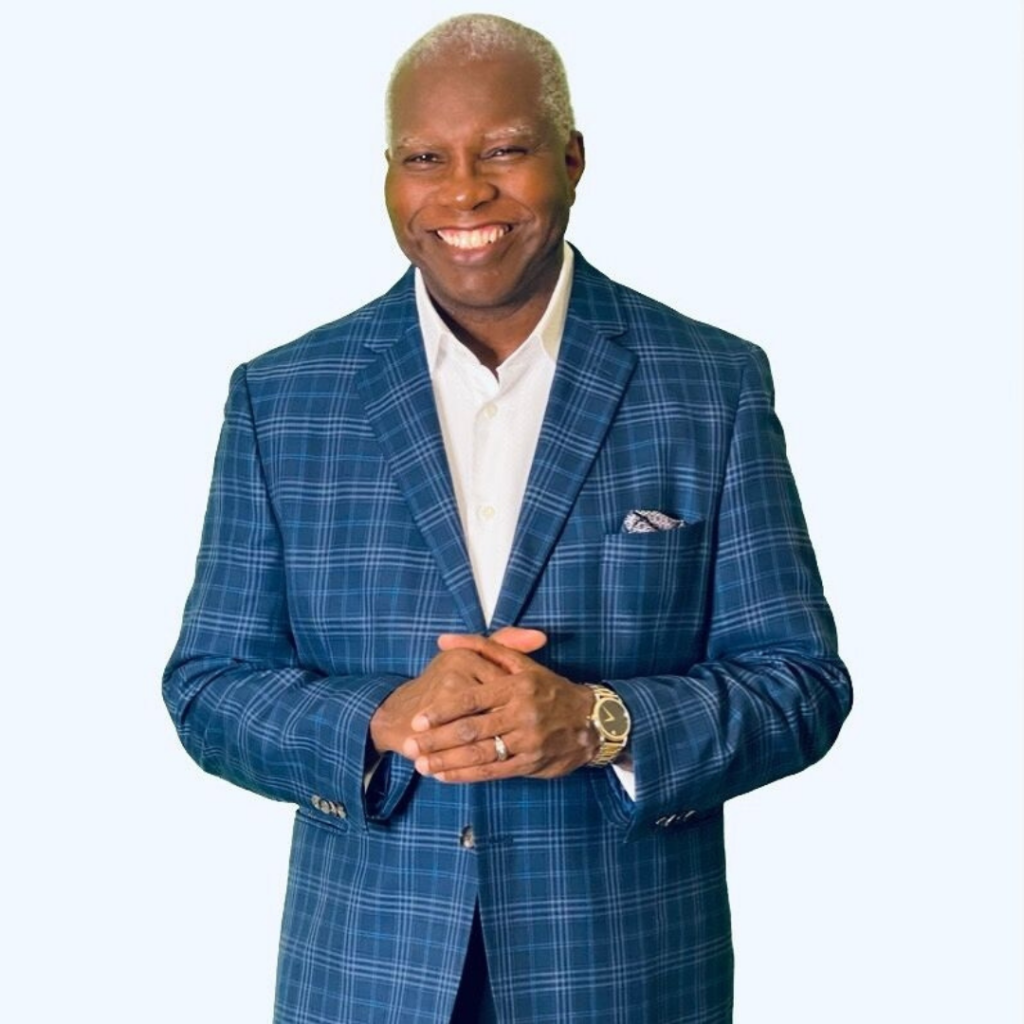
Gerald J. Leonard covers Productivity Leadership in this Marketer of the Day episode. Gerald J. Leonard shows how transformational learning turns disruption into better decisions, stronger teams, and higher productivity. After vertigo damaged his vestibular system, he set a TEDx goal six weeks away and used bass practice, neuroscience, and therapy to rebuild. He reframes disability as a constraint, then manages energy with naps, yoga, meditation, Chi Gong, and focused scheduling. His business novel, A Symphony of Choices, teaches decision making, project management, and workplace engagement through a 20-year musician turned orchestra manager. One lesson has musicians show the board their degrees, expertise, and instruments worth $25,000 to prove value. He also shares six core principles of project management, a weekly evaluation worksheet, and the need for coaches.
Strategies for decision-making and management play a crucial role in the success of any organization. Effective decision-making involves analyzing information, considering alternatives, and choosing the best course of action. Furthermore, adept management requires the ability to lead teams, set goals, and allocate resources efficiently. By implementing well-defined strategies for decision-making and management, businesses can enhance productivity, foster a positive work environment, and achieve their objectives with confidence.
Gerald J. Leonard is the CEO of Principles of Execution (PofE), a Certified Minority Business Enterprise, and a return guest on the podcast. He is the author of an upcoming book called “A Symphony of Choices” which covers topics like mentorship, decision-making, project management, and workplace engagement. Today, Gerald shares his writing process, the importance of storytelling, and how he overcame personal challenges to grow as a person and professional.
Quotes
“When tough things happen, don’t just go through them, grow through them.” – Gerald J. Leonard
“Transformational change starts with transformational learning.” – Gerald J. Leonard
“People can be like crabs in a barrel, pulling you back. Find a new barrel of crabs that are much higher and doing better than you are.” – Gerald J. Leonard
Takeaways
01:32 Storytelling and engaging narratives can be powerful tools for conveying important business principles.
07:18 When faced with difficulties, focus on growing through them rather than just going through them.
12:30 Transformational change requires transformational learning – seek out coaches and support to help you learn and grow.
13:29 Manage your energy and take breaks when needed to stay productive and engaged.
26:39 Surround yourself with a supportive “barrel of crabs” that will lift you up, not pull you down.
Resources
- Gerald J. Leonard: Leading Authority in Workplace Productivity and Growth Strategies
- Gerald J. Leonard on Facebook
- Gerald J. Leonard on LinkedIn
- A Symphony of Choices: How Mentorship Taught a Manager Decision-Making Book by Gerald J. Leonard on Amazon
Podcast: Play in new window | Download (Duration: 28:41 — 39.6MB) | Embed
Subscribe: Apple Podcasts | Spotify | Amazon Music | iHeartRadio | Podchaser | RSS
Transcript
Download transcript (.txt)Hey, and welcome back to the marketer of the day podcast. We're here with return guest, Gerald J. Leonard. And he has an upcoming book called a symphony of choices called mentorship taught a manager decision making project management, and workplace engagement and save the concert season. We'll be talking today about these things like harmony, adaptive leadership, emotional intelligence, and so much more. So Cheryl, glad to be talking with you again,
Robert, it's so good to see you again. And I'm so glad you invited me back on the show. And thank you for having me.
Very glad to have you. You're one of my very first guests, I think you were like the fifth or the seventh. And so many years have passed since then. The technology has changed so much, you and I have grown so much as people in our skills that I still it seems like so long ago, I barely remember our conversation. But I still remember some of these ideas about like the the symphony that the orchestra, how everyone plays a part how there's that amount of stress and showing up and how that can also be a good metaphor for our workplace and the productivity that we do. So I mean, to get everyone caught up. Can you tell us about yourself? What makes you special? We have gone on these days,
man, you just summarize my whole books. So that's awesome. No, but since the last time we talked, I think we might even talk when I did the second book workplace jazz.
Yes, at some point you came back. But who knows what year that was? Right? Yeah, exactly.
Exactly. I think it's my third time you and I talking? Well, this with this book, a symphony of choices. It's a business novel. And you know, when you first write a book, you know, you learn a lot, you go through the process, and you think writing the book is all it's all there is and then you write the book. And you go ahead, there's another whole nother industry, to learn about how to get the word out about the book and share your ideas with people. And I think what the third book, the biggest thing I learned was to build a great team. And so I went out and found some amazing coaches, who we have worked with the likes of Jack Canfield and Stephen Covey, and others who could coach me as I write my wrote my book, and work with a fiction writer, because it's a business novel, because it really teaches some principles of a course that I taught and created back in 2015. And, you know, when you when you develop a course, or develop something that you think is really a content, I always say no, honey makes the medicine go down, right? Because so that, you know, a good story helps the principles sink in. And some of my best books that I've learned from have been written as stories have been written as novels. And just even recently thinking about the whole Ted lassos show, you know, there's a lot of business lessons in that show. And we take them in, because the show is so good. It's so dramatic, there's so many different angles, all the different characters in so I leveraged that the concept of storytelling, and you know, just a really good through plot, and multiple characters and dynamic characters, and they got to work through issues, to teach some of the principles that I want to teach in my book around the idea of decision making, workplace engagement, changing careers, working through things, even when you have relational issues, even while you're trying to raise your kids, even when the economy goes, or there's a pandemic, or all those different things that happen. You know, it's really about getting the message across in a way that people can embrace it.
I love that. And so you made sure to embrace the fun and it seems like that's what the storytelling and the just the entertainment is about, like we all we all had our whenever childhood generation, there was always some kind of like learning aspect where there was the the fun plus the learning, like for some reason what comes to mind is in school, there was this thing called Schoolhouse Rock for us where we like math and stuff like that. And it was even old when I was a kid like it was from the 70s and Ryu.
Both of us are sitting here smiling about that. So I think we're dating ourselves.
Probably and I'm sure the kids have some some newfangled thing that we don't even know about, and that's okay. But and it's like and it can't can't all be fun, right? It can't all be silly. You have to you do have to sneak the medicine in there. But I can definitely see how they can just make it make it just less dry and make it something that's different. And so all those things that you mentioned there you mentioned about things like you know, career changes or life changes or pandemic changes. And what comes to mind for me hearing some of that is there's that saying, don't wish it was easier. Wish you were better. That like there's things that we there's things that we have to step up to and even just before this call you and I were talking about, like you know, kids growing up and how there's, there's rewards but there's also stress and time crunch and responsibilities, but that's okay. They can, it can all be part of a package where the just you have to step up, you have to show up. And if you wish that you didn't have stress, if you didn't have problems, that's the wrong thing to be wishing for, you should want the positive right amount of stress that way you can become a stronger, better person and solve some of these problems in front of you.
Exactly, you know that since the last time you and I talked. And I think this happened to me, it happened to me in 2018, I doubt you know about it, but I had a major bout with vertigo. And the vertigo impacted what's called the vestibular system in me. And vestibular system deals with your balance. So I was rushed to the hospital, spent a day and a half there, they had to give me medication to make the vertigo stop the when it was all said and done, I literally lost the ability to walk. And I had to show that I could even move around with holding like a walker, to get around the hospital, or at least walk down the floor and show the doctor that I could go home by using his walker. And that happened six weeks before a TEDx talk, talk about having some challenges. And it really was like, in my face. I'm not sure how this is gonna work out. But I decided to set a goal to do the TEDx talk. And, you know, my talk was on what it practices performance, the neuroscience of music, because, you know, books will have a musical theme, because I'm a musician. And I've done a lot of research on the neuroscience of music. And it said that, you know, when if you haven't any damage, neurologically, by playing music, it'll force the brain to rewire itself. So I want, I spent literally a weekend bit. And once I went through that, I got up and I started was able to play my bass, get to my office and grab my bass, I played for a little bit, went back to sleep the next day and got up and did that for a few days. And within a short period of time, within three weeks, I walked into my doctor's office unassisted. And three weeks later, I walked on stage. And there were two lessons that I got from that, because that situation exposed a lot in my first marriage, I really have gotten remarried, but exposed a lot. And the two things I learned was, when tough things happen, don't just go through them grow through them. Okay, don't just go through it grow through it. In other words, don't don't wish it get to, for it to get easier, wish that you get stronger. And then the other thing was to decide to get better and not bitter. Because when you know, you go through something really difficult, and people around you that you're trusting in and hoping in and, and so on, and things change, you can make a decision to be a victim and get better, or you can make a decision to be an advocate and get better. And so I made the decision to grow and get better. And because of that, you know, my life is has radically changed. I have two companies now I had a company that invested in my company, because of something things I was going through and also the pandemic happen. And when the pandemic happened, you know, a lot of people were especially musicians, were playing music online to get encourage people who were just kind of sitting at home. So I did the same thing. I did that a few guys who had worked with me in the past, saw me playing and said, Hey, I didn't know you played so well. By the way, do some time when you're here, I got a client in India that needs some help. And by the way, we're looking for a company to invest in and we know you and you got a great company, let's talk. And from that I had a major investment in my company, wrote my second book, and then wrote this book, the new book. And with that was going to networking events and so on, was introduced to a publisher, Ed Wiley. And they read my book, saw my proposal and said, Hey, we want to purchase your book. And we want to help you bring this to bring this to the market. So you know when difficult things happen. I think, you know, we can decide how we're going to respond. We may not be able to stop the event from happening. Steve Jack Canfield teaches this a lot in his success principles, that when bad things happen, it's how you respond. Or when difficult things happen. You know, the economy, you know, the American culture, whatever the case is, when difficult things happen. It's not the event that determines the outcome. It's our response to the event. And if we respond by saying I'm going to learn and grow through this, get coaches and people around me to help me to grow, and I'm going to get better and not bitter. Be willing to forgive and let go and move on. It's amazing the things that that God the universe will bring into your life that you weren't prepared for and it will take you to a depth of learning and growth that you would never have experienced if you if you made a decision to just kind of go through it and get a little bitter about it.
I love that how there's, I mean, people always talk about when bad things happen, whether it's pandemic recession, personal life, whatever, that you can either step up to it or give up. But you're, you're saying it's not even just going through it, but also growing through that you become a stronger person than you would have without all this happening. And I mean, we've all known someone like that, who's given up at the first sign of something going wrong when we say, Well, do you really give up because the pandemic happened? Or were you looking for reason to give up? And that just the right opportunity came along? And you said, Oh, finally, the perfect excuse? And so it exactly, it seems to me like, you're kind of digging up some kind of thoughts in myself, where, like, when the when the difficulty happens, it motivates me to try harder. It's not just as a matter of being like, well, I'm like a resilient person in this, you know, conflict, or the struggle is happening. I'm like, Well, I lean into it, I'm like, when, when they know I come across an obstacle, that's a signal not just to keep going, but like to try even harder than I would if that hadn't happened. And so like, when you go through some of these things that you've gone through, like with the, like, the vertigo, and the divorce, and the pandemic, and all these other things, like, what motivates you? Or what, what got you into gear? Like? Did you have a period of like, feeling sorry for yourself or a period of panic? Or like, how did you kind of make the mental shift from A to B?
Yeah, it was, you know, it was it was tough, you know, when I first laid there, because for the first week, all I could do was lay in bed, I couldn't do anything else. I couldn't look at my laptop, couldn't watch television, had a ringing in my ear. And so you're just your brain, and you're just sitting there thinking, like, Is this my life? Is this what is this, how I'm going to, you know, what's going to happen to me? And then you kind of get past that, and you go, Okay, I gotta figure this out. I gotta, you know, so I started rehearsing my speech, you know, because, you know, I plan to do this TEDx talk, and I've been selected for it. And I started thinking about my life and all the different things I had gone through and realize, I had already overcome quite a bit. And, you know, one of the things I've learned since going through this, is that transformational change that we all, we always talk about wanting to transform and Trenton and have transformational change in our life. And one of my coaches, a gentleman named Dr. Paul Shealy. He teaches, he teaches the concept that transformational change starts with transformational learning. And honestly, it was making a decision to set a goal. But then making a decision to learn whatever I had to learn to overcome the challenges that I had to overcome. So I had already spent quite a bit of time learning about neuroscience, I spent more time studying about neuroscience, I read different things. I started going, when as I could, I started either watching them online, or going to workshops, reading books, doing seminars, and learning all about I learned something about brain gyms, which is like, move body movements, because when you go to vestibular therapy for the thing that I that happened to me, which, which by the way, it's still a quote unquote, disability, I don't call it that. I call it a constraint. So by having this constraint in my life, I had to go to work and go, Okay, I have this thing in my life. Now that is limiting what I can do, how do I work around it, and work with it, and not be angry about it, but embrace it and figure out how to make it work. By doing that I learned all about I just, again, read everything I could about neuroscience, I found coaches. And I went through this whole process of transformational learning that created transformational change. And I can tell you today, I have become more productive, as I'm dealing with, you know, my constraints than I would have than I was before. Like, even today I have, I think I've had a couple of meetings, I had a workshop, I took a nap in the middle of the day, because I knew I had this podcast, in his interview with you and this conversation, I want to have my energy up. I had a meeting before this. And I bounced throughout my day to manage my energy. I wouldn't have done that before I would have just kind of kept running, running, running. And by the time I got to our discussion, I would have been pushing myself to have energy. Because I manage, I've learned to manage my energy better. I've learned to have learned the things that I need to do. And I learned that okay, it's okay if I need to take a nap in the middle of the day. And if I can't go to sleep, what can I do to still get the same effect? All those things were things I had to learn. But by learning them, it allowed me to transform in ways that I could not have transformed finding the right coaches, finding the right people and then finding the the right support around you. Because sometimes the people that were in your circle, when you go through something like that don't understand or can't support you. And so you have to then go out and find the right people that can provide that support. And to be honest, as I've learned, I mean, I've done things like Chi Gong, I've learned, you know, I've gotten into yoga, I've gotten into meditation, all these things that are, you know, basically allow me to get centered, and focused, have allowed me to write this book that I wrote, and find all the coaches and folks around me, to help me to write something that I think is going to make a big difference in people's lives. Because it deals with all these issues, and how transformational learning creates the transformational change. And I think if we try to go into creating transformational change, without the transformational learning, it becomes very frustrating.
Right? And I can imagine why be and especially because you get, you're stuck in your old ways of thinking, right? If you're not learning, and you're just like trying to use that the old in order to solve the new. And so that's a really helpful concept just to, to always be learning and be if you have some kind of a difficulty situation, medical or otherwise, just to learn as much as you can about it. Because that way you learn about why things happen. You learn about what other people have done in your same situation to solve that problem. And I mean, you're you're making me think about how, you know, when everyone always wishes they were younger, right? But then I recently been thinking about man, like, when I was in my 20s, I had all this energy, but also I did I did stupid things like staying up all night, and I can't I mean, I am I think it's been like a decade since I stayed up all night. But back then, I would think nothing of it, and then wonder why just my emotions were all over the place and energy brain not always functioning. And so in some ways, youth is not all it's cracked up to be, because it's so random. And so all over the place. And then there's also that aspect with youth of when you look back at the friends you had in high school, or in kindergarten, you think like, really, I was friends with people like that, who treated me that way. But you didn't, you didn't know that yet, you didn't have the criteria of who is going to be helpful to you and who was not. And now that, you know, we have all these decades on us. Now, when you look, you assemble this team, as you put it and you find these coaches and your support system, you kind of have like the intuitive criteria, and you know what red flags to look at. And you know, what sort of feedback and behavior you won't tolerate. And back then you just would tolerate because you just you're just going with what you have. And so always be learning. That's an excellent just tip in so many different contexts. And if you are beginning to wind down a conversation, I want to make sure that we get into a snapshot of the book because it sounds amazing. And you have these stories in these lessons. So is there a, a favorites, lesson or chapter or story in the book that you feel like sharing?
Yeah, it's actually when when Jerry Hall, who's the main character of the book, gets in touch with a coach. And his it's His name is Dr. Richardson, and it's an oppa fencer, because, you know, Jerry has been a musician for 20 years. And now he's won the job to be the orchestra manager. So he has to do all the business aspect of the orchestra. And he's like, Okay, I gotta brush up on all this stuff. So he reaches out to an old professor, who then starts mentoring him. And that's where all the lessons come in. And he's mentoring and training him all this. But he also has to help the board understand the value of what the musicians are bringing to the table. So he creates this meeting where he brings different musicians in, and they form in front of the board, but then they talk about the price of their instrument, the fact that they have their bachelor's, their masters, and even their PhD, because some of the board members in the book were thinking will music as a hobby. And they didn't realize how much you know, these musicians had put into their craft, and how much they had invested. And that some of the instruments, these musicians, and this is really, this is a real true a truth about classical music, or even some of the jazz musicians that their instruments can cost as much as a car, like 25,000 just for an instrument, if you're getting a quality instrument. So when they learned that they realized that they needed to one increase the salary of the musicians, provide them with more support. And he was able to help kind of navigate and be an advocate for the musicians in this new role in front of the board and really get them on board, if you will. So there's a lot of lessons in there like that, where it's teaching, you know, buy in and workplace engagement, but it's doing it in a very visual way if you weren't, if you will, because a lot of the words that are being used creates a visual picture of what's going on and a lot of different characters. But you know, and he has his he said his challenges, he had his challenge with some health, he has his challenge with his marriage, but you see him work through it. And you see him work through the thought process. And so as you're going, as you're kind of reading about Jerry, going through the different challenges, you're sitting as the reader on the same side of the table with Jerry, being given the same information, being given the coaching, so by the time in, it's really called Project learning. So by the time you finish the book, you've actually kind of gone through this journey with Jerry. And so as he's transformed and dealt with all these things, you're seeing how you can deal with the things in your life. And I've gotten some really great feedback from people who've read the book. And, you know, I wanted to make sure was a business book. But people have told me they are really engaged with the story, and the storyline in that it's a really intriguing story. And it really is good. You know, it's a gripping story. In fact, one of the writers from Business Insider, wrote an article about Jared, Ted lasso. And he quoted me in the article, and there's like two paragraphs, where he quotes me about the symphony choices and comparing a symphony of choices with Ted lasso, and put a link in his article to the book, saying that just just how engaging it was. So I was really excited about that.
Amazing, so you're accomplishing so much, you've got the TEDx talk, you've got the Wiley Publishing, you're mentioned in Business Insider, what's next for you? What do you have that's got you excited about the near future?
Well, I've started my own podcast called productivity smarts, I have, like I said, my second company, productivity intelligence Institute, where I do a lot of coaching and training. And, you know, there's, there's a landing page that people can go to learn more about it. In fact, I've made it really simple. It's productivity, intelligence, institute.com, forward slash, raw, Robert plank. And so basically, just take your name, and put it together at the end. But it's productivity intelligence Institute, I'll make sure you have the link for the show notes. And people can go there and you know, learn more about the things that I'm doing. And, you know, my I'm basically working on my fourth book right now, which it will be called, it will deal with something around productivity smarts, because I really want to share the journey that I've kind of gone through with increasing my productivity at the same time, you know, reducing my stress, doing yoga, becoming more mindful, becoming more thoughtful, and just just kind of growing myself, again, you know, through transformational learning, through making a decision to get better, not bitter, and making a decision to grow through the challenges and not just go through the challenges.
I love it. And I like your all your your kind of catchphrases, your Ryan's because that way, some of these important lessons they stick to us. And you said that that URL is productivity intelligence Institute slash Robert plank. And the book is a symphony of choices. And where do you have like a hub or our main website call to action where we can find out all about you specifically,
if you go to that, if you go to that site, for the listeners, they're gonna find out everything about me, there's all all the links that they need to know, there's a number of of downloads, there's a companion guide to the book there that they can get for free, that teaches them about the value the six core principles of project management, there's a weekly evaluation worksheet that I use for my own productivity. And even if they say, Hey, I really want to reach out and then book a call with Geralyn. And just to understand some of the things that you're doing, there's a link on there that they can even book a call. And there's my social media links as well on LinkedIn, if they want to follow me there on Facebook, and so on, or even my email, they can reach out and email me.
Wonderful productivity intelligence institute.com forward slash Robert plank, you're quite an innovator, sir. And we, you know, you think about the musicians that you like, or the bands that you like, and I think the ones that are the most memorable for me are the ones that are prolific, right? You think about like these kind of classic. I mean, I think I've heard everything there is from The Beatles, I'm kind of I'm kind of over the Beatles, but then these other bands that they're they persist throughout the decades, and we're always coming up with something new. Those are the ones that I have a lot of respect for the ones that kind of, they don't just rest on their laurels. They don't just repeat the old stuff. They're always working on something new and I mean, musician,
you're stealing the thunder from my next book because my next book productivity smarts is going to highlight for the last two decades, the most prolific musicians of the 20th and 21st century We have basically what can we learn from them when it comes to productivity. And I'm going to incorporate a lot of the things I've written around productivity and the neuroscience and things like that, that I've learned. But I'm gonna leverage that whole concept of the prolific musicians to get them in the music to it.
So we're on the same wavelength, right, right there. And, and yeah, and, and a lot of people don't know that, you know, musicians, they're really hard working people, at least the ones that are skilled, and they they always power through and fight through the difficult work. And some of the things you've been mentioned about, like your your energy management and spacing out the day, I think those are all things that, you know, maybe some of us haven't thought of, or maybe could dial in a lot better. So people need to be checking out your book, they need to be checking out that landing page, that way, they can break out of the infinite loop of their limited thinking, where the their mindset so far has only gotten them this far, you need that extra help you need the team and the coach to get you to that next level to get you to where you need to go. Because otherwise, you're running out of time, right? I mean, if you, if you were born, and you tried to invent algebra, or calculus, you'd spend your whole lifetime but you know, you could open a book and learn from all the past centuries that they present the answer right there for you. And then you can build your own thing on top of that. So a symphony of choices, how mentorship taught a manager, decision making project management and workplace engagement and save the concert season. You should check it out by Gerald J. Leonard. And as we're winding down here, do you have any final parting words of advice you have like a favorite lesson or quote, or just something to really cap off our whole conversation?
Well, you know, I always say, I tell my friends sometimes, that that people can be like crabs in a barrel. And here's what I mean by that. You have friends around you. And if you start changing, like crabs in a barrel, they can pull you back. But what you have to do is find a new barrel of crabs that are much higher and doing better than you are, and surround yourselves with people who can pull you up and not pull you down. And so sometimes when you're going through changes, you the people around you may not adjust to those changes that you're going through. And that's okay. It just means that you need a new barrel of crafts to be around people who are at a higher level, that are working at a higher level that are thinking a higher level. And guess what, they will pull you up to their level. And that's what I've had to do as well in with reaching out to coaches and building relationships is that those things happen. But if you just keep growing, you'll find the right the right group and support group around you to help pull you up. Because we all need that help.
Very helpful. Something to definitely be aware of is find the better barrel of crabs that pulls you up instead of pulling it down. And hopefully, ideally, Gerald in his book will be someone in your better barrel of crab. So go check out Gerald Leonard's book right now. We'll see you there. And thank you, Jim, for showing up again and for blowing our minds with your experiences with a uniqueness and with your insights. I really appreciate you.
Excellent. Well, thank you, Robert. Thank you for having me here.
You wish you had a podcast just like this one. Do you wish you did more with your podcast like getting more traffic, being active on social media getting more guests better guests or you being a guest on another podcast? Or maybe you just want your podcast to stay the same? But you don't want the time commitment you currently put into your podcast and any or all of that sounds great to you go right now to Def Why podcast.com/free to claim your 12 podcast boosters