Published Last updated
View in Podcast Library: stories, quotes, books, and resources in one place.
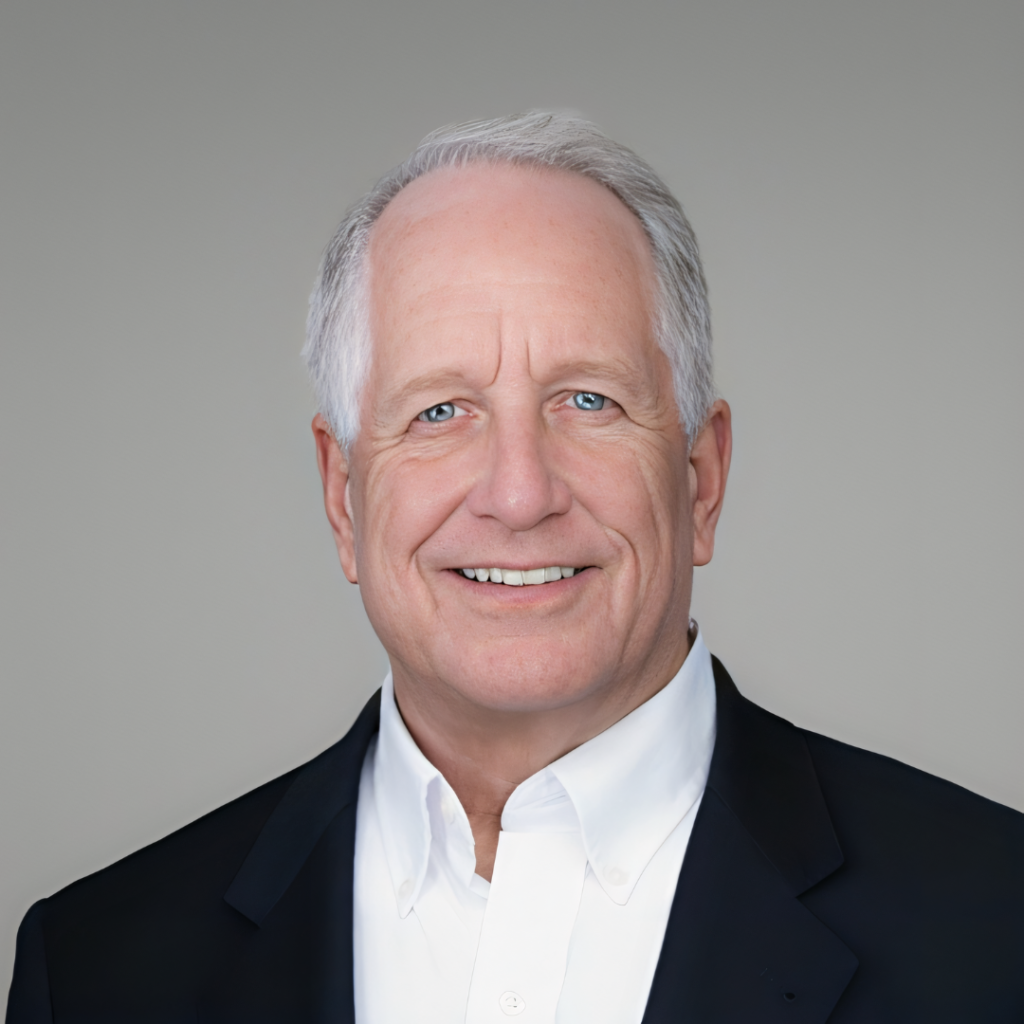
Jim Bramlett covers Customer Hassle Reduction in this Marketer of the Day episode. Jim Bramlett explains how removing customer hassles makes people buy faster and stick around. He says every buyer evaluates an offering using four criteria: convenience, transparent price, user experience, and trust. Convenience means saving time and effort with simple steps, while price must be competitive and clear before checkout. Experience is the feeling of being taken care of, from responsive humans to clean, organized touchpoints that answer questions quickly. Trust comes from delivering what you promised, not advertising a three-day shipment that lands on time only about 80% of the time, and reinforcing results with guarantees and proof. To close gaps, he recommends an ongoing R&D habit: shop competitors, use salespeople to learn why deals were lost, and study alternatives like an NFL team studies film.
When customers face friction at any stage—whether it’s confusing navigation, slow service, or unhelpful support—it doesn’t take long for frustration to set in. People remember how a business makes them feel, and if the experience is filled with obstacles, they won’t hesitate to look elsewhere. The real challenge isn’t just fixing problems as they arise, but proactively creating a seamless, intuitive journey that keeps customers engaged and satisfied. A business that removes hassle instead of adding to it doesn’t just attract customers—it earns their loyalty.
Jim Bramlett is a seasoned entrepreneur, author, and growth strategy expert. He has written a book titled “Stop the Hassle: Simplify, Satisfy and Succeed,” which provides insights into eliminating customer pain points and driving sustainable business growth. Today, Jim Bramlett shares his expertise on the four key criteria for customer satisfaction – convenience, competitive pricing, exceptional user experience, and trust. He emphasizes the importance of putting the customer first and engineering business strategies around their needs, rather than focusing solely on internal metrics. Stay tuned!
Resources
- Jim Bramlett “The No Hassle King”: Transform Your Business Into an Industry Leader. The fastest, easiest and best way to grow your business organically.
- Connect with Jim Bramlett on LinkedIn
- Get a copy of Stop the Hassle: Simplify, Satisfy, and Succeed by Jim Bramlett on Amazon
Podcast: Play in new window | Download (Duration: 29:53 — 41.2MB) | Embed
Subscribe: Apple Podcasts | Spotify | Amazon Music | iHeartRadio | Podchaser | RSS
Transcript
Download transcript (.txt)Jim, Hey and welcome back to the podcast. Mr. Jim Bramlett is here, and he is a very excellent book that you are going to want to run, not walk and check out. It's called stop the hassle, simplify, satisfy and succeed. It's all about the power of eliminating customer hassles with insights from this seasoned entrepreneur that we're about to speak with. He's an author, speaker, product, thought leader and preacher. He is a growth strategy expert, and he's going to just get us on the right track, right tell us about what we need to do, as far as making sure our message packs a punch, making sure that we're innovating, that we're driving growth, or we're going for long term success, all the things that sounds good, right? Who out there says I don't want long term success? We want that Jim will help us get it. So Jim, glad to be speaking with you.
Robert, it is my pleasure to be here excited.
Well, we're a couple of excited guys, and hopefully an excited audience. And so what did I leave out of your bio? What are you currently just like, super jazzed about what's the current focus?
Like, focus is two fold. I'm actually starting my third book, and I'm actually looking to put together an online course, because I want to get this message out to everybody in a in a more engaging way. I would say,
Well, great. And what is that message?
The message is, I'm an old if you remember the show the Prophet Marcus, Lemonis, he would go around and book companies. He was all about people process product, and I would add purpose in that fourth P, I'm a product guy. I believe if you've got the product right, and this in my message, applies to any offering, if you got that product right, the people come along, the processes will come along. But if you don't, I don't care what kind of people and process and purpose you have, it might be a tough road. So product is what, in my opinion, it's all about,
all right, it starts with that, that we have a solid foundation, and if that is lacking, the other pieces won't make up the difference, but it is important to have all those items in place, right? People process product and purpose and so like, what does that look like when you these companies that you worked with, people that you helped? When that is dialed in? What's the picture
you says, always laugh when an entrepreneur, a new startup, says, Tell me about your company. Well, we're we're providing value, or we're solving an unmet need, or the worst one, in my opinion, is, well, we're disrupting an industry they don't go into. What are you really talking about, value, an unmet need. So I have this belief we you and I and everybody listening are buyers. We buy something every day. Could be gasoline, coffee, lunch, whatever it is, and whether we think about it or not, and on low value items, we don't think about it much, but we have four criteria by which we decide what we're buying and from whom. And number one is convenience. I want to save time. I want to save effort. I want simple and I want easy. Number two is I want a competitive and transparent price. In other words, I want to know what I'm spending before I make that purchase. I don't like surprises like the airlines and lawyers and the like. Give me number three. I want a great user and buying experience. I want to be treated like I'm their only customer, even though I know they've got I want my questions answered. I really don't like talking to a bot if I'm buying a product. I want style, durability, efficiency. If I'm buying a service, I want professionalism. If I'm going into a facility, I want it well lit, clean, organized. That's a user experience. And number four is feast. If I'm about to buy something, I have a certain perception in my mind that what it is I'm about to buy. And especially true if they have a if a brand promise. And so I need that perception fulfilled. And I use this example, if I'm driving through McDonald's, I'm not expecting a, you know, a delicatessen meal and high but I do want warm and quick and, oh, by the way, I want my fries in my combo meal. I don't want to pull off and go, where are my fries? So we have this perception and and I want to thrust that. I'm going to get that and I get that through guarantees warm. Guarantees, free returns, testimonials. How long have they been in business, etc. Well, the key is, if I can get all four of those convenience price, experience and trust, I don't have an excuse not to buy from you. I mean, why wouldn't I? But all too often, too many companies have a trade off, a conscious trade off, like, Well, look, if I'm going to if I'm going to give you convenience and I'm going to save you time, you're going to have to pay me a little bit more money. Or if I'm going to give you that great user experience, you're going to have to do the same. Or on the other side, if I'm going to save you a lot of money. You know, my store is not going to be clean and well lit, and because I have to skimp on, you know, overhead and and I think it's very hard to do. But when you can do all four, and that's all product related, when your product offering can do all four of those, you're not giving your buyers very many excuses not to buy from you, so that that's what I preach.
I like this idea, and I'm always looking to tap into I'm not sure how to describe it, but it's like the over the top ambition, or the that perfectionism, but not the perfectionism that keeps you from taking action, but the kind that, just like overly impresses the customers. And when I looked at your book description earlier today, stopped the hassle and you listed this criteria, convenience, price, product experience, trust, I was like, Well, cool, this is a guy that says, here's some concrete, tangible things to do, because it seems to be frustrating, especially with like customer service, customer experience for people to hide behind the platitudes, the keywords, like you said, Oh, we just have good customer service. What does that mean? Well, they can't quantify it or with like, weird metrics, like, oh, we we respond to a ticket in an hour. What? Like, how does that affect me? Right? That's great that it's on you. And so I like this reframing of like, well, hey, I go to the McDonald's. I want it to be just like, the same way every time it's fast, you get me through, get me out the door with no hassles, and so where. And it seems also like, if we, if we get all these four, then we can really, like, stand out from the rest, right? Because a lot of people, maybe they don't apply a conscious effort to this, or, like you said, there's this, this trade off, and then that gets back to like, well, now you're sharing your problem with me, right? I want you to solve my problem. And so how, like, what holds us back from getting all four is it just, like, laziness, not being aware of this, not being consistent. Like, where do businesses fall short with this?
Yeah, it's like they make this conscious effort. Well, I can't give them everything, so I am, I'm, you know, I'm gonna, I'm going to trade off on on something. And I say, it is hard. It's very hard. And I talk to companies, they say, Well, I can't compete with a Walmart in their buying power. So my price is thin over kill on convenience and user experience and trust, because they're such a large conglomerate, they can't hit on that. So even if you can't hit on all four, whatever you can do, man, pour the accelerator on and kill that part of what you're doing. But so that's what I preach. I also tell them this, and they think it's very important, and people look at me strangely. I say, I think you should have an R and D research and development function, not a department in every company. And what should they be doing evaluate your competitors? What is the alternative that a buyer has, buying from you, and evaluate them for their convenience, evaluate them for their price and transparency. What about their user experience? Have you ever bought from your competitor, and how do you trust them? Do they give you those free returns, and do they have a warranty? Is the guarantee real. And I said, if you are competing against that alternative, so figure it out and win. I joke, I'm a big football nut, and I'm, by the way, I'm from Kansas City, so we're the most hated NFL team. But I say, you know, any NFL coach doesn't show up on Sunday afternoon. Go, by the way, who are we playing? And, you know, do they like to pass a ball? Do they like to run it? And what defense do they play? Anybody know? Oh, let's just show up and play. That's not how it works. They study film, they research and they try and leverage that weakness. And every business should be doing the same thing. I don't care if you're what kind of business you're in, a buyer has an alternative. Understand that, and then on those far criteria, leverage. Where that competitor has that weakness?
Well, this is great, and it seems like there's this need to break out of our own thinking, that it's tempting and easy to have the short term and the emotional thinking, because it might be a little uncomfortable, right? To look at these competitors, and maybe it makes you angry for all kinds of reasons, right? They're doing a better job at this. They're doing a worse job, but there's charging more, and it can be a little bit of a rude awakening. And so, like, there's kind of these, like, two big ideas we have so far, right? There's the idea of, like, pushing for more and figuring out, like, how you can over deliver. And then this other one that we just brought up, of, like, looking at the competitors. And so do you get any sort of pushback with this? Do you have these people saying, like, Well, when I look at the competitors, or I need to plan ahead, like, it's uncomfortable, right to, like, have new thinking, take new actions. So what's the antidote?
Yes, it is. I talk to companies and they go, I don't care about competitors. We're doing what we're going to do, and we're going to make it work. And it's like this. In my 40 plus years in transportation logistics, I do not remember ever going into a meeting where it started with, okay, we're going to talk about how many customers we gained last month and why. And then we're going to talk about how many customers we lost and why. No, the meeting for all internally focused. It's like accomplishment mirrors. Well, here's here was our revenue and here was our cost, and here's our budgets and here's our IT Me, me, me, me, we I'm a huge fan of Jeff Bezos in Amazon. He was a villain back in the day, burning through millions and millions, but he decided to put the customer at the center of his universe and engineer and work everything backward. It was all about the customer. How do we serve the customer? And if we do a good job serving the customer, everything else will fall in place. And I love that, where most companies are no you know, it's about us, and here's what we're going to do, even when they develop new products. I don't think they, most companies, go out and research with with buyers to say, well, what are you really looking for? How can we improve? How can we lower the amount of time it takes for whatever? You know, jobs you've got that we fall into. I joke. I know sales people that walk into customers say, tell me how we can do more business together. And it's the wrong question, how can I save you more time? How can I save you more effort? How can I make your life easier simpler? How can I make the experience better? Right? Those are the way to increase your business. So it's not about you, the seller. It's about them, the buyer. But that's a hard change for a lot of people to accept
100% and it's, it seems like this is what these people that say they're disruptors are trying to do, right? But then they hide behind the keywords. So it's like, they're trying to like, kind of upset the industry, and do play like, like, if everyone else is playing checkers, they're playing chess, right? They kind of flip things on its head. And so you're saying that there's just kind of UN like, really important. Need to talk to these customers, to talk to a lot of them, but you're saying don't just talk to them with respect to, how do I how can you give me more money? It's like no one. What are you unsatisfied with? How can I solve your problem better? Do it faster, do a better job. You know, remove the steps, convenience, all that sort of stuff. And so this is great to think about. And the transportation industry. Whenever you hear about these things, like the supply chains and the schedules. Like, it's amazing that we have a world that works right, just because it just seems like incredibly complicated, very stressful. And so like, you know, I love hearing about, like, stories like that, like the nitty gritty. So do you have any fun stories to share with us? Like, in all your decades of experience these businesses that you helped, we love the transformation stories. So Does anything come to mind as far as you work in your magic or kind of, just like seeing something that really needed changing, and all your adventures and travels?
One thing that comes to mind, I was a long time in the LTL industry, which is stands for less than truckload. So think palletized shipments and and for the carriers I worked with, we would have transit time, and we'd say, Okay, if you ship from Chicago to Dallas, it's going to take three days. And well, if I'm a customer, will you guarantee that? Oh no, no, no, no, we're not. We're not. We're not going to. Guarantee that, but that's what you can expect. And they would have about 80% of the time. And I'm going, Oh my God. You know, people are dependent upon maybe getting these parts to run, you know, your factories down or something, and it was so loosey goosey. And I go, that's not serving the customer. And the reason it's 80% Well, oh, that truck wasn't 100% full, and it should have run, and you needed two more pallets, and that's going to make everybody late. So it's that kind of mindset, me, me, me, we're going to maximize our revenue and minimize our cost. And you know that that service thing, that transit time thing, that's just for advertising, so I ran into that all the time. And I think too many businesses are like that. They're looking at themselves going, Well, gosh, if we do that, that's going to cost us a lot of money. And I think it's happening today. You know, I look at AI and people are incorporating a lot of bots, well, we can now use AI powered tools to engage customers. And I think that's that's not a very good practice. I know. I personally don't like to engage a bot. I want, I really want an answer, and I want it pretty quickly, and I'd rather talk to a human who can decipher exactly what I'm asking than dealing with the chat bot. But I guarantee you that chat bot costs a lot less than a human on the other end of that phone, but it's not giving me a very good experience,
yeah, and so it's a lot to navigate, right? It's that there's kind of a short term thinking of, I want to minimize the cost and maximize the profit. And whenever this topic of like the AI chat bots come up, it just reminds me of the voicemail trees from the mid 2000s where they tried to offload that, and it was really bad. And short term it was great. But then long term, we all kind of got, we kind of had the the dread built in, right? We all got used to that kind of thing. And then, and you'd hope that any kind of technology, whether it's voicemail trees or the AI bots, whatever, use it to enhance right, that it's, it's a way to, like, get to the the easier questions faster. But if a human is required, or you want to go right to it, then you can, kind of like, have the best of both worlds. So like, is, is the solution to some of this? Just like, thinking these things through better, it just seems like you're mentioning about, like, there's like, the loosey goosey shipping schedules and just not being aware of the of the nuances, the shortcuts and using AI just it just all kind of seems like mental laziness, and we need to just like, think things through better and be maybe, like, seeking our own problems, so that way we can kind of solve them in little bits, one at a time.
Yeah, and I, I believe this. I believe that any company, especially B to B, they might have sales people, and those sales people should be your intel. I want to hear from the sales people. Hey, why did we lose that that deal? And I want the real reason, and it's talking to those customers and the prospects. Well, what are you really looking for in listening instead of Well, here's just what we're going to do, and all being internally focused again. So I think those kind of things, I think one of the hardest things to do for any business, how do I how do I talk to that buyer who didn't buy? If you're in retail, how do I even know who that was, who didn't come into my store? Why not? Why didn't they come into my store? Oh, it wasn't well lit or clean. Oh, that's nice to know. You know, I visited $1 General Store to Oh, my God, you know, I don't like going in there. It's so disorganized, and there's one person and, you know, you got to ring a bell at the counter to get them to come up and take your money and those kind of things. So if you can, if you can figure out a good way to talk to prospective buyers who didn't buy, you'll learn so much. But again, if it's centered around convenience, price, user experience and trust, you're, you're going to grow and you'll grow organically, but you've got to constantly be doing that. You talked about technology. If you think about technology, almost every technical tool I know is saving you time effort, making something simpler, making something easier, and that's all good thing. Think about AI, but when it becomes that customer facing technology, you have to be very careful, because it turns buyers off. In a lot of cases, if it's working behind the scenes and making things more efficient, cool when it's engaging the customer, you might not be giving the experience that the customer wants. Yeah, you'll save money, but it's. It boils down to the experience,
right? So it's important, as you're saying, to ask, to ask these questions, but also listen, really underrated skill, but then also do it recurringly, so that you're not you just didn't ask these questions three years ago, and then add in the AI, and they're frustrated, and you don't even know it yet. And so yeah, and that solves a lot of problems, and like, you're making me think about just like, about just like the expectations I have as a as a buyer, as a customer, like I went to some there was some company's website I went to this morning, and even as it was loading, I was like, Okay, I expect it to look like new, updated. I expect a lot of pages there. And it's just like, kind of what I wanted, and it's what seems like we need to listen, but not have the knee jerk reactions, right? Because we've dealt with that too, right? Someone says, starts to say, Oh, well, the store is dirty, and then you shut it down with excuses. So actually, listen to some of these things, and it seems like we listen to the deeper meanings of why they didn't buy. And we that's and that's why we need to do it on a recurring basis. Talk to multiple customers. So that way we really get in their head and know where we're going wrong, so that we can improve. And that way we can kind of just pursue the perfectionism and the excellence, not in the shallow way, but in the way of actually getting it done. And so speaking of this idea of like getting to like, the deeper conversation, deeper meaning, we're only here for 20 minutes or so, and I don't always know what question to ask someone if I've just met them, such as yourself. So like, what's the missing question in our conversation? What should I be asking you, Mr. Jim, and what's the answer?
Well, here's one thing, and you just mentioned it websites. I'm a big advocate for value propositions. However, most companies in this, especially in transportation, logistics, it's a feature presentation, and I believe your value proposition has to be on your landing page, right? You get four or five seconds you go to a website and guess what? Buyers are only mildly interested in what it is you do. They're all about their needs, their problems, solving something for them. But again, in transportation, nobody cares that you have 100 bucks and you know you you serve a Chicago they don't care. What they care about is, well, I'm spending too much money my my freights getting damaged. It's getting lost, it's delivered late. So tell me how you're going to solve that problem in that landing page or your value statement. So that values proposition has to say we'd serve Chicago on time and at a lower cost than anybody else. Okay, and have a picture of a truck. Okay, now I know what you do, and here's what you here's the problem you're going to solve for me, that that's, that's what I think most companies miss on and what they should be working on is telling customers how you're going to help them, not solve your you know, serve yourself,
right, You're already serving yourself. You're in business. So to turn it around, and it's not you make Yeah, and you make it sound so simple, and it could be simple, as long as we get out of our own thinking and change is hard, especially if we've kind of gotten this far, but gotten mediocre results. And if someone is looking into to improving some of these things, if they're watching this podcast, if they're looking into your book, they're listening to your advice, then they know that well, the way we've been continuing on, like we can't continue, right? There's always new disruptions, innovations, right? There's always new competitor, there's there's AI, there's well, why are we struggling so much? Well, maybe we need to bust out of our own thinking, change our mindset. And how do they get your help to make that happen? As far as you, your business, your consulting, your books, what are some next steps here?
They just need to reach out to me. I can be found on LinkedIn or my website. Is Jim bramlett.com you can buy my book, or you can schedule a conversation with me and and I just love to help people, and I do tell them this, if just stay the same, don't, don't improve your convenience, don't improve your user experience, don't work on cutting costs, and you'll have a competitor show up pretty quickly. You can't be asleep the wheel. You constantly have to be innovating and delivering that. So yeah, that's how they find me LinkedIn or on my website, and I'm happy to help
well, you practice what you preach. Right here. We are talking about being curious and looking to solve your customers problem and all about yourself. And you go to Jim bramlett.com and the that very first value proposition is transform your business into an industry leader, the fastest, easiest and best way to grow your. Business organically, there's the button right there to schedule your first call and and, yeah, there's so many things in life here, Jim that require kind of daily effort, right? You need to shower every day. You need to brush your teeth every day. And it's like, you know when, if you're showing up in at and work in a career or in business or going to school, it's like you have to, like, push a little more than you think, just to stay consistent, and maybe even further to have, like, the continuous increase. But I think a lot of people are kind of like, well, let me just do the bare minimum. And then they wonder why their results are like a slow, steady decline. And it's like looking back, like, Man, if only I'd done like 2% better per day instead of minus 2% then I could have been on an upward path, not a slow struggle path. And so that's okay, if we know that's where we're at, right? We're only human, and sometimes we need that extra outside help, that support system, that consultant. And so people can get that help by going to Jim bramlett.com, that's J, I, M, B, R, A, M, L, E, T, T.com, there's that button to schedule that call and so like, what's your ideal sort of client prospect here? Jim? Like, what kind of type of person or business would you love to go to that website and schedule the call with you.
I love I love earlier stage companies. I love companies whose leaders haven't been around forever, because typically they're a little more open to exploring these kind of ideas. I do executive coaching, and I find that the younger, the younger leaders are a little hungrier to learn. No offense, but the folks who've been around 2025, years now, this is how we do it. We've always done it this way. And you know, we've been okay so that the earlier stage and those companies who have a little younger leader, who are hungry and want to do well and realize a dream that's my ideal customer,
fabulous. So someone who's not stuck in their ways, and who is open to these new ideas, because, man, the world just changes at this exponential pace. So we need to find a way to keep up. And so on LinkedIn, that username is Jim Bramlett number one, we said That's Jim bramlett.com with two T's, and the book is, stop the hassle, simplify, satisfy and succeed. And as people are going there, Mr. Jim, it's time to try to stump you or put you on the spot. It's the scary part of the show where I ask about a fun quote or lesson that has served you in life or in business. So what comes to mind as far as a helpful quote or lesson?
Well, whenever I get asked for advice, I tell them this, whatever you're trying to do, it's going to take longer and be harder than you ever thought, that Ed and you ever imagined. I've started seven companies and multiple services in my plan, in a year, I'll be profitable, and it's going to only take this amount of time. Will always takes twice as long. It's always twice as hard. You're going to run into obstacles, so know that up front and you're not a failure. If it does take a little bit longer, stay the course and focus on the customer, and you'll be fine.
They call those healthy expectations, don't they? You say, Well, I can't jump in without a plan, and I'll have my plan and I'll take it seriously, but I know that will my plan will get beat up, but I'll still push forward, and I might have to make a better plan to account for all of those unexpected events. But that's okay. It's not a reason to not be organized. It's not a reason to not try, but we know that it will be tougher than we expect. And heck, if we could see the future, we might have even given up before we started. But luckily, because we only live things one day at a time, we show up, we do our best, we adjust, and you can do that out there in internet podcast land with the help of Mr. Consultant Jim Bramlett. He's a growth strategy expert from Vistage worldwide, Inc, that's Jim bramlett.com, author of stop the hassle, simplify, satisfy and succeed. Wonderful speaking with you today. Mr. Jim
Robert, thanks for having me. It was a great conversation. I enjoyed it tremendously.