Published Last updated
View in Podcast Library: stories, quotes, books, and resources in one place.
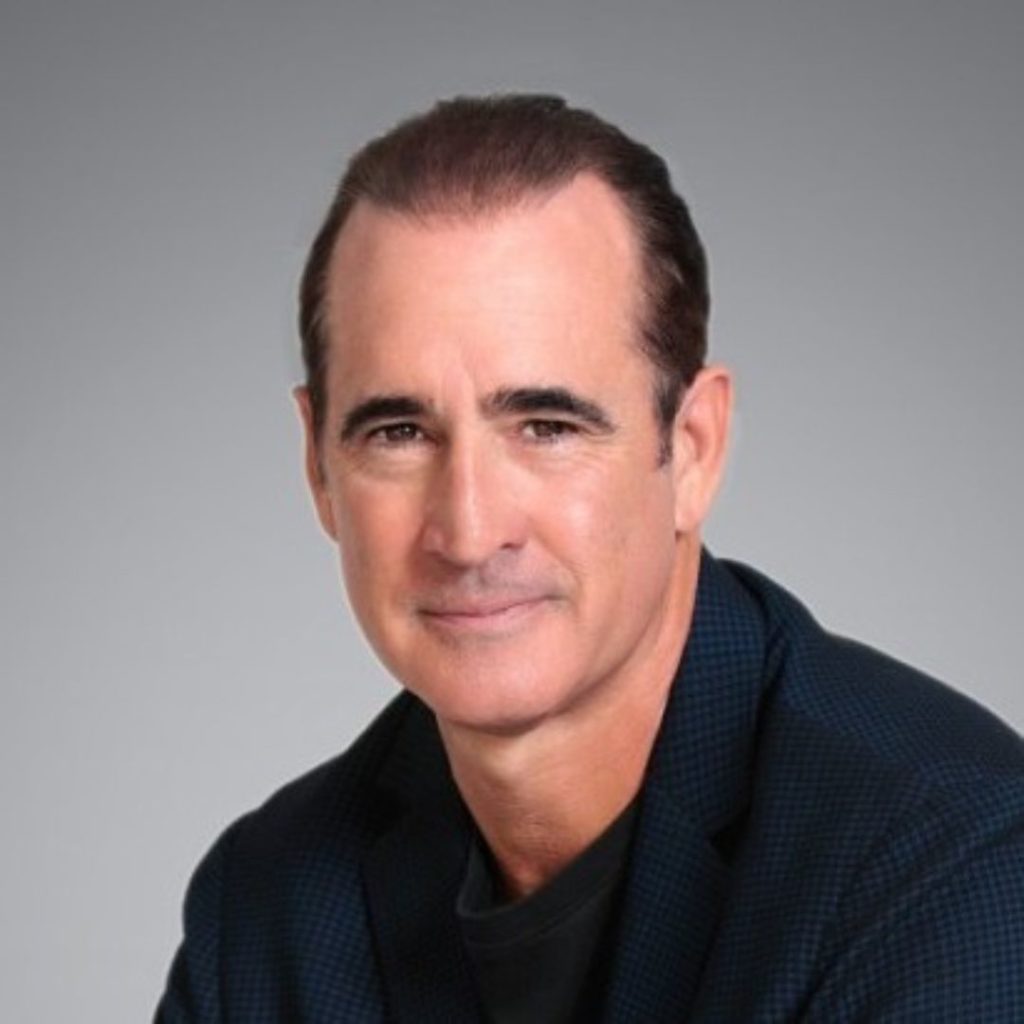
Richard Greene covers Performance Mindset in this Marketer of the Day episode. Richard Greene explains how an Ironman mindset can help professionals become more focused, productive, and resilient in business. After completing Ironman races, including a 2.4-mile swim, 112-mile bike ride, and marathon, he studied more than 100 athletes to understand their mental approach. His research produced 10 principles including determination, optimism, organization, sacrifice, focus, appreciation, and courage. He combines those mindset elements with 50 sales tactics developed during more than 30 years in sales. For daily productivity, he recommends choosing one essential task plus only two or three additional priorities instead of maintaining an overwhelming list. He also advises limiting email, texts, notifications, and other distractions that create reactive "digital slave" behavior.
Dr. Richard B. Greene, DBA, SSBB, CMPE observed that having talent and skills did not guarantee success. He discovered that the missing ingredient is a mindset that is creative, powerful, and unstoppable. After years of research working with Ironman triathletes to understand how they achieve success against great odds; he has been able to capture this unique mind ability and incorporate it into an elite executive training program called The IronMan Mind. Applied properly, IronMan Mind techniques can transform your mind into a powerful tool that combined with the right skills, can make your success unstoppable.
Richard is the founder of Amplifier, a business coaching and consulting company located in Sacramento, California. He works with executives in the U.S. and internationally and is also a 5-time Ironman triathlete and marathon swimmer.
Quotes:
“Talent and skill are not enough. The one difference was my mindset.” – Dr. Richard Greene
“Time management is really a misnomer. You can’t manage time, but you can manage the activities that occur within that time.” – Dr. Richard Greene
“The people that learn how to manage activities within time are the people that are super productive.” – Dr. Richard Greene
Takeaways:
01:36 Continuous improvement comes from understanding core principles and consistently applying them in your work and personal life.
08:54 Talent and skill alone do not guarantee success; a powerful mindset is the critical differentiator.
15:21 Simplify daily planning by focusing on one critical task and limiting your to-do list to 3-4 key items.
17:19 Personal organization and strategic planning are universal success principles, applicable across industries and life roles.
23:14 Digital distractions can significantly reduce productivity, so learn to manage notifications and unnecessary communications.
Resources
- The Iron Man Business Coach (Official Site)
- Dr. Richard Greene (Amazon Books)
- The IronMan Mind Book of Quotes: Inspirational Quotes for Winners (Book)
- Dr. Richard B. Greene (LinkedIn)
Podcast: Play in new window | Download (Duration: 27:53 — 25.6MB) | Embed
Subscribe: Apple Podcasts | Spotify | Amazon Music | iHeartRadio | Podchaser | RSS
Transcript
Download transcript (.txt)marketer of the day Episode 529, the Iron Man mindset,
simplified success habits and next level thinking with sales coach, Dr. Richard
Greene.
Hey everyone, we're so glad that you tuned into the marketer of the day podcast, we're chatting with Dr. Richard green, you can find out all about him at Iron Man's mind calm and Richard observed that having talent and skills is not always guaranteed success. And he discovered that the missing ingredient is a mindset that is creative and powerful and unstoppable. So he's gonna tell us all about his mindset about this thing He has called amplifier, which is a business coaching and consulting company located in Sacramento, California, meaning Richard has met, I think twice real quick from local networking events. And Richard works with executives in the US and internationally. And he's also a five time Iron Man triathlete, and marathon swimmer. So Richard, glad to be talking to you.
Hey, thank you, Robert. Really appreciate that intro that I was listening to that going, Oh, who's that guy he's talking about? almost didn't recognize it. But that was a great intro. I appreciate it. And I'm really looking forward to chatting with you today.
Yeah. And
your listeners as well. Oh, cool. Yeah.
Chatting with everyone. Yeah, I mean, sounds like a pretty cool dude. And I really like this, this whole idea that you have of your brand of the Iron Man thing. And so if it's okay with you, I kind of like to start there. And have you maybe tell us about what the heck this Iron Man thing is? Because I think that we've all heard about this concept of like a triathlon. But can you tell us like, just what is required of this physically? And more importantly, I guess, like, what's the point? Like, why do you do it?
I don't know if I can answer why I do it. But because a lot of people say I'm crazy. But yeah, let you know, I think that's a great place to start in. And so I'll start with that. I'll tell you about that. And then I'll also tell you why that's relevant to what I do as a business coach. So for those of you that your listeners who don't know what an Ironman Triathlon is, it's a pretty long race, it's actually a pretty long day. It starts with a 2.4 mile swim. And then after you complete that, you get out of the water, and you hop on your bike, and you do a 112 mile bike ride. And then when you're done with both of those things, then you run a marathon. So it's, it's it's a pretty incredible, incredibly long day. And sometimes it can be incredibly painful, as well. The timeline to complete this is 17 hours. And I'll tell you that I've done five of them now, in the last five years, soon to be number six, coming up in September of 2018. And didn't know the first time I did it, you know, the 17 hour timeframe, I came in at 16 hours and 47 minutes, so I had 13 minutes to spare. And last year, so I'm improving as as I'm going along. I've finished in about 13 and a half hours. So I do it because I just I learned to love the sport. It wasn't something that I was born into. It wasn't something I ever did before. I sort of came upon it as a way to stay in shape. And what evolved out of it was a whole mindset shift and and a new business for me as well and a new way of helping others achieve unstoppable success in their in their business lives and in their personal lives. Because of the things I learned as an Ironman triathlete?
Well, craziness. Well, I mean, I have massive respect for I mean, first of all, for anyone who does anything 17 hours, right? I mean, imagine if you had like a button in front of you. And someone was like, you have to keep pushing that button for 17 hours and let alone even doing all that stuff, even if that took you like a couple of days to do but you're telling me that if you do all those things, the 2.4 mile swim 112 mile bike ride, 26.2 mile run, if you do all those things, but it takes you 18 hours, it doesn't count, right?
Well, you're not you know what I you know, I think it's all how you define it. If you do it in 18 hours, it's a tremendous accomplishment. You're not able to call yourself an Iron Man. But it's a tremendous accomplishment. And I know people that have crossed the finish line after the clock stopped in the light shut down. And you know, the most exciting time for me and I think for many others because we're all watching at midnight. Wherever you are in the world. It's midnight in and everybody is cheering on those. Those last athletes that image the professionals have come in a long time ago. But everybody is cheering on those amateurs. To me. That's the most exciting time just the last few minutes before everything ends because you see some amazing things.
Yeah, coming in right under the clock. So So I mean, this is just a crazy thing that you do crazy in a good way. So how does this connect to what you do as a business coach? Well,
I and and i think and thanks for asking that question, because I think it's an important distinction. You know, there's a lot of business coaches out there and I was coaching for a few years before I rebranded myself as the Ironman business coach. And before I created a whole new way of, of teaching business owners and business executives about how to be successful in their in their careers and their businesses. And so one of the things that started with it started actually with the very first Iron Man that I did, and it was particularly difficult day. Let's just say that the that data had a 50 year high, as far as the weather was concerned, it was 108 degrees. It was a quarterly in Idaho. And I chose it because I thought what a beautiful place and the weather will be nice. And that wasn't the case. Actually, more than 500 people ended up in the hospital it was it was pretty serious stuff. Long story short, Robert, I finished the race. The next day, I'm at the airport. I you know where as Ironman triathletes. We're all marked up so we can see how old each other because our ages are marked on our, on our calves. I'm 56 years old now. But at the time I looked at this guy at the airport, and I could see he was 25 years younger than me. And I see that he had a wristband on so I went and introduced myself to him and asked him how the race went. And unfortunately for him, he didn't finish I finished, he didn't finish. I said, Gosh, that's terrible what happened. And he proceeded to tell me that he had six miles to go and he just got violently ill and just felt like he couldn't go on. And I asked him one more question. I said, How much longer did you have to go? And he looked at me said I had two hours left. When I walked away, and I thought to myself, okay, this guy just told me I see is 25 years younger. He told me, You know what his his speed was, he's he's a pretty fast runner. He looks stronger. He's been a triathlete for a long time. I'm a brand new triathlete. And you know, an older one, too. Why did I finish? And he didn't. And I thought more about it because he had strength. He had talent he had, you know, everything going for him. But he didn't finish. And I realized the one difference was my mindset. And that led me on a whole journey of research and exploration into really understanding this this thing that carried Iron Man triathletes, men and women across the finish line. And I have over 100 video interviews today, with Ironman triathletes, both amateurs and professionals. And I really investigated what what that what that was. And out of that research, I came up with 1010 principles 10 mindset elements that I found were common across all these athletes. And so I took those 10 elements. And I, Robert, I combine them with skills and tactics that I learned and practiced and perfected as a sales professional over 30 years. And I actually have 50 of them. So I have 50, these key tactics that I use as a salesperson, and 10, very powerful nine principles. And I put them together. And that is the formula that I teach people. And you introduced me earlier on and you said that, you know, talent and skill are not enough. Well, that guy that didn't make that younger guy that didn't make it across the finish line. He had all the talent and all the skill that I didn't have. But he didn't have the mindset. And so that's the story about, you know how I develop this mindset. And you don't have to be an Iron Man triathlete to have the same mindset, you just have to know what the principles are, you have to put them into practice, and then you have to live them in your business and in your life.
Super cool. So you're thinking Grow Rich, too, right? Yeah, interview everyone, you figured out the commonalities. And you found out that, that, you know, just being being born with talent, or developing skill isn't necessarily enough. And that's both good and bad news, right? Because you might have a skill but then not applied correctly and squander it. But then the good news to that is, if you feel like you're behind everyone else, if you feel like maybe other people have gifts they were born with in one way or another that you don't have then you can put for the extra effort and and get yourself there. And so you have these 10 mindset elements, these 10 principles. Do you feel like unpacking one or two for us to give us a taste? Yeah, sure.
Why don't Robert you know, thanks for thanks for for for referring to me as the Napoleon Hill of athletics, but, you know, I think I do I do research. I am very passionate about what I do. I want to make sure that the things that I'm teaching people are are based on real life, tactics and skills that work science and there's a lot of mind that A lot of psychology and there's a lot of science of the mind involved in this. And so, if I've got your permission, Robert, I'll just read what the the 10 main principles are. And I'll pick one and talk about it. Let's do it. Okay. So here they are a Iron Man, mind and I person who has an Iron Man might is determined. They're helpful. They're optimistic, that's probably not a surprise. They're insightful. They're organized. They're inclusive. They're willing to sacrifice. They're focused. And they have appreciation for what they do. And finally, they've got courage. And so these were, I mean, there were many things that came out of all of those interviews and research, but these were the 10 things that just kept coming up and coming up. And so what I do is dependent upon the situation, and the person I'm dealing with, will usually focus on one or two or three of these, I mean, they're all important, but there's usually a few that really are really relevant to the individual that that I'm working with, and their live their situation. But the one that I think I find pretty much common across almost everybody. And maybe, you know, maybe this will resonate with you, Robert, because I know you're really very, extremely organized in your business. And that's it organization really being organized, is it, it is a success element. And I'm sure you find that as well. Yeah, I
do, I noticed that if I just let if I leave things to chance, then my income goes down, my productivity goes down, my mood goes down. And if I can just do a few things to be organized, like, you know, know, my goals, or know my daily tasks, things like that, then magically, or maybe not. So magically, things seem to pick up. But I think that my own problem with being organized is sometimes I struggle to find that sweet spot of sometimes I say, Well, I just want to, you know, relax and chill and, and let things happen, which doesn't work. But then it also don't want to go to the other extreme of kind of planning every little thing out because then there's no time left to actually implement. So those are sort of my thoughts on myself as far as being organized. Yeah, I
like that you actually just came up with with with one of the reasons why a lot of people fail at planning their day. And that is they get too regimented. They don't give themselves space to be creative, and, and to actually implement the things that they plan to do. So I'm really glad you brought that up. I think daily planning and obviously, you're successful person. And I love the type of thing that I see all successful people do. And it doesn't matter what industry you're in. It doesn't matter if you're here in the arts, or you're in business, or you're in sports. organization, and planning is absolutely key and the person that plans their day. And how that day is going to go is the person that ends up winning, I really believe that they end You know, they finish they finish the day, and I believe finishers are winners. So you know back to that. So I'll just give a little tip here for for your listeners, if that's okay, about organization. Let's do it. Yeah, one of the things so back on the thing that you said, which was really important is getting too regimented. And there's some people that that worked really well for it, I'm one of those, those individuals that probably plans out there do a little bit more, as far as what I'm going to do each hour. But I do give myself space for breaks, I do give myself space to regenerate, let my mind regenerate or, or I'll take a walk or you know, I actually plan that into my calendar. But Time management is really a misnomer. You can't manage time, but you can manage the activities that occur within that time. And the people that learn how to do that are the people that are super productive. And so one of the things that I help people employ I call the law of limitations, we're limited by the amount of time that we have. So most successful people have a really long list of things that they want to do. But if you write all those things down, usually you're never going to accomplish them. And so I'm really big on ordering ordering that list and coming up with with the one thing that I will do each day, that's going to get me first long and that goal that you talked about that you want to have, or, or something that's going to be really meaningful. So I always have at least one thing that I must do, it's sometimes it's really difficult, but I make that first and then I have two or three other things that I want to accomplish. And that's it. That's a very short list. And I found in the people that I work with, have found that that is the key to staying focused and to being super productive. And you might ask yourself, what happens if I finish that list? Well, that's beautiful man. Because then you just add something else to the list. So that's my little tip for everybody, which is, you know, you're limited by amount of time, limit the number of items you put on your list, make sure you do one thing that's really, really important that will get you further along and where you want to be in life.
I love it. And I agree completely. And I mean, as you know, it's, it's really easy to kind of get far down a track and to be, you know, in business for a certain number of years or doing whatever. And then forget about the simple kind of fundamental principles. And like, you know, you always hear people talk about like, the Brian Tracy, like, eat the frog first stuff like that. But then yeah, you don't, you don't always hear about people implementing it. But then you do hear about people with their crazy systems are crazy to do lists, they have 30 things going on. And then I don't know about you, but what I'm seeing with people who have these crazy to do list is they end up just getting overwhelmed. And then they look at, well, I've got 100 things. Let me just get a couple crossed off. And then we'll look at the quickest, least important things to do. And then they feel great, because now the to do list has gone from 100 to 98. And it's like yeah, but it was updated your Twitter background, you and yet you, you deleted 10 emails out of your email program. So it's like you felt a little bit better. But you actually went and like sorted from the most important, least important and took out the least important. So yeah, I agree completely, that it's really easy to think that just having everything super crazy and complicated is better. And it's easy to think that all just squeeze out every last minute of the day. But then it seems like the opposite is true. Because we get tired, we get distracted, we have to switch between tasks, and all that all these little hidden, I guess, like cost all these hidden time costs throughout the day. And so just simplifying it making it way easier is the way to go.
I think. Yeah, I agree with you, Robert. And you know, sometimes I feel a little guilty. When I when I'm instructing somebody, or I'm helping them to become uncluttered their life and it just seems so simple and common sensical. But you're right, people forget about it. And they just they get caught up in all of the the this frenetic activity that occurs in our daily lives.
Yeah, I mean, amen to that. So as we're beginning to wind down here, I want to make sure that people have like an idea. And they've already have a little bit of idea, but what what you're like as a business coach, so do you have any interesting stories about someone kind of client that you came across, and they had some set of problems, and you went, and it's gonna turn their lives around? Do you have any interesting stories like that?
Well, yeah, I actually, I got lots of stories. I mean, as you know, I'm a sales coach, I focus on sales, because I'm a 30 year sales professional. So I've got a lot of stories of people that were just, they were in a slump. And mostly I'm working with people that are established, they're not brand new, they're established, they've had some success in their career. And they want to take it to that next level, or they're in a slump, and they need to figure out how to get out of some. So I got a lot of stories about different issues that people have gone through, and how they've been able to increase their sales. And typically, this is just, you know, kind of a rough figure. But typically, when I work with somebody, almost immediately, we're able to see a sales increase if it's in their business, or their personal productivity of 30 to 40%. And that's fine tuning some things. It could be a lot more than that. But so I've got a lot of examples there, I think probably the one that will be relevant for everybody, everybody, you know, on this call, because you don't have to be in sales to be able to benefit from this is the one that we just were talking about, which is planning your day, and getting being as productive as you can. So it doesn't matter what you do in life. And it doesn't matter if you know, you're, you're in childcare and taking care of your family, you still have to be really good at planning things, because there's so many activities that go on. I think the thing that I just recently worked with an executive who called me and said, and this guy's been in the business for for 25 years, he said at the vice president level and big, big company. And I was a little surprised to hear from him. He said, I my boss has given me two weeks to turn things around, or I'm gone. And I was shocked to hear that. When we dug into things, I realized that he was just getting caught up in all the stuff that goes on your day, the emails that cut that come across the texts that come across the phone calls that come with cross, and he saw all of those things as things that needed to be addressed immediately because we become a society where people expect you to respond immediately to things and you know, I had to put them on a little bit of a diet as far as answering these things and turning off the the the texts and turning off the notifications On your email, and really getting down and doing some planning in a matter of two weeks, you know, because we had that two week deadline, things had completely changed in his business life, and also in his personal life, just because we did things that you and I were talking about Robert, making it very simple. Shutting down some of those things, because unless you're a doctor, or your, your, your job is to be on call, you know, minute by minute, most of the stuff that comes in, you don't need to answer, there's not emergencies, you know, the emails that you get, they don't need to be answered immediately. So we can just schedule some of those things out during the day. And life changed dramatically. And he's moving along nicely. And, you know, we he and I were done in a matter of 30 days. So I think that's probably a good story. And a good lesson for everybody, which is, stop, take a look at the situation around you decide what's really important, work on those things, and leave the other things for later on.
Super awesome. And I mean, I can I can relate to that, especially very recently, like in the last couple of days, because I don't know if you heard the saying, like, everyone needs to meditate. And if you're not busy, you should meditate for half an hour a day, if you are busy, you should meditate for an hour a day. Like it's counterintuitive, right? You're if you're always putting out fires, you actually need more of a break. And when in my cases, the last couple of days, I've just noticed that I was spending a lot of time on my smartphone. And and some of it was Facebook, and some of it was you know, reading like a book on Kindle, and some of it was going browsing, like message boards on Reddit. And I just I thought to myself, it feels like if I counted up the number of hours I was spending that day, looking at my phone, it seemed like it wasn't very good. And I just thought, okay, just the fact that I'm thinking about it probably means I need a break. And last night and when I turned my phone off, plugged it in charge, it went for a walk last night and I was thinking like, oh, maybe I should just take my phone and like check something real quick, or just take my phone. So I would have some music to listen to while I'm on my walk. And I'm like, I'm trying to talk myself into using this again, it's almost like a like an addiction that's eating up all the time. And then this morning, I woke up and you know, phone was still off. It's still plugged in sitting there. And I was like, Okay, well, I spent the night without my phone. Now maybe I should use again. I was like, you know, maybe I'll just spend all of today not on my phone just because like I've been in not a huge funk, but a little bit of a funk. And then came to the computer even today. And I was like, you know, I didn't check email yesterday. I'm not gonna check it today, I'm just gonna focus on the things on my calendar, like the interview with you. And with some of the things I need to get rocking and rolling in my business. Because it's like, what's more important wasting time on these unnecessary emails versus doing the things are actually revenue generating? And so I mean, you're so right, in that it's important to just keep things simple for our mental health purposes and keep things organized on the calendar and to not overdo it and to realize, when we've just let the multitasking the putting out fires get away from us. And then maybe that's when it's time to dial it back a little bit.
Yeah, I tell you what, that I mean, I bet you found that that was pretty refreshing, you know, after you understood that you didn't need to do all of that that instantaneous stuff. We call that and you often see this in lots of things that we read about multitasking, we call that becoming a digital slave. And there's so many of us to do that.
Yeah, and so many of us that are maybe in denial, or can't get past those first couple of hours of the withdrawal until we kind of can can see the light again. And then one other thing that you mentioned in there was the sort of like the childcare thing of like how, you know, people who are good at like caring for for their children are probably more organized. And I read something maybe, I don't know, like a few months ago that was like people seem to get confused about they think that easy, mean simple. And that hard means complicated. But it's like they're separate things, right? Something can be easy or hard. And then something can be simple or complicated. And so like the childcare example, that's something where it's, it's simple, but it's hard, right? And so it's like it doesn't necessarily like simple doesn't necessarily mean easy. So, so we might need to do think make things simple. Even though we might be solving a problem in our business that might be easy or hard. So it seems like simple is the way to go the dependent even if we have this this difficult thing that we have to be dealing with. So I mean, yeah, lots of stuff for us to sort of chew on here and think about as far as getting that simplicity in our life and getting organized. So that way we can think about the big picture and get to where we need to go and so So yeah, I mean lots of great lessons here. And so people are listening here were our conversations today and they're wondering, man, this Dr. Richard guy seems really Smart I want to know about his business coaching on one or more about know more about this Iron Man coaching stuff, can you drop some links here and tell us where people can and should go after listening to us today?
Yeah, absolutely be happy to. So I got two things, I got a link that is a website that I'll give you right now I have for those that are interested in taking their sales success, or their if your business owner your revenue success to that next level, I have a two day sales training seminar in Sacramento, California on April 25, and 26, it's going to be an incredible event, I've got some great speakers lined up. And I'm going to be launching my book, The Iron Man sales success formula that same week, people that attend will get a copy of that, you can go to www, optimize your sales Comm. And you can find out more about that. And for your listeners, Robert, I created a special report. And I put it up on on my website. And I think it's very relevant to what we were just talking about that has to do with, with with multitasking. And, and just being a top performer. And so it's called the secret strategies of peak performers. And you can go to amplify your results.com and click on free resources. And you'll see that report there. And again, I put that put that up especially for for your your listeners. And I hope you guys all take advantage of it and really create some productive productivity and some success in your life.
I hope they do too. So amplify your results calm is the place to check out that free report. And then also optimize your sales calm. So great stuff. And as we're about to close things out. Dr. Richard, I got asked, What are you a doctrine?
I have a doctorate in business, my my whole career, my whole academic focus has been marketing. And so I've got three degrees. I've got an MBA also but all business organic, marketing oriented. And, you know, it's allowed me to do some really wonderful that teach at the university, but also allow me to do some really wonderful things in the business world. Yeah, no
kidding. Well, very impressive. And thanks for coming by and sharing with us your all your your, I guess decades of research both in your own education and your experience and your iron Manning and in your interviewing. So really appreciate what you had to share with a saying I appreciate you. So thanks so much. Hey, thank you for having me. Robert. Have an incredible day. Heck yeah, you too. Do you want a podcast like this one? Well, what's been holding you back one if it was easy, and you had someone to help you get it going, check out done for you podcasting.com where we'll handle some or all of your podcast setup, production, marketing and more. See you soon at done for you podcasting.com