Published Last updated
View in Podcast Library: stories, quotes, books, and resources in one place.
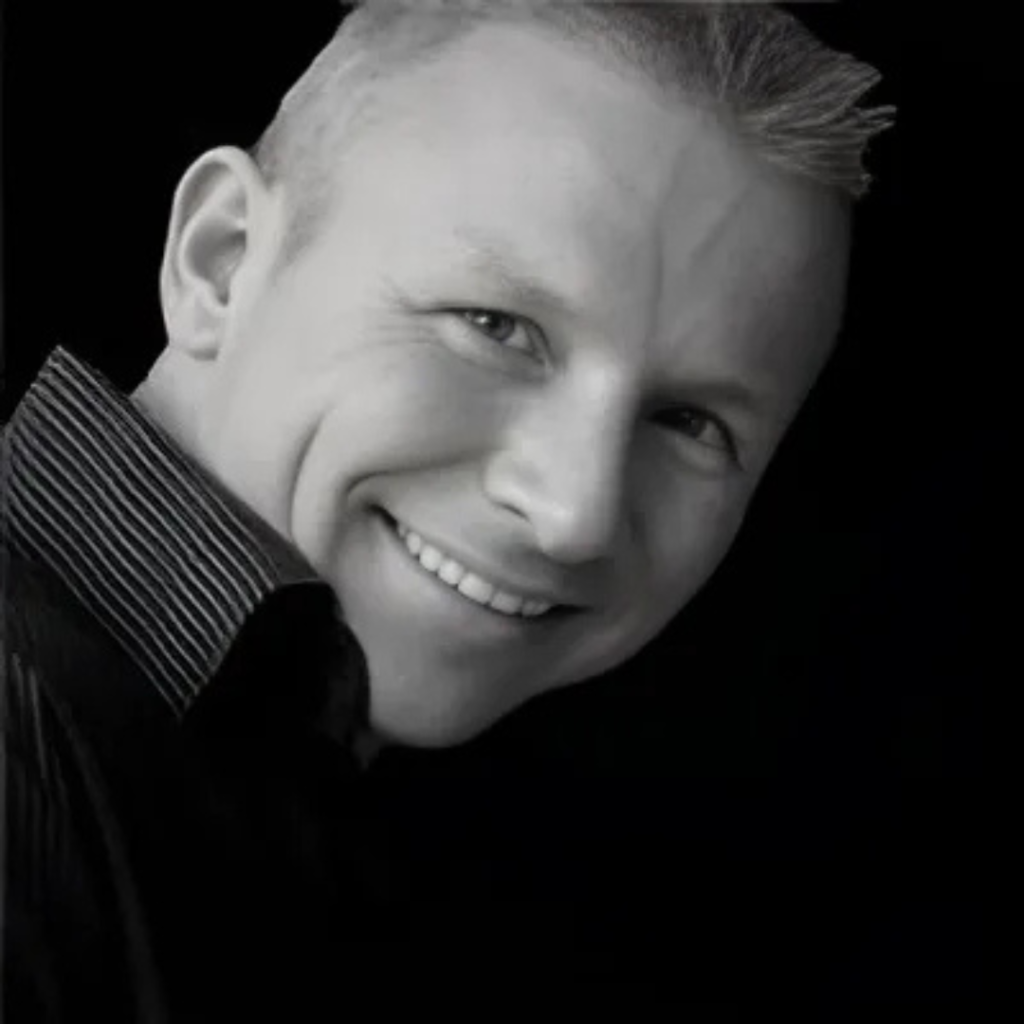
Trevor Crane covers Author Marketing in this Marketer of the Day episode. Trevor Crane explains how authors can turn books into marketing assets that attract high-paying clients instead of treating publication as the final goal. His framework starts with four questions: who is the book for, what is it about, why should people care, and what happens next. The "what's next" step should move readers onto an owned platform such as an email list where the relationship can continue. Trevor also recommends an audio logo built around the audience you serve, the problem they face, and the result you create. He argues that authors should begin marketing before finishing the book and cites a 10% creation, 90% promotion approach learned from Grant Cardone. His own process emphasizes designing offers, testing ideas, and monetizing expertise before obsessing over production.
Trevor Crane is an 11 time #1 international bestselling author and the founder of Epic Author Publishing.
Podcast: Play in new window | Download (Duration: 57:45 — 52.9MB) | Embed
Subscribe: Apple Podcasts | Spotify | Amazon Music | iHeartRadio | Podchaser | RSS
He is the also host of the GreatnessQuest.com podcast and co-founder of SuperKidsBooks.com.
Trevor’s mission is to help publish 1000 new authors and help people take their LIFE and their BUSINESS to the next level – no matter how successful they already are.
Since 2003, Trevor has been a trusted business adviser, coach and mentor. He is president of Step Up Strategies, Inc. and together with his team, they help companies outperform, outsell, and outlast the competition through systemic and strategic consulting, coaching, training, marketing and support. He helps his clients generate MILLIONS OF DOLLARS in bottom line profits.
Trevor leads mentoring and mastermind programs for service based professionals and entrepreneurs with his wife, Robyn Crane.
Trevor is also a sought after speaker, trainer and coach. His unique commonsense approach, along with his humor, wit, and infectious energy, allows him to connect with any audience.
Quotes:
“Money is simply a measure of the greatness, goodness, and contributions you provide to others. It is a privilege and an honor to receive it, and it becomes your moral duty and responsibility to seek substantial wealth to make a greater impact.” – Trevor Crane
“If all you do is try to stay within the lines and make everybody happy, you will lose. So, to have the courage, stick your head up and go out and get something.” – Trevor Crane
“The hero is the person that has the courage and the intelligence to ask for help, receive it, and then walk the golden brick road.” – Trevor Crane
Takeaways:
04:40 Your book must have a clear next step for readers, not just be a standalone product.
06:57 Success comes from understanding who your book is for, what problem it solves, and what results it delivers.
18:56 Build a platform and audience that grows with each book, creating a self-sustaining marketing cycle.
22:21 Craft a clear, concise audio logo that explains who you help, what problem you solve, and the results you deliver.
39:40 Stop hiding and start promoting; waiting for perfect conditions means missing opportunities to connect with your audience.
54:30 Have the courage to be seen and heard, even if it means being polarizing or facing potential criticism.
Resources
- High Paying Clients (Free Book)
- Big Money With Your Book without Selling a Single Copy (Free Book)
- Trevor Crane (Official Site)
Podcast: Play in new window | Download (Duration: 57:45 — 52.9MB) | Embed
Subscribe: Apple Podcasts | Spotify | Amazon Music | iHeartRadio | Podchaser | RSS
Transcript
Download transcript (.txt)Marketer of the Day episode 583, beyond the book, embark on the quest for greatness. Never stop marketing. Fight obscurity, become memorable using an audio logo and get high paying clients with Trevor crane. Hey
everyone, and welcome back to the marketer of the day podcast. We're here chatting with Trevor crane. And Trevor is an 11 time number one international best selling author, and he's the founder of epic author publishing. And Trevor is also the host of the greatness quest.com podcast, and he's the founder of superkidsbooks.com and here's why you're going to want to pay extra close attention to Trevor today, it's because his mission is to help publish 1000 new authors and help people take their life and their business to the next level, no matter how successful they already are. So Trevor, glad to be talking to you. You too, brother.
Hey, that was a good job reading my lengthy bio, and you took some highlights there and made me sound cool. I really appreciate that. Growing up the son of a horseshoer, I didn't think everybody, anybody would ever say that kind of nice stuff about
me. Well, cool. I mean, you wrote it, and I'll say it. I'll say anything you put on the page there. So, so, so, yeah. So you're an author, you've hit number one all these different times. I mean, what's your secret? How the heck do you do it?
So, good question, brother, I'll share with you the 11 time number one best selling author. Thing sounds really cool. What I what I think is a a better measure of success, rather than the flash in a pant in the pan that you get when you get somebody's attention or you become number one for a day, rather than showing up on Oprah Winfrey for a day, rather than getting your 15 minutes of fame, is having a back end to the books, having understanding that my books are a lead into something else and something greater. Robert, when I read the No, I didn't read it. It was Al Gore. Al Gore did that video presentation called An Inconvenient Truth. You ever hear that movie or watch it, or whatever.
I've seen clips of it. Haven't seen it, start to finish. Haven't seen the sequel. But, yeah, I know what you're talking about. Basically a PowerPoint presentation turned into a movie, right?
You got it. And I was having a my wife must have been out of town, and I was on my own, and I must have gone to the library or something and picked up Al Gore, Inconvenient Truth, and I popped it in. And I'm not exactly an Al Gore fan. That's not what I would call myself. But I was wanting to see this thing because, like you I'd heard of it. I maybe looked at it a bit, and I found myself sitting on the edge of my seat and very interested, very interested in this concept of global warming, like, I hope for the your audience that actually have books, I hope people are into your subject. So I was into the subject, and I was excited about it, and I thought, You know what, I really want to be part of the solution. I think this is great. I think global warming sucks. This Al Gore guy seems like he's kind of knows what he's talking about that. And I'll completely hook line and sinker, like I'm a marketer, so I'm easily sold. And I'm like, man, you know, you got me, man. And then at the end of this presentation, at the end of the movie, it was over. He's like, Hey, we're melting the planet. It's a really bad thing. I hope you're all fired up about it. Now, let's go do something. And I was like, Yeah, well, what are we gonna do? And that was it. He's like, there's a big problem. And oftentimes people that are writing their books or need to figure out their marketing or their branding, or they're trying to figure out a funnel or whatever it is, or they're like, I want to hit number one, which is what you asked me about, is that they don't understand that that's the beginning and not the end. And what I ended up doing was getting pissed off at Al Gore because I went and I thought I was confused Robert. I thought I was stupid. I was like, Did he Did I miss something like, where he must I just must be done. Where did he tell me what I was supposed to go do? And I looked at the bonus features on the video, and I couldn't find an answer like, and then I and then I did some Googling, and I'm like, What does Al Gore suggest we do about blow global warming? And what I found out was fucking nothing. Like. All I got was, you know, drug Al Gore drives a Prius. You should drive a Prius and get fluorescent light bulbs. And all I thought was, screw you Al Gore, like, you got me all fired up with no place to go. And I think that bigger than getting to a number one. And we can talk about the house of that, and I can talk about that in a little bit. The more important part is that you have a back end, and you have a you can take somebody someplace, people buy books to solve problems or get results or be entertained, which is still a result. And then where are you going to take them? Like, I like to read non fiction, and I'll go to an author that has a series, because I want to hear the next part of the story, and I want to keep going, like, what's going to happen next? I think is the more important part of the and I know you're a systems guy, so it's the systemization and the forethought of the book and the marketing, whatever it is that you're doing, that there's a back end to it and and I wish that Al Gore would have given me something like that. I haven't watched a sequel because the first one pissed me off so bad because, like, I didn't have a back end. But it reminds me that when I help my clients write books, I'm trying to help them write a book that they're proud of for a decade or more, not a book that they get done. In a weekend, or they, and a lot of people, write books, and I'm sure you've seen this that they don't know how to use, they don't know how to use in marketing, that isn't helping them with their monetization. And all of that help people stuff beyond your book is so much, I think, more important than the fact that I or my clients or you have hit number one at any given time, which I think is important. I love talking about it, but to just brag about that and be like, Look at me. I'm so cool. I had 11 times. Some of those were kids books I did with my daughter. So I mean, there you go. One of them is called the three ninja kitties that my I helped my daughter, and I co authored with my daughter when she was seven years old. So that was one of my 11. So don't think that I'm, you know, a rocket scientist on this, but I'm guessing, brother, that I'm speaking to the choir to you. But Is that making sense? And or do you disagree with me?
No, I mean, I'm right there with you 100% that it can, it can be really frustrating if someone reads your book, and if it's, if it's digest anything, right, read your book, or watches the Al Gore documentary or whatever, and says, Okay, I read this, but now what? How am I supposed to put it into action? You haven't given me any sort of a call to action. You haven't told me what to do, where to go and and, yeah, it's making perfect sense, because it sounds like where you're coming from is that it's important to create this movement, right? Sort of like how you have this movement that you're getting moving here about getting the 1000 new authors. So How the heck are you gonna start a movement of any kind? If someone reads your book and you just say, Okay, thanks for reading the book, see you around. And there's no sort of telling them what to do and where to go, but at the same time, it seems like, is this something that is easily fixed? Because I'm not sure if it seems like super overwhelming or if it's just a matter of beginning with the end in mind and just knowing, knowing what the point is, I guess, right, so that way we're not just creating a book with a bunch of weird stuff.
So it's good question. So is this something that everybody can handle today on the show, while they're listening to me, probably, and it's also probably something that people should seek some help with, because if you're planning your 10 year vision, it's typically not something that comes up in a 30 minute podcast in the two minutes that you and I are now talking about this one little part of the subject. So beginning with the end in mind is key if you think about building a house, and I think about this with books specifically. And I think books are a representation of a brand. They are a representation of phenomenal marketing. And it helps my business owners and entrepreneurs that I work with that I help with books, get clear about their marketing, their business and their brand, and I think that they're a phenomenal resource to build that foundation, but you need to build a foundation that has this long tail. Like, what's the long tail? Like, what do you want? People think, I just need to finish this book. I just need to finish this funnel. If you're like, a foot, there's a that's a big word, you know these days like, oh, I need a funnel, great. Oh, I need to make some videos, great. Oh, I need to do a podcast. Great. Now that you've done that, now, what? That's really the question. So there's four questions I ask and answer, and I'll give these to you now, because this might be relevant to any of your audience who have not yet published books, or even if you have a book and you're not using it as a powerful marketing tool. In fact, your most, most powerful marketing tool that helps you make money and drive your mission or movement, like you just put a brother. Then these, you need to ask an answer so that you understand. And I can spend two minutes on this, and I can spend a weekend on this, and I can spend six months on this question with a potential client working out better and better answers. And the questions are really simple. Number one is, is, who is this book for? And a lot of times, people will write a book or marketing, and they'll go, it's for everyone. I want everyone to get this message. And I'm like, Well, you're a financial advisor, right? And they're like, yes, and everyone needs this information. I'm like, Well, my daughter now is 11. Does she need this information? And they're like, Well, sure, maybe not now, okay, maybe not now. I'm like, my father in law is in his 70s. Oh, no, no. He needs this because they're assuming that my father in law might have a little bit of assets under management that they can help with. So but is it for the 18 year old punk that whatever like you got to be clear who your book is for and then the and then who your marketing is for? So that's really key. And these are the four questions, Robert, that I think people can figure out with an existing book or in planning a new one. And if you just get clear about this, you can learn how to use a tool you already have in your toolbox, which might be a book or marketing or video or something that you've got so that you can connect with someone be clear about your podcast or video. Who is it for? And if you have not created it yet, God bless you, because now you get to carve it out. Is it for Robert? Who likes it when I use, you know, when I drop. F bombs all over the place, or maybe you don't, I don't know, but you know, is it for Is it for Jews? Is it for Christians? Is it for little kids? Is it for grandma? Like, who's it for? You can now frame the entire conversation, even around freaking tacos, Tinker Bell, whatever you want to write about, whatever you want to promote, and you can talk about it in the language that they want to hear it. And that's who is very important. Then the second thing is, what is it about? And if you ask somebody, I'm sure everyone has had this experience. You've been to a networking event, and you've met someone, and they come up and introduce themselves, and they tell you what they do, and they shake your hand a lot, they give you their business card, and they talk a whole bunch, and you see their mouth flap around, and you under and you're like, looking around behind you, like, how the fuck do I get out of this conversation? You know? Like, you're like, how do I get out of this guy won't shut up, or this guy won't shut up, and you have absolutely no idea what they do. You don't know what they do. They don't know what it's about. They just keep going on blah, blah, blah. You know of your business card. You know you want whatever you want. You want to escape from this person who just won't shut the hell up. Oftentimes, we communicate too much, and we are too confusing, because we can't simply describe what we do, what our book or our marketing, our message isn't about in like, in three words, you know, Nike's phrase, just do it. I think was one of the most brilliant marketing campaigns ever, because it was three simple words that even a kid could understand. What is your book about? When I was studying from James Patterson, and I took one his master class, and he was talking about how to before you write your book, test, your marketing like test whether or not your idea makes sense, go talk to your ideal audience with who you think is going to be reading your book, and then tell them your idea before you write it, and look them in the eyes and see if they understand or they're excited about it, or if they don't care. And oftentimes you're listening and you're looking for things they're not saying, because if it's your friends and family, they'll blow smoke up your skirt and tell you, Oh yeah, that sounds great, versus Talking to your ideal core audience. And this is how I do my marketing. By the way, I'm actually asking answering part of your first question, which is, how do I create a number one best seller? I don't start by writing the book. I start by talking about the book. I start with marketing, which is communication, which is telling people, Hey, this is who I'm writing a book for. This is what it's going to be about. That's the answer to question number two, or at least what I'm seeking. And then question number three, and this is an important one, is, why do people care? Why are they going to care about your book, your message, your video, your podcast? What is it? And there's only two things. It's problems and results. Now maybe entertainment might be another one. So that's cool. If you're entertaining and you're writing something you think is cute, fun or funny or factual or whatever, but they're looking to solve problems. The biggest search engine on the planet right now where people go buy stuff is Amazon. They are buyers who looking to solve problems and deliver results. When you tell somebody about your book, or they're looking at your cover, or they're looking at your marketing, your message, or your entrepreneurship, or whatever your business from home is, when you're working on your side hustle, do they understand who it's for, what it's about and why they should care? Because if they do, if they don't understand the problems that it solves and the and the results that it delivers, then they're gonna put it fucking down. And people are making a decision right now, in two three seconds, we glance at something, and that's how we're making a decision. So if it is not communicated in light at like a second grade level, then it's too complex. Unless you're like, targeting people who are PhDs and want to read long winded white papers and stuff like that, then I guess it might be. They might give you seven seconds, but it's who, what, why. And the fourth question, which is the most powerful one, about beginning with the end. In mind of your book is what's next. And for everybody already has a book done, or if you're thinking about getting a book done, what's next? Actually answer part of the question for you. You want them in the fold. You want them to sign up on your email list. A friend of mine, Ryan stewman, wrote a book called How to Win Friends kick ass and take names, emails and phone numbers. Your job as an author or as a marketer, as a businessman or woman, is to go ahead and grow your list, your audience, your media. If you want to write a number one New York Times best selling book, one of the only things the publishers are going to want to know is, how big is your platform, which is a big, which is a fancy word for, how many books can you sell on your own, homie, how many people do you have on your email list? How many people are following you on LinkedIn? How many people are on your Twitter account, how many people are on your Facebook account, you are looking and it is one thing to have followers, but is another thing you have an email list and a phone number. You when someone reads your book, you want them to sign up. Man, I just bought a fictional book from one a great author. I can't remember what it is, and he did his own Kickstarter campaign. And I didn't buy his fourth, seventh, ninth, audio book, whatever one it was. I didn't buy it from Audible. I bought it from him because he emailed me and he said, Hey, I'm doing. This thing, and then he made, he had the biggest fiction book launch in history, and one that was done on Kickstarter, and he was a self published book because he understood the value of collecting my data and being able to send me information. Now that's the beginning. That's not the end, Robert. That's like, you know, you got to get a name, an email and a phone number if you can, if you have the opportunity to give away a bonus in your book, or just to incentivize and drop little seeds of awesomeness and say, hey, the way to solve global warming is go to my website. I'm going to hook you up. Like, the way to go to my Trevor hook you up is go to Trevor, crane.com, and I'll hook you up. You can get something cool there, and then I've got stuff to sell, and then that's the back end. And I could go on and on about this. I told you the beginning, if you asked me a question, I'd go off.
But this is good. You dumped a lot of great info for us, and now we can kind of pick and choose what we want to unpack here. So just to recap, for people, those four questions, those four most essential, important, holy grail questions that you listed for us here is number one, who is the book for number two, what is it about? Number three, why do people care? And then number four, what's next? And what really, I don't know, really hit home a lot for me when you were explaining some of that stuff, was the part about from the James Patterson master class where it's important to deliver what people want and to talk to people. So that way, you're not just writing in that vacuum, right? That way, you're not just listing a bunch of facts or making the book that you want, you're delivering to the marketplace what people actually want. And what you're reminding me of is, you know, we we all go to networking events, conferences, or at least if we don't, we should. And for years and years, when I go to conferences, I tell people, when they asked me what I did, I'd say membership sites, and they'd sort of perk up. And then a few years passed, and then people didn't really perk up the same way that they used to. So I had to tweak things right? I had to do a little bit of trial and error and mix up the conversation and see what made people excited and what made people lose interest. And I tried saying things like, well, I make websites, but then that wasn't specific enough. Then I'd say, I do WordPress, but then that was too specific. And then these last couple of months, at some of these networking events, I started saying, Well, I make podcasts. I'll make your podcast all. I'll have you on my podcast. And for some reason that made people perk up. Membership sites didn't do it as much. Websites didn't do it as much. And it might have been that that crowd those events I was going to but then I really took note of that, that there might be things that make me super interested, but what's more important is that these other people are interested, so that way I can speak to them, I can solve their problem. And you mentioned in there that how important it is to speak back to them in their language, that way you're not fighting that uphill battle. And then what also hit home for me quite a bit. Was your your emphasis on having our own platform, right? Because we can't just make the book and put it on Amazon and then say, hey, Amazon, send me some traffic. We have to send our own juice. But then what's great about this is it sounds like it's a repeat cycle, right? Because you can put out your books, you can have this enticing offer at the end, you can say, get my membership access, get my bonus videos, get whatever, and then they get on your list. And then when it comes time to promote the next books, or the audio books, or the Kickstarter campaign, or whatever. You have your own email list, your own Twitter following, your own Facebook following. So it's like you're using the book to build this stuff up, and then you're using the stuff you built up to sell more books. So I love it. How you laid it out here. Well,
thank you. Brother and I just finished a book, an audio book from an audio autobiography by Muhammad Ali called the greatest. And just finished it this morning, in fact, and I just recorded a podcast in my office right before we jumped on our session today about it and the lessons that I got out of it. And one of them was what a freaking phenomenal marketer and promoter he was, one of the reasons Muhammad Ali was the greatest is that he told the world he was the greatest, like he lived. He had a dream of becoming the greatest, so he spoke it out loud, and he told everybody He's the greatest. And then he had to live into that, live up to that and but make make that dream a reality. But it didn't. It didn't stop. It didn't stop when he was 22 and he won his first Heavyweight Champion title, heavyweight champion in the world. It didn't stop when he was 32 and he fought again. It didn't it didn't stop. He never stopped marketing and promoting, and if he did, then he disappeared. And the challenge. Most authors have the challenge. Most business Prairie People have the challenge. You and I have, brother, you. Is obscurity. Nobody knows who the hell you are. Nobody knows who the hell I am. Now, granted, your audience is listening right now, and they're like, Oh my God, he's Robert plank. He's so amazing. Maybe somebody knows my name, and they say the same thing, I've got my own fans. This is my fan. There's two of them in the background. So what our job as marketers is to tell the world that we exist. And one of the things, if I can give you a gift, brother, it's something that my wife coached me with. And I don't know, are you married? Robert,
yes, I've been married for about eight months.
Oh my god, congratulations. Honeymoon time, I'm guessing there's been no fights, nothing but loving in the oven. So so my I'm not that coachable when it comes to me receiving help from my wife. You know, she she wants and vice versa. She doesn't really like my advice either. She wants me to just listen. And I wanted to tell me how great I am, but at one stage, she gave me some advice, and it took me a couple of years to actually listen. There's something that she learned from one of her mentors, and it took me a while to wrap my head around it, but, but what you might find Robert is, oftentimes, your wife is right, even if you don't like it, and regardless of whether she's right, it's better to just let her be right, because then you're gonna win. But this, this is what's called an audio logo, and it's something that my wife and I, my wife works with mostly female entrepreneurs and financial advisors who have the the challenge of attracting leads and doing their marketing to to stop chasing clients, and then she helps them create a branding and marketing That establishes their her authority and expertise to attract people to them that want to work with them, and then she helps them grow their business and their income really fast. She has a six month program that helps them do that. Now, by the way, I just used a little formula, and that formula that describes who my wife works with and what she does is called an audio logo. Now I didn't do it in the I am statement, so I could do that. And I'm going to give you the formula, because you're a systems guy, and I know you can repeat it back to everyone, because you're freaking awesome systems guy, and making sure that people get value from this. But I'm going to give you the phrase, typically, I work with blank who have the challenge of blank, and I help them achieve blank. Or the third part can be, I, typically I work with blank, but the challenge of blank and help them create blank results, 123, when you say, typically I work with blank, you are now answering the question of who you work with, and you can define it. I shared with you that my wife works with female entrepreneurs, and I didn't say, typically, I use a different word. I say, oftentimes, I said mostly. I said mostly. My wife worked with female entrepreneurs. I said mostly. So now all the men listening, No, probably not for me, but maybe for my wife or someone that I know, and my In fact, when my wife will say this, and the fear that oftentimes we have when we put out, I'm gonna write a book for women. I'm gonna I'm gonna create an audio logo like this crazy dude Trevor said, but then I'm gonna be turning off half the people, and I'm and I don't want to say no to anybody, because I can help everyone. You can't help everyone. Even Jesus, who did a pretty good job and was a nice guy by most people's reckoning, did not. Not everybody loved them. So not everybody's gonna love you. And so you know it's, it's fine to say, and when you say, mostly, or typically, I work with blank you, you obviously you're leaving a little wiggle room. So you can work with other people. My wife works with some men, and oftentimes she will bring them into her world and then recommend yours truly to work with them, because I have a program for men and women. But my wife has actually more powerful marketing by niching down. Typically, I work with blank, which is what I mentioned before, who should your book be for? Then the second part of the audio logo, when you're at these conferences and events and you're saying, instead of just saying, websites where membership sites, whatever, that's like saying, I got pies, I got pizza. Are you a freaking you work at the baseball park and you're like, popcorn, a crock of jacks? Who's got some we got cotton candy over here? Bullshit talk. You're not a fucking Barker, you know? And you're not, you obviously, probably offer something more valuable than fucking popcorn. So go ahead and say, typically, my shit is good for this type of person who has this problem. Typically, I work with blank who have the problem of brand blank, like typically, I work with business owners and entrepreneurs, doctors and lawyers, successful entrepreneurs, that's who I typically work with Robert, who have the problem of creating leads on demand, establishing their expertise credibility, who have a challenge of grading marketing and leads that can be on demand so they can get as many people as they want to work with them, who beg to work with them. Now that's the result I'm transformed, transforming the problem into now the results that I help them deliver. So when I help my clients write a book, we go from blank page to best seller in 90 days or less. Typically. My clients will market and promote themselves, and add a minimum of 10 clients in the first 90 days of working with me, and then they get their books done in a month, and they create number one best selling books, because they do so much marketing and promotion. And they meet their mission, and they make money from day one working with me, because I help them create results from day one, I help them get clarity about that fourth question I gave you, what's next? What are you gonna sell? What's the ticket in? And I don't sell $10 shit. I mean, I do have some $10 stuff. You can go buy one of my books at 10 bucks or 20 bucks on Amazon. That's great. You can go buy it. It would be amazing. I would love to have your your two bucks commission that I get on that it. But that's nothing. My first book, Robert was called high paying clients, I like to lead my clients into selling at least something over $1,000 because if you sell 10 of those, you just made 10 grand. And it's going to take you a bit of time, money, energy and effort to put good marketing out, create a good funnel out there, to create good YouTube videos, to find people to help you with your advertising and marketing, or to write a book, it's going to cost you more than 10 grand to do it well. Now you can write a book on your own in your house. Would you be like, going into your backyard and being like, I'm all fucking fired up, and I'm gonna, I'm gonna build a house. Man, I just went to Home Depot. I bought some wood, and I'm gonna, and I got a hammer and I bought some nails, and I'm gonna build some shit out in the backyard. Now you might build a dog house. You might build a bird house. You might build a fucking lean to you might build an outhouse. I don't know what you're gonna build your backyard, but it ain't the Taj Mahal. It ain't your dream house. Nothing you build in the backyard is going to end up in your dream house. It's not going to happen. You need an architect. So an answer to a previous question, you said, Well, should can keep can people know how to do this on their own? Can they figure this out? And yeah, the question is, what's next? But if you are going to build your dream house, and you you're good man, you're an artist, and you pull out your own notepad and you draw it out, it's kitchen table, it's gonna be great. There's gonna be swimming pool. I'm gonna make the bathrooms big. Hey, that is not You can't give that to a contractor to build, you got to go to an architect. You got to go to the architect and say, Yo, can we put this down on the in the blueprint? Can you do that AutoCAD thing? And you could be a do it yourself. Fuck it like I can use Scrivener. I can get the new app. I can transcribe what I'm saying into a book. It would be amazing. I can go on to YouTube and figure shit out. You can and Robert, I just shot another podcast, a video podcast of me being a complete dumb ass. Okay, so I will post podcasts where I've done stupid shit. And so I was doing stupid shit. I my my neighborhood said that my palm fronds, my palm trees outside my house, I live in Tampa, Florida, have too many dead POM phones on them, and I need to cut them off. And I told my yard guys, hey, can you cut those trees? And they're like, they're 30 feet near, dude, we don't do that. You got to call a tree company. And I was like, I can do that. Like, I'm not calling the freaking tree company. They're gonna probably cost 200 bucks. They can cost me 500 bucks. I'm not gonna do that. I will do it myself. Like many people think I'll do my LinkedIn marketing myself, my Facebook marketing myself. I will, I will edit my own book. I will operate on my own brain. Okay, you can, and I could. And I borrowed a ladder from my next door neighbor, who's got one of those real cool extension ladders, and I put it up on the palm tree. And I got one of those extendable saw things, again, from the neighbor. Borrowed it. It's got this little thing on it. You can stand there. So I'm outside, and I'm thinking, this will take me, Robert, 20 minutes. Like, come on, it's three palm three palm trees, couple of dead and there weren't that many dead palm prawns on the thing. And I'm a guy, man, and I'm an entrepreneur and a man, if it's gonna be it's up to me. If I if it's gonna be done, I could. I'm the man to do it. And so I climbed up on this ladder, and I'm dangling of the top rung of the ladder where they say, Don't climb on. That's me. I'm standing on that run, and it's ringing up against a tree, or that's bridged between two trees, and I'm just and I'm using my extension. Saw at the extended it took me five and a half hours and on three near death experiences, to cut down 20 palm fronds out of three trees. You can do this shit yourself. But the smarter thing is to get some help with the blueprint, with your audio logo, with what your book should be about, with getting all of your stuff done within with integrating the next level of your success in your marketing and in your business. My one piece of advice to any of my clients and anybody that ever put when I'm interviewed in any way, shape or form, like Man, what's your one secret fucking ask for help. Find out what you want and and get focused and obsessed about it like Muhammad Ali was. Man, I won't be the greatest of all time. I'm pretty Muhammad. I can find out what you want, then get some help. Someone has beaten the path down before you, even if you are Dorothy and you get carried away in the tornado. That took her to Oz, and she's like, I just want to get home to Kansas. She came out in her little freaking high heel blue little thing, when it was done, redone in Technicolor. And she took her dog, Toto, and she said, How do I get home? And the little people showed up. See, I'm a mentor that helped people get shit done in their business and take their life and business to the next level and get their books done in 90 days or less and make them best sellers and all that. But I'm nothing but the guide. The hero is the person that has the courage and the intelligence to ask for help, receive it, and then walk the golden brick road. There's a yellow brick road between here and where you want to go, there is an Emerald City. And along the path you need some help from all those guys in that story was the Scarecrow. Help me out, brother is the Scarecrow, the
Tin Man, the Tin Man lion,
the Cowardly Lion. So along the path, there's a lot of people that you'll need on your team to help you. And if you get, oh, off the path, man, it's gonna take you away. You know, you're gonna fall asleep in the field of poppies, and there's lions and tigers and bears. Oh my. But there is a path find help. And I don't even know what the hell question you damn asked that I started going off on, oh, audio logo. Typically, I work with blank who have the problem of blank, and I help them create blank. And if you employ that brother, that's my gift to you in and instead of just podcasting, what do people want from a podcast? Because I've been on a lot of podcasts, and you had told me that you've worked with a lot of authors, and oftentimes the authors are starving authors. They're authors who created something magnificent, or that they hoped was magnificent, and they're painters, they're artists, and they created something that is brilliant, and they got two reviews on Amazon or 20, and they don't know how to turn their book in the most powerful marketing tool, and they don't know how to move this stuff forward. And you and I have the opportunity to help people, and I really hope that you and your audience use this audio logo, get clear about the problems you solve, the results you deliver, and figure out how to create a message and tell your story in a way that touches other people's hearts. And you said it brother. You did it yourself. You were you at one point, you, you, you barked out popcorn, when half the time it was like, websites or memberships, and they were like, holy shit. And they flock to you. That's awesome. You know, people flock to the first was that when there's a new car design, they're like, people flock over. And then pretty soon it's like, I fucking see him all the time. And nobody gives a shit. And so you use good marketing, you you listen, and you saw the eyes glaze over and the people you're talking to, and you're like, Yeah, people aren't into this shit as much as they used to. I was running a Paracel business once, and and I was the first guy that I knew of that had this yellow smiley face parachute that I bought from my designer, and he didn't give me these awful rainbow colored pastel things. I was like, Dude, give me a yellow shoot with black smiley face on it and have a red tongue hanging out the back of it. He goes, You know what? Dude, you're the second. You're the only you're the second person. Like, just last month, I had someone in Hawaii do this, and I was so excited, because I had a unique advantage on the beach while all these other jackasses were out flying around these parachutes with fluorescent pastel, not fluorescent. They're totally pastel, bullshit colors. Mine was a yellow smiley face flying by the beach, and I fly it right by the beach with this gigantic, I'm talking gigantic. It was like 2030, feet long, like a cape flying up behind would be this red tongue flying behind. And for about two months, maybe three, I had a strategic advantage, until all the bastards on the beach copied me. And so I paid it, and I was like, Well, you know that, you know, and Apple was the first one to come up with a touch screen phone. And unless I'm mistaken, maybe it wasn't, but Android did it, and they did it better, right? I mean, I still use an iPhone because I think they're badass. But let's face it, I think the technology on the androids are better. They there's a better way to win the game, although I don't know that Apple's losing by any stretch, they're freaking phenomenal, but you gotta listen to your audience and your your the name of the game in marketing or in your book or in promotion, for those people who are trying to build a business and they just want to put things on autopilot, and I want to create some of that automatic income bullshit. Think of Muhammad Ali. Man worked his ass off and never stopped working his ass off. And then when he had Parkinson's, he went back and he lit the torch at the Olympics. And then in 2016 or 10, or whatever it was, when he did it, he just passed away in 2016 two years ago, he worked his ass off and he never stopped. And I think that that's, again, something that will help your audience anyway. Brother, yeah. Went a little past what you wanted to, but I can't stop myself. But
that's okay. I feel like I need to drink maybe five or six pots of coffee just to catch up with you. I mean, I've, I've been enjoying the the one man show, and it's definitely not meandering, because you always found a way to circle back to the original point, but I didn't want to disrupt your flow here, because you were making so many good points and one and I mean, a bunch of things really jump out at me. I mean, one thing that that really hits home for me when you're talking about how important it is to do all the marketing and, you know, get some stuff set up and get that on autopilot. But while that's. Going, then don't get behind the eight ball, right, keep the other things going that way. You can stay on the cutting edge. What? What it reminded me of was there's this guy, Pat Flynn, who teaches a lot of, you know, content marketing and stuff like that. And likewise with people like you who, like, you know, teach how to be an author and how to put books online. It's really easy to fall into that trap of saying or I'm just gonna write every day. I'm just gonna crank out another book every day. But really hit home for me with some of these content marketing guys, the ones that do a really good job is they say things like, well, spend 20% of your time making your content and then 80% of your time marketing. I mean, just like, how you're on the show right now, right here, or how you do the video podcast, or things like that. You're not just stuck in a room writing a book, cranking out content you're always promoting, because otherwise, how the heck are people even gonna know who you are? So a really good reminder there. And then, as far as trying to build a whole house yourself with just a hammer, without any tools, without having a plan, without other people helping you. I mean, it's the way that you describe it. It's a crazy way of doing business, but so many people are guilty of that, right? I mean, when I was growing up as a kid, my dad would always tweak the car and the House and the electrical system was always weird. And I thought that he was a really smart guy, because he was doing everything himself, fixing everything in the house himself. And so I became old enough to ride a bike. And I was riding the bike one day, and I was squeezed the brakes, and I didn't have any brakes on on the bike. He had him adjusted too much, where I had to, like, really pull him, hold him really hard, and I couldn't even break the bike. I had to, like, put my feet on the ground and, like, almost kill myself. And then a couple days later, he adjusted the bike again, and I was right, and I was and I was going down the hill, and I was like, Okay, I really, I'm gonna grab these brakes really hard. Gonna grab both the front and the back brake. And I grabbed him, and he had him adjusted too much the other way, and it threw me across the the handle bar. So if you if you're just flying by the seat of your pants, if you don't know what you're doing, that might get you started. That might be fun for a little while, but long term, that's crazy. Like you said, you can build the little the little dog house, but to actually build a house that you can live in that's actually working and it's going to sustain you. I mean, it's crazy to do it without a plan and without a mentor and without a system like you're describing, and without,
yeah, no, yeah, who's living in a house right now that they build themselves with with, you know? I mean, come on, maybe there's some freaking no nobody listening to today's show built their house themselves without freaking any help. It just didn't happen. And we can do with their book marketing funnel, whatever. Go ahead, Robert,
and even if they did, I mean, how many years would that have taken, right? I mean, if you, if you had a team of people to build the Brooklyn Bridge, I mean, would that take a few months? But if there was one guy doing it, how many centuries would that take just one person doing it? So, I mean, it's like quite, quite a bit of difference in the speed just from having multiple people working on that. And then as far as that audio logo, I really love that, because you've you made a couple of adjustments to that. I think we've all heard like some form of that, but not quite as developed of that as as you alluded to. I struggled for a while with the the keyword problem, right? Of just like shouting out the keywords and then saying, well, now I have to maybe say more than just WordPress, or say more than just the website, and make it more about them and and I've heard of it put and I've used it in this context of saying, you know, I help blank, do blank. But then what you've done is you said, not only that part, but you said, I typically help this kind of person, so that way you're not necessarily limiting yourself, but then you're also put in the problem you're solving in the middle. And I can't believe I missed that in putting this to practice. So you say, I typically work with this audience who have this challenge and help them solve that problem. So that way, you're not just jumping to the solution. That way, you're explaining the problem that gets solved. That way they can relate to it. They can say that's for me. I mean, this is all really great stuff, and you've alluded to a few times that you help people with this 90 day process. That if people are struggling with their books, or if they want a book, or whatever the situation, you can get them to that that book in a month, and then in 90 days or less, you get them to 10 clients. So can you explain about what is, what sort of solution it is that you have here, and what kind of resources or books or websites you want to throw out to us today?
Hmm, love that that was, that was the lob enough the ball to me to knock it out of the park. So, so I'll give everybody a gift today. I'll give you two because, well, you know, there's a lot. I'll just, I'll just throw one out there. So I think everybody should make big money with their book. I. Uh, one of the books that I wrote recently, I think I published it last year, is called Big money with your book without selling a single copy. And the how I help people make money with their book is, I don't wait for the book to get done, to start marketing and promoting it. What we didn't talk about, Robert is, we bragged on my 11 books, but I didn't publish my first book till I was over 40, and I struggled and failed to publish a book for 20 years, 20 years of writing every day and deluding myself, that my ideas and my time that I spent on a weekend or early morning or late at night, when I had the discipline to write every day and write my story and to to capture some of my thoughts and to record my story or stories into the microphone or video or whatever, and then I transcribe all that crap. All of that was it felt good. It felt good, and it felt like I was making progress. And actually, Robert, I could brag to people about it. Sam, we're going working on my book, what'd you do this weekend I was working on my book, working on my book, and it feels really good, but you know what else feels really good, brother, masturbation and it feels really good, but it doesn't make babies. You know? You know it, but it feels good. And I'm all for it, man, masturbate all you want, but don't confuse masturbation with making babies. And that's the thing. Is that people get inspired. They're like, inspired. They're like, I believe that guy, I should write myself a book, which was me. People were like, Trevor, you're amazing. You should write a book about this. You should write a book about that. Or I got all fired up because I'm gonna write a book about this or write a book about that. But if you're going to get something done, you know it is best to find someone, a guy who's been there before and get some help and seek some advice. And I launched my second season of my podcast, greatness quest. I launched on the Grant Cardone network when grant first started Grant Cardone TV, and at the time, he was calling it out what the whatever it takes network. And I had a show on there, and so did my wife. My show is called greatness quest. My wife was called the financial G spot because she works with mostly Financial Advisors, a lot of people in the financial advisor industry, and so she called it the financial G Spot. Mine was called greatness quest, and I'd met grant, and he interviewed me on his power players podcast or TV show, and he interviewed my wife a little while later, and we were talking about. I said, Hey, what's what makes a show a success? And he said, Here's what my advice to you. And I'm guessing you know, Grant Cardone is brother. Oh yeah, love him, yeah, love grant. So he goes, here's my advice. He goes, most people put most of their energy into creation and very little energy into promotion. And he said, I've done the same thing. He goes, I will have my whole video crew and all this editing and all this crap. And he goes, and we'll put together some great videos. He goes, but sometimes the video that I make on my iPhone sitting outside, you know, smoking a cigar, it gets just as much attention as the ones that are all highly produced and performed. He's like, what I would highly advise you do is put 10% of your energy into creation, then the 90% into promotion. So the secret sauce that I use in me to give everybody my book called Big money with your book without selling a single copy, is that it's about promotion. I help people, from day one, start marketing their book and their message, and I get and I help them answer the question of, what are they going to sell? And offer to help them meet their mission and make some money. At the beginning on conversation number one, I help my clients with a blueprint that they're going to be proud of. And the blueprint includes how they're going to build, how they're going to promote, how they're going to market, what they're going to sell to whom, and then they go out and they sell it. So I scare the shit out of some people, Robert, because what they want to do is masturbate because it feels good. And they want to do is they want to write, and I just want to create this amazing book, and it's about marshmallows or Martians or money or Mississippi or Mars or whatever it is that they want to write about. And they don't want to market. I don't want to tell anybody yet I'm writing the book. Don't tell anybody. I don't want to do any marketing it because I don't know what the cover is going to be. I haven't finished it. Bull Loney, what you need to start with is marketing and monetization, and then when people give you money for to solve problems and create results. Now you've got a real measure, not like when you tell people, Hey, I'm gonna write a book about this. Is gonna be great. Hammond, do some marketing about this. What do you think? Don't tell anybody. But I'm just telling but I'm just testing it. What do you think? And people will, they love you. They'll either, they'll either try to protect you and tell you not to do it because they're scared for you, or they're gonna blow smoke up your skirt and tell you how amazing it is, especially if they're trying to sell you something, holy shit. Like, that's dangerous. Don't go to somebody who's trying to sell you something and ask them whether or not they think your idea is good. Like, tell go to a publisher or a hybrid publisher who's trying to get your business to help them publish a book, and you'll tell them about their idea. And dude, one thing you can do to get people excited is to get them talking about what they think is cool. So they'll go ahead and go tell me about your idea. And I know people publishers that will go to these events conferences, spending their money to get there, and they're like, we're looking. For new authors, and they'll say, Tell me about your idea, Robert. And they tell them about their idea, and they're like, marshmallows, and it's gonna be great, and it's gonna be called marshmallow world. And they're like, Oh my God, tell me more. And they blow smoke up their skirt, telling them how great their freaking idea is. What bullshit. They only care about getting the client. That's not exactly accurate, but let's just look at it. They care. They're wanting to humor. You see, I know that everybody listening right now is an amazing story. That's why are we even talking about it. It means nothing. You have an amazing fucking story, and you should be told, yes, I don't need to at the first time. I'm interviewing you or talking to you or trying to help you, tell you how amazing it is, because it's either awesome now or it'll be awesome later. Because if it's not awesome yet, we're gonna make it frickin awesome so that it sings and it guarantees people love your shit. Why? Because we test it, not because I go ahead and see it and think, oh my god, that's amazing. Or someone else says, Oh my God, that sucks, because I am not your reader or audience or core person. Probably neither you Robert and neither is that dude who's the publisher. They are just interested in in their best interest, and it is, and they're probably doing the best they can blow and smoke up your skirt, is what they've been told to do. Oh my God, that sounds amazing. I would love to have that story that could be a movie, whatever they'll align with you and tell you what great your freaking idea is, where Grant Cardone said, do some promotion, not spending all that time on creation. So the formula, because that's what you asked for, is I spend my I get clear about help my clients, get clear about what's next, first, and who first. And this throws people for a loop, because I'll oftentimes people don't want to tell anybody that they're doing shit, not until they have enough proof from the outside world, and they get permission that I can market and sell, because I don't know, I need somebody to give me the authority and certification and approval that this is okay, and as a publisher and architect, to help people craft a message that matters to their core market, that makes money and meets their mission. Listen to all those M words that just showed up. That was really cool. So do the math. You know, I will give people permission to move forward, and I don't do it because I guarantee their freaking success. I don't guarantee that their stupid idea is going to be an amazing idea that's going to craft their audience. I say we're going to keep going until we find the right one. Robert, when I finally published my first book, it's not because I finally got the epiphany. Woke up in the middle of the night and Jesus came down to me and just gave me the this is it. I hired a mentor. I swallowed my pride. I realized that after 20 years of failure, I needed some freaking help. And then I went out and I got help, and I hired somebody, and I asked him, Hey, this is my idea for my first book. What do you think? And instead of telling me I think it's great, or I think it sucks and knocking my dick in the dirt, or telling me how amazing it wasn't blowing smoke off my skirt, he went ahead and asked me questions, and I was able to define I'm like, holy shit. This book is confusing. The message is confusing. It doesn't really make sense. Nobody understand. Who was it for? I don't even fucking know. And how does this even represent my brand? And what am I gonna sell? Nothing. That's what I'm gonna do, nothing. I'm like, oh shit. I put all this time, energy and masturbation into something that is not going to give me any result, shit. So then I came to up with my next idea. I thought was awesome. This one's great. My grandfather passed away, and gave me his last message in the void. I told him my fucking story. And instead of telling me how great it was, or telling me how much it sucked. He asked me questions. Tell me figure it out. And I realized that again, my second idea, my third idea sucked, not sucked. They were good, but they were out of context. And I did they weren't what I needed to write about first my first book called high paying clients, which is my second gift to everybody. Oh, did I give the first one away? My first book as Paul that I'm going to give away Trevor go to Trevor crane.com forward slash big money. You go to Trevor crane.com forward slash big money. You'll get my book about how to make big money with your book, without selling your freaking book, by using it as a tool to get to open up people's wallets and help them and solve problems and deliver results. And money is nothing but a measure of how much greatness and goodness and contribution that you give others. So it's a privilege and an honor to receive money, and you it's your moral duty and responsibility to go get big money so you make a bigger impact. So go to Trevor crane.com forward slash big money to get my big money book for free. If you go to Trevor crane.com forward slash free book, you'll get my first book I ever wrote called high paying clients. That was my first book, and it was the right book. And I wrote that book, it was the right book for me, because what I do best, and definitely what I did best at the time, was helping my clients craft a high ticket offer. Was helping my clients attract people that wanted to pay big money and high ticket stuff and buy your high ticket products and programs, attract and convert. That book is about selling high ticket products and programs. And I wrote that book, Robert, in 24 hours. I wrote it in 24 hours because I had that content in my heart, and you scared the shit out of me, brother, because it. Is my best stuff. And so people have paid me the most money for I got high five and six figure contracts when people giving me money to tell them that, and I put all my secrets in that book, and you guys can get it by going to Trevor crane.com forward slash free book, and yeah, for free, and I pay for shipping on that, so it's going to cost me money. So not only in my marketing, am I willing to go ahead and give shit away for free? Excuse me, am I willing to give stuff away for free, but I'm willing to pay for the privilege of getting my message in front of you. I will pay for the shipping of that book to you. And if you don't want me to ship you the book because you're like, Ah man, it's one of those free plus shipping funnels, send me an email. Go to Trevor crane.com find my email address, send me an email and say, I want the ebook. I'll send you the digital version. I don't care, but go get big money with your book by going to that website and the one for my free book. Go to Trevor crane.com forward slash free book. My and that's it. I'm not going to give you more away, because that's going to be plenty, brother. But did I answer your question? I think I went off on another weird ass tangent
you did, but weird ass tangents are good. That's what I live for. And you know, we went a little bit over time, but as long as we're having fun, as long as I'm even learning stuff and taking notes, I think that as long as we're on a roll, I'm 100% okay with it, not gonna shut you down if we're having a good time. So yeah, you did answer the question, which was, how can people find out more about you and get some cool stuff? And your answer was Trevor crane.com forward slash big money, to get that big money with your book without selling a single copy. And then Trevor crane.com forward slash free book to get the high paying clients book, like you said, free plus shipping offer, but if people don't even care about their future enough to pay a little bit of money to get the the free book sent to them in the mail, then they can contact you and get that, that PDF sent to them. But I mean, pay though that little bit of money to figure out what the heck you need to do to stop masturbating, like you said, right? I'm gonna have some trouble getting that image out of my head there. But it's, it's, it's a little gross. But maybe people need something, there we go. But maybe people, maybe people need something drastic like that to wake them up that if, if you think that you're just going to be hiding in your home office somewhere, and you're going to be cranking out that book, and you know what, someday, maybe in the next five or 10 years, once the book's done and shiny, then I'll show one person to it, and they'll love it, and it'll blow up. I mean, you can't live with that sort of disconnect, right? You're only kidding yourself if you're if you're not at the point yet where you can break out of your shell and you can't market yourself, then you need to get to that point as quickly as possible. And having the book done in a vacuum might be the creation of a book that nobody wants. So it has to be a process. You have to be marketing yourself. You have to be figuring out what people want. You have to be promoting yourself. Because it's not just going to happen magically once the book is done, you need to promote yourself. You need to do all these marketing things. Otherwise you'll be the the the least known genius out there, right? So you need to go to Trevor crane.com forward slash big money to get that big money book. And then Trevor crane.com forward slash free book to get that high paying clients book. So go there right now and grab it, and then after you've done that, then make sure that you subscribe to Trevor and his podcast. Because, I mean, I had a lot of fun, and I really enjoy when people have a big, huge personality and are authentic, which just sounds like you are. So I think that people need to check out what you have going on these two books and listen to everything that you have to say, because it seems like and it sounds like that you're you're living your true self, and you're not afraid to just be honest with people and tell people the non sugar coated truth. Like you said, sometimes it's easy to butter up a potential client, because that way you'll, maybe you'll land someone to buy a bunch of books, but you're saying, I'm going to be real with you. I'm right there with you on the journey. I want to make sure that you sell as many books as possible and have a get your message out and have the best life. So Trevor crane.com/big money, and Trevor crane.com/free book. So Trevor, I know that you're a talker, so as we're winding things down and closing things up here. Do you have anything to say, just to kind of wrap up this whole conversation we're having here?
Hmm,
just two brother, two, two things. So first of all, thank you for having me. Thank you for your guests, for listening, and please take something that you liked here and apply it if you didn't like something I said, then throw that stuff out and keep the stuff that's relevant to you, so that you can take some action and and create some new results in your life. And I already gave you my two cents, and like 17 different points I delivered on this, on this show. So the only other thing I'll give you is just if you didn't like me. A masturbation example, and you're like, even cringing when I'm saying it, and I don't want you to think of me when you're masturbating. Oh no, no. Don't think of a pink elephant. Think of you can use the analogy of singing in the shower. A lot of times, people fall into the Create, the creation part of the process, and it is fun, and it is important and and it is it in your message needs to sing, and it needs to be an amazing one. And it does take energy and effort, and you should put the time into it, but make sure you're not only singing in the shower. You know you're gonna, you're gonna try to belt out the rspc team. Watch me do me then do it in the real world. You know, I believe I can fly. Don't do it quietly or in the shower and bark it out and not be willing to do it on a freaking podcast. Because if that wasn't the worst karaoke, Latin karaoke, acapella, Aretha Franklin and whoever wrote, I believe I can fly. I don't remember that dude. It's named RJ Kelly, well, I can remember, but that's got to be the worst ever. So just don't be singing in the shower. Choose, you know, have the courage. I think I saw Jim Carrey give a commencement speech to, oh God, it was this great video. You guys should look it up on YouTube and watch his commencement speech at some university. If you do a search for you can find it. But he says, dare to be, to be heard and liked or not liked. And I'm screwing up the quote here, but go watch that, that video with Jim Carrey doing the commencement address, and you'll find so many pieces of value there. But basically it's like dare to be seen. That was what is? What it was. He said, dare to be seen. Dare to be seen. You're not going to make everybody happy. You're You're by by by a long stretch. So there's some people that are going to absolutely say that your stuff sucks. There are going to be haters there, and people that don't like your marketing, your message, they're not going to like your singing. And that's okay. In fact, that is desire. If all you do is try to stay within the lines and make everybody happy, you will lose so to have the courage stick your head up and go out and get something,
I love it. So put yourself out there and be polarizing. So thanks for hopping on the show, brother, to use your term, and people should go to Trevor crane.com/big money and Trevor crane.com/free book, and we'll see you there. And thanks Trevor for hopping on the show. We really appreciate you listening to today's episode of marketer of the day. Subscribe to us on iTunes and rate and review us at marketer of the day.com/itunes, you.