Published Last updated
View in Podcast Library: stories, quotes, books, and resources in one place.
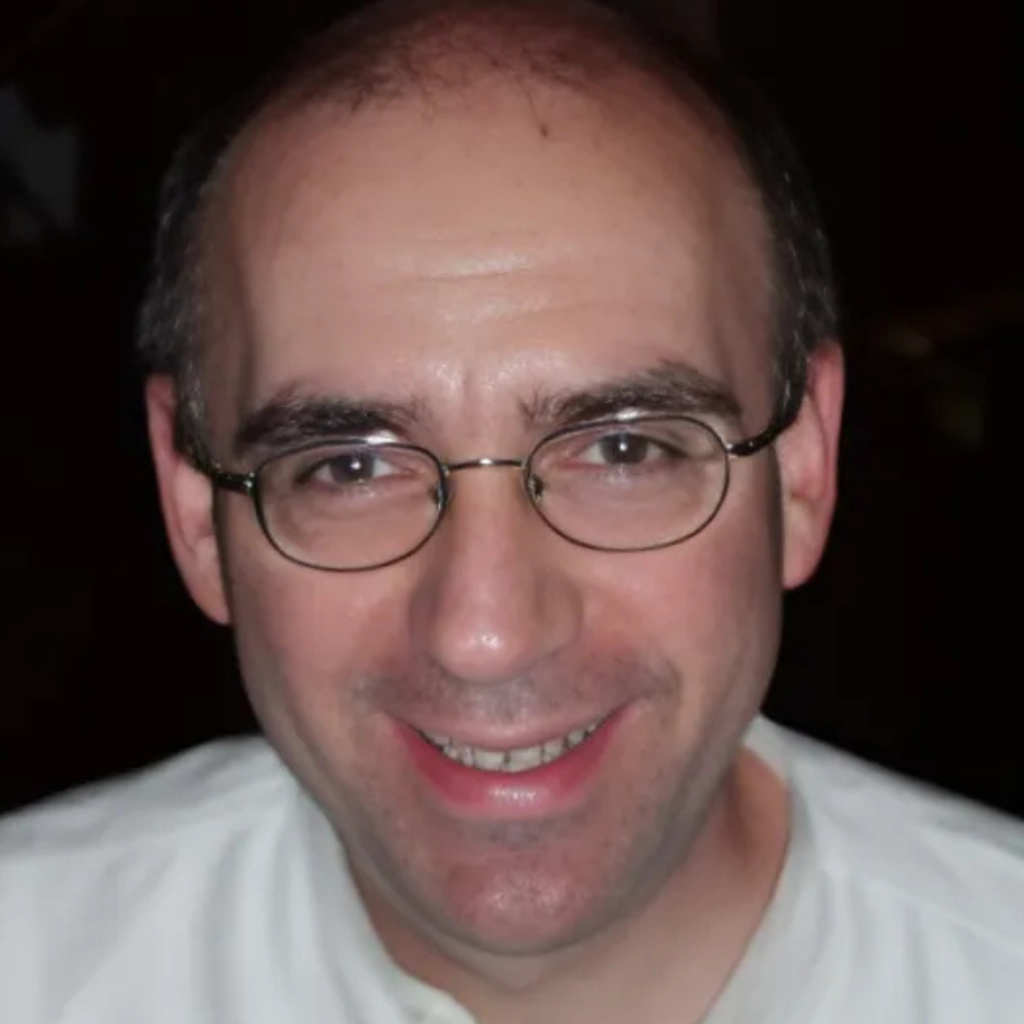
Joe Romm covers Viral Content Strategy in this Marketer of the Day episode. Joe Romm explains how storytelling, emotion, and memorable language can help online content reach and engage far larger audiences. His core storytelling technique replaces repetitive uses of "and" with "but" to introduce conflict and "therefore" to create resolution. He says memorable communication also uses devices such as rhyme, alliteration, metaphor, irony, and puns to activate attention and memory. For video, Joe emphasizes personal stories and designing content that still communicates clearly when viewers watch with the sound off. He identifies anger, anxiety, and awe as three activating emotions that encourage people to share content. Headlines are equally critical because audiences quickly decide whether a post, email, speech, or video deserves more attention.
Joe Romm, named one of Rolling Stone’s “100 people who are changing America,” has a game-changing new book, “How to Go Viral and Reach Millions.” Romm is “the communicator’s communicator,” blurbs Van Jones, host of CNN’s The Van Jones Show.
“How to Go Viral” is the first book to reveal all the latest secrets for consistently generating viral online content—words, images, or videos that are seen and shared by hundreds of thousands and eventually even millions of people, something Joe and his colleagues in three different organizations achieve routinely.
Joe is here to talk about how to create viral content that grabs attentions, connects emotionally, and has all the correct “mechanics” in place, i.e. winning headlines.
Quotes:
“There’s a massive amount of noise—endless content, countless tweets, and nonstop videos. To stand out and be heard, you need to use the proven strategies and techniques that top social media superstars and viral experts have mastered.” – Joe Romm
“For tens of thousands of years, storytelling has been at the core of human evolution—that’s how our brains are naturally wired.” – Joe Romm
“We’re in an era where two things matter most: capturing people’s attention and holding onto it.” – Joe Romm
Takeaways:
04:45 Storytelling with conflict and resolution is more engaging than flat, fact-based presentations.
12:53 Viral content must work visually, even with sound off, to capture audience attention.
18:19 Headlines and opening lines are critical – they determine whether people will continue consuming your content.
23:16 Emotional triggers like anger, anxiety, and awe make content more shareable.
27:17 Personal stories behind information create deeper audience connection than raw data.
Resources
- How To Go Viral and Reach Millions: Top Persuasion Secrets from Social Media Superstars, Jesus, Shakespeare, Oprah, and Even Donald Trump (Book)
- Rhetoric (Official Site)
- Joseph Romm (Wikipedia)
Podcast: Play in new window | Download (Duration: 36:47 — 84.4MB) | Embed
Subscribe: Apple Podcasts | Spotify | Amazon Music | iHeartRadio | Podchaser | RSS
Transcript
Download transcript (.txt)Marketer of the Day episode 597, how to go viral,
conflict, narrative, tension,
emotional messaging, anger, anxiety and awe with Joe ROM,
Hey everyone, and welcome back to the marketer of the day podcast. We're chatting with Joe ROM, who was named one of Rolling Stones, 100 people who are changing America. And Joe has a game changing new book, which is called How to go viral and reach millions. And it shares the secrets for consistently generating viral online content, which are words, images or videos that are seen and shared by hundreds of 1000s and millions of people. And Joe does this on a consistent basis over and over, so he's going to tell us how we can do that in our business. So how are things today, Joe,
things are great, and I'm very excited to be here.
Awesome. Well, I'm excited to get some of those tips and techniques. I think that all of us need and want more attention on our apps, on our websites, on our books, all those sorts of things. And it seems like it's it's kind of tricky, right? It's kind of like a little bit of an art form to get something to catch on online, because if we're all business, if we're all about the facts, then who wants to share that? But then if we share a fun cat video or something cute that can get shared, but then that doesn't help bring traffic back to us, and doesn't help us get noticed. I'm curious. Yeah, I'm curious to hear about what you have to say about all this.
Yeah, well, I think the most important thing for people to realize is that, you know, look, there's a lot of noise out there. There's a lot of content. There's a lot of people who are constantly generating, you know, tweets and videos. And if you want to cut through all that, if you want to stand out and be heard, you're going to have to use the strategies, the techniques that really are the ones that the best social media superstars and and and other viral experts have been using,
okay, great. So now I'm curious to find out what those sorts of techniques are. And I hear that you know, of a simple trick that some of Hollywood's best screenwriters use to getting those viral stories out there. So you Can you unpack, yeah,
absolutely. I think that that the the, you know, I have this book out how to go viral and reach millions. I I actually recommend publishing on Amazon. I bought the Kindle so I can see what things people are, you know, highlight the most, and the most feedback I've gotten is on this simple trick. It was used by, you know, Hollywood screenwriters and people like Oprah, and it's called the Rule of replacing. Sometimes it's called and, but, therefore, but it's, it's, you know, boiled down to the most simplest form. It just means replacing the word and in your speech or your writing with the word but or equivalents like yet, wherever possible, to introduce the kind of conflict and narrative tension that we expect in our best stories, you also replace and with therefore, or equivalents like So, to introduce the resolution of that conflict and tension. And while it may seem hard to believe that you know, such a simple idea could actually be so powerful, it turns out that almost every viral speech in the English language in history makes use of this structure and these specific words, and as as I discussed in in the book
awesome, and it makes perfect sense the way that you describe that, because it seems like it's tempting for us to just go directly from point A to point B, right? We want to make that video, and we want to explain a few steps on how to make a website, or how to build a business, but that's not fun, right? It's It's more fun if there's a problem along the way, if there's a conflict, if there is something to be solved, if you know, I struggled with this, if I had all these failures, and then the other half of what you were saying there is, it's just as important as having that conflict in there, the wrinkle in the plan to also lead to a resolution. Because we can't just say, Well, I was going there, I had some problems, and then, by the way, here's some facts. We need to wrap up the story. So that makes a lot of sense there how, but we just, we add these kind of story elements to make things more fun and more later and more dimensional, right? So that way things go wrong and then they get solved.
Yeah, absolutely. And I think, you know, there's a tendency when people speak to say, you know, this and happen and this happened and this happened and this happened, or you should do this and this and this and this and. That's just not the, you know, over 10s of 1000s of years of human evolution, all people did was tell stories to each other, and that's really how our brains are wired. And, you know, I think that, you know, as I sometimes say in the book, one of the signs that our educational system is so is so flawed, is that the single biggest thing a great many people are are afraid of is speaking in public, and yet, for literally 10s of 1000s of years of human evolution, that's all we did. You would tell stories, speak in public, to your friends, to small groups, to larger groups, explain what happened, hear their stories. So you know, we've we've moved away from this. I had 11 year old daughter, so I've seen just how much of the first 10 years of her life have been nothing but stories. So we don't encourage people to tell stories, and then we don't teach them, you know, how they should tell stories. And I think that you know we want and if you're selling something, you know, if you're selling something, you're trying to sell someone, how are you going to solve this particular problem that you have? So you know, right away I've got to persuade you. Hey, you know, I had that problem once, too, and I figured out how to solve it. So, you know, right away I've got to talk about how I dealt with that conflict, how I resolved it, how I, you know, went through a process of becoming knowledgeable and expert in this area.
Yeah, that's a really good insight that with all that, with for for 10s of 1000s of years, we were used to telling stories and being sort of heavy on the entertainment and then light on the information. And then we go to school, and then they retrain us. They say, Well, you have to dump the information. You have to give us this bulleted list and and what you're saying is, who's going to even relate to that? Right? Like, if someone's giving me a presentation on on something, if there's no big problem, if they can't tell me what this is leading to, if they're not telling me why I should care, then why the heck am I gonna care at all about some of those facts and figures? And you're making me think that. A couple of days ago, I was just playing around on YouTube, and I found some TED Talk by William Hung the first American Idol wing winner guy, and he was talking about how his parents were mean to him, and his parents wanted him to be a doctor, and how he went on this reality show, and how he was really nervous, and then he snuck in the information in the middle there, but then most of it was entertaining, and if he hadn't had all those extra important elements that you're talking about, then I wouldn't have cared at All. And it's easy for that to be maybe invisible, and for us to forget that we need to have those important things. So this is great. So the rule of replacing, instead of just saying, and this happened and that happened, add the detour, say, but, but yet, and then resolve those conflicts within the story. And so I'm sure that this isn't the only rule that there is out there for going viral. So are there about five rules for going viral online?
Yeah. Well, you know, I the, the the core rule there, you know, I in the book How to go viral. I do talk, excuse me, about the five rules, and I think the single most important is telling a story and and using this this formula. But we know other things about the best stories, that one is that they're memorable. Another is that they touch our emotions. And as it turns out, there are writing tricks, storytelling tricks, that make things more memorable. And these, these memory tricks, these are the tricks that the great bards used to remember their two hour long epic poems when they would show up in town and to make sure that the listener remembered them. And they're called the figures of speech, you know, you know, many of them, rhyme, alliteration, metaphor, irony, puns, all of those things that aren't literal, but are, you know, figurative. Those are all developed because they they trigger parts of our brain for remembering, and also for for creating emotions, and ultimately, if I can't, if what I say to you is not something you're going to remember, then I'm not, I'm not going to make a sale, you know, or I'm not going to get a second date, or I'm not going to get invited for that second interview. You for the job, you know, how do I, and this is a point I make in the book. We're in an era where you have to do two things. You have to grab people's attention, and then you have to keep it and the modern language version of that is you have to be clicky and sticky. And so it's not just enough that I, you know, blaze of siren and you Hey, you noticed me. Now I still have to keep your attention, because you have an infinite number of other choices at any moment on your cell phone or on your computer or laptop, whatever it is. So I need to be memorable. And so in the book, I talk a great deal about what social science has to say about what elements of the story are the most memorable?
Okay, great. And what I'm hearing from you is that we need to be catchy, basically, right? Like you say that you know you need things like have like metaphor, irony or rhyming. And what you're reminding me of is, years ago, I watched some reality show with Billy Mays, the infomercial guy, and he was saying that he likes to have catch phrases in his commercials that rhyme, so that way, if something rhymes like like you were saying earlier, it's easy for you to remember as a presenter, but then that sort of thing also sticks in a person's head. And I mean, you're so right. And I think about, you know, when I watch webinars or I watch people speaking from stage, many times they'll take their their system or their package or their knowledge, and they'll put it into a special phrase or a concept or a little invent something new, so that way they can put their very own unique label on that. And then now that makes me sit up and pay attention, because I'm saying, Well, you're not just talking about this way of getting traffic online. You're saying, this is the blank system. And then the other thing that you're reminding me of, which is a thing that I, oh, I seem to forget again and again, but luckily, I remember it about as often as I forget it, which is when people tell stories and they involve those emotions, or they involve other people, or and they involve things like, you know, childhood or past memories. Then those are those things that really stick, because we can all relate to being scared or nervous or worried or excited about something. So a really important reminder there to not just let things stay flat, we need to kind of punch things up a little bit. And so along those lines of punching things up. I imagine that your book, your how to go viral. Book also talks not just about written stuff and blog posts and presenting, but also about a viral video. So can you explain to us what's that key to creating a viral
and I've been very fortunate to be able to work with some real masters of viral video. I work with this group. We the Years of Living Dangerously, which started as a TV series on Showtime, executive produced by James Cameron and Arnold Schwarzenegger. And the producers are these former 60 minutes guys who have 13 Emmys between them, and we have, we shifted from Showtime, where we won the Emmy for Outstanding non fiction series, to National Geographic, and now the big focus is online, viral videos. And last month, and you can go to years of losing dangerously calm and and or the Facebook page, and you'll see, you know, last month, we had 86 million views of videos on Facebook and the thing and so I interviewed both of them for the book. So I have a chapter on viral videos. And the thing that, you know, I asked one guy who had been at 60 minutes for over 25 years, and 60 minutes still the most successful news magazine in history. There's no other news magazine that ever came close to it and and it managed to be in the top 10 programs of in 10 diff in five different decades. So, you know. And the key lesson that he learned from the executive producer Don Hewitt was you have to everything they do is find the personal story behind it. And he tells the story of how he went to Don Hewitt, and he said, I'd like to do a story on a couple decades ago. I'd like to do a story on acid rain and and Don Hewitt said, you know, we don't do stories on on acid rain. We do stories on interesting people who solve problems, and you have to find the one who is working on Acid Rain who was interesting to cap. Keep people's attention, you know, on Sunday evening, when they have so many other choices of what to do. So again, it's, it's finding that interesting personal story. And then. The younger guy, guy named Joel Bucha, who has really been doing these short form viral videos. One of the things that he impressed upon me, which I hadn't really thought about, is when, if you want to do a good viral video, it has to work with the sound off. And you know, this may be surprising to people, but for instance, about 70% of the videos that we do on 70% of the views that we get on Facebook for our videos are views with the sound off. Interesting. Where people are at works, or, you know, something like that, you know,
yeah, and are you Yeah, people are at work, or people are out and about, or even just, it seems like there's a little bit more of a time commitment. If I go to view a video and I need to wait for things to start up. Sometimes I'm just scrolling through my news feed, and I'll see a Gary Vaynerchuk video or something. And I'm just scrolling through, and I haven't even decided if I want to give this five or 10 seconds of my attention. So I'm kind of, my thumb's still on the screen, and I'm at halfway scrolled away, and I'm just like, Okay, I'm not going to fully touch it and make it go full screen and listen to the sound. I'm just scrolling past and I'm seeing the words come on. And I would say that it's getting to the point where maybe it's not quite half yet, but maybe 20 or 30% of the videos that I watch on my phone are with the sound off like you're talking about and you know, sometimes it might be even on a web page or something, but I'll just kind of be multitasking, or I'll be out and about, and I don't want to stop everything I'm doing, and I only have a few minutes, and I will watch those videos with the sound off, so that way I can see what's happening with all the things going on on the screen. And then there are, you know, words in large print explaining what's going on, and, you know, maybe just captions, but maybe even a little something more than that. And that's a really important reminder there. Like you said, that 60 minutes concept of, don't just tell the story, tell the person behind the story. And I don't want 60 minutes that often, but every now and then when something interesting happens, I'll tune in, and you're making me think of they were talking about Amazon a couple of years ago, about, you know, like prime delivery, and there's the space program and the drone delivery. And they didn't just say, well, here's Amazon, here's this cool stuff. They mentioned Amazon, but the center of it was around Jeff Bezos and about his history and about what he had going on. So that's a really important reminder for me, and I definitely get what you're saying there of, don't just make it about the stuff the Object. Make it about the person behind it. And so so it's really easy to say, Okay, we need to make these viral videos, we need to add in all these story elements that you explain in your book that way, we are emotional and we're memorable, and it's about people, but I'm sure it's easy for people to make some of these beginner mistakes. So can you explain to us what maybe the biggest mistake that people can make when they post online to make things go viral? Well,
yes, and I this is something it took me a long time to learn myself, and I've been writing online for 12 years. But the single most important thing is you just don't have much time to grab people's attention. And whether you are writing a Facebook post or a tweet or you're even whether you're speaking in public, you have to grab them right away, and that's why your headline, the your opening, it was sometimes called your lead. This is the single most important thing, and most people are simply not spending enough time thinking about, how am I going to grab you and and they're just thinking, Oh, here's all the stuff I have to stay. Here's all the stuff I have to cram in. Focus on the headline. There's, there's a I quote in the book, I have a chapter on headlines. I quote David Ogilvy from 1963 man called the father of advertising. And he said, you know, only one in five people are going to get past your headline, and so you need to focus both of your time on your headline, because that may be the only thing that they read, and it's the sole determinant of whether they're going to keep reading. And the difference between a good headline and a bad headline is literally millions of dollars, and that's why he said he never wrote when he did an ad, he never wrote fewer than 16 headlines for the ad. And of course, they would test them. He would test them in different radio markets or different newspaper markets or different TV markets, which, of course. Cost millions, but today, you can do testing at a very, very cheap price. You know you can do AB testing on Facebook ads on my website, we use a headline testing system that is incredibly powerful. But the point is, and the same is true of subject lines for emails. The difference on the opening rate of your marketing email is is wholly dependent on whether your email is promising something is grabbing people and then promising them that they're going to get something interesting, rather than all of the, you know, other noise out there, they could be emails, they could be opening, or videos they could be clicking on.
That's a great reminder for us to have that really impactful headline and to devote so much attention to making the headlines good, because if we lose them there, they're not going to stick around to listen or watch for anything else. And I mean, I love how, like the all these James Bond movies just start off right there in the action, how it just, it just grabs you. And then after they grab you, then they go into the story, and then they go into whatever they want to develop. And also, the other day, I was just having YouTube back on in the background, since we're talking about viral videos, and I just had, I just had, like, different, like presentation tips and, like, good speeches and things just kind of going through an auto play list. And there was something that really struck me is to don't just say, like, hello, or don't just say good morning, or don't go with the usual greeting, like, hit them, hit someone when you're say, like, if you're giving a TED Talk sort of presentation, ask a really powerful question, or give a really crazy promise, and hook them with that. And then after you transition from that opening to something else, then say who you are, then say what your name is. And same thing with the sales letter, like how that headline and have the sub headline and have some of that debt copy. And then if you want to say, well, this is from Joe ROM and then get into the opener, then you can do that. And as far as those email messages, those email subject lines, with things being even more crowded in this day and age, I roll my eyes when I see some people do say things like in their emails, like, well, here's a Friday update for you. And I'm thinking, Who gives a grab? There are hundreds or 1000s of other emails that I could open. Give me some kind of promise, give me something weird or attention grabbing or just something out of the ordinary to make me want to click and open and see what that's all about. So this is really great stuff, some new information and some really important reminders that many of us have forgotten. So as we're beginning to wind things down, if we're looking for the low hanging fruit, looking for some of those important takeaways that we can really get to stick in our mind. Can you share with us, maybe the three activating emotions that trigger content sharing?
I'm sorry. Could you just repeat that,
yeah, could you tell us, what are the three activating emotions?
I'm sorry, yeah, and I think so this was based on a study of the New York Times stories that that were the most shared. You know, if you go to the front page of New York Times, you'll see, you know, what are the most shared and what are the most read and what are the most emailed? And so somebody studied those over a couple years to say, what, what was the thing about the headline that that really grabbed people and they realized that there were certain emotions that were much more likely to get people to share, and you can think of it as the three A's, anger, anxiety and awe. Certainly, people share stuff that outrages them. You know that in this day and age, unfortunately, for better or worse, that's that's one of the things. Another thing that people share is stuff that kind of unsettles them. You know, you might learn, oh, that food that you always loved isn't good for you. Or did you know that this practice you've been doing all this time is, you know, is counterproductive. And then the other thing is awe, when we're amazed by something we very much like, you know, to share the cat that can play the piano or the amazing singer, you know, who's only seven or eight years old, or something like that. So yes, you have to think, and I've learned this in the writing of the headlines, you really have to think very hard. Do I have a verb or adjective, something? Okay, that indicates that that, you know, that stirs up some emotion. Because, again, that's what is memorable. That's what draws us in. We want to feel something when we read, when we hear a story, whatever it is.
Yeah, I completely agree. Have that anger, that anxiety, that awe, and as you were explaining some of those examples, what came to mind for me, what is the news, right? The news always shares like you have, like the action news station saying, Well, did you know that there are these 12 really common objects all throughout your household that might kill your child or might kill your cat. Well, tune in to find out. And which might seem sort of extreme or crazy, but if it was just something kind of tame and normal and, oh, tune in if you want to, and then no one would tune in. And you mentioned on the cover of your book, I think Donald Trump, and some people love him, some people hate him. And I'm the kind of person where if I see anyone doing anything that's interesting and attention getting, then I just take the pieces that I want and leave out the pieces that I don't want. But that dude, again, Love him or hate him, is quite the master of saying things that just get get us all enraged, right? If you're for him or if you're against him, and and he sure as heck gets the attention that he wants. He sure as heck gets the results that that he wants. And so that's a really good reminder for all for all of us, if we find ourselves getting angry or anxious at the news that's happening out there in the world today, well, instead of letting it ruin our day, maybe we can look at that with a magnifying glass and add it to our swipe file, so to speak, and say, well, that got my attention. So maybe I'll get attention in a similar way with my own marketing or with my own viral videos that that I'm trying to get. So so one thing that that I'm really curious about here, Joe is, out of all the viral content that you've either made or seen out there, is there something that sticks out in your mind as the number one catchy most attention, getting statement or a hook, or anything like that? Is anything coming
to mind? Well, I would tell you, it's certainly you have to know your audience, that is for sure. You know, I think that you know, there are certain things you know, like you know how to I mean, look, I titled the book How to go viral and reach millions, I think so there's, you know, a certain segment of people who want to know how to do things. And, you know, if you're a marketer, you're obviously trying to solve a problem. So the phrase like how to people like lists, you know, I, you know, I think if you go one way to see the kinds of things that grab is to find a magazine in an area that is of interest to you and see what the headlines they put on the front cover are. So there's a lot of, you know, there are quizzes, you know, people love to ask questions. They love to promise you know three things you you know, three guaranteed ways of boosting your sales, 100% type of thing now you know, but this is equally important, is if you're going to be a communicator on a regular basis, you have to deliver on what you promise, because there's a lot of click bait out there where people, you know, you don't just want to have a headline that promises the world, and then someone goes there, and then you haven't delivered, because then you might get the one click. But you know, the point is, you need to establish a reputation over time as somebody who, not only do you know who promises stuff that's interesting, but who also delivers.
Okay, great, so promise and also deliver, and then also be on the lookout for those attention getting headlines like those magazine headlines that we see in the grocery store, because, like you said, if we're seeing them, then they've been tested. There's been teams of people writing and rewriting and figuring out that exact perfect text to put on the cover of Cosmo magazine, because they're going to send out millions and millions of copies of those. So they're not just going to slap on whatever they think of they really thought that through, and they really tried things. And so instead of us having to start from scratch like they did, we can just pick up on what's got our attention and and then go from there. And we can even just make it as simple as saying how to do this. And then we can turn our focus on building up that awesome promise or three guaranteed ways of doing this, so that way people can get that enjoyment from those lists. And as you were kind of explaining some of those things, what came to mind is one of my favorite headlines ever. It was the they laughed when I sat down at the piano, but when I started to play, and it's like, there's so much packed into just that little bit there of the like, the person was nervous that he was using the piano. So it's clearly for, like, piano instruction sort of stuff. And then there's already a resolution, and it ends on a little bit of a cliff hanger there. So now I'm ready to jump in and all that from just what nine or 10 words, so super craziness and so what's really great about our conversation today is you kind of reawakened the that magic feeling and me, especially, because sometimes it's easy to get caught up and lost in the step by step processes of making a blog post, putting up a web page, uploading that video, but the lesson I'm hearing from you is that we should have fun with it, and we should remember that it's not about us. It's about getting other people's intention attention, and, you know, giving people some something in exchange for them watching our video, maybe some entertainment or some advice. But we can't just be all about the facts. We have to jazz things up a little bit and add that marketing juice. And so this book that we keep on mentioning here, it sounds really amazing. So can you tell us a little bit about what people will discover inside this book, and where the heck can they go get it?
Well, you know, people are going to discover, I think, not just the the elements of storytelling, but a whole lot about branding. Because ultimately, branding is the story we tell about ourselves, our product, whatever it is, everyone needs their own personal brand. You know, I I discuss why I wrote this on Amazon. I self publish this on Amazon, and I explain that the way Amazon operates now, it's simply, you know, you can a make more money a self publishing if you know how to do the marketing. But ultimately, everyone has to do their own marketing. And, you know, I run, I can do ads on Amazon. In fact, I can purchase or bid for keywords that people search when you go online looking for a book. So they're gonna, you know, you're gonna learn the key elements of telling a story, of giving a speech, of making a video, and of creating your own personal brand that can that can endure and last over time.
Fantastic. Well, this sounds like an amazing book for us all to get. So where can we go get it? Well, you can
go to, you can go to amazon.com, and, you know, if you just type in how to go viral, you'll, you'll find it. I bought that keyword. I bought, you know, go viral. You know, it's, you can. I have a website called rhetoric.com which will tell you a little bit more about me, and it's got, you know, some of the the nice blurbs that people have given me that you read at the beginning. And it's got links to Amazon. And I just, I will, you know, guarantee that if somebody reads this book and and, you know, tries it out and diligently practices, they will notice a big difference in whether it's how many retweets you get, how many likes you get on your Facebook post, how many people applaud at the end of your speech, and ultimately, you know your sales?
Well, fantastic. Well, I think that we all could use that bit of a boost. And for many of us, maybe we aren't quite sure if that speech that we're going to make is going to land, and we're not quite sure if those viral videos or that marketing is going to get us the traffic we want. And I mean, heck, Facebook and all this social media, it's so crowded these days that sometimes it is tough to get more than just a couple of 100 views. So if you are in that boat and you say, you know, I've got a really good message, I work really hard to have good things to say. I just need to add a little bit more of the marketing dressing on things. I just need to beef things up. Then go ahead and get this book. Go on Amazon, search for how to go viral and get get the paperback version, or get the Kindle version, or all the above, and go through this book so that way you know what. Hot buttons to add to your marketing. That way you can get that extra attention that you know you can get and that you can deserve. And then as far as the the website, Joe so rhetoric.com Can you spell that out for us? That way we know that we're going to the right place? Oh
yes. R, H, E, T, O, R, i, c, the word rhetoric.com
super cool. You must have grabbed that in the 90s to get a English word.com right?
I did grab it a long time ago when I was just imagining what I might do in the future. Yes,
nice. You had all these possibilities ahead of you, and now you've implemented them with the all the viral videos that you made and the stuff that you helped get attention, and this really amazing book. So go on Amazon right now and get it how to go viral and reach millions by Joe ROM and you'll be really glad that you did. And maybe after you use the book and you got some results from it, then shoot Joe a message or leave a review on his Amazon page. Just a couple of quick sentences takes you two or three minutes, and that way Joe will know that you you he changed your life and your business. So how to go viral and reach millions on Amazon by Joe ROM and thanks Joe for stopping by and dropping a ton of knowledge on us and for telling us what we need to know, I really appreciate it.
Well. Thank you so much for having me.
Please follow me on Twitter, at twitter.com/robert plank. That's twitter.com/robert plank, and while you're adding me also like marketer of the day on Facebook by going to facebook.com/robert plank show you.