Published Last updated
View in Podcast Library: stories, quotes, books, and resources in one place.
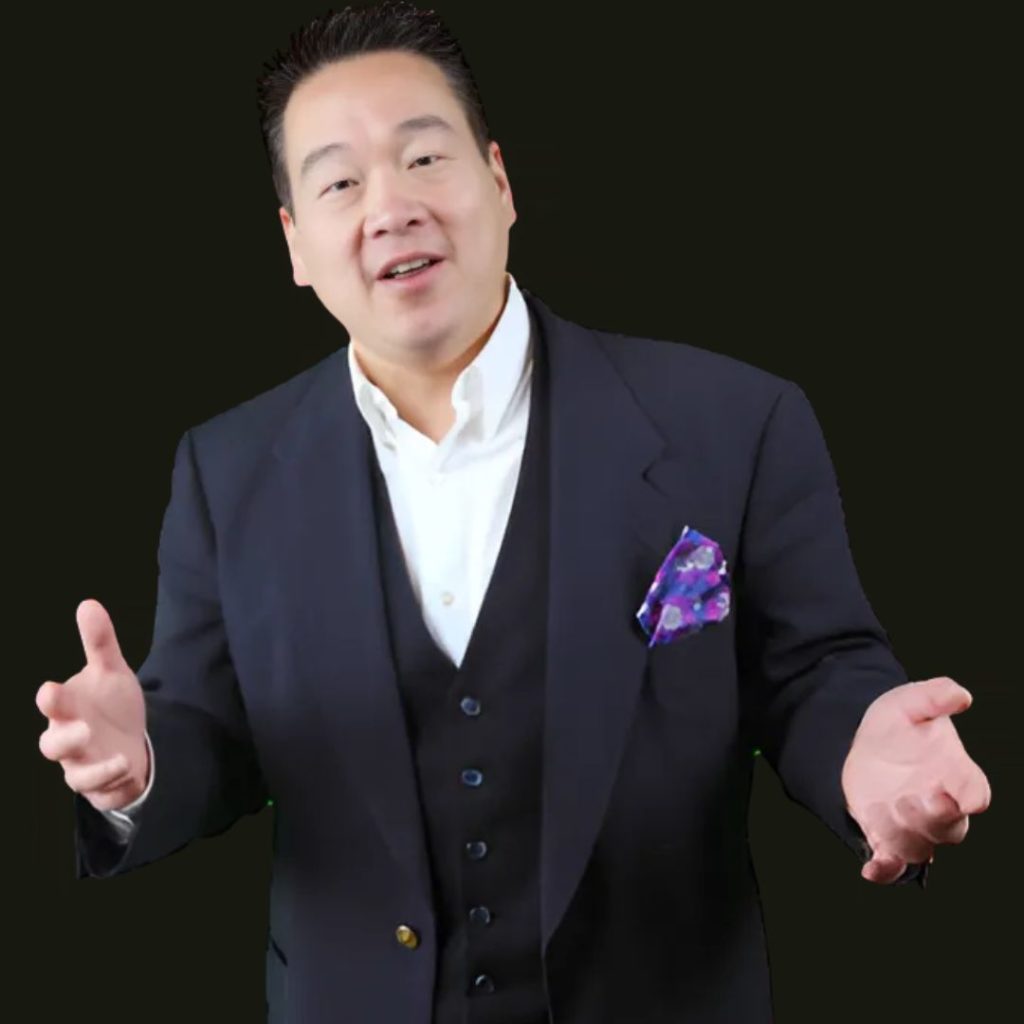
Rob Lowe has interviewed over 100 social entrepreneurs in the Giving Back Podcast to bring attention to the charity-based movements created around the world. He shares how he built his podcast, as well as the common threads he’s discovered while interviewing these experts who are giving back.
Quotes:

“Passion is crucial. Things will get tough—really tough. The one thing that will carry you through hard times is your passion.” – Rob Lowe
“For the most part, or sometimes entirely, these organizations are made up of volunteers. A key aspect is engaging them and presenting opportunities.” – Rob Lowe
“I’m not really smart enough or wise enough to be a coach or a mentor, but what I do bring is that I am a very good accelerator.” – Rob Lowe
Takeaways:
03:14 Finding and highlighting unsung heroes who are making a difference can inspire broader community involvement and create meaningful social impact.
08:00 Inspiring others through personal action can create a ripple effect of community engagement and positive change.
17:19 Success in social impact follows similar patterns to business success, requiring passion, focus, and perseverance.
21:47 Organizations thrive when they genuinely listen to volunteers and match their skills with meaningful opportunities.
26:58 Building a successful movement requires connecting people, resources, and helping them accelerate their goals.
You can contact Rob by emailing him at givingbackpodcast@gmail.com and enter “Heard of you on the Robert Plank podcast” in the subject line.
Podcast: Play in new window | Download (Duration: 30:36 — 28.0MB) | Embed
Subscribe: Apple Podcasts | Spotify | Amazon Music | iHeartRadio | Podchaser | RSS
Transcript
Download transcript (.txt)Robert Plank Show, episode 306, success, positioning, aspiration, inspiration and perspiration. Start a movement with giving back podcast host Rob Lowe, hey everybody, and welcome back to the show. Our guest today is Rob Lowe, and he's the host of the giving back podcast, which is the show that shines the spotlight on people and organizations doing amazing things for others needs. In addition to sharing inspirational stories of making a difference in people's lives, Rob works with people and companies who want their social impact to resonate in their communities. Rob's motto is, don't be sent you with your love, and he guarantees that sharing your time talents and treasure is the only path to lasting, personal, spiritual and professional growth. So Mr. Rob, welcome
to the show. Thank you so much for having me. Robert cool, I'm
glad that you're here and so you you have this, this podcast, and we talked a little bit about it, but like, sort of in your own words, can you kind of tell us about this podcast and maybe some other
stuff you do? Sure, so really, it is exactly how you talked about it. I mean, you hit it on you hit it on the head, Robert it. You know, the show spotlights people and organizations doing amazing things to help others in need. And, you know, it was really for myself. It was not a it was not a commercial venture. It wasn't like something to, you know, make money and, you know, and see the world and meet people. Well, actually it was about meeting people. But really it was about stories that touched my heart as a father and as a, you know, whatever, however, year old guy, 50 at this point. But, you know, at one point I heard these stories about people in my neighborhood, like literally, in my community, in my hometown, and I just thought that they were wonderful just doing beautiful things. And as I started talking to them and meeting them, I realized I was right. There are beautiful people doing beautiful things. And what I saw was that there's just really very few, very few channels, very few opportunities for them to talk to a broader mess, broader market or broader group about what they do and to inspire others. So here we go. You know, we're 100 plus in and great guests and people who are sharing, you know, really sharing their love with others and coming on and just, you know, it's just really exciting. It's really exciting because when you hear different things that people are doing, really from the heart, and then you also hear some very, very common threads, and the opportunity for myself to apply those to my own life and to share those experiences and some of those lessons is just absolutely it's just been a game changer for me. Awesome.
Well, I'm super excited to jump into some of that stuff and jump into some of those, those examples and common threads, and so I'm sort of just so you have this cool idea to sort of shine the spotlight on, on the people who are, like, doing great things and and could use some of this extra recognition. So can you kind of tell us about, like, maybe some of these people, or like, maybe like, like, your favorite kind of episodes, or just so we can kind of feel of what kinds of people who are doing good in the world and stuff like
that, sure, you know. But I got to tell you honestly, you know, picking one or even a couple out of all these incredible people is going to be tough, but I'll share a couple that have have special meaning to me. I think they stand on their own. But if you want to hear a little bit more that, that's great. So one of the one of the people that really, that really, really impressed me a lot is a man named Josh Coombs. He has a hashtag, do something for nothing. He's in England. He I believe he was my first overseas guest. And he is a hairdresser. He's a younger fella. He was in a band, you know, just a really fun guy. And, you know, he became a hairdresser, and he'd seen what the English call the homeless. They call him rough sleepers. He'd seen him about he, you know, and he, you know, put coins in the cup occasionally when he had it. And one day he decided to do a little bit more. And he said, Well, you know, I got, I got shears, and I got my experience. And maybe these folks can use some, you know, maybe they could use a little cleaning up. He's at a, he's at a pretty high end place. So this is, you know, this isn't just like a quick buzz and get out of here, like the military. So if you, if you go to hashtag, do something for nothing, and you see this man cutting hair, he is so intent. He is so focused on giving them everything he's got. And. Thing about it is, what was really smart is he, a friend of his, said, Hey, I'd like to come along and take some pictures. He's a photographer, and, you know, maybe we could share these and and, you know, just, just see what's going on. It inspired people to the point where they had a meet up. They had a meet up in London, where they had like, three or 400 people who came out and just said, Hey, I want to be a part of this. I want to help, just help. And you imagine the amount of love that went out that day, Robert, just people fanning out and just making things happen for other people in need. And it wasn't just the homeless, it was, it was the homeless and helping them, but it was like in different, you know, different like shelters and, you know, different charities, and they just got busy. And the exposure, not for Josh, but the exposure for people to get involved and to give back. I mean, there's there's people now who are doing this on a regular basis, who never would have started without that example, he's been in, gosh, he's been all over the place. He's been in, I think he went to Australia, he Japan, he went to Greece. And this was for some of the refugees that were coming, not just from Syria, but also from Afghanistan and Iran and chronicling that and sharing that and showing how people can make a difference, really, by sharing, you know, one of those three things, everybody brings time, talent and treasure to the table. And this guy just, he just rocked it out. He just rocked it out. And at this point, the interesting thing is, at this point, he decided to step it up. And I talked to him recently and said, day, you know, I don't hear you being much at the salon anymore. And he'd say, Well, I'm not, because I decided that I really wanted to take this up a notch. And one of the things that we had, that we had spoken about in our conversation was, you know, who would be an appropriate, you know, sponsor, or something like that. And he said, Oh, I have to be really mindful. And as it turns out, he has one now, a really wonderful Mattress Company, right, called Lisa, lisa.com and it's not a hair gel or styling or anything like that, which I thought was kind of interesting, but their values matched up really, really well. I mean, it was so aligned that now he has a wonderful opportunity to just do more, and there's no obligation, there's no, you know, that he doesn't have to work in certain areas or something like that. It's just their values aligned. They found each other, and now he's on, I mean, he's on a tear. This guy is just absolutely magnificent. So, I mean, that's somebody who is just near and dear to my heart that it just shakes me up how much, how much giving he's doing, and how much of an impact he's having on not just those that he serves, but those who are around him and pick up that example, you know, yeah, yeah,
that's pretty cool. And I, as you were talking, I searched that do something for nothing, and I found one of the videos about about what he's doing, and that's given me a really good sort of feel about the kind of people that you're that you're interviewing, just this whole idea of, you know, some people like doing good and doing something that's really specific and unique to them, like the, you know, cleaning up some of these homeless guys and then kind of inspiring everyone else around them to kind of do more. And do, you know, continue doing all this kind of good, as opposed to just kind of doing one thing and and that's the end of it. And also, as opposed to kind of doing one thing and saying, Look at me, and getting this recognition, it's like, it's, it's more about, you know, like going around and doing these things and getting other people to kind of buy into this. So, like, pretty cool stuff.
Yeah, it's really cool, I mean, and you know, the thing is that he found what was really interesting, Robert is what he found and he shared with people. And I think this is what resonated, is that in giving his talent, right? He he thought that would be a big thing, or a good thing, not big, like, Oh, look at me, just like a good thing to do. And it is, and it really is. The thing thing about it is that was interesting, is that it was like the time that he spent with these folks, like some, you know, there's a lot of people who are, who are out there, who are in, who have needs, and they have been ignored for a long time. They're like the invisible ones, you know. And you know that time that he spent, and that time that other people, not only on that day, but are spending with people and giving them their attention, their focus, and just recognizing them, you know, as people, as fellow human beings in their communities, was a big transformative aspect to the folks that he serves. So, yeah, it's really, it's it's really wonderful. It really is, you know, yeah.
So, I mean, how do you find these kind of people or like or do they come to you? Or what's that sort of. Process like,
oh gosh, it's both. It's it's both. So I might see something on TV or read something in the news and just reach out. Somebody might contact me most often when it's somebody contacting me, though it's somebody who wants to recognize somebody else, which is very, very cool. One of the, one of the first people who, who was was referred to me, was Christa garoski. She's incredible. She's actually a neighbor, as it turns out. So Krista is the co founder and the executive director of a organization called the fabulous woman of Petaluma, which is a town in Marin County out just outside of San Francisco, and somebody had recommended her and said, Oh, I heard your show. I like your show. I like your focus. And here's somebody who I think has, who I know does a lot, and I think she would be great, great on the show. And I'll tell you what, she was absolutely right. I mean, we ended up having the first two part show because we had our conversation, and it was, you know, she's just doing so much, and there's so many different organizations and individuals. Well, I mean, it was, it ended up being a two part show because we were talking about so many things on such a incredibly deep and meaningful level that, and there were so many different examples, and, you know, inspiring pieces of like, Hey, this is what somebody could do, or this is what somebody did, and this is the impact. I mean, it's just been, it's just been really wonderful. And I have to tell you, Robert, selfishly, this is, this was not an intention, but selfishly. One of the things that I am getting out of this is somebody like Josh, who is, you know, across the pond, but I get to talk to him and and we've become friends. And Krista, the same thing, we're actually friends now. We meet and we worked together on some things. We had a presentation at a high school together, and we're planning to do more of those. That was an incredible experience, you know, being with somebody like Ron cobundy from generosity feeds. He actually came here, sat down, broke bed, broke bread, with some friends and my family. And then I subsequently went over there for some training and stayed in with him and his family. Just lovely, lovely people. So, you know, it's been incredible, just absolutely incredible. It's changed my life in many, many ways, awesome.
So lots and lots of people from different walks of life, and it sounds like lots of, like amazing personalities and stuff. And you mentioned, sort of near the top of the show, that in interviewing these sorts of people, you've discovered all these kind of commonalities, common threads. So can you maybe talk about that and tell us what kind of, what kind of like, you know, patterns and what kind of big insights you've had from talking to these people?
Yeah, yeah, definitely. So it so one of the things, one of the things, one of the things I want, I want to just kind of preface this, Robert, if you don't mind, by saying that their success, right is measured differently than what we normally look at right this, their their success. I mean, it sounds kind of, it sounds kind of cliched, but if you could measure, if you measured their success in terms of the lives that they either that they both save, like literally save, or impact and and and change direction in a positive way. I mean they, these are some of the most incredibly successful people that you've ever met, and the work it takes for that type of success is actually exactly the same as it takes for somebody who's focused on either more material or something that's more quantifiable success. Okay, they're like literally exactly the same, they're just in a little different focus. So, for example, they tend to focus on things that they love to do and that they're good at, right? It's, it's, you know, these are things activities that are in their wheelhouse that overlap those activities that overlap between what you love to do and what you're good at. Um, I mean, these people generally wake up bouncing out the door, right? They're ready to go because that they because they know that the that this, these things that they would do all the time, they're going to be doing like today, right? They just happen to apply it in a little different world, and it's sustaining, right? That's the point. Is that it's, it's like what I heard Steve Jobs. Steve Jobs was on a panel with Bill Gates, and somebody asked, like, what, what's important for success, or how to be successful, right? This guy in the audience, and Steve just stood up and he said. Well, you know, I really want to tell you that passion is really important. You know, passion is super important. And I'll tell you why. And it was very rational. He said, things are going to get tough. They are really, really going to get tough. It's guaranteed, any business venture, any social venture, any project, it's going to get tough. So the thing that'll, that'll sustain you, the thing that'll, like, you know, put the patience and the reserves in you when times get hard, is passion. Because otherwise, what sane person would continue doing something that they didn't have a passion for, that they didn't love to do, or there's something that's super fascinating that they get something more out of it. So that's, that's one thing for sure, Robert, the other thing is that, one of the other things is that they, they, they start with the end in mind, right? And by that, I'm not talking about, oh, they want to build, you know, the best widget, or they want to have a multinational company that that's not their point. Their point is, it all starts out with one It starts out with one person or one group or, you know, whatever it is, it's that impact right then and what they can do, that's what they always keep their eyes on. So no matter how large now, no matter how large these organizations get so like Donors Choose, that's a large organization, ALS Ice ALS, the Alzheimer's Foundation, right? The ALS Ice Bucket Challenge. Those are large, large organizations that have, we've had guests from those organizations, but it all starts with that one person or that one group that they want to have an impact on, and they're there. They focus on that, and they focus on that experience that they're going to have. They're focusing on making a difference right there. So they never lose sight of it, right? It's basically like if you were in graphic design, being focused on the user interface, right? And just that experience and what it's going to be like. So that's, that's another thing that's really super important, you know, I mean, I can go on and on, you know, there are just some different key components in the way that they approach things, which is why they've been so incredibly successful, right? Right?
And this is pretty cool to hear, especially that the it that it's so similar to interviewing people who are making money that, and I can totally, like my brains, kind of the gears are turning about all those different kinds of things, like, like having to, you know, have things catch on and get a following, and yet keep get people to kind of join a movement and navigating whatever sort of legal issues or setting up whatever kind of, like, you know, event needs to happen. I can totally imagine how a lot of the the you know, the concrete actions are similar to, like, business stuff, and that whole motivation aspect, the whole, you know, have a passion to get you through those early times when things aren't, aren't quite picking up and starting with the end in mind. So pretty cool stuff. And so, you know, as you're interviewing all these kinds of people, I imagine that some people kind of have these movements that really catch on, like you mentioned that ALS ice bucket challenge, and I imagine some have more difficulties. So are there things that some some people who have charities and movements and stuff like that. Are there some things that some of them do correctly, that others don't?
Well, I would just say that, like a business, right? Like a business or any commercial venture, there's different ways to approach it. So maybe the, maybe the third really big piece of that, right? Because you think about internally, what are you doing? You know, you think about who you're surrounding yourself with, and what your point is. You know, thinking about your resources, okay, one of the things that I've I've found, is that the organizations that are doing it right will look at different resources, their people, and always, always be tapping them right. They're always tapping them in the right way. They're always saying, What are you thinking? And they approach them with genuine curiosity and real respect for what they have. Because remember, you know, Robert, one of the challenges, it's, it's both a, you know, a huge boom. And it's also something to be mindful for that, like a church or any other volunteer organization, right? Because a lot of these have their their stakeholders include volunteers, and it's very, very specifically because volunteers, for the most part, or sometimes all, make up these organizations, right? So part of it is tapping them, and part of it is like offering up or opportunities like I had heard about this, a healthcare, a healthcare nonprofit. They had, there was a there was a a surgeon who. Who was the chief of staff at a local, very large hospital. So she had retired, and then she said, You know, I want to get involved. And she walked over there and said, Hey, this is this is my background. This is what I'd love to do. They said, Okay, great. Come on back tomorrow. We'll have something for you. She was all excited. She came back and they gave her like these, either vases or something, and said, Ask her to fill the water and put the put the flowers in. Now, I mean, I got to tell you, that's important, because for what they were doing, it was important to do those things. But that's an that's like a complete mismatch of what this woman can do and what she can contribute versus, you know, what they were having her do, and it was so disappointing. She, you know, she kind of faded away and didn't do it. And it was really a loss of opportunity. So the biggest piece, I think, in terms of operating well and really continuous, continuously growing and serving, right, because it because, in this piece, the market is a need. It is a true need, right, a human need. So in order to serve that right, the best organizations are taking these, all these people who have already stepped up to the plate said, Yeah, I want to help. I love it. I want to help. And they constantly give them opportunities for input and opportunities to grow and to serve, which is why they came on. And that's a super that's a super piece. I mean, just mashing up opportunities and resources and people and seeing where they fit and being open to that, it keeps it dynamic. People stay super engaged. And, you know, frankly, they grow and they serve more. And that's that's been a big difference. And, you know, that's been a big difference for
them, awesome. And that's it. And that definitely relates back to, like, Steve Jobs type of stuff, and Henry Ford type of stuff, as far as, like, you know, don't be this the or, like, be the dumbest person in the room, right? And have everyone do their thing and, and and that whole thing about the having that genuine curiosity and real respect for people's opinion, I mean, that that's huge. And I think that's the kind of thing that, like, you know, as we're teenagers and young adults, we kind of feel like we know everything, and we kind of forget to have that, that curiosity that maybe we had as a kid, and then later on in kind of an adult life, we have to rediscover that. And some people don't. And those people who kind of don't have their curiosity, or, you know, don't actually, you know, ask questions and stuff like that, kind of fall by the wayside, and kind of maybe just get kind of stuck in a cycle there where, you know, when there are problems that come across, or opportunities for them to grow, or whatever you want to call it, like, they just, they say they've heard everything, they think they know everything, they don't actually listen to stuff. And then that leads to really bad things. So so that that's huge, and that's, uh, you know, anytime I've come across, like, when I was, whenever I was, like, looking for, like a mentor or a mastermind or whoever, those people that actually, like, asked, asked, even like, the dumb questions or listened about things that maybe they had already heard. But just, you know, want to see, you know, things changed. I mean, that that just whole part right there about, you know, having actual curiosity and asking questions and having the right people to do, to kind of do their thing, especially if they're smarter than you. I mean, I think that's, that's super huge there. And so, you know, I don't want to keep you up for too long, even though we're having, you know, a pretty good flow here, but getting a little bit back to that, giving back podcast, so you've done 100 plus episodes, had a lot of really cool people, a lot of amazing guests, kind of what's next for you? Is there anything kind of new and exciting coming up on the horizon?
So a couple things, I'm writing a book. I have a great, a great editor who's really encouraged me to, you know, fully own this what, what originally started as a series of interviews with you're transcribing a series of interviews and saying, you know, here's a here's a few comments from me, has grown into with his encouragement and other people's encouragement, of like, well, so what are you learning from this? And you know, why don't you share that? Because that's the point, right? Is that, you know, it's aspiration, it's inspiration, it's, you know, perspiration. And so you know, what are you learning? And how are you using this for yourself? How are you using this to help others, right? So that's been really cool. Have no idea when the book will come out, but it should be at least, at least, it should be interesting to hear what other people are doing, right? I mean, and that's really key, because it's not about me. I'll just, you know, I really feel like I'm the messenger, which is, which is very cool, and being witness to that. The other thing is that I'm working with, I'm working with people in organizations, some sometimes with the CSR component, that's the Corporate Social Responsibility, or the corporate philanthropy, and helping them engage their employees. Business and engage their communities more effectively, right? Really, getting them to be ambassadors, community ambassadors for the company, because it's something where, you know, there's really a reflection of shared values, and that's pretty cool. But I think, I think one of the things that's been really awesome is people have have been reaching out to me and saying, Hey, this is what I'm working on. Can you help me with this project, or this charity that I'm setting up or getting more engaged with this, this, you know, group of people, or people that share this problem, and how can I do it? That's been, that's been a journey itself, and I have learned so much. I've just learned so much more. It's been incredible. I mean, it's just being engaged like that and seeing growth. And, you know, essentially, what I tell people is, you know, I'm not really, I don't really consider myself smart enough or wise enough to be a coach or a mentor, but what I do bring from my background, as well as with the lessons that I'm learning and the experiences that I'm sharing from our guests, is that I am a very good accelerator. So once people choose to go on this path, once they've stood up and declared and said, Hey, I'm all in, I'm going right, they become intrinsically interesting to me, and being able to step back, I mean, literally, to step back from their circumstances and interview them right, have a conversation and find out what is important to them, what they have going on, and literally doing a complete, you know, 360 all around, like a 3d 360 and looking at the forest for the trees, and connecting people, events, resources for them, and helping them shape that direction in a much more direct way. I mean, the speed with which they're moving is absolutely amazing, and I love being a part of that
awesome. I mean, it sounds like, since this, this show has really picked up speed. You kind of have, like, a critical mass sort of, so where now it's, it's easy to get guests, it's easy to kind of be that connector. So, I mean, sounds like lots of awesome stuff on the horizon. And I'm looking forward to whenever the book comes out, whenever it's, like, the right time, and it, you know, becomes what it's supposed to become. So lots of exciting stuff. And so can you let us all know where to find that giving back podcast, as well as any other URLs you feel like sharing today?
Absolutely. I will share. I will share this. Www, dot giving back podcast.com right? Just like it says it's giving back podcast.com and Robert, I'd like to offer something to your audience, if you, if I hope you'll find it useful. Yeah, one of the, one of the things with a business oriented podcast I did recently with, it's called Entrepreneur on Fire, with a gentleman named John Lee Dumas, and we had, you know, I had offered something. He had asked what we can do, what we can do, what we can give right, what we can give back. And I had offered people who had an idea of what they wanted to do, either incorporating giving back in their business, or they might have something that they want to create, to develop, right? And I offered a consulting with me, and there's no obligation, you know, not getting it's not a bait and switch, it's not a it's not a trip wire or anything like that. It's honestly, if somebody has this in mind and would like to get involved. Would like to get involved with their community, either for themselves or with their business or with both, or if they have a social entrepreneurial type of venture they'd like to talk about and help shape. I'm very happy to to work with them, and you can just simply send me a an email to giving back podcast@gmail.com that's giving back podcast@gmail.com and just say something in the subject line like, you know, Robert Plank, podcast, you know, this is what I want to do. And just tell me a little bit about yourself, and we'll connect, and we'll have a great conversation. Okay, okay,
awesome. So everyone should if you have that idea, or, like, if you want to create something like Rob said, or if you want to take this business you built, and, you know, add that giving back component, then email giving back podcast@gmail.com and then in the subject line, say, Robert Plank sent you, and then that website is giving back podcast.com so awesome stuff, if you guys listen carefully, or listen a couple of times to listen and hear about, sort of how Rob creates a movement, and how, like, what got Rob to make this and how Rob kind of keeps things going, and some of those insights about how you know this charity stuff is pretty similar. To the business building stuff, as far as like, the passion and having to have that daily discipline and be organized. So lots of cool stuff, lots of cool takeaways from today's show. So everyone should go right now to giving back podcast.com. I want to thank you so much, Mr. Rob Lowe for stopping by the show and sharing what you had to share with
us today. Thanks so much for having me, Robert. This has been this has been great, awesome,
staying here. Subscribe to us right now, while it's still fresh on your mind at Robert plank.com/itunes or just search Robert Plank in your iTunes app. You.