Published Last updated
View in Podcast Library: stories, quotes, books, and resources in one place.
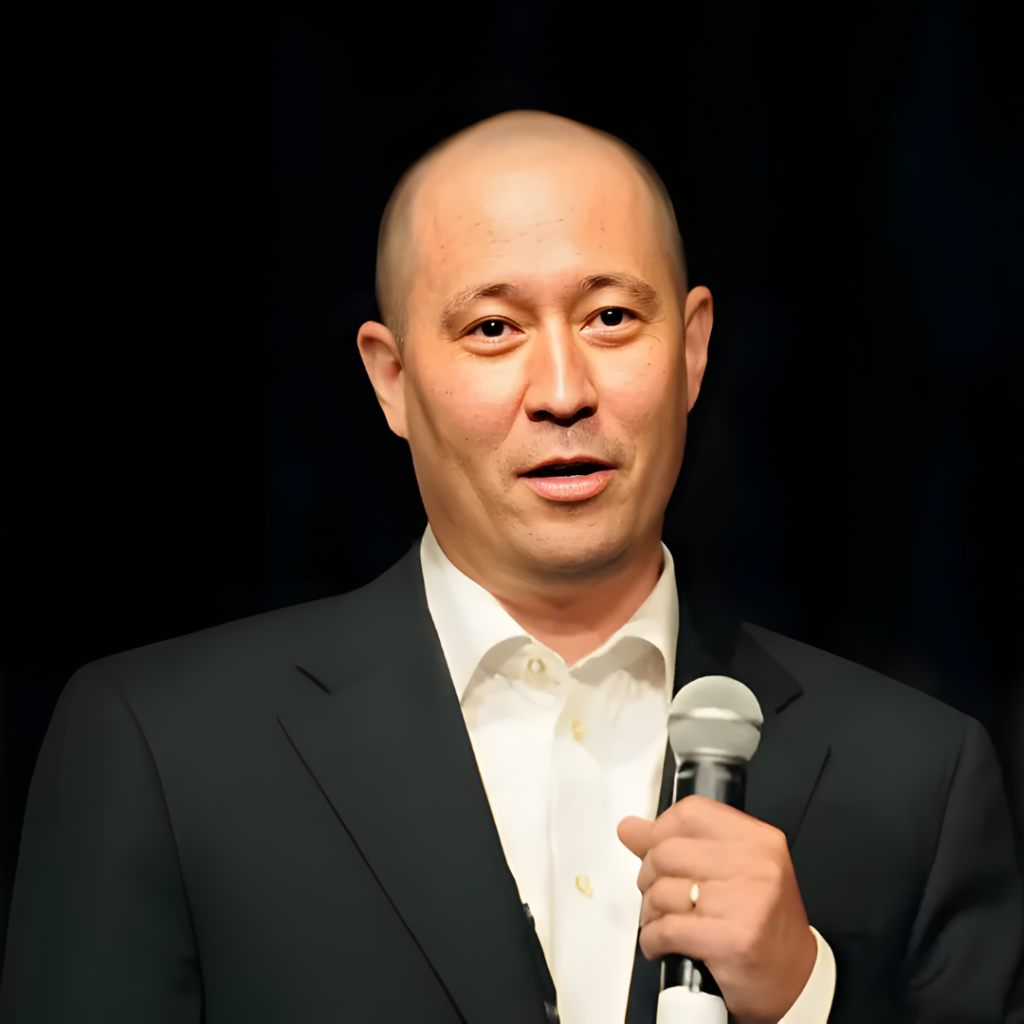
Robert Plank covers Podcast Marketing Strategy in this Marketer of the Day episode. Robert Plank explains how podcasting can simplify content creation while building relationships, traffic, and multiple revenue opportunities. His core framework is "why, what, how to, what if," which structures everything from solo content to guest interviews. He recommends starting with one episode, expanding to 10 ideas, and eventually aiming for 100 rather than planning everything upfront. Interviews reduce preparation because guests provide much of the content while creating valuable networking opportunities. Audience growth comes from consistent promotion through email lists, social media, podcast directories, and guests sharing their appearances. Monetization can include affiliate offers, products, coaching, paid guest appearances, and compilation books instead of depending entirely on major sponsors.
Lance Tamashiro is a successful entrepreneur and business partner of Robert Plank. He has built a thriving online business and shares his expertise through his website, LanceTamashiro.com, and his marketing podcast, Tamashiro Marketing. Today, Lance discusses the importance of building a team of profitable, full-time employees to grow a business beyond its current limits.
Quotes
“I really wish that 10 years ago, when we started, we were given the advice to have control of things and be at the center of our business. We followed that path and took it on.” – Lance Tamashiro
“I’d love to sit at the beach and work on my business, thinking about the big picture. But I can’t get there because if I’m not working in my business, nothing happens and the money stops.” – Lance Tamashiro
“The bottom line is this: no matter what you think about your online business, you cannot scale to the level you desire. You’ll hit your ceiling and wonder why you can’t break through.” – Lance Tamashiro
Takeaways
07:10 Hiring full-time employees, rather than relying on outsourcing platforms, can help entrepreneurs break through growth ceilings in their businesses.
17:15 Investing in employee training and providing them with the tools and resources to succeed can lead to more efficient and profitable implementation of business strategies.
22:52 Using existing course materials and having employees implement them can be a cost-effective way to expand a business’s capabilities.
32:10 Gradually increasing employee responsibilities and access, while maintaining control over sensitive information, can help overcome fears and concerns about outsourcing.
34:17 Building trust with employees through regular communication, feedback, and appreciation can create a positive and productive work environment.
Resources
 Get a copy of Level Up: The Best Kept Secrets to Overcoming Roadblocks, Achieving Success & Multiplying Results by Robert Plank, Lance Tamashiro, & Larry Becht on Amazon
- TamashiroMarketing.com
Podcast: Play in new window | Download (Duration: 40:34 — 37.3MB) | Embed
Subscribe: Apple Podcasts | Spotify | Amazon Music | iHeartRadio | Podchaser | RSS
Transcript
Download transcript (.txt)Paul,
hello everybody, and welcome to the marketer of the day podcast. In case you're a regular listener, you might notice that I'm not Robert plank, and this is somebody new. So for those of you that have listened to 600 700 1000 I don't know how many episodes there are. At this point, you're in for a special treat. I'm the Special guest host, and that's what makes podcasting fun. So my name is Lance tomashiro, and today on the marketer of the day podcast, we have a very special guest whose name is Robert plank, Robert. Welcome to marketer of the day,
I am excited to be a guest on my own podcast. What is up?
What is going on? So you know what? As long as you're a guest, that means, I guess we get to ask all of the questions that US listeners to your podcast are just dying to know. And I think that the place that I want to start is first of all about how many podcasts have you produced on marketer of the day podcast? So far
as of today, 682
682 which is, I mean, when I hear that number, it's almost overwhelming. It's almost like, okay, marketer of the day podcast, 682 episodes. If I'm just a casual listener, and it's just overwhelming. So first of all, I know that this podcast has sort of evolved over time, not only in its name, but in the format, to 682 episodes as of today. So can you kind of talk about the evolution of this particular podcast, how it got to where it is today, and really the beginnings of it, and how you started? Because I don't believe that you just started. Had all these guests had this big vision for it. So if you could kind of talk us through that, I think it would be really helpful and interesting.
If I had known I would do 682 episodes, I would not have made a podcast. I would have been overwhelmed. And I think that that's a really important concept for a lot of people to think about. Don't plan out the next 10 years. Don't plan out your whole life. And what happened was, early on in my internet marketing career, I heard about this concept called moving the free line. I heard that you're supposed to teach some free things if there's something new that you've learned, or a case study, or something you implement, implemented are thinking about, and it might not necessarily fit into something you're looking to sell as a product or for coaching, or you might just get some kind of interesting idea, right? People post things on YouTube or on LinkedIn or on their Facebook page all the time. So there's that importance of posting things for free. And 10 years ago, I heard that blogging was an interesting thing to do, so I registered my name.com my name is Robert plank, so I registered Robert plank.com and everyone should do that, because there's only one of you and but someone else might have your name, and it's important to register that before maybe it becomes a porn site. Maybe someone might squat on it and try to sell it to you. Register your name.com or your name plus a keyword.com, at the very least, set up a WordPress blog, so that way you can even post a video or post some of your links have some kind of a presence. And what I did was I posted a blog, and once a month I would write about a three or four page really well thought out article that sometimes would promote the things that you and I had for sale. But after doing that, it became a lot of work, and at the same time, it would probably take me maybe a day or two's worth of work, and I only had enough bandwidth to post once per month, because I had other things to do, and I knew that he was important. I knew that I needed to build a list. I needed to keep my list active by not always hitting them with things to buy, sometimes hitting them with free blog posts that had links to other things to buy. But it got old after a while, and then this thing called podcasting became popular where, which is what we're doing right now. You turn on your microphone, you speak into it. And the thing that you would have blogged about, or the thing that you would have told a friend or a customer, you speak that out. And that way, you tap into this whole other crowd of people who might not be readers. They might be the kind of people that like to have something listening in the background event. Like to have something they're listening to at the gym or while they're walking or running or in the car, and that was fun, also for a while, but then I began repeating myself. I began running out of ideas. I began scrambling for something new. And I sometimes would worry, am I getting. Thing just way too detailed. Am I getting way too technical? Where, if someone new had heard of Robert plank, or heard about internet marketing, or heard about membership sites, and they turned into my most recent episode, if I at that point, just drill down into something really specific and overwhelming. And so I did a blog for about four years, at once a month, and then at that point, I switched to a podcast, and that was I would try to do once a week, but it would sometimes be more or less frequent. As you said when we started, you can play by your own rules. You can mix things up, but once I got to 100 episodes of some episodes being 15 minutes, sometime episodes being 60 minutes, I hit a wall. I began getting bored. I wasn't sure if I was repeating myself, getting too detailed. And then this was the at the point when I noticed that you had jumped to the number one spot in the business category in iTunes, and I think at one point, fourth place in all of iTunes. And it was you had gotten people on your podcast as interviewees, and at that time, it made me realize that this was a strategy that that you and I have been doing this whole time. We just hadn't noticed it, and which was whenever I would do this thing that we always hear is so important, called networking and going to live events, conferences, meetups like that. The problem is it seems like some people are really introverted, and some people just have no problem socializing, getting some affiliates, making some of those hot deals happen. And I think most of us are somewhere in the middle, right, and you and me are definitely somewhere between those two extremes, where we were not total shy shut ins, but we just the socializing, the networking does not come naturally. We can't just roll into an event and lands 20 joint ventures and get 50 new affiliates, and so for the rest of us, we need to do something a little bit differently. And what I have been doing since I began attending networking events is if I meet someone and we exchange business cards, and usually with the typical situation, you never hear from the person again. And what I have made a point to do ever since I began attending events, was I say, what do you do? And they ask what I do? And I say, that's great. Let's set up a time when we both get home and I'll interview you. And so even before I had a podcast, I would meet with someone on Skype or a Zoom Room or Facebook Messenger call, since we can do that nowadays, and record a quick 20 minute conversation. When I would I would ask, what do you do? What's your website? What makes you stand out? And we would record that. And this is what broke me past 100 episodes on a podcast, and this is why I and everyone else listening could potentially record hundreds or 1000s of podcasts. And maybe we shouldn't say 1000s, because that sounds really overwhelming, but you have, you have the potential to and when you involve other people, you don't run out of your own information. You can consistently create this free stuff, and you can be a real marketer, right? You can help other people out, and you can have other people create content for you while you, at the same time, introduce you and your audience to other people. And that is the quick answer of what has led me to these hundreds of episodes, is be as having some kind of a free presence out there, and then also having that awareness of knowing that even though it might be unnatural and uncomfortable, I need to get out there, I need to network. And the easy, repeatable, predictable way for anyone to do that is podcasting is by meeting someone and then having them as an interviewee on your podcast, it's a lot of fun, and everybody should do it.
And I really like your emphasis on you have to have something free, and you do and you know, I experience the same thing, like I'm not a writer like you are. I really hate to write, but I don't mind talking to somebody or explaining something verbally. And it was interesting because as good of a writer as you are, sales pages, blog posts, whatever, it was interesting to hear you describe that like your initial free line presence was these blog posts that literally, because of how busy you are, and by the time you thought it out and got it all out there, would take you, you know, in the vicinity of a month to get one of those things out there. And it's interesting that you can now transition that into, well, first of all, it was you just speaking by yourself on. Podcast basically doing what you would do on a blog post. And I don't want to assume that it was if it was a 20 minute blog podcast that actually took you 20 minutes, because I'm guessing you were still kind of doing the same sort of prep work that you would do for a blog post, but it made it faster, for sure, so you compressed, you know, one month down to maybe a week where you could get a podcast recorded, and then when you switch to this whole idea of the interview model, now it's even less, because the people on your podcast are actually creating the content, making you look good for your audience, and you literally have to show up. And if the podcast is 20 minutes, it took you 20 minutes, and if the podcast is 30 minutes, it took you 30 minutes, no real prep is involved. And so I think that this transformation to the interview model has really allowed you to scale in the way that you have.
I agree completely. And as you were explaining that, are kind of like, like recapping, but also moving things forward. It made me have a couple of aha moments. And one is, I would always struggle. And two things got me out of it, as far as creating the content, whether it's writing or whether it's speaking. The first thing is, I was at an event once, and this copywriter kind of guy who he's like an older guy, but he told me that he whenever he writes something, he writes what's called an advertorial and and what that means is like, it's you think of like, if I'm writing like a newspaper article that begins as you know, breaking news, something new, but then ends with something to buy. And actually, the guy's name was Bruce wedding, and what he did is he would sell, he'd write things called sales letters, right, which is where you go to a web page. And it says, Here, I've got this, I know that you have this problem. I've got the solution for you. Here's where to buy it. And so just framing things in that kind of way, where it's like it's breaking news, knowing that at the end we will, we'll give them some free information, but then once we have them interested and thirsty for more, we'll say, well, we only can cover so much in this news article. Here's how to take the next step and sign up for this list or buy this thing. Take some kind of action, right? It doesn't always have to be pay a million dollars. It can be buy something low ticket or sign up for something free. But advertorial start as news and then transition into something to buy. And that leads me to the idea of figuring out what your template is, because if you stare at a blank page, or you click that record button and your mind is completely blank and you have no idea what to talk about, and you say, Should I just say whatever words come to mind, or should I just start rambling? No one's going to like that. But if you have some of that clear focus, and you know what the goal is, if you know where you want to send people, if you know what problem brought them to you, then now you begin filling in the blanks. And I just put out a book recently called w, w, h, w, book.com and there's basically a universal formula that helps you out with anything that you're creating, whether it's writing a book, creating a blog post, making a podcast, and it's every for whatever reason, human psychology needs to see things in the form of, why is this important? As in, what's the problem? What is the problem, and what kind of tools am I going to use to solve it? Not necessarily solve it, but what concepts, what principles do I need to know? Then the third step is, how do I solve this problem? And then the final step is, what if this problem is solved? What's the next step for me? So that's why, what? How to what if that helped me with the blogging because if I said, I want to make a blog post about search engine optimization, it's really easy to just jump into technical terms, but you say, Hold on a second. Why do I even care about this thing called Search Engine Optimization? Then the blog post can begin and say, you have a website. You need to get people to see it. You need traffic. How does that happen? Someone types in a search in a search box in Google. But the problem is you don't rank in Google. So there's the why. Why do I even care about SEO? But you don't want to just jump into into the How to section, because you say, before I even solve this problem for you. Let's talk about a couple of things. Let's talk about what a Google ranking is. Let's talk about what it means to be placed on page one of Google. Let's talk about search keywords or things like that. And then you can say based on now we know what the problem is. We know what the tools in the toolbox are. Here are a few simple. Steps that you can use to make this happen. And I used to mistakenly just started with the steps, and it ended up being a really technical kind of thing, and it didn't, it wasn't accessible. It didn't help the newbie, beginner crowd. And then also, if you stop there, or if you only have that how to section, then you're just dispensing some information, but people don't know what to do next. So then you end with that, that final What if section there where you have, you can have what's called a call to action, where you can say, here's a link to go to, or here is an easy, actionable item that you can do or, or, you know any anything like that, ask them to leave a blog comment, have some kind of action, so that way you're not just leaving people hanging. Why? Which is, what the problem that brought me here? What? Which are the principles, concepts, terms, how to which is step by step, solving it, and then, what if? Now, what are the next steps, actions? And this even has applied as far as these podcast interviews, because, because you correctly pointed out that if I have a 20 minute podcast interview, it only takes 20 minutes. It's not two hours of prep time and then two hours of edited time. It's 20 minutes. It's we have a meeting on the calendar. I show up. I say, Hey, you ready to go? They say, Yeah, and we start going, and I asked them pretty much the same questions, and there's a little bit of improvisation and maybe playing off their answers and unpacking things. But we're meeting for 20 minutes, and i i Keep in mind, well, what's the problem we're solving here? Right? If I have an expert on the show who is an expert with meditation. Then I say, Okay, well, you're going to talk about meditation. But like, why is this a thing that that I even, we even should pursue? Or, like, what problem do you solve if people are listening, how do they know that they're listening to the right episode right now and then, even before we jump into what meditation is exactly, I might ask something like, Well, what? What even brought you to this like, what's your own personal story? And then maybe we might jump into a little bit about the meat of things. But even then, if we're doing this kind of advertorial model for this podcast, we're not necessarily trying to teach a lot of things, right? It's not like a session in school. So then, in order to make our point and drive the point home and teach people a few things, I might say, Well, can you tell me about a client that you've helped? Can you tell me a story about someone that came to you and they were stuck, and you worked your magic and and that way we're not just throwing out tips, right? We're not just throwing out a list, we're getting into some different stories, and then at the end, I make sure to recap what they said, and this was a really tough point to learn, is that when you have someone on some kind of interview and you ask them questions and they answer them, there's no harm in you going back and saying, Well, you told us this, this, this, this, this, and it seemed like a stupid thing to do. At first, I felt like it was repetitive or wasting time. But then I realized, after doing all these interviews, that people love to hear about themselves, including these podcast guests. So if they teach this and this and this and this, and I take a couple of notes, or I just remember a few things and say, Well, you told us this and this and this, then everybody wins, right? Because it's easy content for me, that listener just gets the point driven home, and if they maybe miss something along the way, that gets recap for them. But then the biggest bonus is that that podcast interviewee, they think that I'm smart because I repeated back what what their thoughts were, and then that that's been another fun Aha. Is that some of these interview things, it does help me because it gives me content. It does help my audience, my listeners, because it helps them out and gives them the things you need to know, but this podcasting thing, it also has that added benefit of being the networking tool with the person that I'm interviewing. So there's all kinds of hidden benefits there.
And it's funny because I mean you and you've taught me this w, w, h, w, thing I don't know close to a decade ago, and like, over time you've refined it enough to put it down into a book. But as you were describing that like, this literally is a universal thing, and I want to wrap back around to where you said, you know, networking and getting to know other people and stuff like most people at an event, just do the like. What do you do? Let's do something together, right? So the like, the what and the what if, and they skip the why and the how to write where what you've done with it is now when you meet new people, instead of like, saying, Here's my business card, I do this. Let's do something together. You say, Well, cool, it looks like what you do. Is really interesting. I get the why and what you do now. Let's schedule a meeting to get to know each other better, and you can be a guest on my podcast. And that's sort of the how to network better, excuse me, so that the what if is Well, now that we know what each other does, now that we've got to know each other, now that we've had this sort of non high pressure, like meeting together, well, the logical thing to do next is, what can we do more together? And I know that that sort of conversation happens after a lot of podcast is that's awesome. How can we do this together? I didn't know you did this. How can we work together this way? I just think it's such an amazing networking tool and something that nobody else really does or does well, and it kind of is now bringing us to the sort of how to part of the podcast, and what, what's sort of coming to mind for me is, first of all, okay, great. Like, I see all the benefits, and I see how you do it. I need to know, like, I'm sure I got to spend a ton of money on equipment and software. And you say that if it's a 20 minute podcast, it takes you 20 minutes. But then isn't there, like, production and like, what all goes into that sort of next step for me if I want to go ahead and make a podcast.
So the I would say that one of the recur, there's a handful of recurring themes that I have noticed from these podcast podcast interviews. And the big one is the concept of ramping up, of starting small. Of you don't have to have all your ducks in a row and have all the fanciest equipment that there is in order to just create one and and even in that WWE book, I mentioned a concept called 110, 100 and what that means is that anything that you're thinking about doing, if you Want to meet people at networking events. If you want to crank out podcast episodes for now, just think about one podcast episode. Don't think about all the ones that you're going to create. But just for the moment, get that proof of concept, prove that you can do it, record one podcast episode and get it live. That way, you at least have a podcast because a lot of people, they put the cart before the horse, so to speak, and they plan out too much. And then they get they either get so satisfied with the plan that they've lived it out in their head, and they think, well, great, that was something fun in dream fantasy land, or they get so overwhelmed and they say, there now there's 50 new things I have to do so right now, the place that you can go is podcast crusher.com and figure out how to make your podcast, and you can literally just use your computer's built in microphone. You can literally use your phone to make your first podcast, but to get that podcast started, you can record just that first episode talking about you and your website and your origin story and how you stand out, make it your your quick elevator pitch, if you, if you meet someone at an event or on a message board or Facebook group or online, and they ask, what do you do? How can you help me? Then there's your content right there. How can you help your your clients, whether you are a LinkedIn expert, or whether you know how to get someone set up on social media or speaking gigs, how can you help someone else? And then, that way, you can get your message down. You can figure out what it is that you're talking about. And that way, when people listen in, they can figure out if they are a good fit for you. So 110 100 means that you first record just that first one episode, and then don't think about anything else after that. And also, you mentioned earlier about how the name of my podcast has changed. It began as the Robert plank show. It began as my name show, and your podcast began as the lance Thomas shero show. So that's one less thing to worry about. And then in podcast Crusher, we show you how to move up from your regular microphone to a headset to a studio microphone, but you ramp up as all these successful podcasters were done. And so the 10 in 110 100 means after you record your first episode, think about a handful of things that you can mention. Think about books that that have made a mark on you. Think about courses that have been helpful for you other marketers that you can talk up. Think about your other products, and you probably have, if you've lived longer than 10 years old, you have at least 10 stories that can help people, 10 stories about how you've struggled or problems you've solved or things that have changed in your life. It's easy to think of 10 things to talk about after you've made that one episode, also knowing that you will use. Use this WWh, W format. So if you're talking about getting a presence set up on YouTube, answer, why would I want to use YouTube? What terms I need to know about YouTube? How do I get set up on YouTube? And then, what if I'm set up on YouTube? What's the next step? It really is the universal formula. And then knowing that you're not going to just stop at 10 that it's far off in the future, and the future is not written yet, and you don't have this planned out, but knowing that the ultimate goal is 100 episodes and and I don't think I've ever told anyone this ever, including you Lance, but when I began my podcast, I told myself I was only going to do 100 episodes. And I told myself that when I got to Episode 50, I would announce that the Robert plank show was ending, and I was planning on using that as a real attention getter. So we would say, Oh no, keep the podcast going. And my plan was, as I was getting to Episode 8090, 95 that I really was going to just finish it off. I mean, think about how many TV shows have gone on too long, versus those that did X number of episodes, and then that was it, they were done. And I wonder that. I think that might have helped me a lot. As far as cranking out this number is I literally, and I can't believe I forgot about this until now, but I never told anyone I had planned on only doing 100 and then ending it there. But as far as that, that advice being practical to everyone listening, you're going to meet more than 100 people in the course of your business and your life. And meeting someone doesn't mean that that you have to have a really deep relationship with them. But if you think about your best customers, or you can contact your list or your Facebook following and just see which of your customers or your clients are are gutsy enough to hop on a phone call with you, think about people who are your mentors or your idols, or people that you've bought from, or people that look up, that you look up to. I mean, if our customers, if any of our customers, Lance, contacted us and said, Can I be on the marketer of the day podcast, can I be on the lance Thomas hero show? We would probably say yes, because anyone can have a conversation. And I have had some podcast interviews that were just really mind blowing it and crazy, and gave me a ton of ideas, and some were just okay, and some didn't teach me very much, but inspired me, or some maybe didn't even inspire me, but dispensed advice that I was sure was helpful to our customers or to newbies. So different podcast interviews are going to have different results, but you just need to take action and start doing it, and you need to not get too hung up on the technical details. And in podcast crusher.com we show you the hardware and the software to use that way. We show you where to click, how to make it easy, reduce the guesswork, but people need to focus more on the people they're going to contact, and less on what the equipment is. And also, one thing that I want to throw in there, since we're kind of, you know, doing lots of randomness before throwing it back to you, is that something that's helped with a lot of this is playing devil's advocate, right? Is on, and getting into the mindset of that, that newbie. Because if you get into that newbie mindset, then the questions come naturally, whether you're asking the questions of yourself or asking them of your guests, and even like, as you just asked the question of me a couple of minutes ago, you said, Well, I'm sure I have to buy a lot of expensive equipment, right? And I think that that mindset, I think that's worth mentioning there, of playing devil's advocate, because a lot of people are thinking that, and they're afraid to even admit it. And if they're listening to a podcast or any kind of training, that just starts going through the steps, but they skip over that, that connection moment, that relating to the person that that's afraid, that's overwhelmed, that's confused, then that's a small tweak, but I think that makes any kind of content creation, any kind of podcast interview, a lot of fun, if you try to get into the mindset of your listener and also play devil's advocate somewhat.
And, you know, just to sort of continue on that, for comparison, for anybody listening to this, like you're on, I think, like, about a $200 microphone right now, right? That's the one that I sent you.
Yeah, years ago, you remember?
So, that's, so, that's like a $200 microphone, and I'm on my laptop, not even a good laptop, like the low end MacBook. So, like, just for audio comparison, that's what you can see. The difference is, but even you don't have the crazy high PR 41 which is like four or 500 but like, you're on a $200 mic that doesn't have. All the fancy interfaces or all that. It's just USB right in Right,
correct? And I have experimented recently with some of the other fancier microphones, and I sent them back because they picked up too much and
makes
it worse.
Yeah, yeah, it's, it's too good. And you and I have seen people go, we call it, going down the rabbit hole, right? Because you buy the fancy microphone, and then you you need to get the phone padding, and then you need to move your office into a closet, and then you need to hang, hang drapes, and then you need to get the preamp. You don't end up just buying the fancy microphone. You end up buying all the other stuff that comes with it, and again, that's a great thing to ramp up to. That's a great reward to give to yourself after a job well done of X number of podcast episodes, or if you've landed a really hard to get interviewee, or if your podcast has led you to getting a recurring client or making some sales, then, by all means, reinvest that back into your business. But don't go into it thinking that I'll buy all this fancy stuff and it'll be great, because the danger is you might end up with a big construction project on your hands. So don't make it hard on yourself. Make it incremental
and so along that whole idea of money and reinvesting and all of that, that kind of brings us to the what if part of the interview, which is, if somebody has it like understands why they need a podcast, understands what they need to do, to have it done, and how to and the equipment that they need. The next obvious question in people's minds, since you mentioned investing is sort of the monetization piece of it. And I know that the typical answer that we've seen from podcast gurus, and we've never sort of followed down this path where we've tried and it flat out just doesn't work is, well, get your podcast, get it really popular, get yourself ranked, and then get a big sponsor for your podcast. So my question is, what are your thoughts on, first of all, that advice, and second of all, how can anybody monetize a podcast
that that mindset, that thinking of get so much traffic on your podcast that Coca Cola will sponsor you. If you have that much traffic, you'd make more money promoting products, directly, promoting audible or Squarespace, our Click Funnels affiliate links directly or promoting your own products directly. And that's just the harsh reality of it is that if you have that much traffic, you'd make more money sending it to your own offers. And all of us, mere mortals have to start somewhere. And a lot of the podcasts that you think have a lot of traffic don't have as much traffic as you think, and and I've dealt with this personally. I had a mentor who had a podcast, and he kept saying that he gets 1000 listens for years. And I was thinking, Oh, my God, I feel so bad. I put out this episode, I only got 300 I put out that episode, only got 400 I found out years later that he got 1000 listens total from his first 50 episodes, I felt like such an idiot. Most people aren't doing as well as you think they're with their podcast, but that's still okay, because the way that everyone here listening can differentiate is by being consistent, and what happens to a lot of people is they put out a few episodes and then just let them sit there. It's really important that you market your episodes, and there's a ton of easy ways that you can do that. One is by making sure that every podcast episode that you have, you at some point, post it to Twitter and Facebook and LinkedIn, post it to your social media. You don't have to post it all at once, and you shouldn't, but maybe set aside some time, once per week to grab one of your podcast episodes. And it's okay if you do it in a random order. It's okay if these episodes are from months or years past, just revisit those and make sure that those links are getting out there. And even if you only get a handful of downloads or listens, if you do that every single week, that adds up something else that is really important is just to tell your existing audience about it. And my one of my favorite techniques this last year or so has been to add what's called an email signature link, and what that means is that most of us have email subscriber lists, right? We have 1000s of people. We have their email addresses, and they have all chosen to sign up. They can leave at any time, but we can at any point send an email. Help last we can open up a new email, choose a subject line, write a body, hit a button. 1000s of people see it, but then, and maybe you're giving some free information or sending someone to an offer. But at the bottom, a lot of people have a section that says, here's my mailing address, here's an unsubscribe link. What if, above that, you had a link to one of your podcast episodes, either just yours, or an interview with someone else. Again, that's small results that add up over time. And then it's also easy to get a following with your podcast if you submit to these things called podcasting directories, and this is the kind of thing that you'll you'll know to tap into once you have your podcast set up. And again, podcast crusher.com shows you that. But if you google search podcast directories, there are literally hundreds of places where you can submit what's called your podcast feed, and that's just a way for any of these platforms to find your latest podcast episode, and they're just directories all over the place where you can list your show in these different directories. And then, since we've been talking about getting guests on your show, getting the interviewees, then another piece of low hanging fruit is you get someone else on your show, and you sort of go back around and you say, hey, our episodes live. Make sure to promote this to your audience. And of course, they're going to do it right if I hop on the lance Thomas shero show promoting podcast Crusher. Then when that episode goes live, of course I'm going to send that to my list. I'm going to post that on Facebook. Some of my guests have even run Facebook ads, but that's, I mean, that's the one of many points of you having a podcast and having guests is so that way they can be on your show, but then they can tell their audience about their appearance on your show. And this is helpful for them, because maybe they've been trying to sell their book, or their course this whole time, and it just hasn't been working. But if they can send people over to Lance's show and it maybe sounds a little different, then maybe that will end up as far as making a sale or just keeping that marketer on the radar. So those are all some quick and easy ways to grow that podcast audience. And if you keep up those things consistently over time, it'll keep growing. But then you said, well, now how do I make money from that podcast? Well, sponsorships. It's like trying to make a million dollars from from ad clicks on YouTube. It's the hard way of going about it. So an easy way. And the thing that everyone should be doing is any form of traffic that you have, send those people to your other platforms, and that means that you have your podcast show, mention your Facebook page if you haven't before, mention your YouTube channel if you haven't before, mention how to hop on your email list. And then if you put out YouTube videos, mention your podcast and connect all your different platforms, because this, this is a way to get people paying attention to you and listening to you. And then when you promote some kind of affiliate link, or your own product or your own coaching, all these other platforms, now, they'll see it in five different ways, and you should definitely plug specific offers on your podcast, just like how we mentioned a few times, podcast Crusher and the w, w, h, w book. And those are easy ways to make money from your podcast. And then the other way, or so, there's two other fun and easy ways to do it and and one of those ways is what's called a compilation book. And what that means is that you can take some of the recordings that you've made with some of these guests, get those recordings transcribed, cleaned up, and then now that it's a chapter in a book, and done this once before, and then you and I are working on a new book like this, and if you think about it, these not everyone will appear on your podcast as an interview guest, but those that do are there to get more attention to their website. To what it is they do they're looking for more traffic. And what you can do is say you came to my podcast looking for more traffic. Well, if you pay X amount of dollars, which will cover the cost of me getting this book created and printed, and traffic promoting it, so for $500 or for $1,000 or whatever you choose, the fee could be. And by the way, the going rate, at least in the speaker world is $1,000 to $1,500 or a chapter of a book. Then, then imagine what you could do with this. And let's say even to make the math simple, if you had 20 guests on your podcast, and you got 10 of them to pay you money to have a chapter in your book, now you have a book with. 10 chapters, and now all these people are associated with you and with each other. And then you have 10 people who can then promote the book because they're in it. So now you're building this relationship in all these different ways, right? They came on your podcast, and they'll promote that, and then, and then you plug their link for them, and maybe even they set up, set you up with an affiliate link. Maybe you talk after the show and figure out some kind of a coaching offer. Maybe they'll buy something from you, or they'll buy something from them if they take you up on this book offer. Now you're in a book together as well, and then maybe you can promote each other there, so you can make money from plugging your own offers, from having this compilation book offer. And then another avenue that a lot of people don't think about or talk about is that you are allowed to charge people money to appear on your podcast and and again, if you can get over the shyness, the psychology of asking people for money, then you can explore some possibilities with that. Possibility. Number one is that you don't necessarily have to charge someone $300 just to appear on your podcast. What if you charge someone 150 $25 to appear on your podcast, or whatever you think that's worth if you plan on running ads to promote that podcast, or if you have a sizable list or Facebook presence, then factor that in. And so it's completely okay to charge people money to appear on your podcast. A lot of people do it and and I mean, you can think about if maybe they hop on your podcast, and then, as part of that price, you will guarantee an email blast of that. Maybe as part of that you can guarantee that you'll transcribe and clean up the the interview. So there are a lot of ways to make money with your podcast, as long as you think outside the box, but also to realize that podcasting on its own, it's not some magic thing. It's creating content. It's a networking tool, and it's a way to get traffic. And if you keep those things in mind that then think about, what other ways do you monetize traffic, or what are the traditional ways? And then you think of, okay, podcast is just another traffic tool, so all those other monetization things they can apply in podcast.
And I mean, I love the way that you sort of sum the whole thing up. It's creating content, networking tool, traffic, and then think outside the box for monetizing it, and it really is. I mean, the sky's the limit when you and I get together and talk about different ways to monetize things, and different things that we've we've tried over the years, it's, it's just amazing, like, how much it really does open up for you. And I mean, this has been an awesome sort of behind the scenes look into the podcast that all of us love to listen to and have always kind of wondered about. And I think that the one interesting thing that I'm taking away from this is sort of the mindset and how you think about all of this, reminding me again of how important w, w, h, w, really is. That's the why, what, how to what if, and really how it applies to not only a podcast, not only content creation, literally almost every situation that we find ourselves in, both in personal relationships, business relationships and business building. And I think that this is going to be one of the best episodes, mainly because, you know, people hear you every single day, and now all of a sudden, you're on the other side of the mic, so to speak. And it's really amazing that to be able to get access to a podcaster with over 600 episodes under their belt and be able to sort of grill them about what's going on with this. So thank you for doing this episode. Thank you for having me as a guest, and if people want to find out more or get in touch with you, where can they go?
They can tune in and they can sign up at marketer of the day.com that is the podcast we're listening to, but we also understand that might be listening on a phone, so get to a phone or get to a computer and go to marketer of the day, calm and sign up there. We mentioned that course podcast crusher.com to get your own podcast set up. We mentioned w, w, h, w, book.com that way you can apply this template, this formula, and you know what Lance I hope that people are catching on to how much fun the back and forth interview is because someone can say something, and then you pick up on that, and you move the conversation forward. I think it's really important for people to keep in mind, to like, be agreeable, if that makes sense. So if someone has some kind of idea or they make some kind of a statement, be curious and unpack that and try to get. The mindset and have that kind of helping people mentality, and that might be awkward at first, especially if people are thinking about or they want to do a podcast, or they want to do interviews, but there's that hesitation, and the secret is to rely on a template, a formula at first, remember, why? What? How to what if the formula helps to just get rid of the anxiety, get rid of the awkwardness at first. Because if you know that I'm doing an interview, I start with the why go to the what go to the How to go with the what, if you know where to start, and you know how things are moving along in that conversation. And then as you get better, which you will because it was awkward to tie your shoes at first. It might be a little awkward to do your first podcast interview, but you'll get better the more that you do, and then it will become subconscious. It will become automatic, and then the conversation can just flow the way it does with us, where one person asks a question and then the other person just talks for 510, minutes. It becomes really easy. It becomes a lot of fun. And this way you accomplish all the things that we're talking about, traffic, monetization, networking, making people have fun, seem smart, solve problems. So to answer your question, marketer of the day, calm, podcast, question. Calm, w, w, h, w, book. Calm,
awesome. Well, thank you for doing this. And everybody have a great day, and I'll see you maybe around episode 1200 when I guest interview again. Thank you. You.