Published Last updated
View in Podcast Library: stories, quotes, books, and resources in one place.
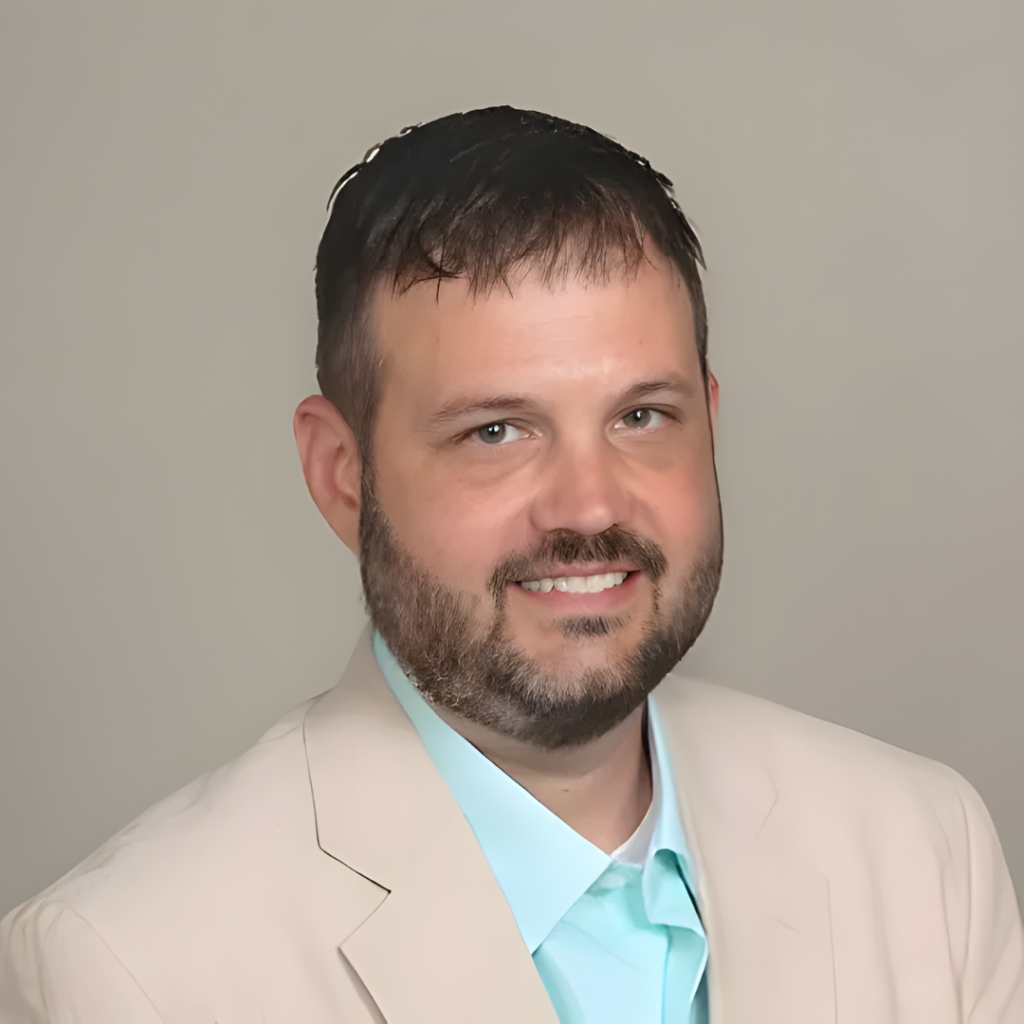
Casey Stubbs covers Personal Finance Trading in this Marketer of the Day episode. Casey Stubbs explains how simple trading rules, disciplined focus, and consistent investing can help people put their money to work. His core method uses a 200-period moving average to identify stocks or cryptocurrencies trending upward before he looks for buying patterns. He spends roughly 15 to 20 minutes near the market close scanning charts, opening positions, and closing older trades. To control risk and emotion, he takes profits, avoids sideways markets, and accepts that another opportunity will appear. He also recommends investing 30% of earned income, a rule he applies with his children to build long-term habits. Outside trading, he spends 30 to 45 minutes defining the big picture, obstacles, and daily priorities before entering the office.
Casey Stubbs is an experienced trader and entrepreneur who has been trading stocks and cryptocurrencies for over 25 years. He is the author of “The Ultimate Harmonic Pattern Strategy” and the host of the “How to Trade It” podcast, where he interviews top traders to share their insights and strategies. Today, Casey discusses his focus on improving his trading strategies and fine-tuning his methods to increase results for his clients. He also talks about his efforts to improve his SEO and drive more search traffic to his website.
In this episode of Marketer of the Day, Casey discusses his current work creating educational trading resources, running his podcast How to Trade It, and developing the product “Tim’s Cash Alerts” to help clients make informed investment decisions. He emphasizes using money as a tool, disciplined investing, and financial education for both adults and children to build long-term wealth. Key takeaways include focusing on active markets, managing emotions when trading, and approaching money with a purpose. Casey also highlights practical strategies for financial discipline, portfolio management, and product development while maintaining transparency and measurable results. His website tradingstrategyguides.com serves as a hub for trading education and actionable guidance.
Quotes
“Your money is a tool. Don’t work for your money—make your money work for you.”
“Focus your energy on one thing at a time until it’s where you want it to be, then move on.”
“If it goes down 10%, get out and wait, or find something else. There’s always another opportunity.”
“Have a big why. Money becomes important because it helps you achieve your purpose.”
Resources
- Trading Strategy Guides: Over 500+ Unique Trading Strategies
- Connect with Casey Stubbs on LinkedIn
- Subscribe to How To Trade It Podcast with Casey Stubbs on Apple Podcasts
- Get a copy of The Ultimate Harmonic Pattern Strategy Book: The most accurate harmonic patterns and how to trade them by Casey Stubbs on Amazon
Podcast: Play in new window | Download (Duration: 27:03 — 25.0MB) | Embed
Subscribe: Apple Podcasts | Spotify | Amazon Music | iHeartRadio | Podchaser | RSS
Transcript
Download transcript (.txt)Wow. Hey everyone. And welcome back to the marketer of the day podcast. We are here with return guest Casey Stubbs, and Casey is going to be talking about how you can fulfill your financial dreams, achieve financial freedom, get cash flow, trade to your heart's content. Casey, glad to have you back. How have things been?
Things have been great. Robert, good to be back.
Glad to have you back. And so now that we're all caught up, it feels like we just saw each other just yesterday. What has been your passion, your focus the last six or 12 months? What has you fired up?
Well, in the last 12 months, I've been really focusing on just improving my trading strategies and fine tuning my methods to increase results for clients. And I know this is the marketer of the day. So on the marketing side, I've been really working on my SEO to get more search traffic from Google.
Okay, great. So, and there's always, like, multiple angles to hit things from, right? There's like, what do you do with your money after you you've made all your money from Marketing, and how do you keep on growing that? But then also, also thinking about outside the box ways to kind of get that that income stream working and that cash flow going. And so when you say trading, like, what? What are we talking about here? We're talking about, like, cryptocurrency options. What are you trading? And what's your favorite?
So I trade stocks and also crypto, and the strategy is exactly the same, and it's really super easy. I mean, it's just so easy. Well, the coming from me, who've been doing it for 25 years, but really it's not that difficult. I look for something that's trending upwards, so I look for 200 period moving average. I apply that to a chart, any type of charting platform, no matter what stock platform you're using, with the exception of Robinhood, because they don't really have a lot of charting tools. But anything other than that, you just apply 200 period moving average. And then if the market is above that, then you're looking for patterns to buy. And you do the same thing in cryptos or in stocks. Okay?
And so, like, what kind of time commitment is this? Is this like, do you look at the these, like, 200 period Moving Averages like all day, every day. Is it like a morning and evening thing? What's kind of your routine here?
Yeah, I'm actually a little bit too busy to be looking at charts all the time. There are some people that do it all day. They're like, in out, in out, in out, but that my brain just couldn't handle that. So I do about 20 minutes a day, right at the end of the market close, which is about 330 eastern time for me, so about 1520 minutes a day. Just run a scan, look at my charts, look at what's happening, get new positions, close the old ones, and you're
saying that this works for pretty much like, like you said, like any stock or any cryptocurrency. If you're looking at like, Ethereum or ripple or something. It's just like the use look at the look for the similar kind of chart patterns, right?
And so a couple years ago, I was trading Bitcoin when it made a big run up, and then it was just not really doing much for a while. So I just stayed off of it. And same with eth. So I just stayed out of that for for whenever it was going sideways and not moving. And then just recently, this year, it picked up again. So we started to get back in and that kind of helps you avoid the big losers and sideways markets and only get in the markets that are actually moving. And so you know, if this things, it looks like it's starting to turn around again. And I have recently removed my bitcoin positions, and so I'm going to be watching them and see what happens if it's going to start dropping again, like it did in 2018 when it made that big move and then just crashed for two years. Or if it's, this is just a pause for another big move up.
And how do you kind of, kind of fight that phone? Because it seems like it's, it's really tempting to say, like, Well, I'm gonna pull out a Bitcoin, and then you see it going up and up. And it's, it must be, like, must be so tempting to just, like, jump in really quick and then, but then it's, it always seems like as soon as you jump back in, then these things fall back down. So do you have to deal with any of this, like kind of emotional rigmarole with with all of this,
yeah, if that's just an experience thing, because what you don't realize is that you're afraid that it's gonna take off without you. There's a real valid fear there. But what happens is, if you hold on and it tanks, then you end up holding the bag. And when you hold the bag enough times, and you experience that, then you realize that it's worth just taking your profits, being happy and thankful with what you got, and having the understanding that there's going to be another opportunity at another time. I'm in another in another deal somewhere, so just be thankful with what you got. It's
almost like, like, touching a hot stove, right? Like, like, if you haven't ever touched a hot stove, like, it doesn't really seem like a real problem. But then once, once you get burned, the one time, you're like, Okay, next time, I'll really think this through. And instead of just acting, I'll say, You know what, there's a better way to do this. I can, you know, go, go and grab the oven MIT, or I can wait until the the pot cools down a little bit before for handling it. And so, I mean, have you, Has everything been, like, really, really easy and simple? Or have you have any kind of like, like, setbacks or difficulties with any of this lately? Uh, lately,
I've been doing pretty well, but there's still always challenges. One of my biggest challenges right now is just learning to focus, because I'm a an entrepreneur, I'm a trader, but I'm an entrepreneur, and so I have the just really big eyes to see opportunities, and there's never an opportunity that I didn't fall in love with. And so usually when I'm launching a business, I'm like, Oh, I can do 10 things at a time, and I just spread myself out too thin. And so that's been the biggest step back, is starting too many things and then just getting knocked down because I wasn't focused enough. And so now I'm being more disciplined in laser targeting my efforts and really putting all of my momentum in one thing, until that thing is really where I want it to be, and then I move on to the next, rather than to try to spread my time out.
And what is that one thing these so
right now, the one thing is to really work on my product community aspect, which is a trading product to help our customers. And so I am just focusing every day, improving the communication to our customers, improving the systems, improving the way that we onboard customers, all of those things, until I really feel like it's exactly where it needs to be, and
it seems like every day there's just kind of like that incremental progress of just kind of like, like you said, focusing, but also maybe revisiting and being like, well, is This the best it can be, and is the onboarding all working? And so you mentioned like this, this new like product, in this new community. Can you tell us about that? What you have going on?
Yeah, so I have, I like to work with a lot of people too. You know, one of the things when I'm focusing, I'm thinking about I always ask myself this question. I said, Who can I activate to help me with my goals? Right? And that might seem a little strange, but when you think about it, different people have different giftings, and so I'm telling you all of that just to say I'm I'm activating a really good friend of mine named Tim, and he's been trading with me for about 10 years, and he is been on you on my YouTube channel, just posting his trades, and he's been documenting them. And he just said, Hey, I just wanted to let you know. Here's the spreadsheet of all the trades that we've been doing over the last three years. And I looked at it, and his performance was really good. He doubled his account with all of the trades, and he actually posted each one of those on YouTube before he even took the trade. So there was, like, documented proof that he did every single trade, which is a lot different than a lot of other people, where you don't know what, there's no transparency. So I'm like, Oh, wow, Tim, that's really good. We should actually now take that to the next level and add additional services and help people out. So we call that Tim's calm cash alerts. And that's the product that we're really working on. And you got a little background with it,
yeah, and, and. And I can tell that there's, like, some of the military, Army thinking, because, like, you use that term activate, right? And they use that as far as, like, well, we'll activate these troops and get this right. And so, so cool. So you found something that was already working and enhanced it. And like, with all this talk of like, you know, the looking at, like, the fundamentals and the charts and trading and having a strategy and timing, like, what comes to mind is like, what do you think about how it's kind of easy for a lot of people to think they're really smart when the market just keeps going up and up, and it's like hard to lose versus, you know, if things are flat, if things are down, like, what do you think about those people that say, like, just park your money in a mutual fund, or just park it in a S, p5, 100, and that way you just, you don't have to think about it. I mean, is that, is that to tame or boring for you, or like, like, why is that something to not do, or something that should be considered? Or like, what are your thoughts on that?
So there's, I have a lot of thoughts on that. So that's a great question. My first thought is that no one is ever gonna care more about your money than you. Right. Okay. And so when you just hand it off to a big mutual fund or whatever, you got to remember, they got a lot of fees. They're in it for the fees primarily. And yes, it's conservative, and yes, it's better than a bank, but you were talking about looking at what's working and doing something that's already working. Your money is a tool, and you want to activate it again. The word activate. You want to use that money to the best of its possibility. You want to use it as a tool. So if you want to put it in a mutual fund, and you're like, those guys are too smart. I don't have the time. I'm not smart enough. If you think like that, that's okay. It's not true. But then fine, go ahead and do that, but I would definitely prefer to have a more hands on approach. Learn and educate yourself a little bit. It's not as complicated as what people think. Get past the fear. Yes, the market could crash, but if you have a nice safety mechanism that says, if it goes down 10% I get out and I wait, or I go and find something else, because when the markets are crashing, you might get be able to look and oh, well, the gold market's rising. So I'll move my money out of the stock market, and I'll move it into the gold market. If you just do a little bit of research about things like that, you can still do really well in down markets, if you have a plan,
and it seems like it's less lonely, right? If you're keeping up on the discussions and keeping up on the YouTube channels, especially like, with like, like, Tim posting his trades regularly. And so I noticed that in your background there you have a trading podcast. You have talk about, like, forex strategies. So like, what's what's this podcast about this, how to trade it. Okay,
great question. So how to trade it? I really have a strong desire to help people learn to trade as good as possible, as well as possible, and make money. And so what I've done is I seek out the very best traders that I can find, and I talk to them on the show, and I interview them, and I get as much. I just glean out like you're doing for me. I just glean out that knowledge and wisdom. And so it's what's happened, is it's helped me become a much better trader. So I use it as a first and foremost for myself, I'm very selfish. I want to talk to these people so I can get smarter, and then I share that information along to the audience as well,
and so, and I imagine that you get like, different sort, like, all kinds of different, like personalities, and, you know, people that are maybe more careful and people that are more like crazy and aggressive. So Does anything come to mind, as far as an interesting, like, Aha, or an interesting guest you had on the show?
Uh, yeah, actually, you're right. There's a lot of different personalities, and I always pull something out out of each one. But one of the most recent shows, which hasn't published yet, it actually is going to be published next week, is was I talked to Rob Booker, and he was a great guy, really colorful, fun to talk to, and but one of the big things that he said, Because I asked him a pointed question. I said, Rob, how long do you think it takes the average trader to be successful? And he said, Well, in my 25 years of experience, I would say the average is seven years. And so that was kind of like, wow, okay. And he said, well, it doesn't have to take seven years. But if you, if you approach it with that mindset, you got to realize that there are some things to learn, and you have to, you know, develop that it's not as easy as what you think it's going to be.
We it's, it's like, like, people googling for to get legal advice or to get medical advice. Like, like, well, you could, you could get a little help along the way, but you kind of need almost the equivalent of like, like a college degree, and you can either, like, kind of get it in dribs and drabs, like, you know, audiobooking, or like, like, research or YouTube, or you can, like, really hunker down and get it all in a compressed time. But I like that, that way of thinking, like that, there's like this, this whole block of like knowledge and all like the things to do, things not to do, and it's just a matter of, like, well, you want to, like, take your time on it. Or do you want to kind of go, go all in and maybe, like, do, like, more, like, hands on, and then you get all that, that experience quickly, or, like, take your time so, so yeah, it's, it seems like this is the kind of thing where we need to be maybe devoting some amount of time to this, because otherwise it might take all these years. And like you said, too, if, like, it's not that hard to get up and running. And if you put your money in the hands of someone else, they're looking to get the fees, and it won't, it won't really help you on the long run, as much as you just like knowing, knowing enough yourself, right?
And even a little bit of education goes a long ways when it comes to money, you just, you don't know people's motives. You know there's always, whenever you read something online, you got to remember is, ask yourself this question is, what is in it for them? What is their benefit? And yes, I sell information products, so what's my benefit? Well, I make money when I sell stuff, so you have to look at that, right? Well. Why is he doing this? But there's always a hidden agenda somewhere, and you got to, kind of not to be skeptical, but just evaluate. I'm not a skeptic. I believe in good information, but just just try to be aware of what's going on.
And that's been on my that kind of idea has been on my mind lately is that I don't know if it's like a, like, a getting older thing, or, like, I'm a dad now, but like, some of the, like, the money stuff, the accounting stuff that I didn't care about that much, maybe in my 20s, I'm a interest me, like, a little bit more now. And like, when, when, like, I get my taxes done, I kind of scrolled on my tax return, like, oh, line 38 that's there. That's interesting. And I'm like, I feel like, every year with, like, the the yearly taxes, in particular, I kind of get like, maybe, like, three inches deeper into the water, as far as, like, knowing just enough. And I know that, like, in the in like, this example of doing the taxes, like, there's no way I'd be able to do it myself. But I feel like I'm a little bit more like fluent or I can, I can look at it more and see what's happening. And I imagine that it's a similar situation with kind of anything money related, right? Instead of it being a magic black box, then it would help all of us to just know a little bit more about what's going on. Even if we're not fully doing it, we're not fully into it, it would just help to be just, like, a little bit more interested. And so I'm not really sure, like, where that came from. And like, have you noticed that? Or do you have any advice on that in like, almost like, like, forcing yourself to get interested in money, or, like, finding a way to to, like, get excited about it, and excited about, like, the nerd math fundamentals, when previously it maybe wasn't that interesting.
You know, that is a really good point. And I actually have a couple little things I wanted to hit on based off your conversation there. The first one is on the taxes. You know, having a little bit of information goes a long ways, because when you hire someone to do your taxes. You know, that's a big deal, and you got to have a lot of trust there, and you don't even know what the you know the motivations of your tax prep guy are. And so the if you have some good info, and you have done your due diligence, and it's not fun reading tax codes is terrible, right? But if you just just do it a little bit, and then you ask your tax guy a few questions, you know, you can determine if you have a good tax guy. I've had to get go through a lot of tax guys because I hired people that had no idea what they were doing yet their CPAs, they're totally certified, but they were really bad. So that's one part. And then as far as getting excited, I would say, look at your vision and look at the Why don't just live life, you know, just going through the motions. Have a plan, have a purpose, have a reason. Figure out what your big why is. And then, you know, oh, I have a big why to do this. Well, then money becomes a little more important, because you're not going to be able to do your big why, if you don't have the money. And so I teach my kids, you know about money, right from the beginning, I say, look, you're going to put 30% of this money away and you're going to start investing. So my 14 year old son, he works around the house. He does, you know, garbage and lawn mowing and all that stuff. He is required to put 30% of his money into stocks. My daughter, who is 22 she works for me. She is required. She's the only employee that I can do this with. She's required to put 30% away into stocks, and she's already tripled her returns in the first two years of working for me. And so I'm like, You know what? My son, who's 14, I'm like, when you when you get out of when you're ready to go on your own, you're going to be ready. You're going to have enough money, you're already going to be ahead of all those other people. And my daughter, she started a little bit later, but I'm like, when you're 29 or 30, you're going to be way ahead of the game, and you're not going to have a lot of the problems that normal people have with thinking about money
nice. I might need to steal that when my son gets old enough to to kind of set, set the like, like the ruler in place and say, this percentage, put it into this so that way, and it's like, it seems like the the mindset is that, well, you could go like, the the no plan at all, instant gratification way, which is like, it helps you now, but it kind of kills your future. And then the other extreme would be to, like, have no fun now, but then completely save for the future, which, which might not come, or whatever. But then it's, it's like, there's, there's definitely all kinds of middle ground there. Like you said, 30% it's not saving 100% it's not saving 90% it's like saving, just like, a well thought out chunk of your money. That way you can kind of have your cake and eat it too, right? That way you can have your fun now, but then you make like, like, a tiniest little sacrifice. I'm not even sure if sacrifice is the right term, but you're just like, like, kind of taking a chunk of what you have now and putting it away in the future. And it seems like that for some of us, it takes years to figure out, and it takes like, failure after failure. Earlier to figure that out. Of like, have like you said, have that why have that goal? Have kind of that, maybe, like, daily or monthly practice in place with your money, and then that way it's you might maybe, some days hate it. Now you might say, oh, like, I got 1000 bucks, and I'm just a kid, and I wish I had more than 700 bucks left over, but then it all pays off later. And so that's been on my mind quite a bit lately, is like sometimes doing the things that I don't feel like doing, but then once I start doing it, then the goal, the why, kicks in, and then it's, it's fun again, and so, and that, that's the thing I'm trying to tap in with, that is kind of the like the socializing and the podcast appearance. Like you said, you have all these podcasters on you've been. This is the second time you've been on my show. It seems like you have a lot of fun. Do you ever have those days when you say, Oh, I don't want to do a podcast. I don't want to hop on a podcast, rather, just like, go on the computer and get do some stock trading. I mean, do you ever have those down days? You have a way through it.
Honestly, I love what I do. You know, I was in, I did a lot of things before this, and I was in construction. And this isn't the only reason why I love what I do, is because I'm doing something that really fits my gifting. And I think that's a big thing. So I have energy. But when I was in construction, you know, some it was just busy work. You know, I was a labor and I would carry concrete bags and lumber and all kinds of weird stuff. And, you know, I would always just look at the clock. It's like, three o'clock. Is when I got off? Is it three yet? I'd look it'd be five minutes later. Is it three yet five minutes later, now I look at the clock and it's like, oh my goodness, it's three o'clock. I have to go home. So it's just a totally different perspective. And I'm really thankful that I do what I do, but my biggest struggle is to not just jump on the computer and start working and trading, because I can easily, there's so much work to be done, I can easily just jump in and start working like a whirlwind, and then by the end of the day, I'm like, Where'd the time go? And I didn't actually move the needle. And that's why every single day, I'm disciplined to sit down. I actually, I actually lock myself in my truck in the parking lot before I get into work, I go into my truck, and I sit down, and I just write down, okay, what's the big picture? And I write down everything that comes to the top of my mind. Then I'm like, Okay, how do I accomplish this? Write it all down. What are my obstacles? Write it all down. And then every day after spending, you know, 30 to 45 minutes of just unwinding like that and decompressing, then I go into the office with a really focused plan.
I like that a lot, and I've been making sure lately to wake up super duper early, wake up at like, 4am 5am to get to get some things done before the baby wakes up and before, before everyone else wants my attention, both in person and also on the internet and computer land. And it makes me think of like, back when I was let me like a teenager on the weekends, or even like a young guy, I would be looking for the distractions, right? I'd sit down on the computer, I'd like, check my email, and there's 10 things that need my attention. And then now there's, you know, the notifications of social media and and with this waking up early, I've been kind of tapping into a little bit of what you're talking about there, of just like enjoying, like the quiet time and thinking about the big picture of the goals about what I'm going to do. And, I mean, I found that so helpful too, in that instead of just jumping in and doing whatever, whatever you might think needs doing, it's like you're, you're doing a lot of work, but you might be running really fast in the wrong direction, and it's and it might be better to run or jog in the correct direction, as opposed to running a full speed in the wrong direction. And so yeah, this is really powerful stuff, and I appreciate you very much for not just doing the, not just doing the things that are making you money, but also like, like teaching it and being a marketer, and having the these podcasts and having this course and doing all these things. So can you tell us about some of these things? Like, who is it for? What do we get? Where we go to get it.
So my website is trading strategyguides.com and the podcast is on there too, which I think is a great place to just to start to learn. You know, you can listen get a wide variety of what's happening in different markets, crypto markets, forex market, stock markets, options. Can learn all that stuff. So that's one really good thing, but it's just for people that really want to use their money as a tool. You know, money's not good, money's not evil, it's just a tool. And you want to put your money to work, don't work for your money. Make your money work for you. So if you're interested in making your money work for you, you. Got to have investing. And whether it's stock or even real estate or investing in businesses, there's you really have to have to have to have to put your money to work for you. And so if that's something that you would be really interested in, you should check out my site. You there's a lot of education there. Fantastic.
Instead of working till you die, have your money grow, have your money work for you. And that is trading strategy guide.com. Is that correct?
You get trading strategy guides with an S, with
an S, okay. Trading Strategy guide.com. And as we wrap up, wind down here, Casey, do you have any parting words for us, any just like final words of advice to really wrap up this conversation.
Well, just, you know, live, live to the best of your ability. And you know, focus on what you want. One of the big things is we have choices in this world, and so just don't do things that you don't want to do. You might feel like you don't have a choice, but you do. Just don't do something. If you hate your job, do something about it. If you hate your life, do something about it. Don't set. Settle for something that you don't like.
Excellent. Don't settle. You have a choice, and the choice right now is whether to or to not go to trading strategyguides.com and I think we know what's the incorrect choice and what's the correct choice, so we will see you over at trading strategy guides.com and thanks Casey for hopping on the show. I appreciate it. Thanks, Robert, you.