Published Last updated
View in Podcast Library: stories, quotes, books, and resources in one place.
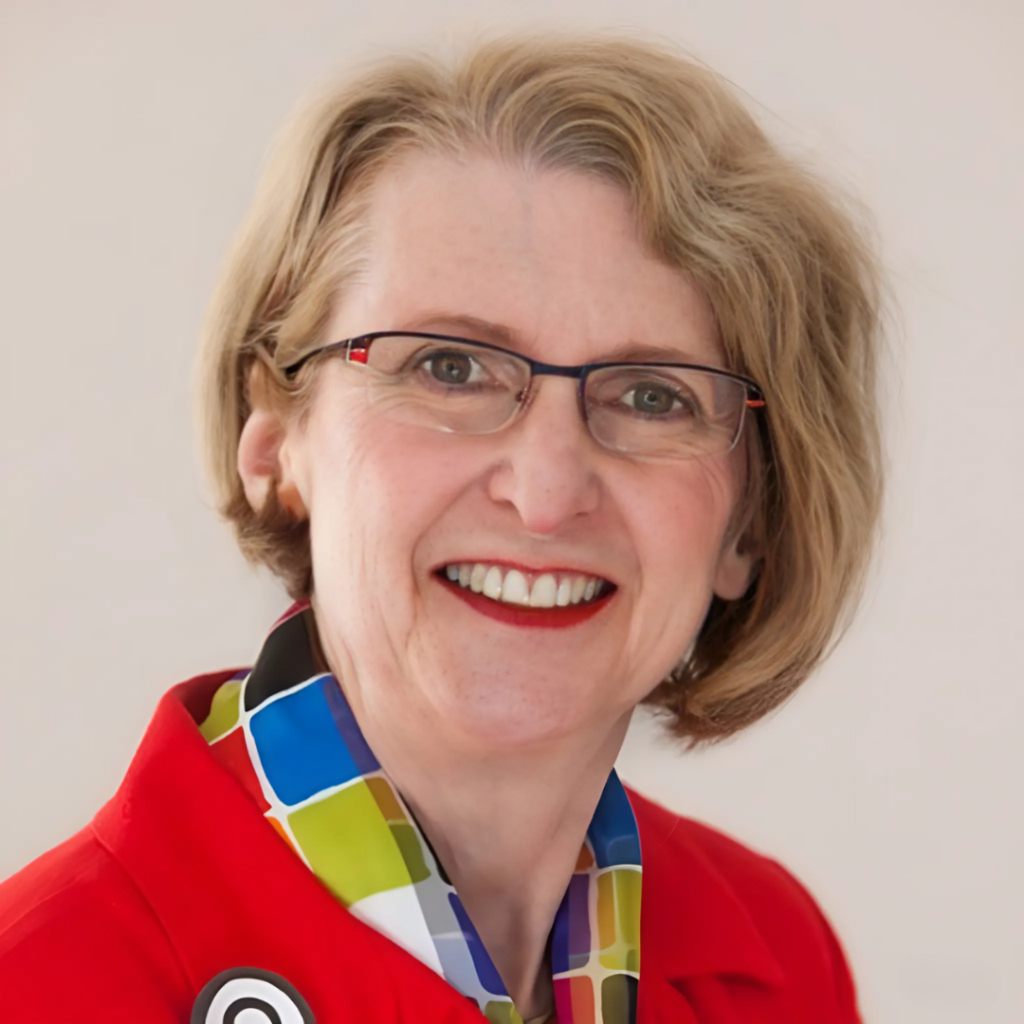
Barbara Ingrassia covers Copyright and AI in this Marketer of the Day episode. Copyright strategist Barbara Ingrassia explains how creators can use AI without losing control of their work. She outlines key changes since 2018, including public domain releases, group registrations for photos and short literary works, and the Copyright Claims Board's $30,000 limit. She warns that ChatGPT and similar tools may include copyrighted, public domain, pirated, inaccurate, or biased material in their training data. Her practical framework is to use AI for brainstorming, fact check every output, avoid entering confidential information, and add no scraping language to website terms. She also recommends registering valuable assets like courses, books, and core business content, with many applications costing around $65. For AI-assisted works, the human-created portion must stand on its own.
The legal landscape surrounding AI and creative works is dynamic, demanding critical thinking and adaptability from creators and regulators alike. As AI technologies like GPT-3 continue to generate content, questions arise about copyright eligibility and ownership. The interplay between AI and human creativity is complex, with the human component often needing to stand out for copyright protection.
Barbara Ingrassia is the founder of Manage Copyright, a website dedicated to helping creators and businesses navigate the complex world of copyright law. As a returning guest on the podcast, Barbara brings her expertise on the evolving landscape of copyright, particularly in the context of emerging technologies like AI and generative art. Today, Barbara discusses the significant changes in copyright law since her last appearance, including the public domain entering a new era and the opportunities for registering digital content.
Quotes
“It’s the Wild West right now. In the past few months, we’ve seen educators finding ways to use ChatGPT in the classroom. The toothpaste is definitely out of the tube, and there’s no putting it back. We need to develop best practices for how to use it effectively.” – Barbara Ingrassia
“We just need to ensure we understand what’s happening and how we’re going to use it, so we aren’t challenged down the road. It’s about making sure things are accurate and putting your voice into it so that it remains a human creation. It’s an exciting time, but also a challenging one.” – Barbara Ingrassia
“Copyright is very fact-based. You can send the exact same information to two attorneys, especially in a use-case scenario, and even with the same facts, they might come back with three different opinions. It all depends—it’s always a matter of interpretation, which makes it an interesting thing to watch.” – Barbara Ingrassia
Takeaways
10:39 Registering copyrights with the US Copyright Office provides additional legal protection for creators, including the ability to claim statutory damages.
15:18 Understanding the evolving landscape of copyright law, particularly in the context of emerging technologies like AI, is crucial for creators and businesses to make informed decisions.
17:30 Disclosing the use of AI-generated content and incorporating it into a human-created work is important to avoid potential copyright infringement issues.
20:24 Establishing best practices for the responsible use of AI tools, such as ChatGPT, can help mitigate the risks of copyright infringement and ensure the authenticity of one’s work.
29:41 Copyright skills are essential 21st-century communication skills, and seeking expert guidance can help navigate the nuances of copyright law.
Resources
- Manage Copyright: Guard Your Online Goldmine
- Barbara Ingrassia Manage Copyright on Facebook
- Barbara Ingrassia on LinkedIn
Podcast: Play in new window | Download (Duration: 35:18 — 48.7MB) | Embed
Subscribe: Apple Podcasts | Spotify | Amazon Music | iHeartRadio | Podchaser | RSS
Transcript
Download transcript (.txt)Hey, and welcome back to the podcast. We're here with return guest, Barbra and Gracia. And she is from manage copyright.com. And we're going to be talking about the super exciting, action packed topic of our copyrights, but also how they relate to Chet GPT, and artificial intelligence and how we can make it fun and entertaining for us. So Barbara, glad to see you again.
Nice to be here. Thanks so much, Robert.
You're very welcome. And so you were here five years ago, and we talked about things like I think like Getty Images and Creative Commons and making sure that you don't get sued for having your images. But um, things have changed so much in the last five years. Now we have like generative AI, we have mid journey, we have shed GPT. So what the heck is changed? And how the heck are you? What should we be focused on these days?
Well, thanks for asking. There have been quite a few changes from 2018. For example, January 1 2019, suddenly, we had works entering the public domain and the United States, again, after a 20 year drought. And we now have opportunities to register with the Copyright Office groups have published and unpublished photos and short literary works, the idea that some things are born digital, and are going to ever be in a print a physical copy. So how were we going to protect those, because publishing always meant distributing and authorizing people to distribute and renting and leasing and that kind of thing. And so now we have the opportunity to register groups of blog posts, social media posts, poems, short literary works. So some things have come a long way. Now, there's also the copyright, copyright claims board, and you can take your case about infringement to this panel of three people. The damage limit has to be $30,000. But that makes that whole process of going to court, a little less onerous, a little less expensive. It's only been around the copyright claims board has only been around a couple of years. So it's still getting its feet going. But it's an interesting, interesting development. And so yes, now AI chat GPT exploded on the scene, and in late November of 2022. And just everything it seems. And lots of controversy, lots of court cases, filed almost right away. Getting filed about their their there are both graphs being scraped, in order to train, chat GPT artists, they don't want to see their own artwork, sort of usurped by mid journey and things like that. Programmers. Various authors. And so it's just it's a new Wild West, where there are no no laws and no real guidelines yet. And of course, the it's like magic. When you put in a prompt, boom, you have an answer in a matter of seconds. It's like magic. And we know that magicians often have something up their sleeve to be distracting you. And so my role is to help people be fully informed about what what's going on besides the magic or what things people need to know to understand. So they can make informed decisions about their use of AI and chat GPT
and I think one of the things that's important that you're starting to bring up here is with shaggi vt a lot of people don't realize that the what it generates has to come from something right and we think like oh, we have we tell Jack tat GPD to like write an article for us or mid journey to make this image For us, but what you're saying is that it comes from this huge database, right? They scrape the whole internet, they scrape the basically the sum of human knowledge. And then it picks apart and combines things. And it doesn't really create anything. It just has this illusion because of this huge database. And so then that gets passed down to you. Right, as someone that uses Chad GBT to create something. It's like they're infringing copyright. And then you then take it in, and now you're sort of infringing copyright. And so how do we begin to wrap our heads around it? Because like, when whenever I look into this a little bit, I get so discouraged, I think, like, well, if I'm going to going to use it, and if I'm going to be have to worry about that being being sued or copyright violation, or have to change so much of it, then what's the point of even using it if we're just going to get sued for using it?
Well, that's an excellent point. And you're right. Those bots, hips scraped indiscriminately. They've taken copyrighted works, they've taken public domain works, whatever's been on there through 2021. And pirated works, and just cool. It's a one big soup bowl. And then it's your prompts that pulls things together and sort of trying to be predictive based on what it already knows. Sometimes, the answers aren't accurate, they make things up, that the bot hallucinates, there's a certain amount of bias that has been scraped. And that's, that comes through when you're doing your prompts doing your searches. So it's not something that you can rely on 100% You always need to be fact checking. You can't accept what it says as, as the truth. One of my objections has been that you can't tell what the sources have been, you know, Wikipedia may have is its strengths and weaknesses, but at least you can go down to the bottom and look at the references and track through those. And you can't do that with Chet GPT. And those related box. Now, I know that people have asked Chet GPT, to provide the references, the sources, and they come up with something. But further examination, they find that some of those sources don't even exist. So chat GPT and the others need to be used as tools, brainstorming tools, for example, you know, you're facing a blank sheet of paper. And this can help get the creative juices flowing. That doesn't mean that you should take what it spits out, and copy and paste and go with it. We're seeing a lot of AI generated books now on Amazon and elsewhere. Just as I say it's the Wild West, we see some evolution in the past few months, that educators are finding a way to use chat GPT in the classroom. So definitely, the toothpaste is out of the two. And we're not going to be able to back in. So we need to develop some some best practices for how we can use it. And again, using it for for brainstorming anything we put into chat GPT becomes part of the training suit. And so we want to be very careful what we put in, if we're putting in something with confidential information, privileged information, proprietary information that's going in there too, and is going to be scraped and used. So thinking about how we want to protect what we create is important going forward. So I believe that registering the copyrights on your works, registering with the US Copyright Office or whatever your national organization is gives you some protection some teeth we know authors who are suing chat GPT and their and their parent company are having in effect given away the farm, you know, there's no point to reading my book if you've already got it. pieced together in essence from From from the prompts. So having a registered copyright is going to make a difference. I think we know that we have a copyright, the minute we create something in a tangible medium, we don't have to apply for copyright, it's automatic, we don't even have to see in a circle on our work. And that has its own pros and cons. But those don't have to be they exist, but having the teeth of a registration where, where you've got a public record, you have the opportunity to claim statutory damages, should you have to go to court, you know, attorneys fees, and whatnot. So it just seems like a good step to take. Also, I'm seeing ideas to put in your terms and conditions on your website, something to the effect of and you know, terms and conditions, you're telling people what, what they can do and can't do with what they're finding on your website, add a do not, do not use my content, do not scrape my content to to feed AI. And so, terms and conditions, which I like to see in in the footer, I'm linked to the terms and conditions in the footer of our websites are legally binding. We may not read them, but they are legally binding. So putting in something there about don't scrape my work for to train an AI bot. I've also seen that it's being suggested now that you put something like that if you're an author, and you're on your version of your title page, where you're saying something about copyright, put a statement about not to be scraped. So take making, taking some precautions against what seems to be a tsunami coming at us. So establishing some best practices.
So lots of things. That's interesting to think about. It's a few steps we can take right. So in the those terms or conditions, add some verbiage that I did not want it to be scraped. There's the option to go and register with the US Patent and Trademark Office and get our copyright registered there. You've mentioned earlier that there's this this new wish copyright council so that we don't have to go through this whole like court process, there's kind of a shortcut, similar method. And you're saying as far as like using this generative AI that a better use for it than what's being kind of hyped as is you say use it as a brainstorming tool. That way, you're not just putting out all this content with the fear of being, you know, being sued. And, and I find that like, that's what I've been doing using it for more often than not, because like when I tried to make a blog post, I kind of ran into the same problems. You said, I said, I have to check all this stuff. And I'm not sure if it's accurate. And sometimes it gets a little too close to the hallucination and I don't like it. But then if I say well, give me some ideas help me think this through critique my existing writing, then that's a fun use for it. And so you mentioned though about how some people like put out the put out books using chat GPG and something that kind of kind of gave me a little bit of pause the other day was I went to go put up just some regular book on Amazon. And they had a checkbox now saying, like, did you use AI to generate this book? And so I got me to thinking like, well, do I have to check that box? If like aI helped me or if I use AI and then I like edit it and made it my own? Like at what point what like percentage of a change do I have to make in order to not check that box?
Well, that's a very interesting issue. The US copyright law, of course says that only works Christo, you might remember the picture of the monkey that the selfie that the monkey took and because was a monkey clicked the shutter and the photographer who set up all the stuff had gone off on a break and he didn't call Get Shall we couldn't have copyright in it either. So how much human this needs to be in a work that's been generated or heavily assisted by track GPT kinds of bots. The interestingly, the copyright office says, You can register things that include AI content, but you should disclaim them. And the human part needs to be able to stand on its own. And that's not really different from what the copyright law has, has called for. If you use something from the public domain, you have to disclaim it if a derivative work. You have to disclaim the earlier vision. So but and you don't even have to tell them what parts are, are AI generated. But shouldn't things come to court, that would, that would be a different situation. But the idea that if the work the human part of the work, can stand on its own, then it can be eligible to be registered for copyright. And certainly, the copyright office has been dealing with this, they have turned down the registrations on a couple of graphic novels and some some photographic image kind of things. Because they were totally AI, and the and the creator admitted that. So it's a new world, the copyright office now has an actual page, that you can click on to see what's going on with artificial intelligence. Certainly, Congress has been having hearings, and you know, this net and this and that, internationally, there's a lot of concern about regulating the AI input, some countries banned it totally. And some, now they are back into the game. So there's a lot, there's a lot unknown as it continues to evolve. So we just need to make sure that we understand what's happening and how we're going to use it. So that we aren't challenged down the road, making sure that things are accurate. Putting your voice into it, so that it is a human creation. It's an exciting time, it's a challenging time, as I said, the toothpaste is out of the tube, and it's not going back in. So we just need to learn how we're going to work with it, and manage it. ourselves. There are so many courses now, book, and online trainings of how to do the new this net and this net. And there isn't enough emphasis on where I'm from, and are the copyright just want to be the voice of balance. And reason. You know, we see drug commercials on television, and the people are also happy and this drug treats x. And then there are the the side effects, Boombah, Boombah, Boombah, Boombah, Boombah, boom, longer and longer and longer. And one of the side effects is often it can cause the thing you were trying to treat. So I just see this in a similar way is is making sure we know what all the ramifications might be until things come out of the courts. And that's going to be a long time. We have to have to use some critical thinking or like to ask ourselves,
yeah, and this is helpful to think about that. If there's no definitive answer just yet and there and there might not be in the meantime, it's just something for us to navigate. And for us to be aware of. And I like some of your analogies here like kind of that that public domain analogy like how you know, every Disney movie is based on some kind of public domain and Aesop's Fables or Hans Christian anus or something. And so they disclose that but they build on top of that. They don't hide that it's public domain. So that's reassuring. When you say well, if you use AI to assist you disclose that and don't it's not something to hide from and so these are exciting times ahead for us to be using this tool, as you said, you can use it for bad or you can use it for good. And so when you mentioned about the registering with the copyright office, like what's involved with that, like, what's the fees? And what's the process? And when should we register or not register?
Well, good questions, thank you. Registering something that you that you really care about, you know, that's central to your, to your project or to you, your business, you know, really, at the heart of things is something to consider registering for that little extra protection. If you've developed a course, for example, I help people register, register those because that's a livelihood, and you don't want to see that showing up on somebody else's site. The process is completing an online form, sharing, sharing a goodly amount of details, but they don't need, they don't need to know the plot, and all of that stuff, they need to know who the authors are, and who's going to claim the copyright. filling out the form, submitting the registration fee, which is generally in most cases around $65. And then submitting a copy of your work, maybe it's maybe you submit it electronically, maybe you just send the physical copy. But once they have those three pieces, the application, the fee and the deposit copy, then they will start work on evaluating your application. But the date that they have all three paces is the effective date of your copyright. So even if it takes them several months, you know, during during COVID, there was a big back backlog. But that date when they have all the stuff they need is what would become the effective date if if all goes on goes so well. So it doesn't have to be complicated, but sometimes you don't just don't want to have to figure out all that stuff. And so that's something that I can help people with. being compliant, making sure that your defenses around your website, for example, are good and strong. So that you know, the ordinary thieves, I have a pirates hat here somewhere, the ordinary thieves will will be discouraged from trying to penetrate your walls. So that that's an area that's important too, to make sure all your legal ducks are in a row, surrounding your website and your your content. Now that you can register blog posts and social media posts and short literary works, that gives you some extra protection, that formally you didn't have that option. So so the Copyright Office is coming. What's going to happen with the human thing I don't know. But it's, it's it's challenging times for for creators, the rights owners and then Republic but need copyright now in the US is good for life of the author plus 70 years. So for $65 plus whatever you pay to have the application filled out, you're getting such a life insurance policy, it's such a legacy to leave to your heirs that it's it's a very valuable thing you can't get you can't get insurance for much less than that
wonderful and you know, you mentioned how things are like exciting but also scary and what have they not be especially when when the Internet has involved right when when other things not being exciting, but also a little uncertain with with social media or with with Google or with privacy or who knows what so it's just something else. That's news navigate, and you always hear about how like googling with SEO, they want to reward you for having these legal terms on your website and for having the accessibility so I can see how someone can use your services to make sure their website is up to snuff if they want to copyright that course there likelihood and navigate that form, we've all been in that situation where we're fill out a form, we fill out the first six things, and we get to item number seven, and we're like, I'm completely stuck. And if I mess this up, then it will completely affect the outcome. So I can see how someone can use your assistance for these many different reasons. And so with all the US been sharing some of these fun stories about you, what you come across with AI, and there's so many cool things out there so many innovations, right, like I've seen, where there's like a mid journey book for video, and you give it a prompt, and it makes a whole video, and I've seen things where like, it takes a video, and it translates it from English to Spanish, and it somehow digitally changes the mouth. So it's like, completely just changes the language right there in front of you. And so with all the things that you've seen, or are excited about for the future, like what are you looking forward to as far as like the future of AI copyright? Any of the above? Like, what is what's exciting about the future?
Well, it's so much unknown, for example, when the automobile came along, horse carriages and buggy whip. Makers thought, oh, no, this is the end of the world. And when TV came along, or movies came along, and radio said, Oh, no, this is the end of the world. So we we, we do adapt, we do adjust. And that's, that's part of part of life. And the fact that oftentimes something that is a good thing, some people will find a way to use it for evil. And I think that as we get into the election season, I'm concerned about how AI may be used because you can't put someone somewhere where they weren't put words in their mouth that they didn't say. And it behooves us to be to be critical thinkers, to really see what what the source of our information is. And that's where there may be, there may be some danger, in that the the misinformation, how quickly things can be spread. That, you know, the many of the so called inventors of the AI processes, are now saying, Whoa, you know, we need to slow this down, and we need to put some regulations around it. Well, again, when the patient is out of the tube, the horse is out of the barn. And so how are we going to? How are we going to regulate that? How can we regulate that? Do we want to regulate it? That's the whole freedom of speech thing that goes around with that. So I think it'll just be exciting to watch. There are some people who love the risk. And so they're going to fly out there, see, see what happened. Others are gonna say, I better I better be a little careful. And so we have all kinds of people and makes the world go round, I guess.
And many of these are just other people's problem, right? It's above our pay grade, you and I were just say we say I'm going to make my websites and my courses and do my speaking and do my marketing and all I'll use what I can. But then as far as saving humanity, I'll leave that to someone else and policing the deep fakes while it's someone else's problem. And so yeah, this is a lot of interesting things to think about. And I've just been, like you said, it came out just in like November of last year, and I probably wouldn't use it every day. Because I don't want to not use it for three weeks or two months and feel really left behind. Like I use it for things like my marketing. Or if I need to send a quick email, I'll just feed them what I want to feed it and say make something and I don't like this, make it better, make it shorter, make it longer and change it. And then it's a productivity boost, right things that used to take us like two hours to write an email. Now it can be done in 1020 minutes, and we use the tool for good or for evil. And so if someone out there in podcast land says okay, well Barbara knows what she's talking about as far as the potholes the quicksand that the toothpaste is out of the tube, the horse Deb laboral all these cool metaphors, we use them they say, Okay, well, how can Barbara, help me in my business? Like what are the services, the solutions? What should somebody be contacting you about to solve?
Well, I believe that copyrights skills, our 21st century communication skills, we know copyright, it's been around, but with the internet, it has resurfaced and we see these cases about music infringement and all of these movies and recording studios and whatnot, we common people think that, you know, that doesn't apply to us. Well, it does. And so taking some precautions, being knowledgeable about what copyright is, and isn't. People think, Oh, if it's on the internet, it's out there floating around free to use who? Know. And then, so how can you use copyright is you're creating something? And then how do you use copyright to protect what you've put out there? Yes. Do you have the legal protections around your, your website? I speak to to professional groups, and they'll say, Oh, well, you know, like trainers, they might be freelancers. And they say, Well, now, do I own the course I've created or just the company own the course. They're all these little nuances. Do I have volunteers creating content for me? Who owns that content? So all those little nuances? That no, we think should make sense. But when we're talking about laws, and specifically copyright laws, the the safest thing is to say, it depends. And the AI folks are saying, Oh, well, this is fair use, but we've taken its fair use. And that's a gross over overstatement. So what we don't know, we don't know. And I'm trying to help people understand a little bit about what we don't know.
Oh, and fantastic. So if someone says, or I need help, knowing what I don't know what to even look forward to, I know you have managed copyright.com, and a lot of helpful resources there. So is that the logical next step? Or is there a better place for someone to go?
Well, manage copyright.com, it's a good place, you can contact me directly at BB at manage copyright.com. One of the challenges I've had over the years is that people think I'm a copy writer would WRI t er, and I'm a copy. Right? Alright, gh t. person. And I have an assessment that people can sort of figure out where are they where they are in the game. And so contacting me at Barbet, manage copyright.com. I'll be glad to share that. That assessment with you.
Fantastic that is Barb at manage copyright.com It's m a n a GECOPY r i g h t.com. BB at manage copyright.com. What's that? Perfect? Yeah, I get 100% score on that one. And so you can just send a message to Barb and tell her what your concerns are. And she kind of mentioned there's sort of the there's like the the defense and there's the offense, right? What can I use to create and make sure that I'm protected. And that way I can go after someone if they ripped me off. But also I don't want someone to be going after me. And can I make sure that I myself am protected in my own way. So contact her send that email, tell her that Robert plank sent you in the marketer of the day podcast and get that assessment if that's something that you want to pursue, and just enjoy the ride, right and embrace these tools. But this to me, there seem to be new tools coming at us every few weeks as far as all this AI that can be created. And so if we want to get too anxious, too scared, and just be so afraid to do anything, then we will really be limiting ourselves where other people take the risk. But if you yourself take the appropriate amount of risk that makes sense to you. And then you can still navigate the the magic and mystery of chat GPT but also stay out of legal and copyright peril. Sue, we'll see you over there at manage copyright.com And as we wrap up our conversation here, Barb, do you have a favorite quote lesson moral or saying these days?
Well, the it depends. Copyright is very much fact based. So you can send to two attorneys off with the exact same information especially if their use case kind of thing. They've got the same facts. They go off, you want an opinion, they come back with three. So it depends. It's always a matter of interpretation. So it's a fun thing to to watch for.
Right rule live by put that on a t shirt or a bumper sticker it depends and and don't get too frustrated with it as you go to Manage copyright.com and BB at manage. copyright.com Thank you very much Barbara for showing up, entertaining us amusing us and informing us giving us these fun stories really appreciate you.
Thanks so much, Robert for this opportunity.
Thank you for tuning in to the marketer of the day podcast marketer of the day is managed by de FY podcast clean your 12 podcast boosters at Def Why podcast.com/free